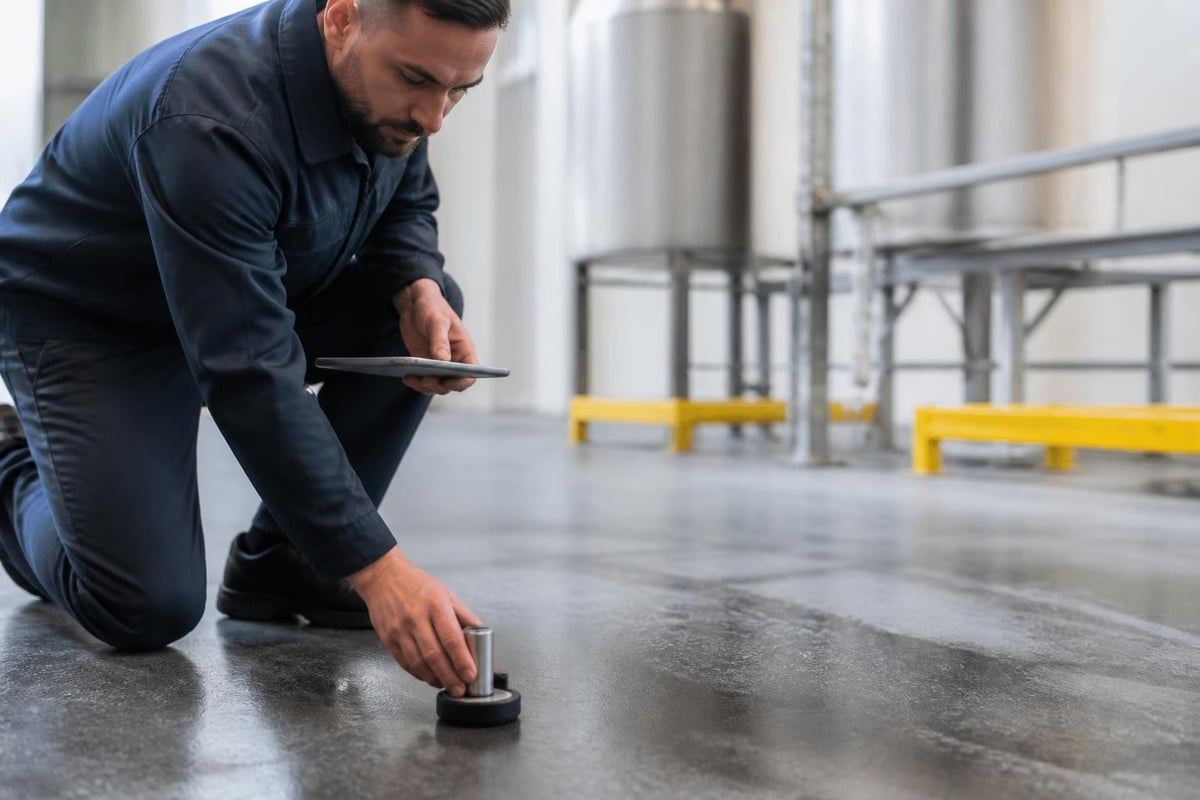
Workplace safety remains a critical priority for commercial and industrial facility managers across Australia. Slip and fall incidents account for a significant portion of workplace injuries, with many occurring on improperly specified or maintained flooring surfaces. Anti slip commercial flooring has evolved from a simple safety consideration to a sophisticated engineering solution that balances traction, durability, aesthetics, and maintenance requirements. For facility managers overseeing warehouses, factories, commercial kitchens, retail stores, and industrial workshops, understanding the technical aspects of slip resistance can mean the difference between a safe work environment and costly liability claims. This comprehensive guide explores the essential factors that determine effective anti slip commercial flooring performance in demanding commercial applications.
Understanding Slip Resistance Standards
Selecting appropriate anti slip commercial flooring begins with understanding the regulatory framework that governs workplace safety. Australian standards align closely with international testing methods, but facility managers must navigate several different rating systems when specifying flooring materials.
The primary measurement for slip resistance is the coefficient of friction (COF), which quantifies the force required to move one surface over another. Testing methods and classification systems vary by country and application, creating complexity when comparing products. The R-rating system, commonly used in Europe and increasingly referenced in Australia, classifies flooring from R9 to R13, with higher numbers indicating greater slip resistance.
Key Rating Systems Explained
Different industries and jurisdictions may reference various standards, making it essential to understand which applies to your specific application:
- R-Value Ratings: Range from R9 (minimal slip resistance) to R13 (maximum slip resistance)
- P-Value Ratings: Specifically designed for barefoot areas like commercial pool decks
- Pendulum Test Value (PTV): Commonly used in the UK and Australia for wet condition assessment
- AS/NZS Standards: Australian and New Zealand joint standards for slip resistance
The Australian regulatory framework emphasises workplace health and safety obligations that require employers to provide safe walking surfaces. For commercial and industrial facilities, this typically means achieving minimum R10 or R11 ratings in most areas, with R12 or R13 required in high-risk zones such as commercial kitchens, wet processing areas, or chemical handling facilities.
Applications Requiring Enhanced Traction
Not all commercial environments face the same slip hazard levels. Understanding your specific application helps determine the appropriate level of slip resistance needed.
| Environment Type | Recommended R-Rating | Primary Hazards |
|---|---|---|
| Retail Stores | R9-R10 | Tracked-in moisture, spills |
| Warehouses | R10-R11 | Forklift traffic, seasonal moisture |
| Commercial Kitchens | R12-R13 | Grease, water, food debris |
| Factories | R11-R12 | Oil, coolants, process fluids |
| Car Parks | R11 | Vehicle fluids, weather exposure |
Commercial kitchens present perhaps the most demanding environment for anti slip commercial flooring. Research on food industry flooring demonstrates that surfaces regularly exposed to oils, fats, and cleaning chemicals require the highest slip resistance classifications. In these settings, the flooring must maintain traction even when contaminated with organic materials that significantly reduce friction.
Manufacturing facilities and workshops face different challenges. These environments typically contain hydraulic fluids, cutting oils, and coolants that create intermittent slip hazards. The flooring specification must account for both dry conditions during normal operations and wet conditions during cleaning or when spills occur.

Warehouses and Distribution Centres
Warehouse environments require careful consideration of multiple factors beyond basic slip resistance. Forklift traffic, pallet movement, and seasonal variations in humidity all impact flooring performance.
High-traffic loading dock areas experience particular challenges. These zones transition between indoor and outdoor environments, introducing moisture, debris, and temperature fluctuations. An effective anti slip commercial flooring system in these areas must provide consistent traction across varying conditions while withstanding the mechanical loads imposed by heavy equipment.
For warehouse operations running around the clock, high-traffic flooring solutions must deliver reliable performance throughout multiple shifts. The flooring surface needs to maintain its slip-resistant properties despite continuous abrasion from foot traffic, pallet jacks, and floor scrubbers.
Achieving Anti Slip Properties in Concrete Finishes
Concrete flooring systems can be engineered to deliver excellent slip resistance through several distinct approaches. Each method creates surface texture through different mechanisms, offering varying levels of performance, aesthetics, and maintenance requirements.
Mechanical Texturing Methods
Creating slip resistance begins with the surface profile. Mechanical methods modify the concrete surface itself to generate the necessary texture:
- Broadcast Aggregates: Silica sand, aluminium oxide, or other hard aggregates broadcast into wet coatings
- Grinding Profiles: Controlled mechanical grinding creates microscopic peaks and valleys
- Chemical Etching: Acid treatments expose aggregate and create surface roughness
- Trowel Finishing: Specific trowel techniques during concrete placement create texture
The selection between these methods depends on the desired appearance, required slip resistance level, and budget constraints. Broadcast aggregate systems typically provide the highest traction levels but may create surfaces more difficult to clean. Ground or polished profiles offer easier maintenance but may require additional treatment to achieve higher R-ratings.
Coating-Based Solutions
Applied coating systems represent another pathway to achieving anti slip commercial flooring performance. These systems bond to the concrete substrate and incorporate slip-resistant properties through their formulation or added aggregates.
Epoxy flooring systems can be specifically engineered for slip resistance through carefully selected aggregate additions. When properly specified and installed, these systems provide reliable traction whilst maintaining the chemical resistance, impact tolerance, and durability that make epoxy ideal for industrial applications. The aggregate type, size, and density directly influence the final R-rating achieved.

For facilities requiring both chemical resistance and enhanced slip resistance, coating systems offer a comprehensive solution. The epoxy matrix protects the concrete from chemical attack whilst the integrated aggregates provide the necessary surface texture. This dual functionality makes epoxy coating options particularly valuable in industrial workshops and manufacturing plants.
Maintenance Considerations for Long-Term Performance
Even the best-specified anti slip commercial flooring will degrade over time without proper maintenance. Understanding how cleaning procedures, traffic patterns, and environmental factors affect slip resistance helps facility managers develop effective maintenance protocols.
Regular cleaning presents a paradox: it's essential for maintaining slip resistance by removing contaminants, yet aggressive cleaning can wear down surface texture over time. The cleaning method must be appropriate for the flooring type and the nature of soiling encountered.
Cleaning Protocol Development
Different flooring types and contamination levels require tailored cleaning approaches:
- Daily maintenance: Dust mopping or sweeping to remove dry debris
- Weekly cleaning: Wet mopping with neutral pH cleaners for general soiling
- Monthly deep cleaning: Machine scrubbing with appropriate chemicals for embedded contamination
- Periodic re-texturing: Professional restoration when slip resistance measurements decline
Inspection protocols for slip-resistant flooring should include regular testing to verify that R-ratings remain within acceptable ranges. This proactive approach identifies degradation before it creates safety hazards. Testing should occur more frequently in high-risk areas and after changes to cleaning procedures or chemical exposures.
The cleaning chemicals themselves require careful selection. Some detergents leave residues that actually reduce traction when dry. Others may chemically attack certain flooring types, accelerating wear. Working with commercial flooring specialists ensures compatibility between the floor system and maintenance products.
Cost Analysis and Return on Investment
Budget considerations play a significant role in anti slip commercial flooring decisions, but focusing solely on initial installation costs overlooks the total cost of ownership. A comprehensive financial analysis considers installation, maintenance, longevity, and liability reduction.
| Cost Factor | Short-Term Impact | Long-Term Impact |
|---|---|---|
| Initial Installation | Higher for premium systems | Amortised over lifespan |
| Maintenance | Lower with durable surfaces | Reduced labour and materials |
| Downtime | Minimal with fast-cure options | Less frequent replacement |
| Safety/Liability | Insurance compliance | Reduced incident costs |
Premium anti slip commercial flooring systems typically command higher upfront costs but deliver substantially lower total ownership costs. A facility investing in a properly specified and installed system may enjoy 15-20 years of service life, compared to 5-7 years for economy options. The annual cost calculation dramatically favours the premium approach.
Safety-Related Cost Avoidance
Beyond the direct flooring costs, slip and fall incidents impose significant financial burdens on businesses. Workers' compensation claims, productivity losses, investigation time, and potential regulatory fines all contribute to the true cost of inadequate slip resistance.
Australian workplace safety regulations impose strict obligations on employers to provide safe working environments. Facilities that experience slip incidents may face SafeWork investigations, with potential enforcement actions if flooring is found inadequate. The reputational impact of safety incidents can affect customer relationships and staff morale.
Investing in appropriate anti slip commercial flooring demonstrates due diligence in meeting safety obligations. Documentation showing proper specification based on recognised standards provides valuable evidence of reasonable precautions. This documentation proves particularly important if incidents do occur.

Design Integration Without Compromising Aesthetics
The perception that anti slip commercial flooring must sacrifice appearance for functionality no longer holds true. Modern systems deliver both safety and aesthetic appeal, particularly important in customer-facing retail environments.
Retail stores face unique challenges balancing safety with brand presentation. Solutions for commercial retail flooring demonstrate that slip resistance and visual appeal are not mutually exclusive. Polished concrete systems, for example, can achieve R10 ratings whilst providing the sleek, modern appearance that many retailers desire.
Aesthetic Options for Different Sectors
Each industry sector has distinct aesthetic requirements that influence flooring choices:
Retail Environments: Require attractive finishes that align with brand identity whilst providing customer safety. Polished or decorative systems with subtle texture meet both requirements.
Manufacturing Facilities: Prioritise durability and safety over appearance, but benefit from light-reflective finishes that improve illumination and working conditions.
Warehouses: Focus on functionality, but increasingly recognise that professional-appearing facilities improve staff morale and client impressions during site visits.
Commercial Kitchens: Must prioritise hygiene and safety, favouring seamless systems that prevent bacterial growth whilst providing maximum traction.
The finish selection process should involve key stakeholders including facilities management, safety officers, and where relevant, marketing or operations teams. Understanding priorities helps identify the optimal balance between performance characteristics and visual requirements.
Testing and Compliance Verification
Ensuring your anti slip commercial flooring meets required standards demands proper testing at multiple stages. Pre-installation product testing, post-installation verification, and ongoing maintenance testing all play crucial roles.
Manufacturers should provide independent test data showing R-ratings or COF values for their products. Understanding anti-slip ratings helps interpret these specifications and compare products accurately. Request test reports showing the specific conditions under which testing occurred, as wet and dry conditions yield different results.
Post-installation testing verifies that the installed system achieves specified performance levels. This testing should occur after the floor has fully cured but before the facility enters service. Documentation of as-installed performance provides a baseline for future maintenance testing.
Ongoing Monitoring Protocols
Regular slip resistance testing identifies degradation before it creates hazards:
- Establish baseline measurements immediately after installation
- Conduct quarterly testing in high-traffic or high-risk areas
- Test annually in lower-risk zones
- Document all results with location, date, and conditions noted
- Implement corrective action when readings fall below specifications
Public space flooring guidance emphasises the importance of maintaining documented testing records. These records demonstrate ongoing commitment to safety and provide evidence of proactive risk management.
Changes in test results over time reveal maintenance effectiveness. Declining readings indicate excessive wear, inadequate cleaning, or coating degradation. Trending this data helps predict when restoration or replacement becomes necessary, allowing planned interventions rather than reactive responses to incidents.
Installation Quality and Contractor Selection
Even the best-specified anti slip commercial flooring will underperform if improperly installed. Contractor selection and installation oversight significantly impact final results.
Proper surface preparation forms the foundation of any successful flooring installation. Concrete substrates must be properly profiled, cleaned, and dried before coating application. Contamination, moisture, or inadequate profile creates bond failures that compromise both durability and slip resistance.
Contractor Qualification Assessment
When selecting flooring contractors, evaluate multiple factors beyond price:
- Experience with similar projects: Request references from comparable facilities
- Technical certifications: Verify manufacturer training and industry certifications
- Insurance and licensing: Confirm appropriate coverage and valid Queensland licensing
- Quality control procedures: Understand testing and verification protocols
- Warranty offerings: Compare warranty terms and exclusions
Working with experienced industrial flooring specialists who understand the specific demands of commercial and industrial applications reduces risk. These contractors recognise the importance of proper substrate preparation, correct material mixing ratios, appropriate environmental conditions during installation, and adequate cure times before service.
Installation should occur under controlled conditions whenever possible. Temperature and humidity affect coating performance, particularly cure rates and final properties. Rushed installations in poor conditions frequently lead to premature failures.
Environmental Conditions and Performance
Anti slip commercial flooring performance varies with environmental conditions. Temperature, humidity, and contamination all influence traction levels, sometimes dramatically.
Wet conditions reduce slip resistance across all flooring types, though the degree of reduction varies. Surfaces achieving R11 dry ratings may drop to R9 when wet. High-specification systems maintain adequate traction across both conditions, whilst marginal systems may become hazardous when wet.
Temperature extremes affect some flooring materials more than others. Polished concrete maintains relatively consistent properties across temperature ranges, whilst some coating systems may become slightly softer in heat or more rigid in cold. Understanding these characteristics helps predict performance in facilities with significant temperature variations.
Seasonal Variations
South East Queensland facilities experience distinct seasonal weather patterns that impact flooring:
Summer storms introduce tracked-in moisture and humidity that affects traction. Entrance matting systems reduce but don't eliminate this moisture intrusion.
Winter conditions generally present lower humidity but may include morning condensation on cool concrete surfaces, particularly in facilities with temperature differentials.
Year-round humidity requires flooring systems resistant to moisture-related deterioration and capable of maintaining slip resistance in damp conditions.
Facilities with loading docks or frequent door openings face the greatest environmental challenges. These transition zones experience rapid condition changes as weather systems move through. Specifying anti slip commercial flooring for worst-case scenarios ensures year-round safety.
Special Considerations for Food Industry Applications
Commercial kitchens and food processing facilities present the most demanding environment for anti slip commercial flooring. Grease, oils, and organic materials create severe slip hazards that only the highest-performance systems can address.
Food safety regulations add another layer of complexity. Flooring must provide not only slip resistance but also seamless surfaces that prevent bacterial harbouring, chemical resistance to withstand aggressive cleaning chemicals, and durability to survive daily pressure washing and temperature extremes.
R12 or R13 ratings become essential in these environments, particularly in areas where fats and oils are present. Non-slip coating systems designed specifically for food industry applications incorporate specially selected aggregates and coating formulations that maintain traction even when contaminated.
Hygienic design principles require careful attention to floor-wall junctions, drain connections, and equipment interfaces. These details prevent water pooling and organic material accumulation that compromise both hygiene and safety. Seamless coving up walls eliminates corners where debris collects.
The cleaning intensity in commercial kitchens accelerates wear on flooring surfaces. Daily pressure washing with hot water and aggressive chemicals demands exceptional coating durability. Economy systems may require replacement every few years, whilst properly specified premium systems deliver decades of service despite harsh treatment.
Selecting and maintaining appropriate anti slip commercial flooring requires balancing multiple technical, financial, and operational factors specific to your facility's demands. The investment in properly specified, professionally installed, and well-maintained flooring systems pays dividends through enhanced safety, reduced liability, lower total ownership costs, and improved facility appearance. For commercial and industrial facilities across South East Queensland requiring expert guidance on concrete flooring solutions, Superior Concrete Finishes brings decades of specialised experience in warehouses, factories, retail stores, and commercial kitchens, delivering fully insured, QBCC-licensed installations that meet the highest safety and performance standards.

Joshua Miller has over 15 years of experience in the commercial concrete flooring industry, specialising in epoxy flooring systems and polished concrete solutions for warehouses, factories, retail spaces and commercial developments. Joshua and his team work closely with builders, property owners and facility managers across South East Queensland to deliver durable, cost-effective commercial flooring systems for warehouses, industrial facilities, commercial kitchens, retail stores and large commercial developments.
Major builders and organisations Josh has led projects on include McNab, Hutchinson Builders, IKEA, Queensland Rail, University of Queensland, ADCO, Tomkins Commercial, Bunnings, OfficeWorks, Spotlight, and Anaconda.
If you're planning a project and need advice on the best commercial concrete flooring solution, contact Josh or one of the team at Superior Concrete Finishes.
-
 info@superiorconcretefinishes.com.au
-
1300 789 740
-
Connect with Josh on
LinkedIn


 Connect with Josh on