Selecting the best commercial epoxy floor coating requires understanding your facility's specific demands, traffic patterns, and environmental conditions. Unlike residential applications, commercial and industrial environments face significantly higher mechanical stress, chemical exposure, and continuous operational demands. The right coating system delivers decades of reliable performance while minimising maintenance costs and downtime. This comprehensive guide examines the critical factors that determine coating performance, evaluates leading system types, and provides actionable insights for specifying the optimal solution for your facility.
Understanding Commercial Epoxy Floor Coating Systems
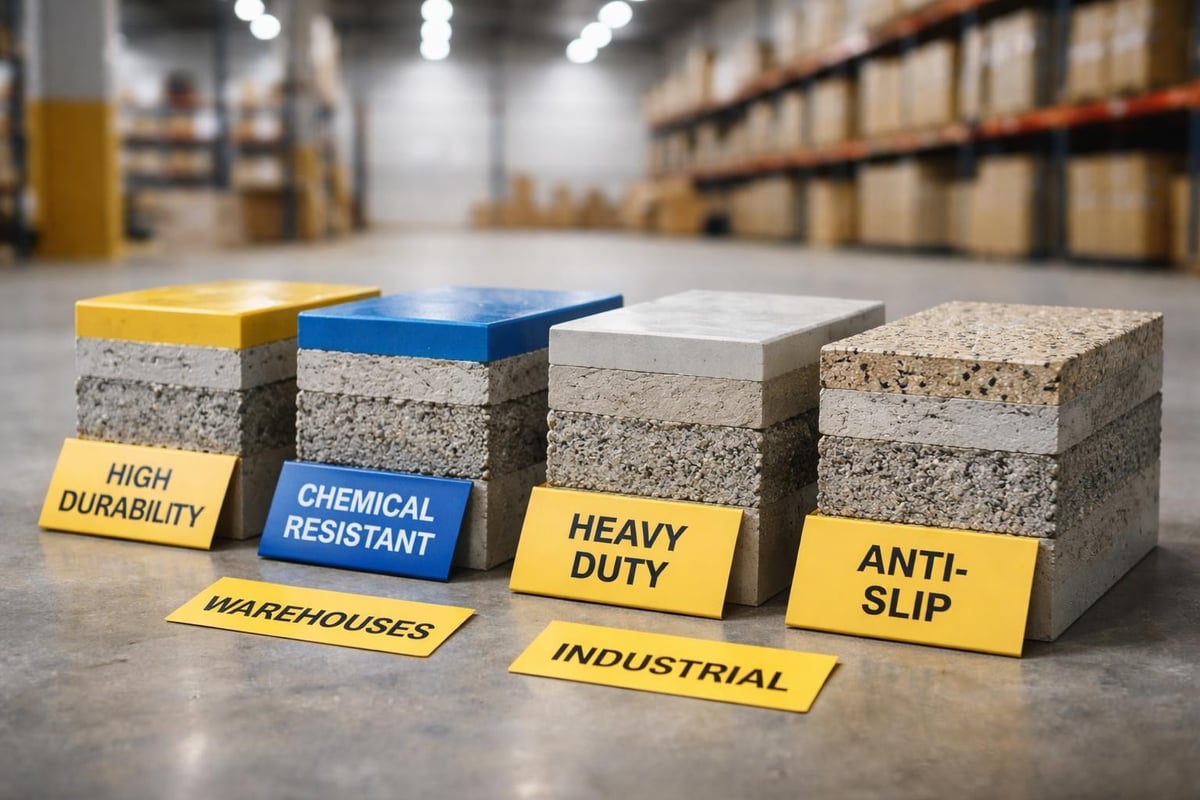
Commercial epoxy coatings differ fundamentally from consumer-grade products in their formulation, thickness, and performance specifications. Professional systems typically consist of multiple layers that work together to create a robust flooring solution.
System Components and Build-Up
A complete commercial epoxy system incorporates several distinct layers, each serving a specific function:
- Primer layer that penetrates and seals the concrete substrate
- Body coats that provide the primary thickness and structural integrity
- Optional broadcast aggregate for enhanced slip resistance
- Topcoat that delivers chemical resistance and surface durability
The total system thickness typically ranges from 2mm to 6mm for standard commercial applications, with heavy industrial environments requiring even more substantial build-ups. This contrasts sharply with thin-film coatings that measure less than 1mm and offer limited durability in demanding environments.
Key Performance Characteristics
When evaluating coating options, several performance metrics determine long-term success. Compressive strength indicates the coating's ability to withstand heavy equipment and point loads without cracking or delaminating. Chemical resistance varies significantly between formulations, with some systems designed specifically for aggressive environments like commercial kitchens or manufacturing facilities.
Abrasion resistance directly correlates with coating lifespan in high-traffic areas. Systems with superior abrasion ratings maintain their appearance and protective properties for decades, whilst inferior products show wear patterns within months. Impact resistance prevents damage from dropped tools, equipment, or materials, a critical consideration for warehouses and industrial workshops.
Types of Commercial Epoxy Coating Systems
Different epoxy formulations serve distinct commercial applications. Understanding these variations ensures optimal performance for your specific environment.
Solvent-Based Epoxy Systems
Solvent-based epoxies have historically dominated the commercial market due to their exceptional adhesion and penetration characteristics. These systems incorporate organic solvents that reduce viscosity during application, allowing deeper penetration into the concrete substrate.
| Advantage | Limitation |
|---|---|
| Superior concrete penetration | VOC emissions require ventilation |
| Excellent adhesion on marginal substrates | Extended cure times |
| Performs well in cooler temperatures | Stronger odour during application |
The deep penetration achieved by solvent-based systems creates exceptional mechanical bonds, particularly valuable when working with older concrete or substrates with variable moisture content. However, regulations around volatile organic compound (VOC) emissions have driven many commercial facilities toward alternative formulations.
Water-Based Epoxy Formulations
Water-based epoxies have evolved substantially over the past decade, now offering performance comparable to solvent systems in many applications. These formulations use water as the primary carrier, dramatically reducing VOC emissions and associated health concerns.
Modern water-based systems deliver excellent results in commercial retail environments and office spaces, where occupied application and minimal odour are priorities. They cure relatively quickly and permit same-day return to service in some configurations, reducing business disruption.
100% Solids Epoxy Systems
The best commercial epoxy floor coating for demanding industrial environments often utilises 100% solids formulations. These systems contain no solvents or water, meaning every component of the mixed product remains in the finished floor.
Benefits of 100% solids systems include:
- Zero VOC emissions during application
- Maximum film thickness per coat
- Minimal shrinkage during cure
- Superior chemical and mechanical properties
- Faster return to service times
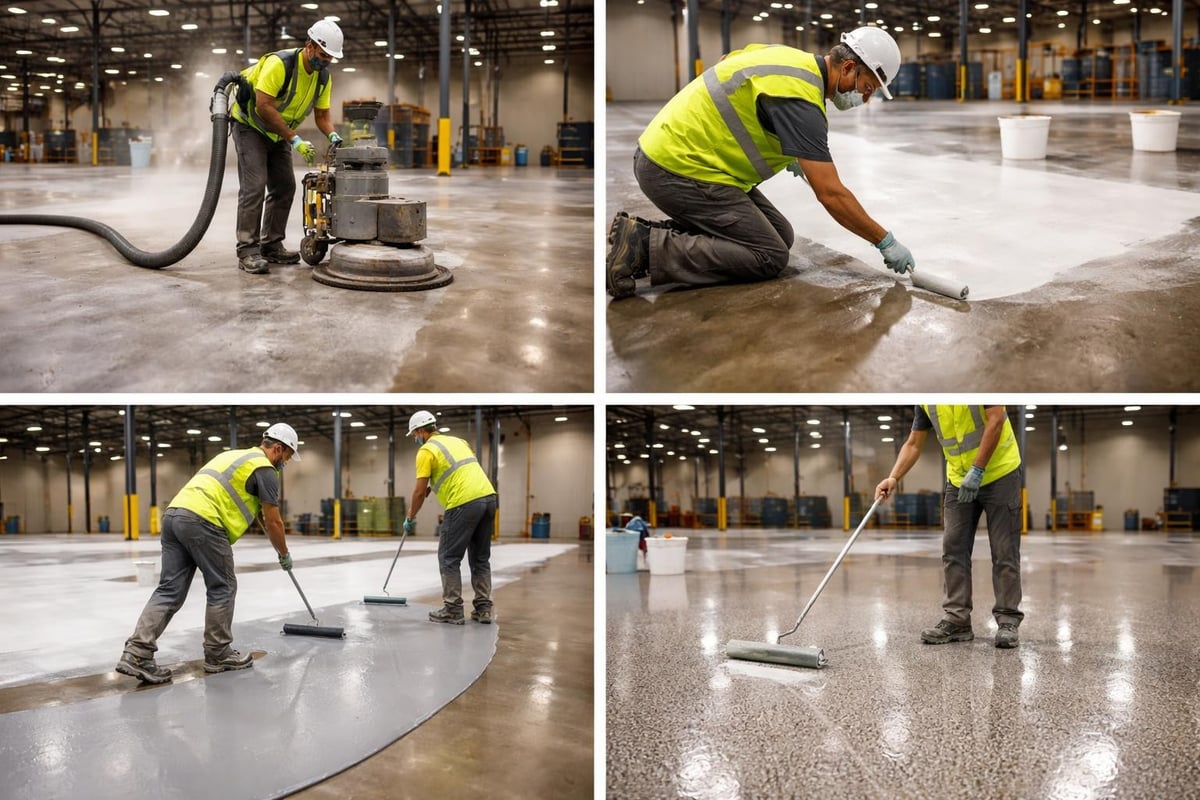
These high-performance systems require precise mixing and application by experienced professionals. Temperature sensitivity during application demands careful planning, as the material's working time decreases significantly in warmer conditions. For warehouse flooring applications, 100% solids epoxies provide the durability necessary for constant forklift traffic and heavy pallet storage.
Polyaspartic and Hybrid Systems
Polyaspartic topcoats have revolutionised commercial epoxy applications by providing UV-stable, fast-curing protection. Whilst technically polyurea-based rather than epoxy, these coatings are frequently combined with epoxy base coats to create hybrid systems that deliver exceptional performance.
The rapid cure characteristic of polyaspartic coatings allows car park installations to reopen within hours rather than days. This dramatically reduces the business impact of flooring projects, particularly valuable for facilities operating 24/7 or those with limited downtime windows.
Application-Specific Coating Selection
Different commercial environments demand tailored coating specifications. Matching the system to your operational requirements prevents premature failure and maximises return on investment.
Manufacturing and Industrial Facilities
Factory flooring endures some of the most demanding conditions imaginable. Heavy machinery, constant traffic, chemical spills, and thermal cycling from production processes all challenge the coating system.
For these environments, the best commercial epoxy floor coating typically consists of a high-build 100% solids system with chemical-resistant topcoats. Minimum thickness specifications generally start at 3mm, with heavy industrial zones requiring 5mm or greater build-ups. Aggregate broadcasting into the body coat enhances slip resistance whilst providing additional mechanical strength.
Commercial Kitchen and Food Processing
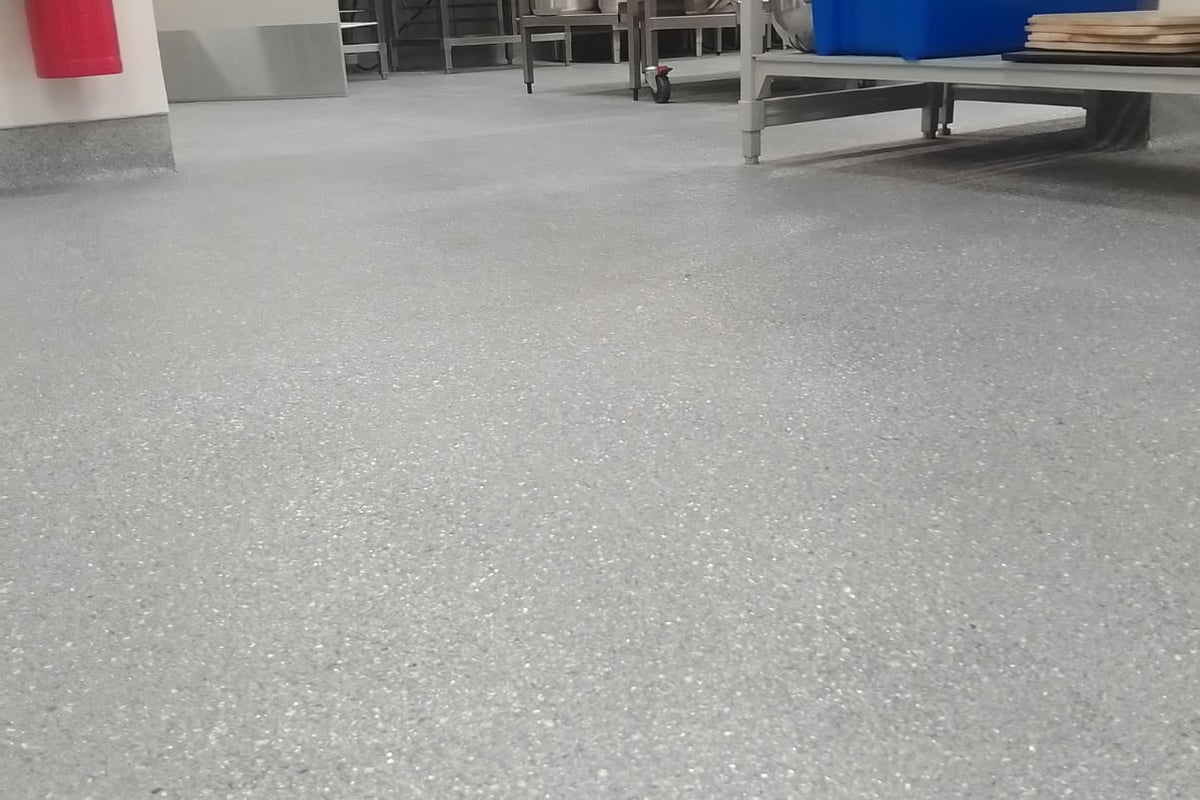
Food safety regulations impose stringent requirements on flooring systems in commercial kitchens and food processing facilities. Coatings must resist organic acids, animal fats, hot water, and aggressive cleaning chemicals whilst maintaining a hygienic, cleanable surface.
Specialised epoxy formulations for food process flooring incorporate antimicrobial additives and achieve seamless, cove-based installations that eliminate harbourage points for bacteria. These systems typically utilise modified epoxy or epoxy novolac formulations that withstand thermal shock from steam cleaning and maintain integrity under constant moisture exposure.
Warehouse and Distribution Centres
Modern warehouses present unique challenges related to concentrated point loads from racking systems, constant forklift traffic, and the need for light reflectivity to reduce energy costs. The coating system must distribute loads effectively whilst maintaining a smooth, level surface that facilitates material handling equipment operation.
Understanding the factors that can degrade warehouse floors helps inform system selection and maintenance protocols. Typical warehouse specifications call for medium-build epoxy systems (2-4mm) with high-gloss topcoats that enhance ambient lighting. Strategic placement of thicker coatings in high-traffic aisles extends overall floor life.
Retail and Commercial Spaces
Retail environments prioritise aesthetics alongside durability, requiring coatings that maintain their appearance despite customer foot traffic and cleaning regimens. The best commercial epoxy floor coating for retail applications balances visual appeal with practical performance.
Decorative options include metallic epoxies, colour blending, and custom logos or wayfinding elements incorporated directly into the floor. These installations demand meticulous surface preparation and application technique to achieve the desired aesthetic whilst ensuring adequate durability for the traffic patterns expected over the floor's service life.
Critical Specification Factors
Beyond coating type, several specification decisions dramatically impact long-term performance and cost-effectiveness.
Substrate Preparation Requirements
Proper concrete preparation represents the single most critical factor in coating longevity. The best commercial epoxy floor coating fails prematurely when applied to inadequately prepared substrates.
Essential preparation steps include:
- Mechanical profiling through diamond grinding or shot blasting
- Removal of all contaminants, laitance, and weak surface material
- Repair of cracks, joints, and surface defects
- Moisture testing to verify suitability for coating
- Alkalinity testing on new concrete slabs
The concrete surface profile (CSP) required varies by coating system, typically ranging from CSP 2 to CSP 4 for commercial applications. This profile provides the mechanical anchor necessary for coating adhesion. Shortcuts during preparation inevitably lead to delamination, blistering, or premature wear.
Thickness and Coverage Specifications
System thickness directly correlates with durability and lifespan. Cost considerations for epoxy floor installations must account for the relationship between initial investment and expected service life.
| Environment Type | Recommended Thickness | Typical Lifespan |
|---|---|---|
| Light commercial | 1.5-2.5mm | 7-12 years |
| Standard warehouse | 2.5-4mm | 12-20 years |
| Heavy industrial | 4-6mm+ | 20-30+ years |
Thicker systems cost more initially but deliver substantially lower lifecycle costs through extended service intervals and reduced maintenance requirements. For mechanical workshop flooring, investing in adequate thickness prevents the need for premature replacement.
Chemical Resistance Rating
Chemical exposure scenarios vary dramatically across commercial facilities. A coating that excels in one environment may fail catastrophically in another when exposed to incompatible chemicals.
Epoxy novolac formulations provide superior resistance to strong acids and solvents compared to standard bisphenol A epoxies. Conversely, standard epoxies often outperform novolacs in alkaline environments. Understanding your facility's specific chemical exposure profile ensures appropriate system selection.
Slip Resistance and Safety
Workplace safety regulations mandate appropriate slip resistance for commercial flooring. Achieving the required coefficient of friction whilst maintaining cleanability requires careful specification.
Broadcast aggregate applied into wet epoxy creates a textured surface with excellent slip resistance. Aluminium oxide, silica sand, or specialised polymer beads each offer different particle sizes and surface textures. The aggregate type and density directly affect both slip resistance and cleaning difficulty, requiring balance based on your facility's specific needs.
Installation Considerations and Timing
Professional installation separates successful commercial epoxy projects from problematic ones. Even the best commercial epoxy floor coating performs poorly when installed incorrectly.
Environmental Conditions During Application
Temperature and humidity dramatically affect epoxy cure characteristics and final properties. Most commercial systems specify application temperatures between 10°C and 30°C, with relative humidity below 85%.
Cold temperatures slow cure reactions and can prevent proper crosslinking, resulting in soft, underperforming coatings. Excessive heat accelerates cure, reducing working time and potentially causing application defects. High humidity introduces moisture that can cause blushing, bubbling, or adhesion failure.
Successful contractors monitor conditions continuously and adjust application schedules accordingly. In South East Queensland's variable climate, this often means scheduling installations during optimal weather windows and utilising climate control when working in enclosed facilities.
Project Timeline and Staging
Commercial facilities rarely afford extended downtime for flooring projects. Staging the installation across multiple phases maintains operational continuity whilst progressively improving the facility.
Typical project timelines include:
- Days 1-2: Substrate preparation and repairs
- Day 3: Primer application and cure
- Days 4-5: Body coat application with aggregate (if specified)
- Day 6: Topcoat application
- Day 7-10: Final cure before full loading
Fast-track systems utilising polyaspartic topcoats can compress this timeline substantially, potentially returning areas to service within 24-48 hours of project commencement. However, standard systems generally deliver superior long-term performance in heavy industrial environments.
Quality Assurance and Testing
Professional installations incorporate quality verification at each stage. Adhesion testing confirms proper bonding between coating layers and to the substrate. Thickness gauges verify that specified build-up has been achieved throughout the floor.
Post-installation testing may include slip resistance measurement, chemical resistance spot tests, and visual inspection under various lighting conditions. These quality measures ensure the installed system meets specifications and will perform as expected throughout its service life.
Maintenance and Lifecycle Management
Even the most robust coating systems require appropriate maintenance to achieve their design lifespan. Establishing proper protocols from day one maximises return on investment.
Daily and Weekly Cleaning Protocols
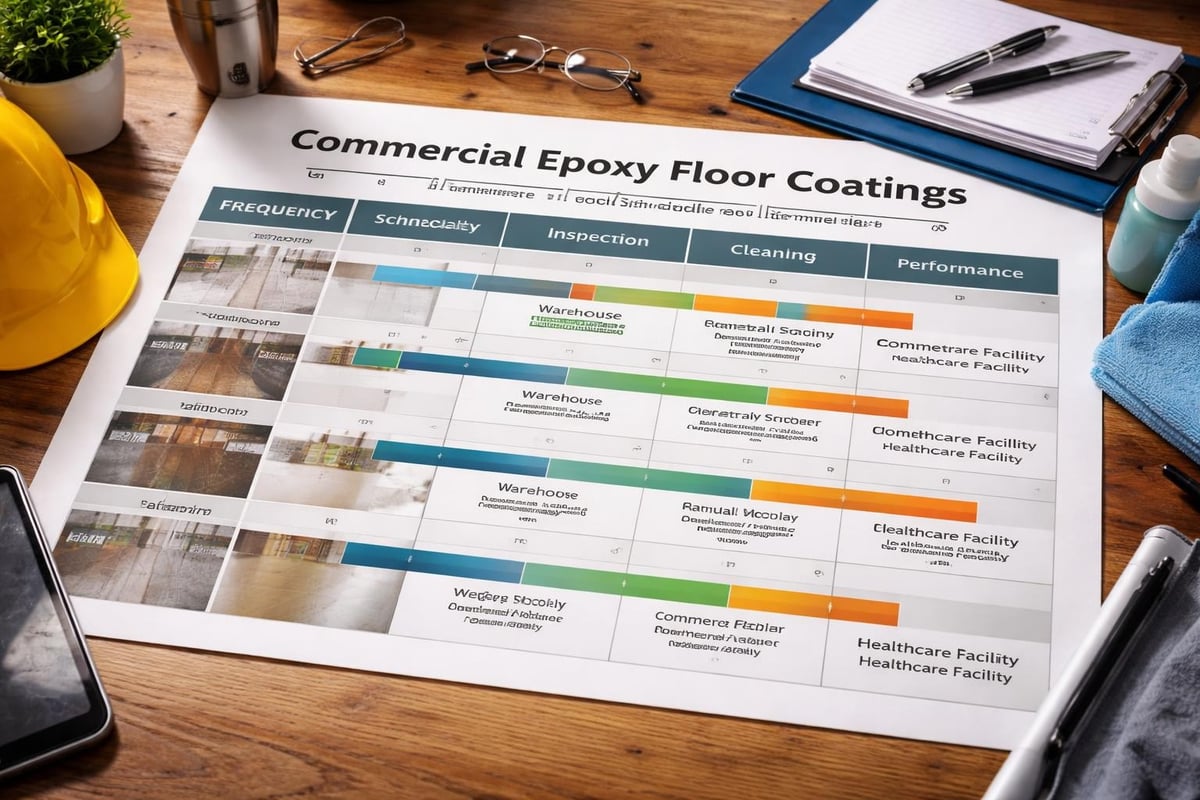
Regular cleaning prevents abrasive particle accumulation that accelerates surface wear. Dust mopping or sweeping removes sand, grit, and debris before it can be ground into the coating by traffic. Damp mopping with pH-neutral cleaners addresses spills and maintains appearance without degrading the coating.
Avoid harsh alkaline cleaners or acidic solutions unless specifically approved by the coating manufacturer. Many common industrial cleaning chemicals can slowly etch or discolour epoxy surfaces, reducing their protective properties over time.
Recognising Wear Indicators
Understanding signs that commercial floor coatings require attention prevents minor issues from escalating into costly problems. Early indicators include:
- Increased surface roughness or texture changes
- Colour fading or yellowing in UV-exposed areas
- Small surface scratches or scuff marks
- Minor delamination at edges or joints
- Reduced chemical resistance or staining
Addressing these indicators through spot repairs or recoating extends overall floor life. Waiting until wholesale failure occurs necessitates complete system replacement, multiplying costs and disruption.
Recoating and Refurbishment
Strategic recoating refreshes appearance and extends service life without the expense and disruption of complete removal and replacement. Topcoat renewal every 5-10 years, depending on traffic intensity, maintains protection whilst deferring major renovation.
When considering epoxy flooring for your commercial or industrial facility, selecting a system that balances initial performance with long-term maintainability delivers optimal lifecycle value. High-quality epoxy flooring systems installed by experienced professionals provide decades of reliable service when properly maintained.
Compliance and Certification Requirements
Commercial flooring installations must satisfy various regulatory requirements depending on the facility type and jurisdiction. In Queensland, commercial projects require compliance with relevant Australian Standards and building codes.
Australian Standards and Building Codes
AS/NZS 1884.2 specifies slip resistance testing methods for pedestrian surfaces, ensuring workplace safety compliance. Coating systems in commercial environments should achieve appropriate classifications based on their intended use and expected contamination levels.
Fire performance ratings matter in certain applications, particularly in enclosed car parks or buildings with stringent fire safety requirements. Some epoxy formulations achieve Group 1 or Group 2 fire ratings under AS/NZS 1530.3, expanding their applicability across various commercial settings.
QBCC Licensing and Professional Installation
In Queensland, commercial flooring installations require appropriate QBCC licensing, ensuring contractors maintain adequate insurance, technical competency, and financial stability. This licensing protects facility owners whilst guaranteeing professional installation standards.
Working with licensed contractors provides recourse through the QBCC dispute resolution process should issues arise. It also ensures compliance with workplace health and safety regulations during installation, protecting both workers and building occupants.
Environmental and VOC Regulations
Low-VOC and zero-VOC coating systems align with green building initiatives and workplace air quality standards. LEED certification and Green Star ratings increasingly influence coating selection in commercial developments.
Water-based and 100% solids systems facilitate compliance with environmental regulations whilst supporting corporate sustainability goals. These formulations enable occupied installations without requiring building evacuation or extensive ventilation measures.
Cost Analysis and Return on Investment
Understanding the total cost of ownership rather than simply initial installation expense reveals the true value of quality coating systems.
Initial Investment Components
Project costs encompass multiple elements beyond the coating material itself:
| Cost Component | Percentage of Total |
|---|---|
| Surface preparation | 30-40% |
| Coating materials | 25-35% |
| Labour and application | 25-35% |
| Auxiliary costs (traffic control, staging) | 5-10% |
Adequate surface preparation represents the largest variable in project costs. Facilities with well-maintained concrete require less preparation than deteriorated substrates needing extensive repair. However, cutting preparation corners to reduce initial costs inevitably leads to premature failure and higher lifecycle expenses.
Lifecycle Cost Comparison
The best commercial epoxy floor coating delivers lowest total ownership cost, not necessarily lowest installation price. A premium system costing 30% more initially but lasting twice as long provides substantially better value.
Lifecycle cost factors include:
- Installation cost amortised over service life
- Annual cleaning and maintenance expenses
- Periodic recoating or refurbishment costs
- Business disruption costs during repairs
- Replacement cost at end of service life
High-quality systems in industrial applications routinely achieve 20-30 year service lives with appropriate maintenance, whilst economy systems may require replacement within 5-10 years. This difference dramatically affects long-term costs.
Productivity and Operational Benefits
Beyond direct flooring costs, coating systems impact operational efficiency through improved lighting reflectivity, reduced dust generation, easier cleaning, and enhanced safety. These benefits deliver measurable returns through reduced energy consumption, lower cleaning costs, and decreased workplace incidents.
Facilities with high-quality flooring report fewer product damage incidents from floor defects, reduced equipment maintenance from dust and debris, and improved employee morale through enhanced workplace appearance. Whilst difficult to quantify precisely, these operational benefits contribute substantially to overall return on investment.
Selection Criteria Summary
Choosing the best commercial epoxy floor coating requires systematic evaluation of multiple factors specific to your facility and operations.
Assessment Framework
Begin by thoroughly documenting your facility's requirements:
- Traffic analysis – Type, frequency, and weight of vehicles and equipment
- Chemical exposure – Specific chemicals, concentrations, and exposure duration
- Environmental conditions – Temperature ranges, moisture, UV exposure
- Operational constraints – Available downtime, staging requirements
- Budget parameters – Initial investment and lifecycle cost expectations
- Performance priorities – Durability, aesthetics, slip resistance, cleanability
This assessment framework guides system selection by highlighting your facility's unique requirements and constraints. Generic specifications rarely deliver optimal results in commercial environments.
Engaging Qualified Contractors
Partner with experienced commercial flooring contractors who demonstrate:
- Relevant project portfolios in similar facilities
- Appropriate licensing and insurance coverage
- Technical knowledge of multiple coating systems
- Comprehensive preparation and application equipment
- Quality assurance and testing capabilities
Request detailed specifications outlining substrate preparation methods, coating system build-up, application procedures, and quality verification measures. This transparency ensures alignment between expectations and delivered results.
Long-Term Partnership Approach
View your flooring contractor as a long-term partner rather than a single-transaction vendor. Establishing ongoing relationships facilitates responsive maintenance support, consistent quality across multiple locations, and institutional knowledge about your facility's specific requirements.
Contractors familiar with your operations can schedule work during optimal windows, minimise disruption, and provide proactive maintenance recommendations that extend floor life and reduce total ownership costs.
Selecting the best commercial epoxy floor coating demands careful consideration of your facility's specific operational requirements, environmental conditions, and long-term performance expectations. The right system delivers decades of reliable service whilst supporting your business objectives through enhanced safety, productivity, and operational efficiency. For commercial and industrial facilities throughout South East Queensland requiring expert epoxy flooring solutions, Superior Concrete Finishes brings decades of specialised experience in warehouses, factories, commercial kitchens, and industrial workshops. Our team holds full QBCC licensing and insurance, ensuring professional installations that meet the demanding standards of commercial environments.

Joshua Miller has over 15 years of experience in the commercial concrete flooring industry, specialising in epoxy flooring systems and polished concrete solutions for warehouses, factories, retail spaces and commercial developments. Joshua and his team work closely with builders, property owners and facility managers across South East Queensland to deliver durable, cost-effective commercial flooring systems for warehouses, industrial facilities, commercial kitchens, retail stores and large commercial developments.
Major builders and organisations Josh has led projects on include McNab, Hutchinson Builders, IKEA, Queensland Rail, University of Queensland, ADCO, Tomkins Commercial, Bunnings, OfficeWorks, Spotlight, and Anaconda.
If you're planning a project and need advice on the best commercial concrete flooring solution, contact Josh or one of the team at Superior Concrete Finishes.
-
 info@superiorconcretefinishes.com.au
-
1300 789 740
-
Connect with Josh on
LinkedIn


 Connect with Josh on