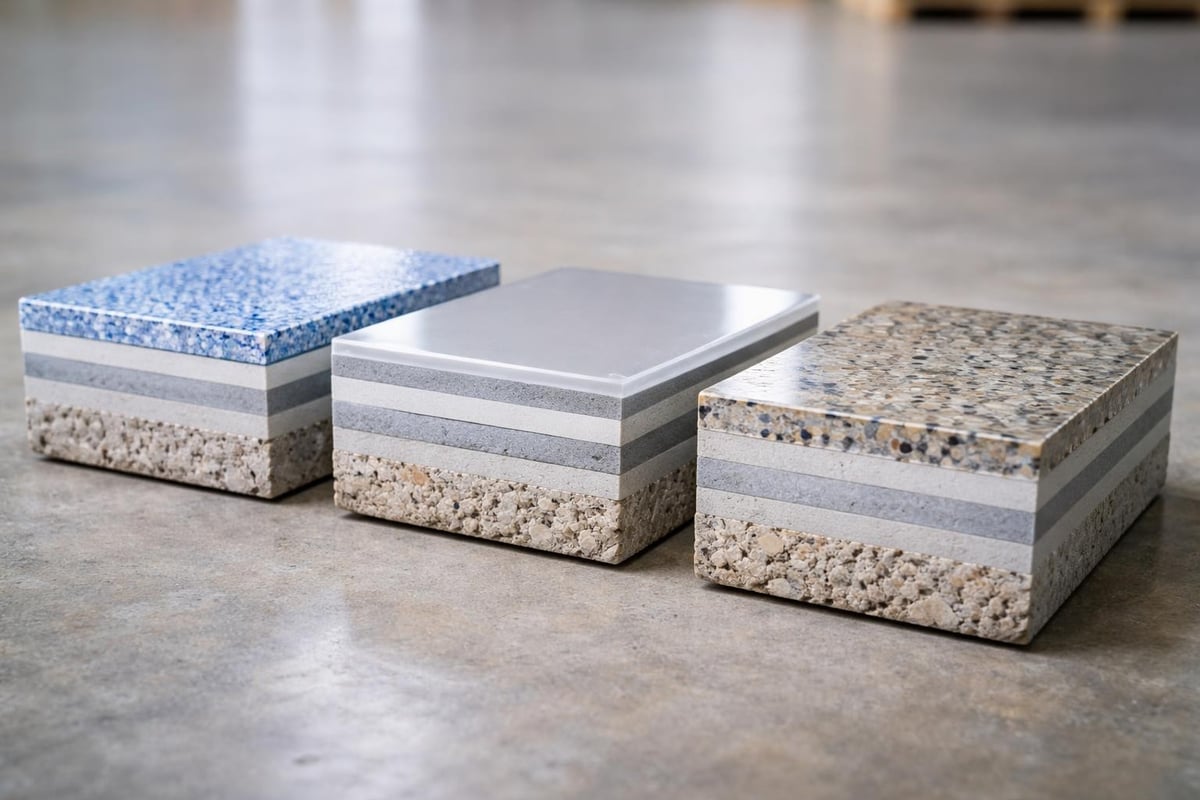
Commercial and industrial facilities across South East Queensland face relentless demands on their flooring systems. From heavy machinery traffic in warehouses to chemical exposure in factories and constant foot traffic in retail environments, bare concrete simply cannot withstand these conditions without proper protection. Commercial concrete floor coatings offer a proven solution that enhances durability, improves safety, and extends the lifespan of concrete substrates while maintaining operational efficiency. Understanding the available coating systems, their specific applications, and selection criteria enables facility managers and business owners to make informed decisions that protect their investment and support long-term operational goals.
Understanding Commercial Concrete Floor Coating Systems
Commercial concrete floor coatings represent a category of high-performance surface treatments designed specifically for industrial and commercial environments. These systems differ fundamentally from residential options through their enhanced durability specifications, chemical resistance properties, and ability to withstand heavy traffic loads.
The coating industry has established strict standards for qualification and performance benchmarks that separate commercial-grade products from consumer alternatives. These standards address everything from substrate preparation requirements to curing protocols and expected service life.
Primary Coating Chemistry Types
Different chemical formulations provide distinct performance characteristics suited to specific operational demands:
- Epoxy systems: Two-component formulations offering excellent adhesion, chemical resistance, and impact tolerance
- Polyurethane coatings: UV-stable topcoats providing superior abrasion resistance and colour retention
- Polyaspartic systems: Fast-curing formulations minimising downtime in time-sensitive installations
- Methyl methacrylate (MMA): Cold-temperature tolerant systems suitable for refrigerated facilities
- Cementitious urethanes: Thermal shock resistant coatings for extreme temperature environments
The selection between these chemistries depends on operational requirements, environmental conditions, and budget parameters. Many commercial installations utilise hybrid systems that combine multiple chemistries to optimise performance characteristics.
Performance Requirements Across Commercial Applications
Different commercial environments demand specific performance attributes from their concrete floor coatings. Warehouses prioritise impact resistance and forklift traffic durability, whilst commercial kitchens require thermal shock resistance and antimicrobial properties.
| Application Type | Primary Requirements | Recommended Systems |
|---|---|---|
| Warehouses | Impact resistance, forklift traffic, heavy loads | Epoxy, polyaspartic |
| Factories | Chemical resistance, abrasion tolerance | Epoxy, MMA |
| Retail Stores | Aesthetics, foot traffic, stain resistance | Polished concrete, decorative epoxy |
| Commercial Kitchens | Thermal shock, slip resistance, hygiene | Cementitious urethane, epoxy |
| Car Parks | UV stability, oil resistance, weathering | Polyurethane topcoat systems |
Warehouse flooring systems require particularly robust specifications given the concentrated point loads from pallet jacks and the constant abrasion from material handling equipment.
Traffic Load Considerations
Understanding traffic patterns and load specifications remains critical in coating selection. Light foot traffic demands completely different performance criteria compared to heavy forklift operations or industrial machinery movement.
Heavy traffic environments benefit from thicker coating builds, typically 3-6mm, with enhanced aggregate content for improved impact resistance. Medium traffic areas function well with standard 2-3mm systems, whilst light traffic zones may only require thin-film coatings of 0.5-1mm.
Surface Preparation Protocols
The longevity and performance of commercial concrete floor coatings depends primarily on proper substrate preparation. Industry data consistently demonstrates that coating failures stem from inadequate preparation rather than coating system deficiencies.
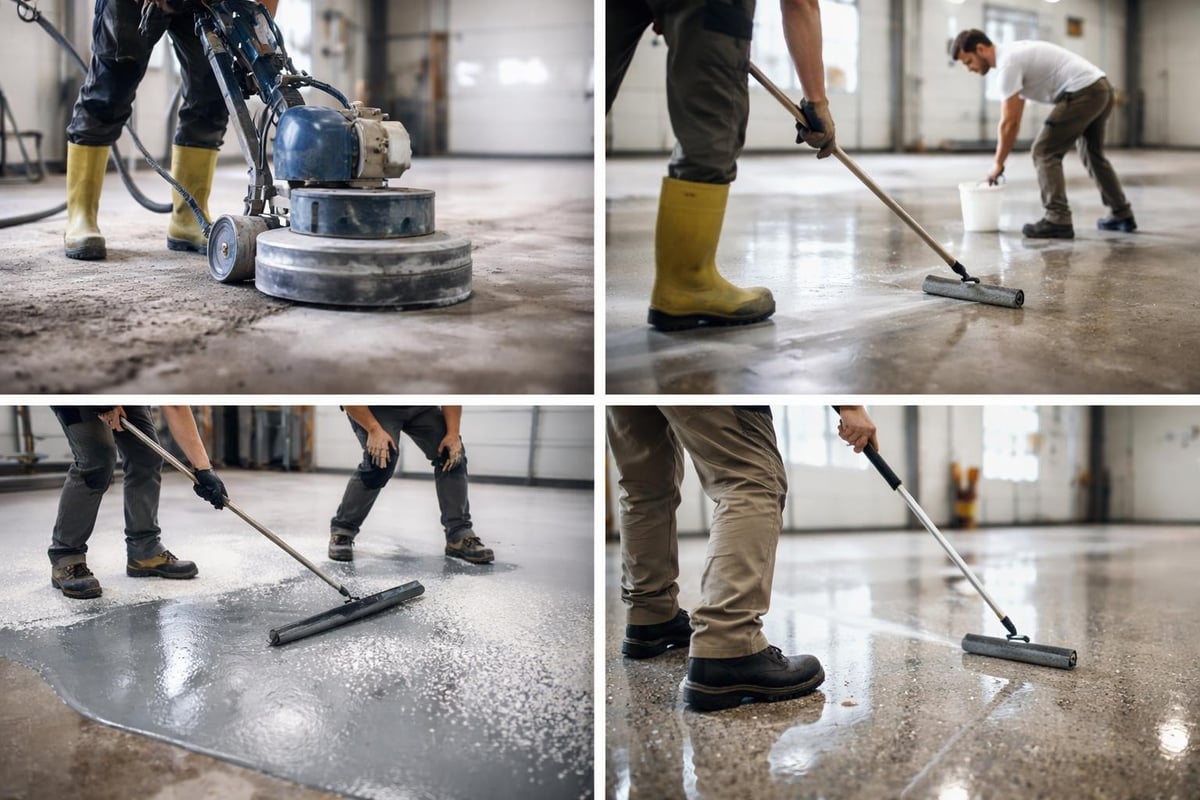
Professional preparation involves multiple sequential steps:
- Concrete assessment: Evaluating substrate strength, moisture content, and existing contamination
- Mechanical preparation: Diamond grinding or shot blasting to achieve specified concrete surface profile
- Crack and joint treatment: Repairing structural defects and filling expansion joints
- Contamination removal: Eliminating oils, greases, curing compounds, and previous coatings
- Moisture testing: Confirming substrate is within acceptable moisture parameters
- Final cleaning: Removing all dust and debris through industrial vacuuming
Understanding proper substrate preparation ensures coating systems achieve their designed service life and performance specifications.
The concrete surface profile (CSP) achieved through mechanical preparation directly impacts coating adhesion. Most commercial epoxy systems require a CSP 2-3, providing sufficient anchor pattern for mechanical bonding whilst maintaining a relatively smooth surface.
Chemical Resistance and Durability Factors
Commercial and industrial facilities frequently expose flooring to aggressive chemicals, making resistance properties a critical selection factor. Different coating chemistries provide varying levels of protection against specific chemical classes.
Chemical Compatibility Assessment
Epoxy systems generally offer excellent resistance to:
- Mineral acids (up to specific concentrations)
- Alkaline solutions
- Petroleum products and oils
- Many solvents and cleaning agents
However, concentrated acids, certain solvents, and prolonged exposure to some chemicals may degrade even high-performance epoxy coatings. Factory flooring applications often require detailed chemical exposure assessments to specify appropriate coating systems.
Polyurethane topcoats enhance chemical resistance whilst providing superior UV stability compared to epoxy alone. This combination approach has become standard practice for exposed areas like car park flooring where sunlight exposure could otherwise cause colour degradation.
Installation Timeframes and Operational Downtime
Commercial facilities cannot afford extended operational interruptions, making installation timeframes a crucial consideration in coating selection. Traditional epoxy systems typically require 5-7 days from preparation through full cure, whilst fast-track polyaspartic systems can return facilities to service within 24-48 hours.
Standard installation timeline for commercial concrete floor coatings:
- Day 1: Surface preparation and repairs
- Day 2: Primer application and cure
- Day 3: Base coat installation
- Day 4: Topcoat application
- Day 5-7: Final cure and return to service
Fast-track coating solutions have revolutionised installations in time-sensitive environments, though they typically command premium pricing and require specific environmental conditions.
Environmental conditions significantly impact curing times. Temperature, humidity, and substrate moisture all influence coating chemistry and cure rates. Professional installers adjust formulations and schedules based on site-specific conditions to ensure optimal results.
Cost Analysis and Return on Investment
Initial installation costs for commercial concrete floor coatings represent just one component of total lifecycle expenses. Comprehensive cost analysis must consider preparation requirements, coating material specifications, labour components, and long-term maintenance implications.
| Cost Component | Percentage of Total | Variability Factors |
|---|---|---|
| Surface Preparation | 30-40% | Substrate condition, contamination levels |
| Materials | 25-35% | Coating chemistry, build thickness |
| Labour | 25-35% | Complexity, site access, timeframe |
| Additional Services | 5-10% | Repairs, moisture mitigation, specialty primers |
Commercial coating projects typically range from $45-$120 per square metre depending on system specifications, site conditions, and project scale. High-performance systems for specialised environments like commercial kitchens or chemical processing facilities may exceed these ranges.
The return on investment extends beyond initial installation costs. Properly specified and installed commercial concrete floor coatings deliver:
- Extended substrate life: Protecting the underlying concrete from deterioration
- Reduced maintenance costs: Simplifying cleaning protocols and reducing frequency
- Enhanced safety: Providing slip-resistant surfaces that reduce workplace incidents
- Improved productivity: Creating brighter, cleaner work environments
- Asset value protection: Maintaining facility condition and marketability
Most commercial coating systems achieve payback within 3-5 years through combined maintenance savings and operational improvements.

Maintenance Requirements and Longevity
Commercial concrete floor coatings require systematic maintenance to achieve their designed service life. Understanding maintenance protocols prevents premature wear and extends coating performance.
Daily and Periodic Maintenance
Daily protocols include:
- Dry dust mopping or auto-scrubbing to remove abrasive particles
- Immediate spill cleanup preventing chemical exposure duration
- Traffic pattern monitoring identifying high-wear zones
Periodic maintenance involves:
- Deep cleaning with pH-neutral cleaners removing embedded contamination
- Inspection for coating damage or wear requiring attention
- Recoat scheduling for high-traffic zones showing surface degradation
Properly maintained commercial concrete floor coatings in moderate-traffic environments typically deliver 10-15 years of service before requiring complete replacement. High-traffic zones may need topcoat renewal every 5-7 years, whilst protected areas can exceed 20-year service lives.
Safety Compliance and Regulatory Considerations
Commercial facilities must address workplace safety regulations and compliance requirements when specifying concrete floor coatings. Slip resistance, chemical containment, and hygiene standards all influence coating selection and specifications.
Australian workplace safety standards mandate specific slip resistance coefficients for different applications. Wet areas require enhanced slip resistance through aggregate broadcast or texture profiles, whilst dry environments focus on maintaining adequate traction under operational conditions.
Food processing and commercial kitchen applications must comply with food safety regulations requiring seamless, easily cleanable surfaces that prevent bacterial harbourage. Cove base details and wall-to-floor transitions require specific attention in these environments.
Epoxy Flooring for Industrial Environments
Epoxy concrete flooring systems have become the dominant choice for warehouses, workshops, and industrial facilities throughout South East Queensland. These systems combine resin and hardener components creating exceptionally durable surfaces resistant to impact, chemicals, and heavy traffic.
Epoxy flooring installations provide the robust performance characteristics demanded by forklift operations, pallet jack traffic, and heavy machinery movement. The seamless nature of epoxy systems eliminates joints where debris accumulation and moisture intrusion typically occur, simplifying maintenance whilst enhancing hygiene.

Industrial epoxy systems typically utilise solid colour specifications rather than decorative flake finishes, prioritising performance and cost-efficiency over aesthetics. This approach aligns with operational requirements in warehouses and factories where functionality supersedes appearance.
Alternative Solutions: Polished Concrete Systems
Whilst coating systems dominate industrial applications, polished concrete offers compelling advantages for specific commercial environments. The mechanical grinding and polishing process creates reflective, durable surfaces without applied coatings.
Retail stores and commercial offices frequently specify polished concrete for its aesthetic appeal, low maintenance requirements, and exceptional durability under foot traffic. The natural appearance and LEED certification eligibility make polished concrete particularly attractive for environmentally conscious organisations.
However, polished concrete presents limitations in chemical exposure environments and may not provide adequate protection for facilities handling aggressive substances or requiring specific hygiene standards.
Specialised Coating Applications
Certain commercial environments demand specialised coating formulations addressing unique operational challenges:
Commercial car parks require UV-stable systems withstanding constant sunlight exposure, thermal cycling, and automotive fluid contamination. Polyurethane topcoats over epoxy basecoats provide optimal performance in these environments.
Mechanical workshops benefit from oil-resistant coatings that maintain traction despite fluid contamination whilst simplifying cleanup of dropped lubricants and fuels.
Brewery and beverage facilities need antimicrobial coatings resistant to organic acids, thermal shock from cleaning protocols, and constant moisture exposure.
Each specialised application requires careful chemistry selection, often incorporating hybrid systems that combine multiple coating technologies optimising specific performance attributes.
Quality Assurance and Professional Installation
The performance gap between properly installed commercial concrete floor coatings and substandard applications cannot be overstated. Professional installation requires comprehensive training, specialised equipment, and adherence to manufacturer specifications.
Industry authorities emphasise the importance of qualified applicators who understand substrate evaluation, moisture testing protocols, and coating chemistry behaviour under varying environmental conditions.
Quality assurance measures include:
- Substrate testing and documentation
- Environmental monitoring during installation
- Coating thickness verification
- Adhesion testing on representative areas
- Post-installation inspection and documentation
Queensland Building and Construction Commission (QBCC) licensing ensures contractors maintain professional standards, carry appropriate insurance, and demonstrate competency in commercial flooring applications. Engaging licensed contractors protects facility owners whilst ensuring compliance with building regulations.
Environmental Considerations and Sustainability
Modern commercial concrete floor coatings increasingly address environmental sustainability through low-VOC formulations, extended service life reducing replacement frequency, and contribution to LEED certification criteria.
Water-based epoxy systems and low-odour formulations enable installations in occupied facilities without extensive ventilation requirements or operational disruptions. These systems meet stringent environmental regulations whilst delivering performance comparable to traditional solvent-based coatings.
The thermal mass properties of concrete substrates combined with reflective coating systems contribute to energy efficiency through reduced lighting requirements and passive temperature regulation. High-performance coating applications can reduce lighting energy consumption by 20-30% compared to darker or non-reflective flooring alternatives.
Selection Criteria for Commercial Projects
Specifying appropriate commercial concrete floor coatings requires systematic evaluation of operational requirements, environmental conditions, budget parameters, and long-term maintenance considerations.
Decision Framework
Primary considerations include:
- Traffic type and intensity (foot traffic, forklifts, heavy machinery)
- Chemical exposure profile (types, concentrations, frequency)
- Environmental conditions (temperature ranges, moisture, UV exposure)
- Aesthetic requirements (colour, finish, reflectivity)
- Installation timeframe constraints (operational downtime limitations)
- Budget allocation (initial installation and lifecycle costs)
- Maintenance capabilities (available resources, cleaning protocols)
Commercial coating selection guides provide structured approaches to navigating these variables, though professional consultation remains invaluable for complex projects or specialised environments.
Facility managers should prioritise performance specifications over initial cost considerations. Lower-cost systems frequently require premature replacement or deliver inadequate protection, ultimately increasing total lifecycle expenses whilst compromising operational efficiency.
Future Trends in Commercial Coating Technology
The commercial concrete floor coating industry continues evolving through material science advances, application technology improvements, and sustainability initiatives. Emerging coating solutions address increasingly demanding performance requirements whilst reducing environmental impact.
Nanotechnology-enhanced coatings provide superior resistance properties in thinner film builds, reducing material consumption whilst maintaining or exceeding traditional system performance. These advanced formulations demonstrate particular promise in chemical resistance and abrasion tolerance applications.
Hybrid systems combining multiple coating chemistries in single formulations eliminate traditional multi-coat requirements, reducing installation time and labour costs whilst optimising performance characteristics. These innovations particularly benefit time-sensitive projects where operational downtime carries significant financial implications.
Smart coating systems incorporating sensors and monitoring capabilities represent an emerging frontier, enabling real-time performance tracking and predictive maintenance scheduling. Whilst currently limited to specialised high-value applications, broader adoption appears likely as technology costs decline and integration protocols standardise.
Commercial concrete floor coatings represent critical infrastructure investments that protect assets, enhance safety, and support operational efficiency across diverse commercial and industrial applications. Understanding available systems, performance characteristics, and selection criteria enables informed decisions that deliver long-term value and reliable performance. When you're ready to upgrade your commercial flooring with professional epoxy or polished concrete solutions, Superior Concrete Finishes brings decades of specialised experience to warehouses, factories, retail stores, and industrial facilities throughout South East Queensland. Our fully licensed and insured team delivers quality installations backed by comprehensive industry expertise.

Joshua Miller has over 15 years of experience in the commercial concrete flooring industry, specialising in epoxy flooring systems and polished concrete solutions for warehouses, factories, retail spaces and commercial developments. Joshua and his team work closely with builders, property owners and facility managers across South East Queensland to deliver durable, cost-effective commercial flooring systems for warehouses, industrial facilities, commercial kitchens, retail stores and large commercial developments.
Major builders and organisations Josh has led projects on include McNab, Hutchinson Builders, IKEA, Queensland Rail, University of Queensland, ADCO, Tomkins Commercial, Bunnings, OfficeWorks, Spotlight, and Anaconda.
If you're planning a project and need advice on the best commercial concrete flooring solution, contact Josh or one of the team at Superior Concrete Finishes.
-
 info@superiorconcretefinishes.com.au
-
1300 789 740
-
Connect with Josh on
LinkedIn


 Connect with Josh on