Commercial epoxy flooring systems have become the industry standard for businesses across South East Queensland seeking durable, high-performance flooring solutions. From warehouses and factories to commercial kitchens and retail spaces, these protective coatings deliver exceptional resistance to heavy traffic, chemical spills, and daily operational demands. Understanding the benefits, applications, and considerations of commercial epoxy systems helps facility managers and business owners make informed decisions about their flooring investments.
Why Commercial Epoxy Dominates Industrial Flooring
The widespread adoption of commercial epoxy in industrial settings stems from its unique chemical composition and performance characteristics. When resin and hardener components mix and cure, they create a rigid plastic material that bonds directly to concrete substrates, forming a seamless protective layer.
This chemical transformation delivers several critical advantages:
- Superior impact resistance against heavy machinery and equipment
- Exceptional compressive strength supporting forklift traffic and loaded pallets
- Chemical resistance protecting against oils, solvents, and corrosive substances
- Minimal downtime during installation compared to alternative flooring systems
- Extended service life reducing long-term replacement costs
Manufacturing facilities and distribution centres particularly benefit from these properties. The top benefits of commercial epoxy floor coatings for industrial facilities include enhanced workplace safety through slip-resistant finishes and improved light reflectivity that reduces energy consumption.
Durability Under Extreme Conditions
Commercial epoxy systems withstand punishment that would destroy conventional concrete sealing methods. Heavy forklifts, pallet jacks, and industrial equipment create point loads exceeding several tonnes per square centimetre. Traditional concrete surfaces crack, spall, and deteriorate under these conditions, generating dust and requiring frequent repairs.
In contrast, properly installed commercial epoxy distributes these loads across the bonded coating system. The flexibility within the cured epoxy allows it to absorb impacts without fracturing, while its hardness prevents indentation from concentrated loads.

Applications Across Commercial and Industrial Sectors
The versatility of commercial epoxy makes it suitable for diverse operational environments. Each sector presents unique challenges that these coating systems address effectively.
| Industry Sector | Primary Challenges | Commercial Epoxy Benefits |
|---|---|---|
| Warehousing | Forklift traffic, pallet impacts, oil leaks | Abrasion resistance, chemical protection, easy cleaning |
| Food Processing | Hygiene requirements, thermal shock, moisture | Seamless finish, bacterial resistance, washdown capability |
| Manufacturing | Chemical spills, heavy machinery, metal shavings | Chemical resistance, impact strength, dust elimination |
| Automotive Workshops | Oil contamination, tire marks, tool drops | Stain resistance, easy maintenance, professional appearance |
| Retail Environments | Customer traffic, aesthetic requirements, maintenance costs | Visual appeal, durability, low upkeep demands |
Warehouse flooring demands particular attention to traffic patterns and load-bearing requirements. Distribution centres operating 24-hour shifts need flooring that maintains performance without degradation, making commercial epoxy an economical long-term solution.
Healthcare and Pharmaceutical Facilities
Sterile environments require flooring solutions that support rigorous cleaning protocols and infection control measures. Commercial epoxy’s seamless finish eliminates grout lines and joints where bacteria accumulate, creating surfaces that meet stringent hygiene standards.
The non-porous nature of cured commercial epoxy prevents moisture absorption and microbial growth. This characteristic proves essential in pharmaceutical manufacturing, where contamination risks must be minimized throughout production areas. Healthcare and pharmaceutical facilities rely on these properties to maintain compliance with regulatory requirements.
Installation Considerations for Commercial Projects
Successful commercial epoxy installations require thorough planning and professional execution. Surface preparation determines the ultimate bond strength and longevity of the coating system.
Critical preparation steps include:
- Concrete assessment to identify structural issues, moisture problems, or contamination
- Surface profiling through mechanical grinding or shot blasting to create adequate texture
- Crack repair and joint treatment to prevent telegraphing through the coating
- Moisture testing to ensure concrete substrates meet manufacturer specifications
- Contamination removal eliminating oils, greases, and previous coatings
- Primer application when required for enhanced adhesion on challenging substrates
The timing of commercial epoxy installations affects business operations significantly. Most systems require 24 to 72 hours for full cure, during which areas remain inaccessible. Phasing installations across different zones allows facilities to maintain partial operations throughout the project.
System Selection and Thickness Requirements
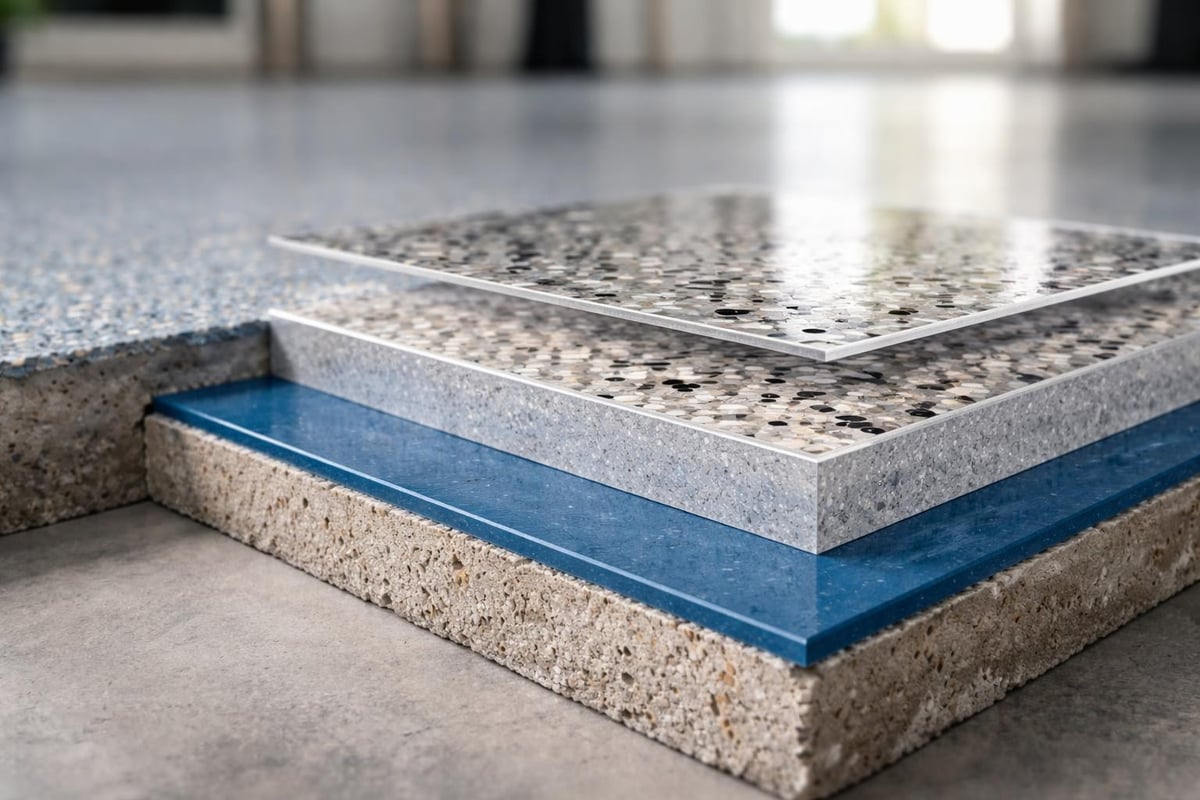
Commercial epoxy systems range from thin decorative coatings to heavy-duty industrial builds exceeding 6mm thickness. Factory flooring applications typically specify systems between 2mm and 4mm thickness, balancing performance requirements against budget constraints.
Thin-film commercial epoxy coatings (250-500 microns) suit light commercial spaces with minimal chemical exposure and moderate foot traffic. Medium-build systems (1-3mm) accommodate forklift traffic and provide enhanced chemical resistance. Heavy-duty installations (4-6mm) incorporate additional layers and may include aggregate reinforcement for extreme service conditions.
Maintenance and Lifecycle Management
One significant advantage of commercial epoxy involves its minimal maintenance requirements compared to alternative flooring systems. Regular cleaning with appropriate detergents maintains the surface appearance and performance characteristics throughout its service life.
Recommended maintenance protocols include:
- Daily dust mopping or sweeping to remove abrasive particles
- Weekly wet mopping with pH-neutral cleaners
- Prompt cleanup of chemical spills to prevent prolonged exposure
- Periodic deep cleaning using mechanical scrubbers
- Annual inspection for coating damage or delamination
Automotive workshops and mechanical workshop flooring benefit particularly from these straightforward maintenance procedures. Oil and hydraulic fluid spills wipe clean easily, preventing the staining and absorption that plague unprotected concrete.
Repair and Refurbishment Options
Despite their durability, commercial epoxy surfaces eventually show wear in high-traffic zones. Small areas of damage respond well to spot repairs, where technicians grind out the affected section and apply fresh coating material. These localized fixes restore protection without requiring complete floor replacement.
When commercial epoxy surfaces reach the end of their effective service life (typically 10-20 years depending on traffic), several refurbishment options exist. Light mechanical abrading followed by a new topcoat extends performance for an additional 5-7 years. Complete removal and replacement provides an opportunity to upgrade to enhanced systems incorporating the latest coating technologies.
Chemical Resistance Performance
The ability to withstand chemical exposure separates commercial epoxy from basic concrete sealers and coatings. Different formulations offer varying resistance levels to specific chemicals, making proper system selection critical for environments with known exposure risks.
Testing protocols evaluate commercial epoxy performance against acids, alkalis, solvents, and petroleum products. Results guide recommendations for brewery flooring, food processing facilities, and chemical storage areas where spills occur regularly.
| Chemical Category | Resistance Level | Suitable Applications |
|---|---|---|
| Weak Acids (pH 4-6) | Excellent | Food processing, dairy facilities |
| Strong Acids (pH <3) | Good to Excellent (formula dependent) | Chemical manufacturing, battery rooms |
| Alkalis | Excellent | Cleaning operations, pharmaceutical |
| Petroleum Products | Excellent | Automotive workshops, warehouses |
| Solvents | Good (coating specific) | Manufacturing, laboratories |
The benefits of epoxy flooring extend beyond simple chemical resistance to include thermal stability and resistance to thermal shock. Commercial kitchens experience dramatic temperature variations when hot equipment contacts cooler floors, conditions that cause conventional surfaces to crack and deteriorate.

Safety Features and Compliance
Workplace safety regulations influence commercial epoxy specifications significantly. Slip resistance ratings, fire resistance classifications, and VOC emissions all factor into system selection for commercial projects.
Anti-slip additives incorporated into commercial epoxy topcoats increase surface friction without compromising cleanability. Broadcast aggregates, textured rollers, or specialized additives create slip-resistant finishes meeting Australian Standards for various workplace environments. Epoxy flooring systems can be customized to achieve specific slip resistance ratings required by insurance providers and safety auditors.
Visual Safety Enhancements
Commercial epoxy also supports safety through visual communication. Different colours delineate traffic lanes, hazard zones, and pedestrian walkways within busy facilities. Line marking integrates permanently into the coating system rather than requiring painted lines that wear away under traffic.
Reflective properties inherent in commercial epoxy surfaces improve lighting efficiency by 20-30% compared to bare concrete. This enhanced illumination reduces workplace accidents related to poor visibility and lowers energy consumption by allowing facilities to reduce overhead lighting while maintaining adequate light levels.
Cost Analysis and Return on Investment
Initial commercial epoxy installation costs exceed basic concrete sealing by a significant margin. However, lifecycle cost analysis reveals substantial savings over the 15-20 year service life typical of quality systems.
Budget considerations for commercial epoxy projects include:
- Surface preparation costs (often 40-50% of total project expense)
- Material costs varying with system thickness and performance requirements
- Labour rates for qualified installers with commercial experience
- Downtime costs during installation and curing periods
- Long-term maintenance expense reductions
- Extended service life compared to alternative systems
The benefits of epoxy floor coating for commercial applications become apparent when comparing total ownership costs. Facilities replacing worn vinyl tiles every 5-7 years or repairing damaged concrete annually find commercial epoxy delivers superior value despite higher initial investment.
When specifying a durable, chemical-resistant solution for your facility, Epoxy Flooring provides the performance characteristics demanded by warehouses, workshops, and industrial environments.

Environmental Considerations in 2026
Modern commercial epoxy formulations address environmental concerns through reduced volatile organic compounds and sustainable manufacturing practices. Low-VOC and water-based systems meet increasingly stringent building regulations without sacrificing performance characteristics.
The durability of commercial epoxy contributes to sustainability by reducing material consumption over building lifespans. A single epoxy installation lasting 15-20 years eliminates multiple replacement cycles required by shorter-lived flooring alternatives, reducing waste generation and resource consumption.
Energy Efficiency Benefits
Light reflectance from commercial epoxy surfaces reduces artificial lighting requirements in warehouses and manufacturing facilities. Studies demonstrate 15-25% reductions in lighting energy consumption following commercial epoxy installations, particularly in facilities with high ceilings where light absorption by dark concrete created poor working conditions.
This improved reflectivity also enhances workplace productivity by reducing eye strain and creating more pleasant working environments. The common applications of commercial epoxy flooring continue expanding as sustainability becomes a greater priority for commercial and industrial facilities.
Colour and Aesthetic Options
While functionality drives most commercial epoxy specifications, aesthetic considerations influence selections for customer-facing areas and corporate facilities. Modern systems offer extensive colour palettes and decorative effects that balance visual appeal with performance requirements.
Epoxy flooring colours span the full spectrum, allowing designers to coordinate flooring with corporate branding or create visually distinct zones within facilities. Lighter colours enhance illumination and create spacious impressions, while darker tones conceal wear patterns in extremely high-traffic areas.
Popular commercial epoxy aesthetic approaches include:
- Solid colours in corporate shades for showrooms and offices
- Safety colours (yellow, red, green) for hazard zones and traffic management
- Neutral greys and tans minimizing visible wear patterns
- Custom colour matching for brand consistency across multiple locations
The versatility of commercial epoxy accommodates both utilitarian warehouse requirements and sophisticated retail presentations. Retail flooring applications leverage this flexibility to create attractive shopping environments that withstand the foot traffic and merchandise handling demands of commercial spaces.
System Compatibility and Substrate Requirements
Not all concrete substrates prove suitable for commercial epoxy installations. Age, condition, moisture content, and previous treatments affect adhesion and long-term performance significantly.
Newly poured concrete requires adequate curing time before commercial epoxy application. Most manufacturers specify minimum 28-day cure periods, though rapid-setting concrete mixes may allow earlier coating under specific conditions. Moisture testing confirms substrates meet dryness requirements, typically below 4% moisture content for standard epoxy systems.
Previously coated or sealed concrete presents challenges requiring removal of existing materials to expose clean concrete for proper bonding. Mechanical grinding or scarification achieves this preparation, though the additional work increases project costs. Commercial car park flooring often involves removing failed sealers before applying durable commercial epoxy systems designed for vehicle traffic.
Temperature and Humidity Impacts
Ambient conditions during commercial epoxy application affect curing chemistry and final properties. Most systems specify temperature ranges between 10°C and 30°C with relative humidity below 85%. Working outside these parameters risks incomplete curing, surface defects, or adhesion failures.
Queensland’s subtropical climate generally supports year-round commercial epoxy installations, though summer humidity occasionally requires dehumidification equipment in enclosed spaces. Winter applications proceed without the heating requirements necessary in southern Australian regions.
Emerging Technologies and Future Developments
Commercial epoxy technology continues evolving with formulations addressing specific industry needs. Antimicrobial additives incorporated into coating matrices actively suppress bacterial growth, extending the inherent hygienic properties of seamless epoxy surfaces. These enhanced systems serve healthcare facilities, food processing operations, and pharmaceutical manufacturing where contamination control remains paramount.
Rapid-cure commercial epoxy systems reduce installation downtime from days to hours, allowing 24-hour facilities to schedule installations during brief operational pauses. These advanced formulations command premium pricing but deliver significant value when downtime costs exceed material expenses.
Innovation areas shaping commercial epoxy development include:
- Enhanced UV stability for outdoor and high-sunlight applications
- Self-leveling formulations simplifying installation and reducing labour costs
- Increased film build capabilities allowing single-coat applications
- Improved moisture tolerance expanding suitable substrate conditions
- Bio-based resins reducing petroleum dependence and environmental impact
The key benefits of epoxy flooring in commercial settings will expand as these technologies mature and become commercially viable for mainstream applications. Facilities planning long-term flooring strategies should monitor these developments to capitalize on performance improvements and cost reductions.
Commercial epoxy delivers proven performance across diverse industrial and commercial applications, combining durability, chemical resistance, and low maintenance requirements that justify the initial investment. For businesses throughout South East Queensland seeking reliable flooring solutions for warehouses, factories, workshops, or commercial facilities, partnering with experienced professionals ensures optimal results. Superior Concrete Finishes brings decades of commercial flooring expertise to every project, delivering quality installations backed by comprehensive insurance and QBCC licensing.

Joshua Miller has over 15 years of experience in the commercial concrete flooring industry, specialising in epoxy flooring systems and polished concrete solutions for warehouses, factories, retail spaces and commercial developments. Joshua and his team work closely with builders, property owners and facility managers across South East Queensland to deliver durable, cost-effective commercial flooring systems for warehouses, industrial facilities, commercial kitchens, retail stores and large commercial developments.
Major builders and organisations Josh has led projects on include McNab, Hutchinson Builders, IKEA, Queensland Rail, University of Queensland, ADCO, Tomkins Commercial, Bunnings, OfficeWorks, Spotlight, and Anaconda.
If you're planning a project and need advice on the best commercial concrete flooring solution, contact Josh or one of the team at Superior Concrete Finishes.
-
 info@superiorconcretefinishes.com.au
-
1300 789 740
-
Connect with Josh on
LinkedIn


 Connect with Josh on