Commercial facilities across South East Queensland face a critical challenge: maintaining safe walking surfaces in environments where slips, trips, and falls pose constant risks. From wet commercial kitchens to busy warehouse loading bays, the right commercial non slip flooring solution can mean the difference between a safe workplace and a costly liability. Understanding the technical requirements, material options, and installation considerations helps facility managers and business owners make informed decisions that protect employees, customers, and their bottom line.
Understanding Commercial Non Slip Flooring Requirements
Workplace safety regulations in Australia mandate specific slip resistance standards for commercial environments. The Australian Standards AS 4586 and AS 4663 establish clear benchmarks for slip resistance testing, using the pendulum test method and wet pendulum test value (PTV) to classify flooring surfaces.
A PTV rating above 36 generally indicates acceptable slip resistance for commercial applications, though high-risk areas require higher ratings. Commercial kitchens, cold storage facilities, and external walkways demand flooring with PTV ratings of 50 or greater to ensure adequate safety margins.
Slip Resistance Classifications Explained
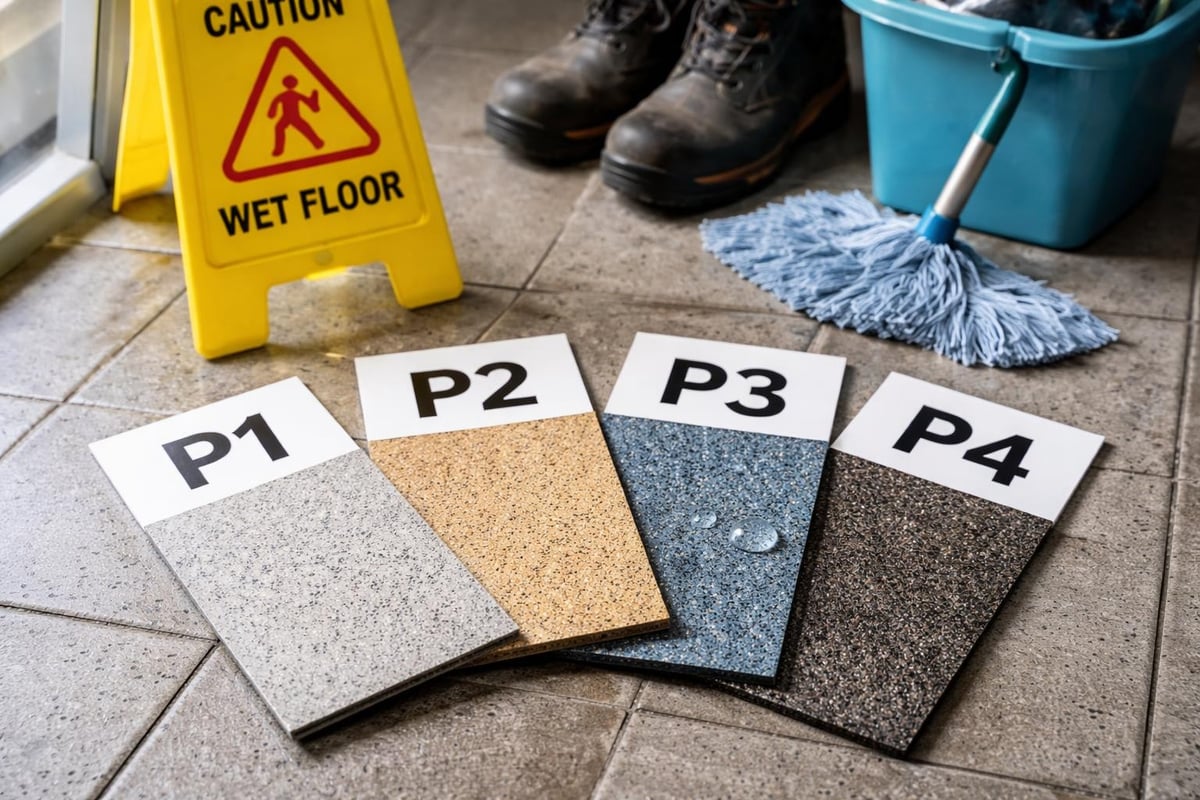
Different commercial environments require different levels of slip resistance based on expected conditions and traffic patterns:
- P0-P2: Low slip resistance, suitable only for dry internal areas with minimal risk
- P3: Moderate slip resistance for general commercial spaces
- P4: High slip resistance for wet areas and food preparation zones
- P5: Maximum slip resistance for constant wet conditions and steep ramps
The importance of slip-resistant flooring in commercial buildings extends beyond regulatory compliance. Insurance premiums, worker compensation claims, and business continuity all depend on maintaining safe floor surfaces.
Material Options for Commercial Non Slip Surfaces
Selecting the right material for commercial non slip flooring involves balancing safety performance with durability, maintenance requirements, and aesthetic considerations. Each material type offers distinct advantages for specific commercial applications.
| Material Type | Slip Resistance | Durability | Maintenance | Best Applications |
|---|---|---|---|---|
| Epoxy with aggregate | Excellent (P4-P5) | 15-20 years | Low | Kitchens, workshops, wet areas |
| Polyurethane coating | Very Good (P3-P4) | 10-15 years | Moderate | Food processing, cold storage |
| Polished concrete (textured) | Good (P2-P3) | 20+ years | Very Low | Retail, showrooms, dry warehouses |
| Anti-slip additives | Variable | Depends on base | Moderate | Carparks, loading docks |
Epoxy Systems with Anti-Slip Properties
Epoxy flooring provides exceptional slip resistance when formulated with specific aggregates or textured finishes. Broadcast aluminium oxide, silica sand, or polymer grit into the wet epoxy creates a permanently bonded anti-slip surface that withstands heavy traffic and chemical exposure.
The chemical resistance and impact durability of epoxy make it ideal for industrial flooring applications where both safety and longevity matter. Commercial kitchens, manufacturing facilities, and automotive workshops benefit from epoxy’s ability to maintain slip resistance even when contaminated with oils, greases, or water.
For facilities requiring maximum safety performance, epoxy flooring systems can achieve P5 ratings through properly selected aggregate blends and application techniques.

Installation Considerations for Maximum Safety
Proper installation determines whether commercial non slip flooring performs as designed or fails prematurely. Surface preparation, product selection, and application technique all influence the final slip resistance and longevity.
Critical Surface Preparation Steps
- Concrete assessment: Evaluate substrate moisture, strength, and existing coatings
- Profile creation: Diamond grinding or shot blasting to achieve appropriate surface profile
- Crack and joint treatment: Repair structural defects before coating application
- Contamination removal: Eliminate oils, residues, and laitance that prevent adhesion
- Moisture testing: Verify concrete moisture levels meet manufacturer specifications
Inadequate preparation accounts for the majority of commercial flooring failures. Safety standards for commercial floor coatings emphasise the relationship between proper substrate preparation and long-term performance.
The concrete profile depth directly affects coating adhesion and aggregate embedment. A coarse profile (CSP 3-4) provides optimal mechanical bonding for heavy-duty epoxy systems, whilst finer profiles suit lighter coatings.
Application Techniques for Consistent Texture
Achieving uniform slip resistance across large commercial spaces requires systematic application methods:
- Broadcast method: Scatter aggregate into wet coating for maximum coverage
- Pre-mixed systems: Combine aggregate with coating before application for controlled texture
- Multi-layer builds: Apply base coat, broadcast aggregate, then seal with topcoat
- Grooved patterns: Cut or form patterns into coating for directional slip resistance
Temperature and humidity during application affect curing characteristics and final surface properties. Most epoxy systems perform optimally between 10°C and 30°C with relative humidity below 85%.
Maintenance Strategies for Long-Term Performance
Even the highest-quality commercial non slip flooring degrades without proper maintenance. Regular cleaning, periodic inspection, and timely repairs preserve both safety performance and appearance.

Daily and Weekly Cleaning Protocols
Contamination from dirt, oils, and spills creates temporary slip hazards on otherwise safe surfaces. Establishing consistent cleaning routines removes these risks:
Daily tasks:
- Sweep or vacuum to remove loose debris
- Spot clean spills immediately with appropriate cleaners
- Damp mop high-traffic zones with pH-neutral detergent
- Inspect for damage or wear patterns
Weekly deep cleaning:
- Machine scrub entire floor surface
- Extract water and cleaning solution thoroughly
- Clean floor edges and corners manually
- Apply periodic maintenance coating if specified
The effectiveness of safety flooring in commercial environments depends significantly on removing contaminants that mask the textured surface.
Slip Resistance Testing and Documentation
Facility managers should conduct regular slip resistance testing to verify ongoing compliance and identify areas requiring attention. Portable pendulum testers provide quick, reliable measurements that document floor safety performance.
Testing frequency depends on traffic levels and contamination risk:
- High-risk areas: Quarterly testing minimum
- Moderate traffic: Semi-annual testing
- Low-risk zones: Annual verification
Document all test results, including location, date, conditions, and PTV readings. This record demonstrates due diligence and helps defend against liability claims.
Specific Applications Across Commercial Sectors
Different industries present unique challenges for commercial non slip flooring, requiring tailored solutions that address specific operational demands.
Food Processing and Commercial Kitchens
Commercial kitchens demand the highest slip resistance ratings due to constant exposure to water, oils, fats, and cleaning chemicals. Temperature extremes from cooking equipment and cold storage add further complexity.
Polyurethane cement flooring systems excel in these environments, offering:
- P5 slip resistance even when wet
- Thermal shock resistance from -40°C to 120°C
- Seamless, hygienic surfaces that prevent bacterial growth
- Chemical resistance to acids, alkalis, and sanitisers
Installation in operational kitchens requires careful planning to minimise disruption. Staged application allows continued food service whilst food processing flooring cures in sections.
Warehouse and Distribution Centres
Forklift traffic, pallet jacks, and constant movement create unique demands in warehouse environments. Commercial non slip flooring must balance traction for foot traffic with smooth operation for wheeled equipment.
Ideal characteristics:
- Moderate slip resistance (P3) for safe walking without impeding equipment
- High abrasion resistance to withstand constant traffic
- Impact resistance for dropped pallets and heavy loads
- Clear demarcation zones with different textures or colours
Loading dock areas require higher slip resistance due to weather exposure and increased contamination risk. Transition zones between interior and exterior spaces benefit from graduated texture to accommodate both conditions.
Retail Stores and Customer-Facing Spaces
Retail flooring must meet safety requirements whilst supporting brand aesthetics and customer experience. Polished concrete with strategic texturing offers an elegant solution that maintains appropriate slip resistance.
Entrance zones require special attention, as water tracked from outside creates temporary hazards. Entry mats, drainage systems, and enhanced slip resistance in these zones reduce risk without compromising the overall design vision.
Cost Considerations and Long-Term Value
Initial installation costs represent only one component of commercial non slip flooring expenses. Life-cycle analysis reveals the true economic impact of flooring decisions.
Initial Investment Breakdown
| Cost Component | Percentage of Total | Variables Affecting Cost |
|---|---|---|
| Surface preparation | 25-35% | Existing condition, repairs needed, profile requirements |
| Materials | 30-40% | Product type, thickness, aggregate specifications |
| Labour | 25-35% | Area size, complexity, access constraints |
| Site management | 5-10% | Staging requirements, operational disruption |
Premium commercial non slip flooring systems cost more initially but deliver superior long-term value through extended service life and reduced maintenance.
Return on Investment Analysis
The financial benefits of quality commercial non slip flooring extend well beyond avoiding injury claims:
- Reduced liability: Demonstrable safety compliance lowers insurance premiums
- Lower maintenance: Durable surfaces require less frequent replacement
- Operational continuity: Reliable flooring minimises disruption from failures
- Asset protection: Proper flooring preserves underlying concrete structures
- Employee productivity: Safe environments reduce absenteeism and boost morale
The commercial flooring market continues growing as businesses recognise these lifecycle advantages.
Compliance and Legal Obligations
Australian businesses bear legal responsibilities for maintaining safe premises. Understanding these obligations helps facility managers implement appropriate commercial non slip flooring solutions.
Work Health and Safety Requirements
The Work Health and Safety Act 2011 mandates that businesses provide safe workplaces, including suitable floor surfaces. Specific obligations include:
- Risk assessment: Identify slip hazards through systematic evaluation
- Hazard elimination: Install appropriate non-slip surfaces in identified risk areas
- Ongoing monitoring: Regular testing and maintenance to preserve safety performance
- Documentation: Maintain records of installations, testing, and maintenance
Failure to meet these obligations exposes businesses to significant penalties and liability. Commercial tile flooring standards provide additional guidance for specific applications.
Accessibility and Building Code Standards
The National Construction Code (NCC) and Disability Discrimination Act establish requirements for accessible commercial spaces. Slip resistance requirements for accessible paths of travel include:
- Minimum P3 rating for general circulation paths
- P4 or P5 for ramps and external areas
- Consistent texture without abrupt changes that impede mobility aids
- Appropriate contrast for visually impaired navigation
Specifying safe non-slip surfaces for commercial outdoor areas requires additional consideration of weather exposure and UV degradation.

Selecting the Right Contractor
The quality of commercial non slip flooring installation depends heavily on contractor expertise and experience. Evaluating potential contractors requires examining specific qualifications and capabilities.
Essential Contractor Credentials
Look for contractors who demonstrate:
- QBCC licensing: Valid Queensland Building and Construction Commission licence for commercial work
- Comprehensive insurance: Public liability and professional indemnity coverage appropriate for project scale
- Industry experience: Proven track record in commercial flooring installations
- Technical knowledge: Understanding of slip resistance standards, testing methods, and product specifications
- Quality systems: Documented processes for preparation, application, and quality control
References from similar projects provide valuable insight into contractor reliability and workmanship quality. Site visits to completed installations reveal long-term performance and finish quality.
Project Planning and Communication
Successful commercial flooring projects require detailed planning and clear communication between contractors and facility managers. Key planning elements include:
- Site assessment: Thorough evaluation of existing conditions and requirements
- Product selection: Matching flooring systems to specific operational needs
- Staging plan: Minimising disruption to ongoing operations
- Quality assurance: Testing protocols and acceptance criteria
- Maintenance handover: Training and documentation for ongoing care
Contractors should provide comprehensive documentation including product data sheets, safety data sheets, installation reports, and maintenance recommendations. This information supports long-term asset management and future planning.
Emerging Technologies and Future Trends
Innovation in commercial non slip flooring continues advancing, with new materials and application methods improving performance and sustainability.
Sustainable Flooring Solutions
Environmental considerations increasingly influence commercial flooring decisions. Low-VOC formulations, recycled aggregates, and extended service lives reduce environmental impact whilst maintaining safety performance.
Water-based epoxy systems eliminate hazardous solvent emissions whilst delivering comparable performance to traditional formulations. These systems suit occupied facilities requiring minimal odour during installation.
Smart Flooring Integration
Emerging technologies integrate sensors and monitoring systems into commercial flooring structures. Potential applications include:
- Traffic pattern analysis: Embedded sensors track movement and identify high-wear zones
- Predictive maintenance: Monitoring systems alert managers to developing wear before failure
- Environmental monitoring: Integrated temperature and moisture sensors protect sensitive operations
- Safety verification: Automated slip resistance monitoring ensures ongoing compliance
Whilst still emerging, these technologies promise to revolutionise commercial flooring management and safety assurance.
Regional Considerations for South East Queensland
Climate conditions in South East Queensland influence commercial non slip flooring selection and performance. Humidity, temperature variations, and seasonal weather patterns affect both installation and long-term durability.
Climate Impact on Flooring Performance
Subtropical conditions create specific challenges:
- High humidity: Affects curing times and can cause surface defects if not managed
- Seasonal moisture: Ground moisture variations require appropriate vapour barriers
- UV exposure: Outdoor and semi-enclosed areas need UV-stable formulations
- Temperature range: Year-round warm conditions accelerate chemical curing
Installation timing matters significantly in Queensland’s climate. Avoid application during extreme heat or high humidity periods when possible. Early morning installations often provide optimal conditions.
Local Code and Standard Compliance
Queensland-specific building codes and local council requirements may impose additional obligations beyond national standards. Verify local requirements before commencing projects, particularly for:
- Food handling premises requiring health department approval
- Multi-storey carparks with specific fire rating requirements
- Coastal installations exposed to salt air and enhanced corrosion risk
- Heritage buildings with preservation requirements
Commercial concrete sealing requirements in Queensland often exceed minimum national standards due to climate conditions.
Commercial non slip flooring represents a critical investment in workplace safety, operational efficiency, and long-term asset protection. By understanding slip resistance requirements, material options, and proper installation techniques, facility managers can specify solutions that protect employees whilst delivering lasting value. Our team at Superior Concrete Finishes brings decades of commercial flooring expertise to warehouses, factories, retail stores, and industrial facilities throughout South East Queensland, delivering QBCC-licensed installations that meet the highest safety and performance standards. Contact Superior Concrete Finishes to discuss your commercial flooring requirements and discover how our epoxy and polished concrete solutions can enhance safety and durability in your facility.

Joshua Miller has over 15 years of experience in the commercial concrete flooring industry, specialising in epoxy flooring systems and polished concrete solutions for warehouses, factories, retail spaces and commercial developments. Joshua and his team work closely with builders, property owners and facility managers across South East Queensland to deliver durable, cost-effective commercial flooring systems for warehouses, industrial facilities, commercial kitchens, retail stores and large commercial developments.
Major builders and organisations Josh has led projects on include McNab, Hutchinson Builders, IKEA, Queensland Rail, University of Queensland, ADCO, Tomkins Commercial, Bunnings, OfficeWorks, Spotlight, and Anaconda.
If you're planning a project and need advice on the best commercial concrete flooring solution, contact Josh or one of the team at Superior Concrete Finishes.
-
 info@superiorconcretefinishes.com.au
-
1300 789 740
-
Connect with Josh on
LinkedIn


 Connect with Josh on