Selecting the right concrete floor coating for commercial and industrial facilities represents one of the most critical decisions facility managers and business owners make. The floor surface directly impacts operational efficiency, workplace safety, maintenance costs, and overall aesthetics. With numerous coating systems available on the market, understanding the fundamental differences, application methods, and performance characteristics becomes essential for making an informed investment that will serve your facility for years to come.
Understanding Concrete Floor Coating Systems
Concrete floor coating refers to protective and decorative layers applied to concrete surfaces to enhance durability, resistance, and appearance. These specialised systems bond to the concrete substrate, creating a seamless barrier against wear, chemicals, moisture, and other environmental factors.
The chemistry behind concrete floor coating varies significantly between products. Most commercial-grade systems fall into several distinct categories, each engineered for specific performance requirements. The selection process requires careful consideration of the facility’s operational demands, traffic patterns, and exposure to chemicals or temperature fluctuations.
Primary Coating Types for Commercial Applications
Epoxy-based coatings dominate the commercial flooring sector due to their exceptional durability and chemical resistance. These two-component systems create incredibly hard surfaces capable of withstanding heavy machinery, forklift traffic, and aggressive cleaning protocols.
Polyurethane coatings offer superior UV stability and flexibility compared to epoxy alternatives. These systems excel in environments requiring high-gloss finishes and resistance to yellowing, making them popular in retail environments and showrooms.
Polyaspartic coatings represent newer technology offering rapid curing times and exceptional temperature tolerance. These fast-setting systems allow businesses to minimise downtime during installation, though they typically command premium pricing.
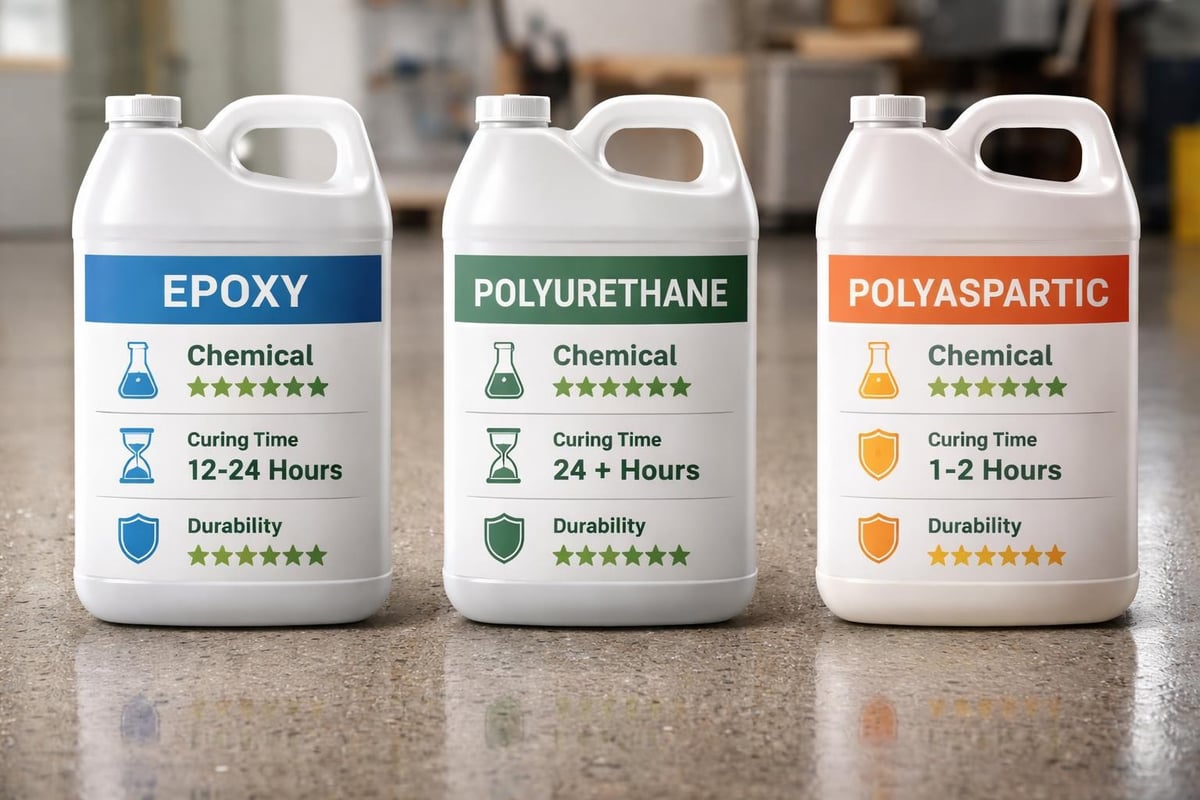
| Coating Type | Cure Time | Chemical Resistance | UV Stability | Typical Cost |
|---|---|---|---|---|
| Epoxy | 24-72 hours | Excellent | Moderate | $$ |
| Polyurethane | 12-24 hours | Good | Excellent | $$$ |
| Polyaspartic | 2-4 hours | Very Good | Excellent | $$$$ |
| Acrylic | 4-6 hours | Fair | Good | $ |
The concrete floor coating market continues expanding, with industry analyses projecting significant growth driven by increasing demand in manufacturing and logistics sectors. According to market research data, this growth reflects heightened awareness of flooring’s role in operational efficiency and workplace safety.
Critical Preparation Requirements
Surface preparation determines the ultimate success or failure of any concrete floor coating project. The concrete must be properly profiled to ensure mechanical bonding between the substrate and coating material. This non-negotiable step creates the anchor points necessary for long-term adhesion.
Diamond grinding removes surface laitance, existing coatings, and contaminants whilst creating the ideal surface profile. This method produces consistent results and allows for dust collection, making it suitable for occupied facilities. Professional contractors use planetary grinders equipped with various grit sequences to achieve optimal surface preparation.
Shot blasting provides aggressive surface profiling ideal for heavily contaminated or deteriorated concrete. This mechanical method propels steel shot at high velocity, removing surface material and creating excellent texture for coating adhesion.
Before applying any concrete floor coating, moisture testing becomes essential. Elevated moisture levels within the concrete slab can cause coating delamination, bubbling, and complete system failure. The American Concrete Institute provides comprehensive guidance on proper floor construction and coating preparation techniques.
Essential Pre-Application Considerations
Several critical factors must be evaluated before commencing any coating project:
- Substrate age and cure status (minimum 28 days for new concrete)
- Relative humidity levels within the slab
- Surface temperature and ambient conditions
- Existing coating compatibility for overlay applications
- Traffic patterns and expected chemical exposures
Proper epoxy flooring preparation directly correlates with system longevity and performance. Rushing this phase or cutting corners inevitably leads to premature failure and costly repairs.
Performance Benefits in Commercial Settings
The decision to install concrete floor coating delivers measurable returns across multiple operational dimensions. These benefits extend far beyond aesthetics, directly impacting the bottom line through reduced maintenance costs and improved safety metrics.
Enhanced chemical resistance protects the concrete substrate from acids, alkalis, solvents, and oils commonly present in manufacturing and processing environments. Without adequate protection, these substances penetrate the porous concrete, causing deterioration, staining, and structural weakness.
Increased abrasion resistance becomes particularly valuable in high-traffic zones where forklifts, pallet jacks, and heavy machinery operate continuously. Quality concrete floor coating systems withstand this mechanical wear without degrading, maintaining their protective properties and appearance.
Improved light reflectivity reduces lighting requirements in warehouses and industrial facilities. The glossy surface finish reflects overhead lighting more efficiently than bare concrete, potentially decreasing energy consumption by 20-30% in some applications.
For specialised environments like commercial kitchens and food processing facilities, food-grade flooring solutions provide antimicrobial properties and easy-to-clean surfaces that support stringent hygiene standards.
Safety and Compliance Advantages
Workplace safety improvements represent another compelling reason to invest in quality concrete floor coating. Properly specified systems incorporate anti-slip additives that maintain traction even when wet, reducing slip-and-fall incidents.
- Enhanced visibility through line marking and zone delineation
- Reduced dust generation compared to untreated concrete
- Chemical spill containment and easy cleanup
- Compliance with workplace health and safety regulations
The importance of surface texture in concrete floor coating applications cannot be overstated, particularly in environments where moisture or chemical spills occur regularly. The SSPC-CTS 1 standard provides classification criteria for evaluating concrete coating textures.

Application Methods and Techniques
Professional concrete floor coating installation requires specialised equipment, technical expertise, and strict adherence to manufacturer specifications. The application process varies depending on coating type, but certain fundamental principles remain consistent across systems.
Primer application establishes the foundation for multi-coat systems. These specialised formulations penetrate the concrete pores, sealing the surface and providing optimal adhesion for subsequent layers. Primer selection depends on substrate porosity, moisture content, and the chosen topcoat system.
Base coat installation builds thickness and provides the primary protective barrier. Application methods include roller, squeegee, or spray techniques, each suited to different product viscosities and project requirements. Maintaining proper mil thickness ensures adequate performance and longevity.
Topcoat application delivers the final wear surface and aesthetic finish. This layer must cure under controlled conditions to achieve specified hardness and chemical resistance properties. Temperature and humidity significantly influence curing rates and final performance.
For commercial epoxy flooring applications, working with experienced contractors ensures proper product selection and installation techniques tailored to specific operational requirements.
Equipment and Environmental Controls
Professional installation teams utilise industrial-grade equipment designed specifically for concrete floor coating projects:
- Planetary grinders with dust extraction for surface preparation
- Moisture metres and pH testing equipment for substrate evaluation
- Precision pumps and mixing equipment for two-component systems
- Environmental monitoring tools to track temperature and humidity
- Specialty rollers and squeegees designed for coating application
Climate control during application and curing proves critical for achieving optimal results. Most concrete floor coating systems specify narrow temperature and humidity windows for proper curing. Deviating from these parameters can result in incomplete cure, soft spots, or adhesion failures.
Industry-Specific Applications
Different commercial and industrial sectors demand unique performance characteristics from their concrete floor coating systems. Understanding these sector-specific requirements enables proper system selection and specification.
Warehouse and Distribution Centres
These facilities prioritise durability, abrasion resistance, and rapid installation to minimise operational disruption. Heavy forklift traffic, pallet drops, and continuous movement patterns demand robust coating systems capable of withstanding intense mechanical abuse.
Epoxy flooring provides an excellent solution for these demanding environments, offering the hardness and impact resistance necessary for warehouse operations whilst maintaining a professional appearance.
Manufacturing Facilities
Manufacturing environments often expose floors to chemical spills, thermal shock, and heavy machinery. The concrete floor coating system must provide comprehensive protection against these diverse threats whilst supporting easy maintenance protocols.
Chemical resistance tables help specify appropriate systems based on expected exposures. Epoxy systems generally excel against alkaline substances, whilst polyurethane coatings better resist certain solvents and acids.
Retail and Showroom Spaces
Aesthetics become paramount in customer-facing environments. Concrete floor coating in retail settings must deliver visual appeal alongside functional performance. Polished concrete offers an elegant, low-maintenance solution that creates attractive, reflective surfaces perfect for retail stores and commercial offices.

Commercial Car Parks
Underground and multi-storey car parks face unique challenges including tyre traffic, oil contamination, and moisture exposure. Concrete floor coating systems for these applications must provide excellent abrasion resistance, chemical protection, and anti-slip properties across diverse environmental conditions.
Commercial car park flooring solutions incorporate specific formulations designed to withstand the demanding conditions present in parking structures.
Maintenance and Longevity Considerations
Whilst concrete floor coating systems dramatically reduce maintenance requirements compared to bare concrete, they still benefit from regular care protocols. Proper maintenance preserves appearance, extends service life, and protects the underlying investment.
Daily cleaning involves dust mopping or autoscrubbing with pH-neutral cleaners. Harsh chemicals or abrasive cleaning methods can degrade the coating surface over time, diminishing gloss and protective properties.
Periodic maintenance includes addressing traffic wear patterns, repairing minor damage, and applying fresh topcoats in high-wear zones. Proactive maintenance proves far more cost-effective than waiting for complete system failure.
Expected service life varies considerably based on traffic intensity, chemical exposures, and maintenance practices. Quality concrete floor coating installations in moderate-use environments often perform well for 10-15 years, whilst heavy industrial applications may require recoating at 5-7 year intervals.
Common Maintenance Protocols
| Frequency | Task | Method | Products |
|---|---|---|---|
| Daily | Dust removal | Dust mop or sweep | Microfibre mops |
| Weekly | Wet cleaning | Autoscrubber | pH-neutral cleaner |
| Monthly | Spot treatment | Manual scrubbing | Degreaser (approved) |
| Annual | Deep clean | Machine scrub | Specialty cleaner |
| As needed | Damage repair | Patch and blend | Matching coating |
Understanding how to maintain epoxy floors properly ensures maximum return on investment and sustained performance throughout the coating’s service life.
Specification and Selection Guidelines
Developing comprehensive specifications for concrete floor coating projects requires balancing performance requirements, budget constraints, and installation timelines. The specification process should engage all stakeholders including facility managers, maintenance personnel, and safety officers.
Performance criteria must align with actual operational conditions. Over-specification wastes resources, whilst under-specification leads to premature failure and costly remediation. Key performance metrics include:
- Compressive strength requirements
- Chemical resistance parameters
- Slip resistance coefficients
- Abrasion resistance values
- Cure time constraints
The guide for specifying concrete floors offers detailed recommendations for creating comprehensive project specifications that ensure high-quality outcomes.
Selecting Qualified Contractors
Contractor selection significantly influences project success. When evaluating potential commercial epoxy flooring contractors, consider these essential qualifications:
- Industry certifications and manufacturer training credentials
- Comprehensive insurance coverage and licensing
- Portfolio demonstrating relevant project experience
- References from similar commercial or industrial projects
- Quality assurance processes and warranty offerings
In Queensland, ensure contractors hold appropriate QBCC licensing and maintain current insurance coverage. These credentials protect facility owners from liability whilst ensuring work meets regulatory standards.
Cost Factors and Budget Planning
Concrete floor coating project costs vary widely based on numerous variables. Understanding these cost drivers enables accurate budget development and value comparison between competing proposals.
Material costs fluctuate based on coating type, thickness requirements, and specialty additives. Premium polyaspartic systems command significantly higher material costs than standard epoxy formulations, though faster cure times may offset labour expenses.
Preparation expenses often represent 40-60% of total project costs. Extensive grinding, shot blasting, or crack repair increases these costs, but adequate preparation remains non-negotiable for successful outcomes.
Labour rates vary by region and contractor expertise. Experienced commercial flooring specialists typically charge premium rates justified by superior workmanship and reduced risk of callbacks.
Total installed costs for commercial concrete floor coating typically range from $40-150 per square metre depending on system complexity, substrate conditions, and project size. Obtaining detailed quotations from multiple qualified contractors enables informed decision-making.
Long-Term Value Analysis
When evaluating concrete floor coating investments, consider total cost of ownership rather than initial installation expense alone:
- Reduced maintenance labour and material costs
- Extended substrate service life through protection
- Energy savings from improved light reflectivity
- Decreased workplace injury claims from improved safety
- Enhanced property value and tenant appeal
These factors often justify premium coating systems in high-value or critical-use facilities where downtime carries significant cost implications.
Emerging Technologies and Trends
The concrete floor coating industry continues evolving with innovative formulations and application technologies. Staying informed about these developments helps facility managers make forward-thinking flooring decisions.
Antimicrobial additives incorporated into concrete floor coating systems provide continuous surface protection against bacteria, mould, and fungi. These specialised formulations prove particularly valuable in healthcare, food processing, and pharmaceutical manufacturing environments.
Moisture mitigation technologies enable coating application over concrete with elevated moisture levels previously considered unsuitable. These advanced primers and membranes expand the range of substrates that can receive protective coating systems.
Sustainability initiatives drive development of low-VOC and solvent-free concrete floor coating formulations. These environmentally responsible products maintain performance whilst supporting green building certifications and improved indoor air quality.
Smart coating systems incorporating sensors and data transmission capabilities represent the cutting edge of flooring technology. These systems monitor floor conditions, wear patterns, and maintenance needs, enabling predictive maintenance strategies.
The broader industrial concrete flooring sector continues advancing, with new products and techniques regularly entering the market to address evolving performance requirements.
Selecting and maintaining appropriate concrete floor coating systems directly impacts operational efficiency, safety performance, and long-term facility costs across commercial and industrial environments. Whether your facility requires chemical-resistant surfaces for manufacturing operations, durable floors for warehouse logistics, or attractive finishes for retail spaces, the right coating system delivers measurable value. At Superior Concrete Finishes, our team brings decades of commercial flooring expertise to projects throughout South East Queensland, helping businesses protect their concrete investments whilst creating functional, safe work environments. Contact us to discuss how our epoxy flooring and polished concrete solutions can transform your facility’s flooring performance.

Joshua Miller has over 15 years of experience in the commercial concrete flooring industry, specialising in epoxy flooring systems and polished concrete solutions for warehouses, factories, retail spaces and commercial developments. Joshua and his team work closely with builders, property owners and facility managers across South East Queensland to deliver durable, cost-effective commercial flooring systems for warehouses, industrial facilities, commercial kitchens, retail stores and large commercial developments.
Major builders and organisations Josh has led projects on include McNab, Hutchinson Builders, IKEA, Queensland Rail, University of Queensland, ADCO, Tomkins Commercial, Bunnings, OfficeWorks, Spotlight, and Anaconda.
If you're planning a project and need advice on the best commercial concrete flooring solution, contact Josh or one of the team at Superior Concrete Finishes.
-
 info@superiorconcretefinishes.com.au
-
1300 789 740
-
Connect with Josh on
LinkedIn


 Connect with Josh on