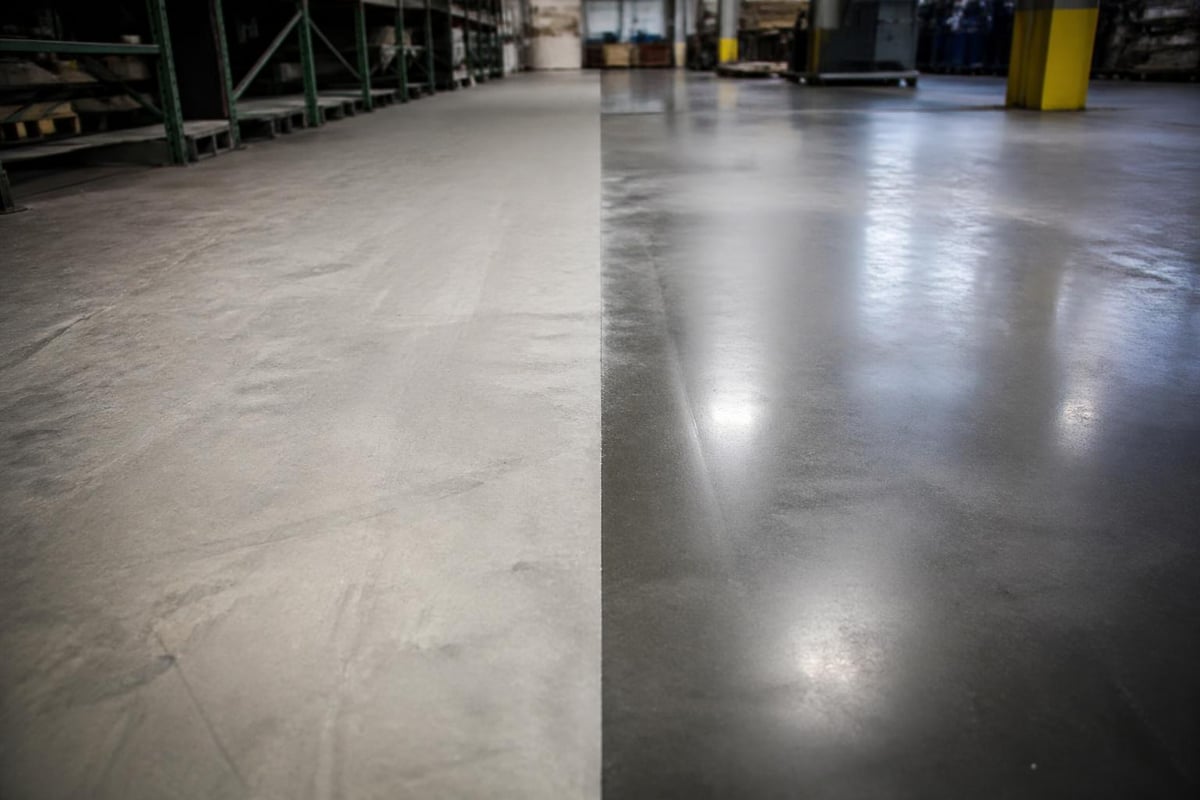
Concrete floor dust is a persistent challenge facing facility managers, warehouse operators, and business owners across commercial and industrial properties. This fine, powdery residue that continuously accumulates on concrete surfaces isn't just an aesthetic nuisance – it represents a fundamental structural issue that can compromise workplace safety, damage equipment, and indicate underlying problems with the concrete slab itself. Understanding the root causes of concrete floor dust and implementing effective prevention strategies is essential for maintaining productive, safe, and professional commercial environments throughout South East Queensland and beyond.
Understanding What Causes Concrete Floor Dust
The phenomenon of concrete floor dust stems from a process called dusting or chalking, where the surface layer of concrete deteriorates into fine particles. This breakdown occurs when the top layer of the concrete slab lacks sufficient strength and cohesion, causing it to disintegrate under normal traffic and use.
Several primary factors contribute to this deteriorating condition:
- Excessive water content in the concrete mix during installation
- Premature finishing operations before bleed water has properly evaporated
- Inadequate curing procedures following concrete placement
- Poor-quality concrete mix with incorrect ratios of cement to aggregate
- Carbonation of the concrete surface due to environmental exposure
The Science Behind Surface Deterioration
When concrete is mixed with too much water, the excess moisture rises to the surface during the curing process. Over-watering and improper finishing techniques weaken the cement paste at the surface level, creating a fragile layer that easily breaks down into dust particles.
The water-cement ratio plays a critical role in concrete strength. A higher ratio means more water relative to cement, which dilutes the binding compounds and creates a porous, weak surface layer. When this compromised surface experiences foot traffic, forklift movement, or even simple environmental factors, it begins to powder and release concrete floor dust.
Bleed water presents another significant challenge. This phenomenon occurs when water in the concrete mix rises to the surface before the concrete sets. Finishing operations during bleed water presence traps moisture beneath the surface, preventing proper bonding and creating a weak top layer destined to dust.
Common Environments Affected by Concrete Floor Dust
Commercial and industrial facilities experience concrete floor dust issues at varying severity levels depending on their operational demands and environmental conditions.
| Facility Type | Dust Severity | Primary Causes |
|---|---|---|
| Warehouses | High | Heavy traffic, age, inadequate sealing |
| Manufacturing Plants | Very High | Chemical exposure, mechanical stress |
| Retail Stores | Moderate | Foot traffic, climate control variations |
| Commercial Carparks | High | Vehicle traffic, moisture, temperature cycles |
| Workshop Facilities | Very High | Impact, abrasion, oil contamination |
Warehouses and Distribution Centres
Warehouse flooring endures constant punishment from forklifts, pallet jacks, and heavy inventory movement. The repetitive mechanical action gradually wears away at untreated concrete surfaces, accelerating the dusting process and creating persistent maintenance challenges.
Manufacturing and Industrial Workshops
Workshop environments face particularly aggressive conditions. Chemical spills, metal shavings, dropped tools, and machinery vibrations all contribute to accelerated concrete deterioration. Without proper protection, concrete floor dust becomes an operational constant rather than an occasional inconvenience.
Health and Safety Implications
Concrete floor dust represents more than a cleaning inconvenience – it poses genuine health and operational risks that commercial facilities cannot afford to ignore.
Respiratory concerns top the list of health implications. Fine concrete dust particles become airborne easily, particularly in facilities with forklift traffic or HVAC systems. Workers breathing this dust regularly may experience respiratory irritation, and prolonged exposure raises concerns about silica dust inhalation, though concrete floor dust typically contains lower silica concentrations than cutting or grinding dust.
Operational Impact
The presence of concrete floor dust creates several operational challenges:
- Equipment contamination and increased maintenance requirements
- Compromised product quality in manufacturing environments
- Slip hazards when dust combines with moisture
- Professional appearance deterioration in customer-facing spaces
- Increased cleaning labour and associated costs
Commercial kitchens and food processing facilities face particularly stringent concerns. Concrete floor dust in these environments can contaminate food products and violate health code requirements, potentially leading to facility shutdowns or failed inspections.
Prevention Strategies During Concrete Installation
Preventing concrete floor dust begins long before a facility experiences problems – it starts with proper installation practices and quality control measures during the initial concrete placement.
Proper Mix Design
Working with experienced concrete suppliers who understand commercial flooring requirements ensures appropriate water-cement ratios and aggregate specifications. Proper curing procedures and surface hardeners established during installation create stronger, more durable surfaces resistant to dusting.
Key installation considerations include:
- Maintaining water-cement ratios below 0.50 for commercial applications
- Allowing complete bleed water evaporation before finishing operations
- Implementing proper curing procedures for minimum 7 days
- Avoiding calcium chloride accelerators that weaken surface layers
- Protecting newly placed concrete from premature drying
Finishing Techniques
Professional finishers understand the critical timing required for concrete surface finishing. Premature troweling traps bleed water beneath the surface, whilst delayed finishing can prevent proper surface densification. This delicate balance requires experience and attention to environmental conditions affecting concrete set times.
Solutions for Existing Concrete Floor Dust Problems
Facilities already experiencing concrete floor dust have several remediation options, ranging from simple surface treatments to complete floor replacement.
Surface Hardeners and Densifiers
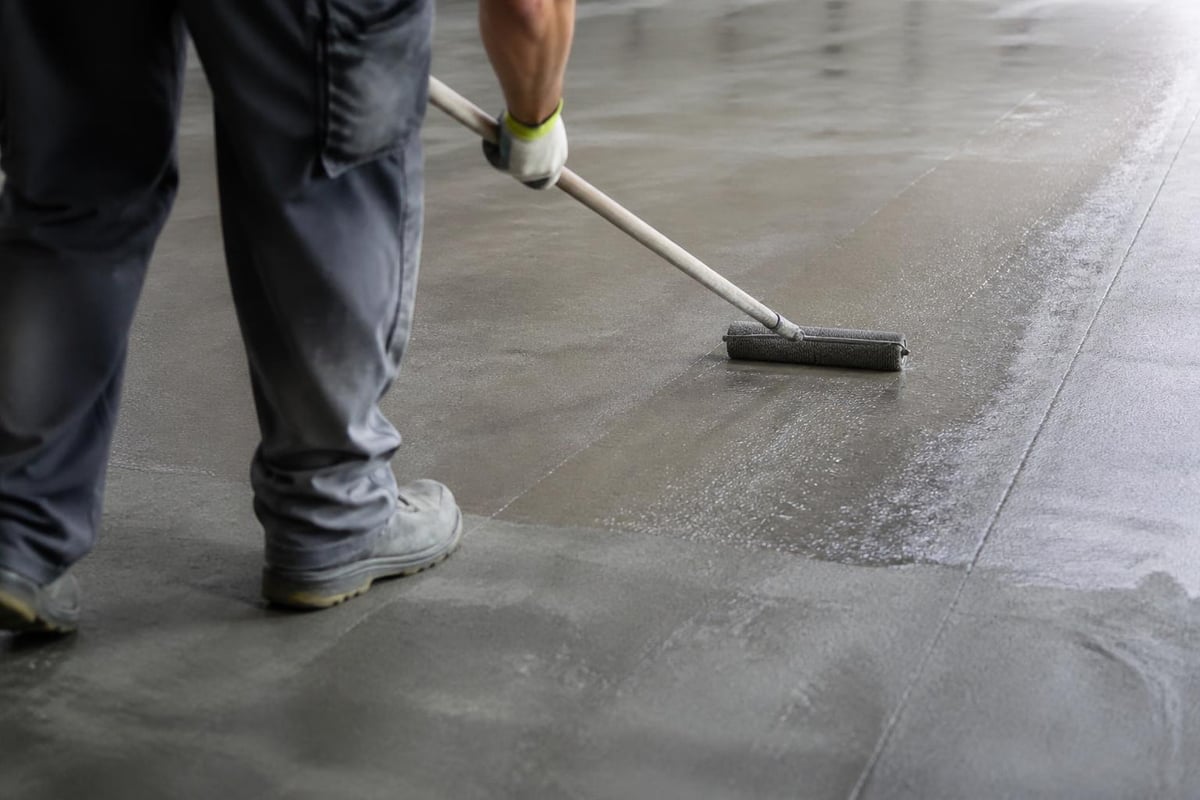
Lithium-based concrete hardeners penetrate the concrete surface and chemically react with free lime to create harder, denser surface layers. Concrete hardeners offer a simple fix for dusty workshop floors by strengthening the existing concrete rather than simply coating it.
These products work particularly well for mild to moderate dusting issues where the underlying concrete remains structurally sound. The treatment is relatively economical and can extend floor life significantly.
Protective Coating Systems
For more severe concrete floor dust problems, protective coating systems provide comprehensive solutions that both seal the deteriorating surface and create durable working surfaces suited to commercial demands.
Epoxy flooring systems offer exceptional protection against dusting whilst providing additional benefits including chemical resistance, impact tolerance, and easy maintenance. These systems completely encapsulate the concrete surface, preventing dust generation and creating a seamless, professional finish suitable for warehouses, workshops, and manufacturing facilities.

| Solution Type | Durability | Cost | Best Applications |
|---|---|---|---|
| Surface Hardeners | 5-10 years | Low | Mild dusting, light traffic |
| Epoxy Coatings | 10-20 years | Moderate | Heavy traffic, chemical exposure |
| Polished Concrete | 15-25 years | Moderate-High | Retail, offices, showrooms |
| Polyurethane Systems | 15-20 years | High | Food processing, extreme conditions |
Polished Concrete Solutions
For facilities prioritizing aesthetics alongside dust control, polished concrete offers an elegant solution. The grinding and polishing process removes the weak surface layer entirely, exposing stronger concrete beneath whilst creating a dense, reflective finish. This approach works particularly well in retail environments where appearance matters alongside functionality.
Maintenance Practices to Minimize Dusting
Even properly installed and treated concrete benefits from appropriate maintenance practices that extend floor life and minimize dust generation.
Regular Cleaning Protocols
Implementing systematic cleaning routines prevents dust accumulation and reduces the abrasive action that accelerates surface deterioration. However, cleaning methods matter significantly:
- Avoid harsh chemicals that can degrade concrete surfaces
- Use dust-control mops rather than dry sweeping that disperses particles
- Implement regular scrubbing with appropriate pH-neutral cleaners
- Consider automated scrubbers for large commercial spaces
Traffic Management
Strategic traffic pattern management reduces concentrated wear in specific areas. Designating forklift lanes, implementing speed restrictions, and using appropriate tires all minimize mechanical stress on concrete surfaces.

When to Consider Professional Assessment
Certain conditions warrant professional evaluation rather than DIY remediation attempts. Facility managers should seek expert assessment when:
- Concrete floor dust persists despite regular cleaning
- Surface deterioration accelerates noticeably
- Visible cracks or spalling accompany dusting
- Previous treatment attempts have failed
- Operational requirements demand reliable solutions
Professional concrete flooring specialists bring diagnostic equipment and experience that identifies underlying causes beyond surface symptoms. Understanding why concrete floors become dusty requires evaluating factors including concrete age, installation quality, environmental conditions, and usage patterns.
Cost Considerations and Return on Investment
Addressing concrete floor dust represents an investment in facility operations, employee health, and long-term asset value. Understanding the financial implications helps facility managers make informed decisions.
Direct Costs
Treatment costs vary based on facility size, dust severity, and chosen solutions:
- Surface hardeners typically cost $2-5 per square metre
- Epoxy coating systems range from $40-80 per square metre depending on specifications
- Polished concrete averages $50-100 per square metre for commercial applications
- Complete floor replacement exceeds $100 per square metre in most cases
Hidden Cost Savings
The return on investment extends beyond initial treatment costs. Properly maintaining warehouse floors reduces:
- Labour hours spent on repeated cleaning
- Equipment maintenance from dust contamination
- Product losses from contamination
- Potential liability from slip hazards
- Professional cleaning service frequency
Many commercial facilities report ROI within 2-3 years through reduced operational costs and extended equipment life.
Environmental Factors Affecting Concrete Dust
External conditions significantly influence concrete floor dust generation and severity, particularly in facilities with varied environmental exposure.
Moisture fluctuations create expansion and contraction cycles that stress concrete surfaces. Queensland's humid subtropical climate presents particular challenges with seasonal variations affecting concrete condition. Facilities with open loading docks or inadequate climate control experience accelerated deterioration.
Temperature cycling similarly stresses concrete through thermal expansion. Commercial carpark flooring faces extreme temperature variations between day and night, winter and summer, accelerating surface breakdown in untreated slabs.
Chemical Exposure
Industrial facilities often expose concrete to chemicals that accelerate dusting. Acids, solvents, oils, and cleaning agents can all degrade concrete surfaces, particularly when the concrete lacks proper protective treatments. Factory flooring must withstand these aggressive conditions whilst maintaining structural integrity.
Selecting the Right Solution for Your Facility
No universal solution addresses all concrete floor dust situations. The optimal approach depends on facility-specific factors requiring careful evaluation.
Assessment Criteria
Consider these factors when evaluating treatment options:
- Traffic intensity and type (foot traffic, forklifts, heavy equipment)
- Chemical exposure risks specific to your operations
- Downtime tolerance for installation and curing
- Budget constraints for initial investment and lifecycle costs
- Aesthetic requirements for customer-facing versus back-of-house areas
- Future operational plans that might affect flooring needs
Professional Consultation Value
Experienced commercial flooring specialists provide value beyond product installation. They assess substrate conditions, identify potential complications, recommend appropriate systems, and ensure proper installation that delivers long-term performance.
Working with QBCC licensed contractors ensures compliance with Australian building standards whilst providing recourse if installation issues arise. This professional accountability matters particularly for commercial facilities where flooring failures create significant operational disruptions.
Long-Term Floor Care Strategies
Successful concrete floor dust management requires ongoing commitment beyond initial treatment. Developing comprehensive floor care strategies protects your investment and maintains optimal facility conditions.
Documentation and Planning
Maintain detailed records of:
- Original installation specifications and dates
- Treatment applications and products used
- Maintenance schedules and activities performed
- Problem areas requiring additional attention
- Future treatment or replacement timelines
This documentation guides maintenance decisions and helps predict when additional interventions become necessary.
Staff Training
Educating facility staff about proper floor care practices prevents inadvertent damage and extends treatment life. Simple training on appropriate cleaning methods, spill response, and damage reporting creates a culture of floor care that protects your investment.
Industry-Specific Considerations
Different commercial sectors face unique challenges with concrete floor dust based on their operational requirements and regulatory environments.
Food Processing and Commercial Kitchens
These facilities require absolutely dust-free environments for food safety compliance. Preventing concrete floor dusting becomes critical not just for operational efficiency but for maintaining health department approvals and avoiding contamination incidents.
Seamless epoxy or polyurethane systems that eliminate dust whilst providing antimicrobial properties suit these demanding applications.
Pharmaceutical and Laboratory Settings
Clean room requirements and contamination control make concrete floor dust completely unacceptable in pharmaceutical manufacturing and laboratory environments. These facilities typically require the most robust floor systems with validated cleaning and maintenance protocols.
Retail and Showroom Spaces
Customer-facing areas demand aesthetically pleasing solutions alongside dust control. Industrial polished concrete provides the visual appeal retail environments require whilst eliminating dust generation and simplifying maintenance.
Concrete floor dust creates operational challenges, health concerns, and maintenance headaches across commercial and industrial facilities, but proper understanding and treatment provide lasting solutions. Whether your facility needs immediate dust remediation or preventive measures for new construction, professional assessment ensures appropriate solutions matched to your specific operational demands. Superior Concrete Finishes brings decades of commercial flooring expertise to South East Queensland businesses, delivering QBCC licensed installation of epoxy and polished concrete systems that eliminate dusting whilst meeting the rigorous demands of warehouses, factories, retail spaces, and industrial workshops. Contact Superior Concrete Finishes today for expert assessment and solutions that protect your facility investment for years to come.

Joshua Miller has over 15 years of experience in the commercial concrete flooring industry, specialising in epoxy flooring systems and polished concrete solutions for warehouses, factories, retail spaces and commercial developments. Joshua and his team work closely with builders, property owners and facility managers across South East Queensland to deliver durable, cost-effective commercial flooring systems for warehouses, industrial facilities, commercial kitchens, retail stores and large commercial developments.
Major builders and organisations Josh has led projects on include McNab, Hutchinson Builders, IKEA, Queensland Rail, University of Queensland, ADCO, Tomkins Commercial, Bunnings, OfficeWorks, Spotlight, and Anaconda.
If you're planning a project and need advice on the best commercial concrete flooring solution, contact Josh or one of the team at Superior Concrete Finishes.
-
 info@superiorconcretefinishes.com.au
-
1300 789 740
-
Connect with Josh on
LinkedIn


 Connect with Josh on