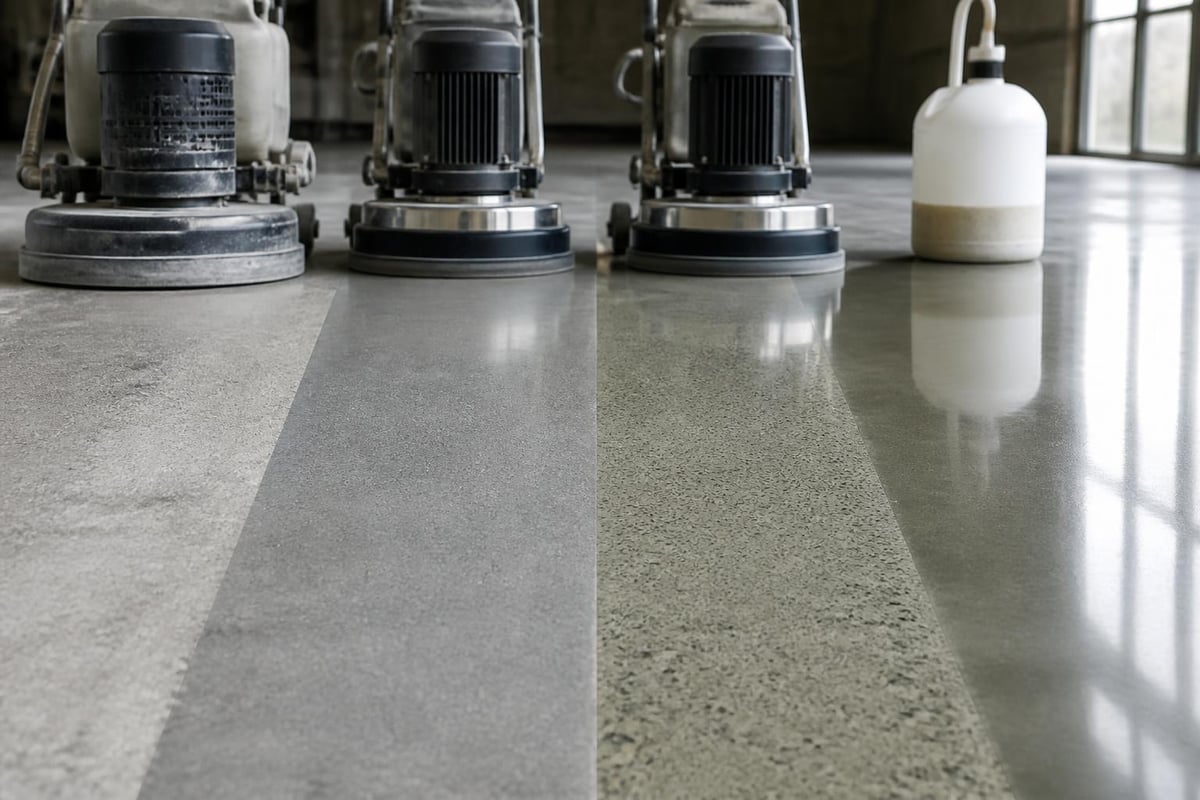
Concrete polishing services have become a cornerstone solution for commercial and industrial facilities across Australia, delivering exceptional durability, aesthetic appeal, and long-term value. As facility managers and business owners increasingly seek flooring options that balance performance with cost-effectiveness, polished concrete has emerged as a preferred choice for warehouses, retail spaces, factories, and commercial kitchens. Understanding the intricacies of concrete polishing services enables decision-makers to select the right finish for their specific operational requirements whilst maximising return on investment through reduced maintenance costs and extended floor lifespan.
Understanding Professional Concrete Polishing Services
Concrete polishing services transform ordinary concrete slabs into high-performance surfaces through a systematic grinding and polishing process. This specialised trade involves using progressively finer diamond-embedded abrasives to remove surface imperfections, expose aggregate, and create a smooth, reflective finish.
The process begins with aggressive grinding to remove coatings, adhesives, or damaged concrete layers. Contractors then progress through multiple stages of refinement, each using finer grit levels to achieve the desired sheen and smoothness. Chemical densifiers are applied during intermediate stages to harden the concrete matrix and enhance the final surface density.
Professional concrete polishing services differ significantly from basic grinding or coating applications. The technique requires specialised equipment, technical expertise, and understanding of concrete composition to achieve optimal results. Industry standards like ACI 310.1-20 provide guidelines for achieving specific gloss levels and quality benchmarks.
Key Stages of the Polishing Process
- Surface preparation and assessment – Evaluating concrete condition, moisture levels, and structural integrity
- Coarse grinding – Removing surface contamination and opening pores with 30-40 grit diamonds
- Intermediate grinding – Refining the surface with 80-120 grit abrasives
- Densifier application – Penetrating chemical treatment to harden and densify the concrete
- Fine polishing – Progressive refinement using 200-3000 grit diamonds
- Final finishing – Applying protective treatments and burnishing to desired gloss level
The expertise required for each stage cannot be understated. Poor execution at any point compromises the entire floor system, resulting in uneven finishes, premature wear, or costly remediation.
Benefits of Concrete Polishing Services for Commercial Facilities
Durability stands as the primary advantage of professionally polished concrete floors. The polishing process creates a surface significantly harder than untreated concrete, capable of withstanding heavy traffic, forklift operations, and impact from dropped materials. This inherent strength translates directly to reduced floor replacement frequency and lower lifecycle costs.
Maintenance requirements drop dramatically compared to alternative flooring systems. Polished concrete resists staining, doesn't harbour dust or allergens, and requires only routine dust mopping and occasional damp cleaning. The low maintenance nature of these floors appeals particularly to warehouse operations and factories where cleaning downtime impacts productivity.

| Benefit Category | Polished Concrete | Coated Systems | Tiled Floors |
|---|---|---|---|
| Lifespan | 20+ years | 5-10 years | 10-15 years |
| Maintenance Cost | Very Low | Moderate | High |
| Chemical Resistance | Excellent | Good | Poor |
| Light Reflectivity | 30-40% improvement | Minimal | Minimal |
Light reflectivity increases significantly with polished concrete, reducing lighting costs by up to 30% in some facilities. The reflective surface amplifies natural and artificial light, creating brighter working environments whilst reducing energy consumption. For warehouse flooring applications, this improved visibility enhances safety and operational efficiency.
Environmental and Sustainability Advantages
Concrete polishing services align perfectly with sustainable building practices and green construction standards. The process utilises existing concrete slabs rather than requiring additional materials, significantly reducing embodied carbon compared to overlay systems.
- No volatile organic compounds (VOCs) released during or after installation
- LEED certification contributions through sustainable material usage and enhanced daylighting
- Reduced waste generation by eliminating the need for replacement materials
- Lower energy consumption from improved light reflectivity
Environmental benefits and LEED contributions make polished concrete an attractive option for organisations committed to reducing their environmental footprint. The longevity of the finish further amplifies these benefits over decades of service life.
Choosing the Right Concrete Polishing Services Provider
Selecting a qualified contractor determines the success of your polished concrete project. Commercial and industrial facilities require specialists who understand the unique demands of high-traffic environments, regulatory compliance, and operational constraints.
Licensing and insurance form the foundation of contractor selection. In Queensland, legitimate commercial flooring contractors hold current QBCC licences and maintain comprehensive insurance coverage. These credentials protect facility owners from liability whilst ensuring work meets Australian building standards and local regulations.
Experience specifically within commercial and industrial settings proves critical. Contractors familiar with factory flooring applications understand traffic patterns, load requirements, and chemical exposure that residential specialists may never encounter. Request portfolio examples demonstrating similar project scope and complexity.
Essential Questions for Prospective Contractors
- What specific experience do you have with concrete polishing services in my industry sector?
- Can you provide references from recent commercial projects of comparable size?
- What equipment and diamond tooling systems do you utilise?
- How do you manage dust control and site cleanliness during operations?
- What warranties or guarantees accompany your concrete polishing services?
- Do you follow recognised industry standards for polish levels and quality control?
Technical capability extends beyond basic grinding skills. Professional contractors should articulate their approach to surface preparation, densifier selection, grit progression sequences, and quality verification methods. The new standards released by industry associations define products and processes that qualified contractors readily incorporate.
Finish Options and Customisation in Concrete Polishing
Concrete polishing services offer extensive customisation options to meet aesthetic preferences and functional requirements. The degree of aggregate exposure creates distinctly different appearances, from subtle cream tones with minimal aggregate to heavily exposed surfaces showcasing the full beauty of the concrete mix.
Cream polish removes only the top surface layer, revealing a smooth finish with minimal aggregate visibility. This option suits retail environments and office spaces where a refined, uniform appearance is preferred. The subtle aesthetic complements modern design schemes whilst maintaining all performance benefits.
Salt and pepper finish exposes fine aggregate throughout the surface, creating visual texture and interest. This popular choice balances aesthetic appeal with practicality for workshop flooring and commercial facilities seeking character without overwhelming visual complexity.
Full aggregate exposure removes sufficient concrete paste to showcase the complete aggregate profile. This bold finish creates dramatic visual impact suitable for retail spaces, showrooms, and facilities where flooring serves as a design feature. The exposed aggregate also provides enhanced slip resistance in certain applications.
| Finish Level | Aggregate Exposure | Typical Applications | Sheen Options |
|---|---|---|---|
| Level 1 | Minimal (cream) | Offices, retail | Satin to high gloss |
| Level 2 | Fine (salt/pepper) | Warehouses, workshops | Matte to gloss |
| Level 3 | Medium aggregate | Showrooms, retail | All levels |
| Level 4 | Full exposure | Feature areas, retail | Matte to satin |
Gloss Level Selection
Sheen ranges from matte finishes (minimal reflectivity) through satin, semi-gloss, to high-gloss mirror-like surfaces. The choice impacts both appearance and practical considerations like slip resistance and maintenance requirements.
Higher gloss levels amplify light reflectivity benefits but may show scuff marks more readily in high-traffic areas. Facilities prioritising safety in wet environments often select lower gloss levels that maintain better traction. Your concrete polishing services provider should recommend appropriate sheen levels based on operational requirements and traffic patterns.
Surface Preparation and Its Critical Role
Proper surface preparation determines the quality and longevity of polished concrete floors more than any other factor. Concrete grinding serves as the foundation for successful polishing, removing contaminants, levelling uneven areas, and opening the concrete surface to accept densifiers.
Assessment begins before any grinding equipment touches the floor. Professional contractors evaluate concrete hardness, existing coatings or sealers, crack patterns, moisture levels, and surface contamination. This diagnostic phase identifies potential issues requiring remediation before polishing commences.
Coating removal presents particular challenges in existing facilities. Previous epoxy systems, adhesive residues, or paint require complete elimination to ensure proper bonding of densifiers and achievement of uniform polish levels. Inadequate coating removal results in patchy finishes and premature failure.
Crack repair and joint treatment require careful consideration. While concrete polishing services cannot eliminate existing cracks, proper filling and treatment minimises their visual impact and prevents propagation. Contractors should discuss realistic expectations regarding crack visibility in the finished floor.
Moisture Testing and Mitigation
Excess moisture within concrete slabs compromises polishing outcomes and long-term performance. Professional concrete polishing services include moisture testing using calcium chloride tests or relative humidity probes. Readings exceeding manufacturer-specified thresholds require mitigation before proceeding.
Sources of moisture include:
- Groundwater intrusion through inadequate vapour barriers
- Hydrostatic pressure in below-grade applications
- Plumbing leaks or poor drainage
- Inadequate curing during initial concrete placement
Addressing moisture issues protects your investment and ensures the polished surface achieves its full potential lifespan. For specialised applications like retail flooring, moisture control proves particularly critical given the aesthetic expectations and foot traffic demands.
Maintenance Protocols for Polished Concrete

One of the most compelling advantages of concrete polishing services lies in the minimal ongoing maintenance requirements. However, proper care protocols maximise surface longevity and maintain the desired appearance throughout the floor's service life.
Daily maintenance consists simply of dust mopping or auto-scrubbing with clean water. This routine removes abrasive particles that could gradually dull the surface through accumulated micro-scratching. High-traffic facilities benefit from twice-daily cleaning during peak operational periods.
Weekly protocols introduce pH-neutral cleaning solutions designed specifically for polished concrete. Harsh chemicals, acidic cleaners, or alkaline degreasers can damage the densified surface and reduce gloss levels over time. Professional cleaning products maintain shine whilst effectively removing accumulated soils.
Periodic re-polishing or burnishing restores gloss levels in high-wear areas. Depending on traffic intensity, facilities may require spot burnishing annually or less frequently. This simple procedure uses fine-grit polishing pads to refresh the surface without requiring complete re-polishing.
Protecting Your Investment
Simple protective measures extend the life and appearance of polished concrete floors:
- Place entrance matting systems to capture dirt and moisture before it reaches polished areas
- Use protective pads under furniture legs and equipment bases
- Address spills promptly, particularly acidic substances that can etch the surface
- Implement load distribution systems for exceptionally heavy equipment
- Schedule professional assessments every 2-3 years to identify early wear patterns
For facilities considering their flooring options, understanding that choosing commercial flooring involves evaluating long-term maintenance requirements alongside initial installation costs provides crucial perspective. Polished concrete's low maintenance burden translates to substantial cost savings over two decades of service.
Industry Standards and Quality Benchmarks
Professional concrete polishing services adhere to established industry standards that define quality benchmarks and performance expectations. Training standards for concrete polishing ensure contractors possess the necessary skills and knowledge to deliver consistent results.
Gloss measurement provides objective verification of surface finish. Industry specifications typically reference gloss readings at 60-degree angles, with categories ranging from low gloss (below 30 units) through medium (30-60 units) to high gloss (above 60 units). Professional contractors verify gloss levels throughout the floor to ensure uniformity.
Clarity and haze assessment measures how clearly reflected images appear in the polished surface. High-quality polishing produces sharp, distinct reflections with minimal cloudiness or distortion. These visual characteristics directly correlate with proper grit progression and adequate polishing time at each stage.
Surface profile depth, abrasion resistance, and chemical resistance testing provide additional quality metrics. Whilst not always required for standard commercial installations, these measurements prove valuable for high-performance applications or facilities with specific operational demands.
Documentation and Quality Assurance
Reputable concrete polishing services providers maintain detailed documentation throughout projects:
- Pre-installation moisture and hardness testing results
- Grit progression schedules and completion verification
- Densifier product specifications and application rates
- Gloss measurement readings across the floor area
- Post-installation care and maintenance protocols
This documentation serves multiple purposes, from quality verification to future maintenance planning. Facilities managers benefit from understanding precisely what products were used and what processes were followed, particularly when scheduling long-term maintenance or eventual refinishing.
When working with commercial concrete specialists for polished concrete applications, insist on comprehensive documentation that provides transparency and supports warranty claims if issues arise.

Cost Considerations and Value Analysis
Investment in concrete polishing services requires evaluation beyond simple square metre pricing. Total cost of ownership encompasses installation expenses, ongoing maintenance costs, expected lifespan, and operational benefits like improved lighting efficiency and reduced downtime.
Initial installation costs vary based on concrete condition, desired finish level, floor area, and site accessibility. Heavily damaged floors requiring extensive preparation cost more than new slabs in good condition. Higher aggregate exposure and gloss levels require additional grinding stages, increasing labour and materials costs.
Square metre pricing typically ranges from moderate to premium depending on project specifications. However, this upfront investment delivers value through decades of service with minimal maintenance expenditure. Comparative analysis against alternative systems should evaluate 20-year lifecycle costs rather than installation pricing alone.
Hidden cost savings emerge across multiple operational areas:
- Reduced lighting electricity consumption from enhanced reflectivity
- Eliminated replacement costs for 20+ years
- Minimal maintenance labour and cleaning product expenses
- Improved indoor air quality reducing HVAC filtration requirements
- Enhanced safety through better visibility and non-slip properties
Facilities considering new construction or floor replacement should factor these operational benefits into their decision-making process. The return on investment for concrete polishing services often surpasses initial expectations when all cost factors receive appropriate consideration.
Applications Across Commercial and Industrial Sectors
Concrete polishing services deliver exceptional performance across diverse commercial and industrial applications. Understanding sector-specific requirements ensures optimal specification and installation approaches.
Warehouse and distribution centres benefit tremendously from polished concrete's durability and light reflectivity. Heavy forklift traffic, pallet storage systems, and demanding operational schedules require flooring that performs reliably without frequent maintenance interruptions. The seamless surface eliminates joint deterioration common with tiled systems whilst improving navigation visibility.
Retail environments leverage the aesthetic versatility of polished concrete to create modern, sophisticated spaces. High foot traffic demands durable surfaces that maintain appearance despite constant use. The ability to customise aggregate exposure and gloss levels enables retailers to align flooring with brand identity whilst meeting practical performance requirements.
Manufacturing facilities and factories operate equipment generating significant floor loads, chemical exposure, and thermal cycling. Polished concrete resists these demanding conditions whilst providing easy-to-clean surfaces that support stringent housekeeping standards. The absence of coatings eliminates concerns about delamination or wear-through in high-traffic aisles.
Specialised Commercial Applications
Commercial kitchens and food processing areas demand flooring meeting strict hygiene standards whilst withstanding moisture, temperature extremes, and cleaning chemical exposure. Polished concrete provides seamless, non-porous surfaces that resist bacterial growth and simplify sanitation protocols.
Commercial car parks require durable, skid-resistant surfaces capable of handling constant vehicle traffic and exposure to automotive fluids. The hardened surface resists tyre abrasion whilst maintaining appearance despite weathering and chemical contact.
Understanding these application-specific requirements enables facility managers to work effectively with concrete polishing services providers in developing optimal specifications. Your provider's experience across similar applications ensures they anticipate challenges and implement appropriate solutions.
Making the Decision: Is Concrete Polishing Right for Your Facility?
Determining whether concrete polishing services suit your facility requires evaluating several critical factors. Not every situation represents an ideal candidate for polished concrete, despite its numerous advantages.
Concrete condition forms the primary consideration. Severely damaged slabs with extensive spalling, deep cracks, or structural issues may require remediation exceeding the cost-effectiveness of polishing. Surface evaluation by qualified professionals identifies whether your existing slab can support successful polishing.
Operational requirements including chemical exposure types, traffic patterns, moisture presence, and aesthetic expectations all influence suitability. Facilities with extreme acid exposure may require alternative solutions, whilst most commercial operations find polished concrete more than adequate for their demands.
Timeline constraints affect project feasibility. Concrete polishing services require facility access for multiple days, with restricted use during curing periods. Operations unable to accommodate installation schedules may need phased approaches or alternative systems allowing faster return to service.
Budget availability naturally influences decision-making, but evaluation should focus on total cost of ownership rather than initial outlay alone. Facilities with tight capital budgets but flexibility for long-term planning often find polished concrete delivers superior value compared to cheaper alternatives requiring frequent replacement.
The decision ultimately balances performance requirements, budget parameters, aesthetic preferences, and operational constraints. Professional consultation with experienced concrete polishing services providers clarifies options and ensures realistic expectations for your specific situation.
Concrete polishing services represent a sophisticated solution delivering exceptional durability, aesthetic versatility, and remarkable value for commercial and industrial facilities across South East Queensland. Understanding the process, benefits, and selection criteria empowers facility managers to make informed decisions that serve their operations for decades. Superior Concrete Finishes brings decades of commercial concrete expertise to warehouses, retail stores, factories, and industrial facilities throughout the region, delivering professional polished concrete and epoxy flooring solutions backed by full licensing and insurance. Contact our team to discuss how we can transform your commercial flooring into a high-performance asset.

Joshua Miller has over 15 years of experience in the commercial concrete flooring industry, specialising in epoxy flooring systems and polished concrete solutions for warehouses, factories, retail spaces and commercial developments. Joshua and his team work closely with builders, property owners and facility managers across South East Queensland to deliver durable, cost-effective commercial flooring systems for warehouses, industrial facilities, commercial kitchens, retail stores and large commercial developments.
Major builders and organisations Josh has led projects on include McNab, Hutchinson Builders, IKEA, Queensland Rail, University of Queensland, ADCO, Tomkins Commercial, Bunnings, OfficeWorks, Spotlight, and Anaconda.
If you're planning a project and need advice on the best commercial concrete flooring solution, contact Josh or one of the team at Superior Concrete Finishes.
-
 info@superiorconcretefinishes.com.au
-
1300 789 740
-
Connect with Josh on
LinkedIn


 Connect with Josh on