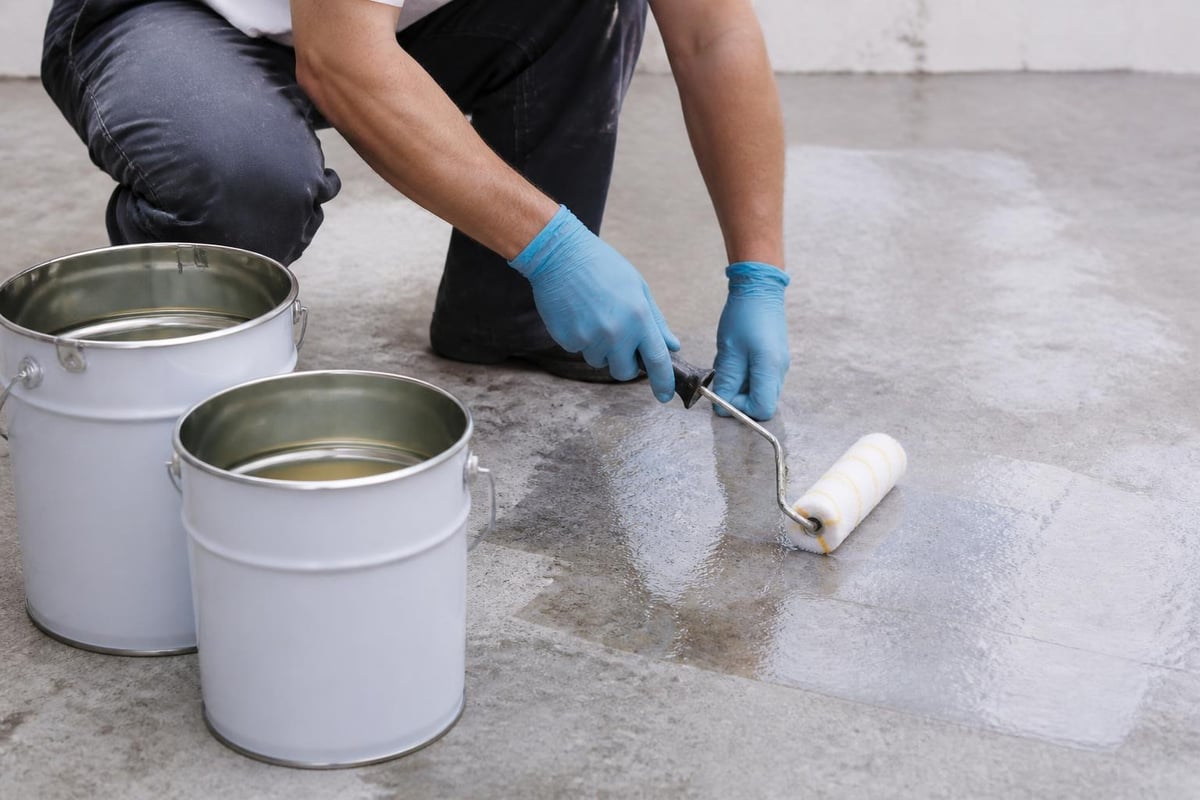
Concrete polyurethane has become an essential solution for commercial and industrial facilities requiring durable, protective floor finishes. This advanced coating technology combines the structural strength of concrete with the chemical resistance and flexibility of polyurethane compounds, creating surfaces that withstand the demanding conditions of warehouses, factories, and commercial kitchens across South East Queensland. As facility managers and project specifiers evaluate flooring options in 2026, understanding the properties, applications, and performance characteristics of concrete polyurethane systems helps inform better decision-making for long-term asset protection.
What Is Concrete Polyurethane
Concrete polyurethane refers to protective coating systems applied to concrete substrates, forming a chemical bond that seals and enhances the surface. Unlike simple sealers, these systems penetrate the concrete matrix whilst creating a protective film layer that resists moisture, chemicals, and physical wear.
The chemistry behind concrete polyurethane involves polyol and isocyanate components that react to form urethane linkages. This molecular structure provides exceptional elasticity compared to traditional concrete coatings, allowing the surface to accommodate minor substrate movements without cracking or delaminating.
Key Components and Formulations
Professional-grade concrete polyurethane systems typically include:
- Base resin: Polyester or polyether polyols providing flexibility
- Curing agent: Isocyanates that initiate the chemical reaction
- Additives: UV stabilizers, flow modifiers, and pigments
- Fillers: Silica or calcium carbonate for enhanced durability
Different formulations serve specific purposes. Aromatic polyurethanes offer excellent abrasion resistance for warehouse flooring applications, whilst aliphatic versions maintain colour stability under UV exposure, making them suitable for car parks with natural light exposure.
Applications of Concrete Polyurethane in Commercial Settings
The versatility of concrete polyurethane makes it appropriate for diverse commercial and industrial environments. Each application leverages specific performance characteristics suited to operational demands.
Industrial Facilities
Manufacturing plants and factory flooring installations benefit from polyurethane's chemical resistance. Production areas handling acids, solvents, or corrosive materials require coatings that maintain integrity under constant exposure. Concrete polyurethane systems create impermeable barriers protecting the underlying concrete from chemical attack whilst maintaining safe, slip-resistant surfaces.
Food Production and Commercial Kitchens
Hygiene-critical environments demand flooring that resists bacterial growth, tolerates thermal cycling, and withstands aggressive cleaning protocols. The seamless nature of properly applied concrete polyurethane eliminates joints where contaminants might accumulate, whilst the coating's resistance to hot water and cleaning chemicals ensures long-term performance in food process flooring installations.
| Application Type | Primary Benefit | Typical Thickness |
|---|---|---|
| Light commercial | Aesthetic finish, dust control | 0.2-0.4mm |
| Medium industrial | Chemical resistance, moderate traffic | 0.5-1.0mm |
| Heavy industrial | Impact resistance, heavy equipment | 1.0-3.0mm |
| Food production | Thermal shock resistance, hygiene | 2.0-6.0mm |
Concrete Raising and Repair
Beyond surface coatings, polyurethane technology plays a crucial role in concrete repair through polyurethane injection for concrete raising. This application uses expanding polyurethane foam to lift and level sunken concrete slabs, addressing settlement issues without complete slab replacement. The lightweight foam fills voids beneath the concrete whilst exerting controlled lifting pressure to restore proper elevation.

Performance Characteristics and Benefits
Understanding the performance profile of concrete polyurethane helps specifiers match coating systems to operational requirements. These materials offer distinct advantages over alternative flooring solutions.
Chemical and Physical Resistance
Concrete polyurethane demonstrates superior resistance to numerous chemical classes:
- Organic acids (citric, acetic, lactic)
- Inorganic acids (phosphoric, sulphuric at lower concentrations)
- Alkalis and caustic solutions
- Petroleum products and mineral oils
- Alcohols and glycols
The coating's flexibility prevents brittle failure under impact, whilst its elasticity accommodates thermal expansion cycles common in temperature-controlled environments. This resilience proves particularly valuable in workshop flooring where tools and equipment may drop onto the surface regularly.
Moisture and Temperature Performance
Properly formulated concrete polyurethane systems handle moisture exposure effectively, making them suitable for wet processing areas. The coating's moisture vapour transmission properties must balance substrate protection with allowing the concrete to breathe, preventing trapped moisture from causing subsurface failures.
Temperature tolerance varies by formulation. Standard systems perform adequately between -40°C and 120°C, whilst specialized high-temperature variants withstand intermittent exposure to 150°C, appropriate for specific industrial processes.
Installation Considerations for Commercial Applications
Successful concrete polyurethane installations require meticulous surface preparation and application techniques. Professional contractors understand that coating performance depends as much on proper installation as material quality.
Surface Preparation Requirements
Concrete substrates must meet specific criteria before coating application:
- Mechanical preparation: Diamond grinding or shot blasting removes laitance and opens pore structure
- Contamination removal: Oils, greases, and existing coatings require complete elimination
- Moisture testing: Substrate moisture content must fall within manufacturer specifications
- Profile verification: Surface profile depth affects mechanical bonding
- Crack repair: Structural cracks need remediation before coating application
The concrete surface should achieve a minimum compressive strength of 25 MPa, with surface pull-off strength exceeding 1.5 MPa to ensure adequate bonding. These standards align with Australian commercial flooring best practices in 2026.
Application Methods and Techniques
Professional polyurethane floor coating installations follow systematic procedures:
- Primer application: Penetrating primers seal the concrete and enhance topcoat adhesion
- Body coat placement: Main coating layers build thickness and chemical resistance
- Topcoat finishing: Final layer provides wear surface and aesthetic appearance
Application environmental conditions critically affect coating curing. Ambient temperature, relative humidity, and substrate temperature must fall within specification windows. Most systems require temperatures between 10°C and 30°C with relative humidity below 80% for optimal curing.
Concrete Polyurethane Versus Alternative Coating Systems
Commercial flooring projects often evaluate multiple coating technologies. Comparing concrete polyurethane against alternatives helps identify the most suitable solution for specific requirements.
Polyurethane Compared to Epoxy
Epoxy flooring remains popular in commercial settings, offering excellent adhesion and chemical resistance. However, concrete polyurethane provides advantages in specific scenarios:
| Performance Factor | Concrete Polyurethane | Epoxy Coating |
|---|---|---|
| UV stability | Excellent (aliphatic) | Poor (yellows) |
| Flexibility | High elasticity | More rigid |
| Thermal shock resistance | Superior | Moderate |
| Abrasion resistance | Good | Excellent |
| Chemical resistance | Excellent | Excellent |
| Cost | Higher initial | Lower initial |
The choice between systems depends on operational priorities. Facilities requiring colour stability under natural light or greater surface flexibility benefit from concrete polyurethane, whilst environments prioritizing abrasion resistance and cost-effectiveness may prefer epoxy solutions.
For commercial and industrial facilities across South East Queensland, polyurethane flooring offers particular advantages in environments with temperature fluctuations and chemical exposure.

Maintenance and Lifecycle Considerations
Long-term performance requires appropriate maintenance protocols. Concrete polyurethane coatings benefit from regular cleaning using pH-neutral detergents and soft-bristle equipment to avoid surface scratching. Understanding polyurethane sealers helps facility managers implement appropriate care regimens.
Surface refreshing extends service life significantly. Light traffic areas may require recoating every 5-7 years, whilst heavy industrial environments might need attention every 3-5 years. These intervals prove cost-effective compared to complete floor replacement.
Specification Development for Commercial Projects
Creating comprehensive specifications ensures contractors deliver systems meeting performance expectations. Well-written specifications eliminate ambiguity whilst providing measurable acceptance criteria.
Critical Specification Elements
Effective concrete polyurethane specifications include:
- Material standards: Reference Australian Standards and manufacturer data sheets
- Surface preparation requirements: Define concrete strength, moisture limits, and profile depth
- Application conditions: Specify environmental parameters during installation
- Thickness requirements: State dry film thickness for each coat layer
- Performance criteria: Establish measurable acceptance standards
Performance testing should include adhesion strength (pull-off testing), abrasion resistance (Taber testing), and chemical resistance (immersion testing). These objective measurements confirm the installed system meets design intent.
Quality Assurance Protocols
Professional installations incorporate quality control measures throughout the process. Substrate testing confirms surface preparation adequacy before coating application. During installation, wet film thickness gauges verify proper material application rates. Post-installation testing validates adhesion and overall system integrity.
Documentation requirements should mandate material certifications, application records noting environmental conditions, and photographic evidence of work progression. This documentation proves invaluable for warranty administration and future maintenance planning.
Environmental and Safety Considerations in 2026
Modern concrete polyurethane systems increasingly incorporate sustainable chemistry whilst maintaining high performance standards. Environmental consciousness influences material selection across commercial projects in South East Queensland.
Low-VOC and Sustainable Formulations
Volatile organic compound emissions from flooring materials affect indoor air quality. Advanced concrete polyurethane formulations minimize VOC content whilst preserving coating performance. Water-based polyurethane systems eliminate solvent emissions entirely, though they require careful application in controlled environments.
Sustainability extends beyond emissions to include:
- Recycled content incorporation in coating formulations
- Extended service life reducing replacement frequency
- Local manufacturing minimizing transportation impacts
- End-of-life recyclability considerations
Workplace Health and Safety
Professional contractors prioritize safety during concrete polyurethane installations. Isocyanate components require careful handling with appropriate personal protective equipment including respirators, protective clothing, and gloves. Adequate ventilation prevents vapour accumulation in confined spaces.
Cured polyurethane surfaces present minimal health concerns, making them appropriate for occupied commercial spaces. The seamless, easily cleaned nature of these floors supports flooring safety standards compliance across diverse commercial applications.
Industry Trends and Future Developments
The concrete polyurethane sector continues evolving with technological advances improving performance characteristics and application efficiency. Understanding emerging trends helps facility managers make forward-looking flooring decisions.
Smart Coating Technologies
Next-generation concrete polyurethane systems incorporate sensing capabilities monitoring floor conditions in real-time. Embedded sensors track temperature, moisture, and structural loading, providing data for predictive maintenance programmes. These intelligent surfaces prove particularly valuable in critical facilities where floor failure carries significant operational consequences.
Enhanced Durability Formulations
Research continues developing polyurethane formulations with improved resistance profiles. Nano-particle additions enhance scratch resistance whilst maintaining coating flexibility. Modified catalysts extend working time without compromising cure speed, improving application efficiency in large-format commercial installations.
The concrete leveling using polyurethane foam technique demonstrates how polyurethane technology addresses substrate issues before coating application, creating optimal conditions for long-lasting floor systems.
Cost Analysis and Return on Investment
Commercial flooring decisions ultimately balance performance requirements against budget constraints. Concrete polyurethane systems command premium pricing compared to basic epoxy coatings, but lifecycle cost analysis often favors polyurethane in appropriate applications.
Initial Investment Considerations
Material costs for concrete polyurethane systems typically range from $45 to $95 per square metre for professional installations, depending on system thickness and complexity. This compares to $30 to $60 per square metre for standard epoxy systems. The premium reflects superior material properties and more complex application requirements.
Project scale significantly influences unit pricing. Large warehouse installations benefit from economies of scale, whilst smaller retail flooring projects carry higher per-square-metre costs due to mobilization and setup expenses.
Lifecycle Cost Benefits
Long-term value assessment considers multiple factors:
- Service life: Polyurethane systems often outlast epoxy alternatives by 30-50%
- Maintenance costs: Seamless surfaces require less intensive cleaning
- Operational continuity: Reduced downtime from fewer repair interventions
- Asset protection: Superior moisture resistance prevents substrate deterioration
A comprehensive analysis accounting for these factors frequently justifies the initial premium for concrete polyurethane in demanding commercial environments. Facilities with corrosive chemical exposure, temperature extremes, or critical hygiene requirements realize particular value from polyurethane investment.
Concrete polyurethane technology provides commercial and industrial facilities with durable, protective flooring solutions engineered for demanding operational environments. Success requires proper material selection, professional installation, and ongoing maintenance aligned with specific facility requirements. For South East Queensland commercial and industrial clients seeking expert concrete flooring solutions, Superior Concrete Finishes delivers professional epoxy and polished concrete installations backed by decades of industry experience and full QBCC licensing. Our specialized team understands the unique demands of warehouses, factories, commercial kitchens, and retail spaces across the region.

Joshua Miller has over 15 years of experience in the commercial concrete flooring industry, specialising in epoxy flooring systems and polished concrete solutions for warehouses, factories, retail spaces and commercial developments. Joshua and his team work closely with builders, property owners and facility managers across South East Queensland to deliver durable, cost-effective commercial flooring systems for warehouses, industrial facilities, commercial kitchens, retail stores and large commercial developments.
Major builders and organisations Josh has led projects on include McNab, Hutchinson Builders, IKEA, Queensland Rail, University of Queensland, ADCO, Tomkins Commercial, Bunnings, OfficeWorks, Spotlight, and Anaconda.
If you're planning a project and need advice on the best commercial concrete flooring solution, contact Josh or one of the team at Superior Concrete Finishes.
-
 info@superiorconcretefinishes.com.au
-
1300 789 740
-
Connect with Josh on
LinkedIn


 Connect with Josh on