A concrete surface represents far more than the foundation beneath our feet. In commercial and industrial environments, the quality and treatment of this surface directly impacts operational efficiency, safety standards, and long-term maintenance costs. Whether you’re managing a warehouse, retail store, factory, or commercial kitchen, understanding the critical aspects of concrete surface preparation and treatment ensures your flooring investment delivers maximum value across decades of service. The concrete surface treatment industry has evolved significantly, offering solutions that transform raw concrete into high-performance work environments capable of withstanding the most demanding conditions.
Understanding Concrete Surface Characteristics
The inherent properties of a concrete surface determine which treatment options will deliver optimal results. Raw concrete exhibits porosity, surface laitance, and varying degrees of compressive strength depending on the original pour specifications and curing process.
Porosity and Permeability
Concrete porosity directly affects how surface treatments bond and perform over time. Standard concrete contains microscopic voids created during the hydration process, allowing moisture, chemicals, and contaminants to penetrate the surface.
Key porosity factors include:
- Water-cement ratio during initial pour
- Curing conditions and duration
- Age of the concrete slab
- Existing surface contaminants
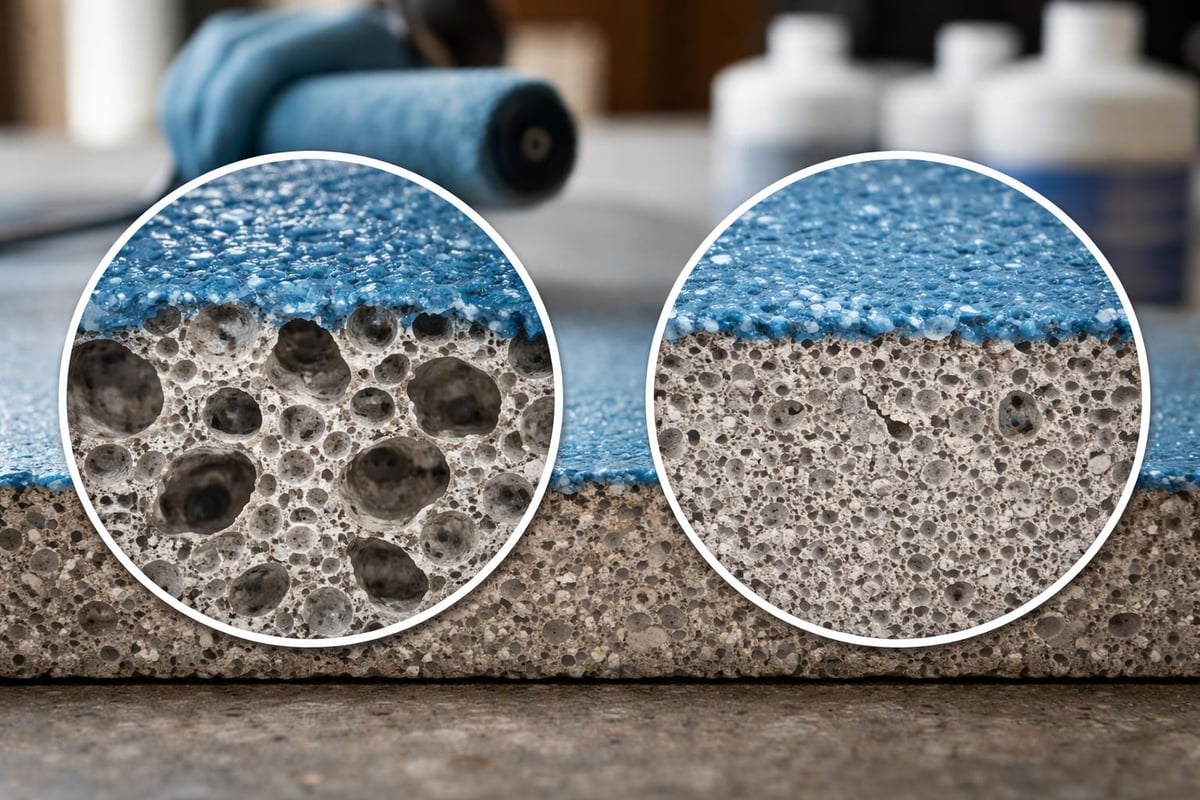
Understanding these characteristics proves essential when selecting appropriate industrial concrete flooring treatments. The level of porosity influences which preparation methods and coating systems will achieve proper adhesion and longevity.
Surface Profile Requirements
Different coating systems require specific surface profiles for optimal bonding. The SSPC-SP13/NACE No. 6 standard provides clear guidance on surface preparation requirements before applying protective coatings to concrete.
| Surface Profile | Depth Range | Suitable Applications |
|---|---|---|
| CSP 1-2 | Light texture | Polished concrete, thin coatings |
| CSP 3-4 | Medium texture | Epoxy systems, standard coatings |
| CSP 5-6 | Aggressive texture | Thick builds, repair mortars |
Preparation Methods for Concrete Surfaces
Proper preparation represents the most critical phase in achieving a successful concrete surface treatment. Regardless of the final finish selected, inadequate preparation guarantees premature failure.
Mechanical Preparation Techniques
Diamond grinding remains the gold standard for concrete surface preparation in commercial applications. This method uses diamond-embedded tooling to remove surface contaminants, level uneven areas, and create the appropriate surface profile. Diamond grinding of pavement techniques have been refined to deliver exceptional results across various commercial environments.
Shot blasting provides another effective mechanical preparation method. This process propels steel shot at high velocity against the concrete surface, removing laitance and creating a uniform profile. Shot blasting works particularly well in warehouses and factories where aggressive surface preparation is required.
Scarifying uses rotating cutting drums to remove damaged concrete and create deep surface profiles. This method proves invaluable when addressing severely deteriorated surfaces or removing existing coatings.
Chemical and Water-Based Methods
Hydrodemolition employs ultra-high-pressure water jets to remove deteriorated concrete without causing micro-cracking in the substrate. This technique preserves the structural integrity of sound concrete while thoroughly preparing the surface.
Acid etching represents a chemical approach that opens concrete pores and removes surface contaminants. While effective for small areas, this method requires careful handling and thorough neutralisation to prevent adhesion problems with subsequent coatings.
The comprehensive surface preparation guidelines developed through extensive field testing outline best practices for various preparation methods across different project types.
Advanced Preparation Considerations
Modern commercial projects demand precision in surface preparation. Understanding moisture levels, substrate strength, and existing contamination ensures preparation methods match project requirements.
- Moisture testing: Critical for all coating applications
- Pull-off testing: Verifies surface tensile strength
- pH testing: Ensures proper alkalinity levels
- Chloride testing: Identifies potential corrosion issues
When selecting preparation methods for food-grade flooring applications, additional considerations around chemical residues and surface cleanliness become paramount.
Surface Treatment Systems
Once proper preparation is complete, selecting the appropriate concrete surface treatment system requires matching performance requirements with environmental conditions and operational demands.
Epoxy Coating Systems
Epoxy flooring systems create a seamless, impermeable barrier over the concrete surface, delivering exceptional chemical resistance and durability. The resin and hardener components chemically bond with prepared concrete, forming a protective layer capable of withstanding harsh industrial environments. These systems excel in warehouses, factories, commercial kitchens, and undercover car parks where chemical spills, heavy traffic, and frequent cleaning present ongoing challenges.

Understanding the relationship between surface preparation and coating performance proves essential. Research published in concrete surface preparation guidelines demonstrates that proper preparation techniques increase coating lifespan by 300% compared to inadequately prepared surfaces.
Polished Concrete Applications
Polished concrete flooring transforms the concrete surface through a progressive grinding and polishing process. This treatment method creates a reflective, low-maintenance surface without applying thick coating systems.
The polishing process involves:
- Initial grinding to remove surface imperfections
- Application of chemical densifiers
- Progressive polishing with finer diamond tooling
- Final polish to achieve desired gloss level
Retail stores and commercial offices increasingly specify polished concrete for its aesthetic appeal and minimal maintenance requirements. The process enhances the natural beauty of concrete while significantly increasing surface hardness and durability.
Densification and Hardening
Concrete densifiers represent chemical treatments that react with calcium hydroxide in concrete, creating calcium silicate hydrate that fills surface pores. This chemical reaction increases surface density, reduces dusting, and improves abrasion resistance.
Benefits of densification include:
- Increased surface hardness: Up to 40% improvement in Mohs scale rating
- Reduced porosity: Blocks penetration of liquids and contaminants
- Dust reduction: Eliminates concrete dusting in high-traffic areas
- Enhanced reflectivity: Improves light return when polished

Performance Requirements by Application
Different commercial and industrial environments place unique demands on concrete surface treatments. Matching treatment systems to specific operational requirements ensures optimal long-term performance.
Warehouse and Distribution Facilities
Warehouse environments subject concrete surfaces to constant forklift traffic, pallet impacts, and concentrated loads. Surface treatments must deliver exceptional abrasion resistance while maintaining slip resistance even when contaminated with dust or debris.
| Performance Factor | Minimum Requirement | Testing Method |
|---|---|---|
| Abrasion Resistance | Taber test < 0.5g loss | ASTM C779 |
| Impact Resistance | No cracking at 10J | ASTM D2794 |
| Compressive Strength | > 25 MPa | AS 1012.9 |
Commercial Kitchen Requirements
Commercial kitchens demand concrete surface treatments that resist hot liquids, cooking oils, cleaning chemicals, and thermal shock. Food-grade flooring specifications require seamless installations that prevent bacterial growth and facilitate thorough sanitisation.
The concrete surface treatment must withstand:
- Hot water washdowns at temperatures exceeding 80°C
- Exposure to acids, alkalis, and aggressive cleaning agents
- Thermal cycling between refrigeration and cooking zones
- Slip resistance when wet or contaminated with oils
Retail and Commercial Spaces
Retail environments prioritise aesthetic appeal alongside durability. The concrete surface serves as both functional flooring and design element, requiring treatments that enhance visual appeal while delivering practical performance.
Considerations for retail applications include:
- Reflectivity levels for ambient lighting enhancement
- Maintenance protocols that don’t disrupt operations
- Stain resistance from food, beverages, and foot traffic
- Long-term colour stability and gloss retention
Various concrete finishing techniques have been developed specifically for retail applications, balancing performance with aesthetics.
Quality Control and Testing
Ensuring concrete surface treatments perform as specified requires comprehensive quality control throughout preparation and application phases. Professional contractors implement systematic testing protocols to verify compliance with project specifications.
Pre-Application Testing
Before applying any concrete surface treatment, thorough testing identifies potential issues that could compromise long-term performance. Moisture content testing using calcium chloride tests or relative humidity probes determines if the substrate is sufficiently dry for coating application.
Surface profile verification ensures preparation methods achieved the target roughness. Profile gauges or replica tape provide quantifiable measurements that can be compared against manufacturer specifications and industry standards.
Application Monitoring
During treatment application, monitoring environmental conditions and product performance ensures optimal results. Temperature and humidity levels must fall within specified ranges for proper chemical reactions and curing.
Critical monitoring points include:
- Ambient temperature: 10-30°C for most systems
- Substrate temperature: Within 3°C of ambient
- Relative humidity: Below 85% during application
- Dew point: Substrate temp must be 3°C above dew point
Post-Application Verification
After installation, performance testing validates that the concrete surface treatment meets specification requirements. Pull-off adhesion testing measures bond strength between the treatment system and substrate, ensuring adequate mechanical interlock.
Chemical resistance testing exposes treated surfaces to anticipated contaminants, verifying the coating system provides adequate protection. Hot tire testing proves particularly important for car park epoxy flooring applications where vehicle tyres generate significant heat and mechanical stress.
Maintenance and Longevity
The service life of a concrete surface treatment depends heavily on proper maintenance protocols. Even the most advanced treatment systems require regular care to maintain performance and appearance.
Daily Maintenance Protocols
Routine cleaning removes abrasive particles and contaminants before they damage the concrete surface. Dust mopping or auto-scrubbing with pH-neutral cleaners prevents buildup while preserving the integrity of surface treatments.
For polished concrete, understanding how to maintain and clean concrete polished floors ensures the surface retains its reflective properties and doesn’t develop scratches from improper cleaning techniques.
Periodic Maintenance Requirements
Beyond daily cleaning, concrete surface treatments benefit from periodic maintenance that restores performance characteristics. Polished concrete may require re-densification and repolishing every 3-5 years in high-traffic areas. Epoxy systems might need topcoat renewal to maintain chemical resistance and appearance.
Inspection protocols should identify:
- Surface wear patterns indicating concentrated traffic
- Chemical damage requiring repair or recoating
- Substrate issues such as cracking or movement
- Moisture intrusion compromising the treatment system

Extending Service Life
Strategic maintenance extends the functional life of concrete surface treatments well beyond minimum expectations. Implementing traffic management strategies, using entrance matting systems, and addressing spills promptly all contribute to prolonged performance.
Comparing flooring solutions requires understanding total lifecycle costs, not just initial installation expenses. When exploring different options across commercial settings, businesses can gain valuable insights from resources like Carmen Marie Design, which offers comprehensive information on various flooring solutions and their long-term performance characteristics.
Emerging Technologies and Innovations
The concrete surface treatment industry continues evolving with technological advances that improve performance, reduce environmental impact, and extend service life. Understanding these innovations helps commercial facility managers make informed decisions about long-term flooring investments.
Advanced Coating Formulations
Modern epoxy and polyurethane formulations incorporate nanotechnology that enhances chemical resistance, flexibility, and UV stability. These advanced systems provide superior performance while reducing volatile organic compound emissions.
New catalyst technologies allow faster curing times without compromising final properties, reducing facility downtime during installation. Some systems achieve full chemical resistance within 24 hours, compared to traditional 7-day cure schedules.
Sustainable Surface Solutions
Environmental considerations increasingly influence concrete surface treatment selection. Low-VOC coatings, water-based systems, and treatments derived from renewable resources reduce environmental impact without sacrificing performance.
Polished concrete represents an inherently sustainable option, requiring no replacement of floor coverings and eliminating coating disposal. The benefits of polished concrete extend beyond aesthetics to encompass environmental responsibility and lifecycle sustainability.
Smart Surface Monitoring
Emerging sensor technologies embedded within concrete surface treatments provide real-time performance data. These systems monitor moisture ingress, chemical exposure, and structural stresses, enabling predictive maintenance that prevents catastrophic failures.
Integration with building management systems allows facility managers to track floor condition across multiple sites, optimising maintenance schedules and budget allocation.
Regulatory Compliance and Standards
Commercial and industrial concrete surface treatments must comply with various Australian standards and industry regulations. Understanding these requirements ensures installations meet legal obligations while delivering safe, functional environments.
Building Code Requirements
The National Construction Code specifies performance requirements for commercial flooring systems, including slip resistance ratings, fire ratings, and load-bearing capacity. Concrete surface treatments must maintain these properties throughout their service life.
Slip resistance proves particularly critical in commercial environments. Anti-slip flooring solutions must achieve appropriate ratings for wet and dry conditions based on facility use.
Industry-Specific Standards
Food production facilities must comply with HACCP requirements and food safety standards that dictate concrete surface characteristics. These regulations mandate seamless, non-porous surfaces that resist bacterial growth and withstand intensive cleaning protocols.
Chemical manufacturing and pharmaceutical facilities face stringent requirements around chemical resistance and contamination prevention. The concrete surface treatment must prevent absorption of hazardous materials while facilitating thorough decontamination.
Occupational Health and Safety
Workplace safety legislation requires employers to maintain safe walking surfaces throughout facilities. This obligation extends to regular inspection, prompt repair of damage, and implementation of appropriate surface treatments that minimise slip, trip, and fall hazards.
Understanding flooring safety standards helps facility managers select treatments that protect workers while meeting legal requirements.
Selecting and maintaining the right concrete surface treatment requires understanding the complex interplay between substrate preparation, coating selection, environmental conditions, and operational demands. Success depends on partnering with experienced professionals who bring technical expertise and proven methodologies to every project. Superior Concrete Finishes delivers comprehensive concrete surface solutions for commercial and industrial clients across South East Queensland, combining decades of industry experience with QBCC-licensed expertise in epoxy flooring and polished concrete applications. Our team works exclusively with warehouses, retail stores, factories, commercial kitchens, car parks, and industrial workshops, ensuring your concrete surface investment delivers maximum performance and longevity.

Joshua Miller has over 15 years of experience in the commercial concrete flooring industry, specialising in epoxy flooring systems and polished concrete solutions for warehouses, factories, retail spaces and commercial developments. Joshua and his team work closely with builders, property owners and facility managers across South East Queensland to deliver durable, cost-effective commercial flooring systems for warehouses, industrial facilities, commercial kitchens, retail stores and large commercial developments.
Major builders and organisations Josh has led projects on include McNab, Hutchinson Builders, IKEA, Queensland Rail, University of Queensland, ADCO, Tomkins Commercial, Bunnings, OfficeWorks, Spotlight, and Anaconda.
If you're planning a project and need advice on the best commercial concrete flooring solution, contact Josh or one of the team at Superior Concrete Finishes.
-
 info@superiorconcretefinishes.com.au
-
1300 789 740
-
Connect with Josh on
LinkedIn


 Connect with Josh on