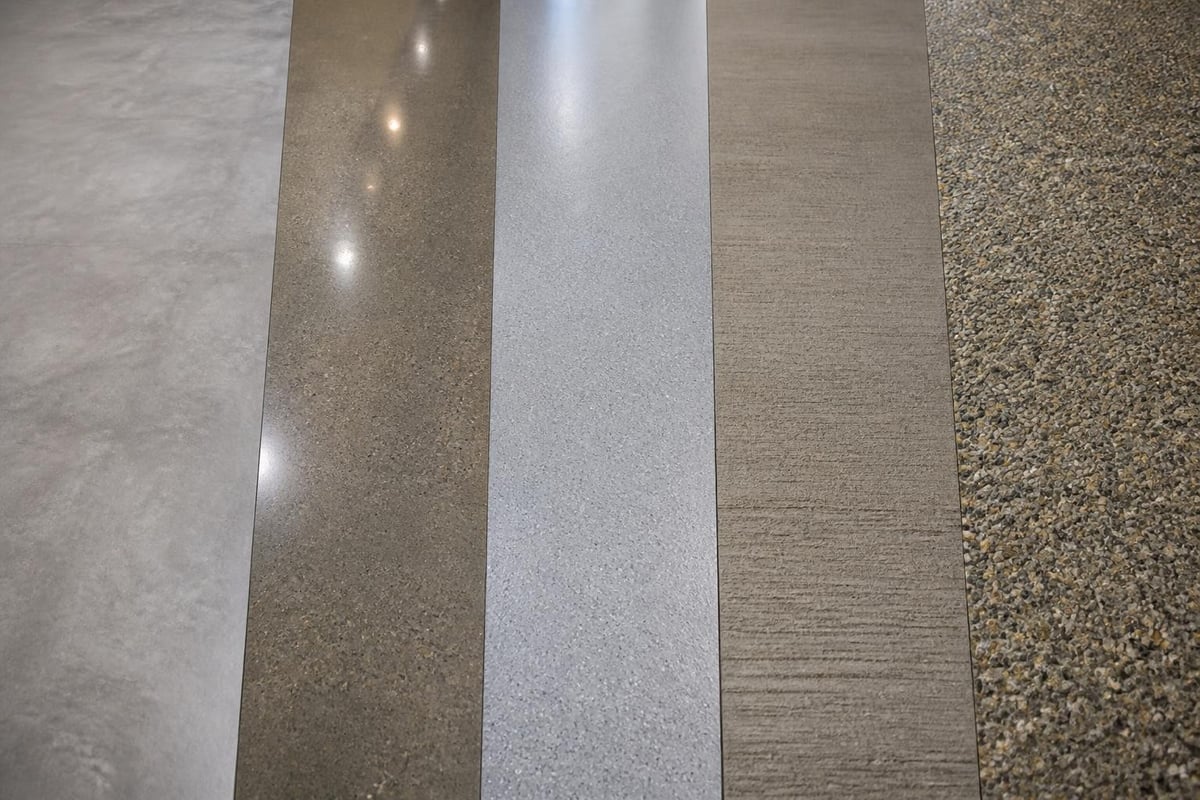
Selecting the appropriate concrete finish for your commercial or industrial facility impacts durability, safety, maintenance requirements, and operational efficiency. The different types of concrete finishes available in 2026 offer varying levels of slip resistance, chemical tolerance, aesthetic appeal, and longevity. Understanding these options enables facility managers, business owners, and construction professionals across South East Queensland to make informed decisions that align with their operational demands and budget constraints. Whether you're outfitting a warehouse, retail space, factory floor, or commercial car park, the finish you choose will influence performance for years to come.
Troweled Concrete Finishes
Troweled finishes represent one of the most fundamental approaches to concrete surface treatment. This method involves using steel trowels to smooth and compact the concrete surface, creating a dense, hard-wearing finish suitable for numerous commercial applications.
Hand Troweling vs Machine Troweling
Hand troweling delivers a moderately smooth surface appropriate for areas where high traffic is expected but mirror-like smoothness isn't required. This technique works well for factory flooring where forklifts and heavy machinery operate daily.
Machine troweling, by contrast, produces an exceptionally smooth, burnished surface. Powered trowels compact the concrete more uniformly and create a harder wearing surface layer. The process involves multiple passes as the concrete cures, progressively increasing the angle of the trowel blades.
Key characteristics of troweled finishes include:
- High density and abrasion resistance
- Minimal surface texture for easier cleaning
- Cost-effective application for large areas
- Limited decorative appeal compared to other options
- Susceptible to dusting without proper sealing
Applications in Commercial Settings
Troweled finishes excel in industrial workshops, manufacturing facilities, and warehouse environments where functionality trumps aesthetics. The smooth surface facilitates material handling equipment movement and simplifies maintenance protocols. However, this finish requires proper curing and sealing to prevent surface dusting over time.
Broom Finished Concrete
Broom finishes introduce slip resistance through intentional surface texturing. As explained in this guide on concrete finishes, this technique involves dragging a broom across freshly placed concrete to create parallel grooves.
The texture depth varies based on broom stiffness, timing of application, and pressure applied. Coarse broom finishes provide maximum traction, whilst fine broom textures offer moderate slip resistance with easier cleaning characteristics.
| Broom Type | Texture Depth | Best Application | Maintenance Level |
|---|---|---|---|
| Fine | Shallow grooves | Indoor walkways | Low |
| Medium | Moderate grooves | Loading docks | Medium |
| Coarse | Deep grooves | Outdoor ramps | High |
This finish type proves invaluable for car park flooring where vehicle and pedestrian safety in wet conditions takes priority. The grooves channel water away from the surface, reducing hydroplaning risks and improving traction.
Advantages for commercial use:
- Enhanced safety in wet conditions
- Simple application process
- Cost-effective installation
- Suitable for exterior applications
- Long-lasting texture retention
The primary limitation involves cleaning difficulty. Grooves accumulate dirt, oils, and debris more readily than smooth surfaces, requiring pressure washing or mechanical scrubbing for thorough maintenance.
Exposed Aggregate Finishes

Exposed aggregate finishes reveal the natural beauty of stones within the concrete mix. Contractors achieve this effect by removing the surface mortar layer before complete curing, exposing the aggregate beneath.
Standard vs Premium Aggregate Options
Standard exposed aggregate typically uses locally sourced river stones or crushed rock. Premium options incorporate colored glass, polished pebbles, or specialty stones that create distinctive visual effects. According to Construction Kenya’s overview of concrete finishes, the aggregate selection significantly influences both aesthetics and durability.
The exposure depth determines surface roughness and visual impact. Shallow exposure (3-5mm) provides subtle texture, whilst deeper exposure (8-12mm) creates prominent stone features suitable for pedestrian areas requiring maximum slip resistance.
Maintenance Considerations
Exposed aggregate demands more intensive maintenance than smooth finishes. The textured surface traps contaminants and requires regular pressure washing. Chemical exposure can etch or discolor both the aggregate and surrounding matrix, making this finish less suitable for industrial facilities handling corrosive materials.
However, for retail environments seeking aesthetic appeal combined with durability, exposed aggregate offers excellent value. The finish naturally disguises minor surface imperfections and wear patterns that become obvious on smooth concrete.
Polished Concrete Systems
Polished concrete has gained substantial popularity across commercial sectors due to its combination of durability, aesthetics, and low maintenance requirements. The process involves mechanically grinding the concrete surface with progressively finer diamond tooling to achieve desired gloss levels.
Grinding and Polishing Processes
The transformation begins with coarse grinding to remove surface imperfections and expose aggregate. Contractors then apply chemical densifiers that penetrate the concrete, creating a harder, denser surface through chemical reactions. Subsequent polishing steps with finer diamond pads develop the characteristic sheen.
Gloss levels range from matte (400-800 grit) to high-gloss (1500-3000 grit). Polished concrete flooring transforms ordinary concrete into reflective, elegant surfaces perfect for retail stores and commercial offices.
Polishing stages include:
- Coarse grinding (30-80 grit) for leveling
- Medium grinding (100-200 grit) for smoothing
- Densifier application for hardening
- Fine polishing (400-800 grit) for refinement
- High polishing (1500-3000 grit) for gloss
Performance Benefits
This finish delivers exceptional abrasion resistance due to the densified surface layer. Light reflectivity reduces lighting costs, particularly beneficial in warehouse environments. The non-porous surface resists staining and supports stringent hygiene protocols required in food processing facilities.
Polished concrete eliminates the need for coatings or waxes, substantially reducing lifetime maintenance costs. The finish withstands heavy traffic without degradation, making it ideal for high-traffic retail areas where appearance matters.
Epoxy and Resin Coating Systems
Whilst not traditional concrete finishes, epoxy and resin coatings represent crucial options within the spectrum of different types of concrete finishes available for commercial applications. These systems bond to prepared concrete substrates, creating seamless, impervious surfaces.
System Components and Installation
Epoxy systems consist of resin and hardener components mixed on-site and applied to prepared concrete. The chemical reaction creates a rigid, durable surface resistant to chemicals, impacts, and abrasion. As detailed in resources about commercial flooring solutions, proper substrate preparation proves critical for system longevity.
Surface preparation typically involves diamond grinding or shot blasting to achieve the concrete surface profile necessary for optimal adhesion. Contractors then apply primer coats followed by build coats to achieve desired thickness and performance characteristics.
For commercial and industrial clients requiring exceptional performance, Epoxy Flooring provides unmatched chemical resistance and durability. This system excels in warehouses, workshops, factories, undercover car parks, and commercial kitchens where traditional finishes fall short.

Performance Characteristics
| Property | Epoxy Systems | Polished Concrete | Troweled Finish |
|---|---|---|---|
| Chemical Resistance | Excellent | Good | Poor |
| Impact Resistance | Excellent | Very Good | Good |
| Maintenance | Low | Very Low | Medium |
| Installation Cost | High | Medium | Low |
| Lifespan | 15-20 years | 20+ years | 10-15 years |
Epoxy finishes accommodate various performance additives. Anti-slip aggregates enhance traction in areas prone to spills. Conductive materials dissipate static electricity in electronics manufacturing. Chemical-resistant formulations withstand aggressive substances in processing facilities.
The seamless nature eliminates joints where bacteria and contaminants accumulate, making epoxy ideal for commercial kitchens and pharmaceutical facilities. Cleaning protocols become simplified, and the non-porous surface doesn't harbor microorganisms.
Stamped and Decorative Finishes

Stamped concrete replicates the appearance of stone, brick, tile, or other materials through specialized mats pressed into fresh concrete. Whilst more common in residential applications, certain commercial settings benefit from this decorative approach.
Pattern and Color Options
Contractors use rubber or polyurethane mats to imprint patterns before concrete fully sets. Color options include integral pigments mixed into concrete or surface-applied color hardeners and stains. According to A1 Concrete’s comprehensive guide, pattern selection should complement architectural design whilst meeting functional requirements.
The stamping process requires precise timing. Apply stamps too early and patterns blur; wait too long and concrete becomes too rigid to accept impressions. Experienced contractors understand the narrow application window.
Commercial Applications
Stamped finishes suit commercial entrances, outdoor dining areas, and pedestrian pathways where aesthetics enhance customer experience. The textured surface provides slip resistance, whilst decorative elements create visual interest.
Maintenance demands exceed smooth finishes. Sealed surfaces require resealing every 2-3 years to maintain color vibrancy and weather resistance. Surface texture complicates snow removal and cleaning in commercial settings.
Burnished and Float Finishes
Float finishes occupy the middle ground between rough and smooth concrete surfaces. Bull floats or hand floats compact and level fresh concrete without creating the dense surface characteristic of troweled finishes.
Application Techniques
The floating process occurs shortly after concrete placement, when the surface exhibits slight bleed water. Contractors use large bull floats on slabs or hand floats in confined areas. This technique embeds large aggregate particles whilst bringing fine materials to the surface.
Burnishing involves repeated passes with mechanical equipment to densify the surface. As covered in Engineering Civil’s overview, burnished surfaces offer improved abrasion resistance compared to standard float finishes.
Typical float finish applications:
- Warehouse slabs receiving coatings
- Substrate preparation for overlays
- Exterior pads and walkways
- Areas requiring moderate smoothness
- Cost-sensitive projects
Performance Trade-offs
Float finishes cost less than troweled alternatives but sacrifice surface density and hardness. These surfaces dust more readily and demonstrate lower abrasion resistance. However, for concrete intended to receive coatings or toppings, float finishes provide adequate preparation at reduced cost.
The slightly textured surface offers better coating adhesion than highly troweled concrete. Warehouse flooring projects often specify float finishes when epoxy or other coating systems will be applied.
Specialty Finishes for Specific Industries
Certain commercial sectors require specialized concrete finishes addressing unique operational demands. Food processing, pharmaceutical manufacturing, and automotive facilities exemplify industries with stringent floor performance requirements.
Food Grade Finishes
Food processing facilities require floors meeting strict hygiene standards. Seamless, impermeable surfaces prevent bacterial growth and withstand intensive cleaning protocols. Floors must resist thermal shock from hot water washdowns and chemical attack from sanitizing agents.
Epoxy and polyurethane systems dominate this sector due to their seamless nature and chemical resistance. These finishes withstand temperature extremes, resist microbial growth, and facilitate compliance with food safety regulations. The absence of joints eliminates hiding places for pathogens.
Anti-Static and Conductive Finishes
Electronics manufacturing and facilities handling flammable materials require static dissipative or conductive flooring. Specialized coatings incorporate conductive materials that safely channel static electricity to ground.
These systems protect sensitive electronic components from electrostatic discharge whilst maintaining other performance characteristics. Testing ensures electrical resistance falls within specified ranges throughout the floor's service life.
Selection Criteria for Commercial Facilities
Choosing among the different types of concrete finishes requires evaluating multiple factors specific to your facility's operational requirements, traffic patterns, and budget constraints.
Traffic and Load Considerations
Heavy forklift traffic demands different finishes than pedestrian-only areas. Consider both point loads from stationary equipment and dynamic loads from moving vehicles. As discussed in Civil Engineer Magazine’s exploration of finishes, load-bearing capacity influences finish selection significantly.
Assessment factors include:
- Expected daily traffic volume
- Equipment weight and wheel configuration
- Impact frequency and intensity
- Turn radius and braking zones
- Future expansion plans
Chemical Exposure and Cleanliness
Manufacturing facilities, commercial kitchens, and automotive workshops encounter various chemicals during normal operations. Concrete finishes demonstrate vastly different resistance to oils, acids, alkalis, and solvents.
Uncoated concrete remains vulnerable to most chemicals, which etch, stain, or degrade the surface. Densified polished concrete offers improved resistance but still succumbs to aggressive chemicals. Resinous coatings provide superior protection but vary in specific chemical resistance based on formulation.
Budget and Lifecycle Costs
Initial installation costs represent only one component of total ownership expenses. Maintenance requirements, expected lifespan, and replacement costs significantly impact lifecycle economics.
| Finish Type | Initial Cost | Annual Maintenance | Expected Lifespan | Lifecycle Value |
|---|---|---|---|---|
| Basic Trowel | Low | Medium | 10-15 years | Medium |
| Polished | Medium | Very Low | 20+ years | High |
| Epoxy | High | Low | 15-20 years | High |
| Broom | Low | Medium-High | 15-20 years | Medium |
Lower-cost finishes often demand higher maintenance and more frequent replacement. Premium finishes like polished concrete or epoxy systems justify higher upfront investment through reduced maintenance and extended service life.
Installation Considerations and Best Practices
Proper installation determines whether concrete finishes perform as intended throughout their service life. Substrate preparation, environmental conditions, and contractor expertise profoundly influence outcomes.
Substrate Preparation Requirements
All finishes require appropriate substrate preparation, though specific requirements vary. Coatings demand specific surface profiles measured in mils of texture depth. Polishing requires sound, properly cured concrete without delamination or weak surface layers.
Testing substrate moisture content prevents coating failures. Calcium chloride tests or relative humidity probes verify concrete has dried sufficiently for coating application. Rushing installation before adequate moisture cure invites delamination and performance failures.
Environmental Control During Application
Temperature and humidity affect curing processes for concrete finishes. Most coating systems specify application temperature ranges between 10-30°C with relative humidity below 85%. Violating these parameters compromises chemical reactions and final performance.
Quality Assurance Protocols
Reputable contractors implement quality control measures throughout installation. These include substrate testing, product mixing verification, application thickness monitoring, and post-installation inspection. Documentation provides accountability and assists future maintenance planning.
Maintenance Requirements Across Finish Types
Understanding maintenance demands for different types of concrete finishes enables realistic budgeting and planning. Maintenance intensity varies substantially based on finish selection, environmental exposure, and traffic patterns.
Daily and Weekly Maintenance
Most commercial concrete finishes benefit from regular dust mopping or sweeping to remove abrasive particles. Periodic wet mopping with pH-neutral cleaners maintains appearance without damaging surfaces. Retail flooring in high-visibility areas requires daily cleaning to maintain professional presentation.
Spill response protocols prove critical for chemical-exposed floors. Immediate cleanup prevents staining and chemical attack. Training staff on proper cleanup procedures extends floor lifespan and maintains safety standards.
Periodic Maintenance and Restoration
Polished concrete requires periodic repolishing as traffic dulls the surface. Frequency depends on traffic intensity but typically ranges from every 2-5 years. Diamond polishing restores gloss without removing significant material.
Epoxy and coating systems eventually require recoating as wear patterns develop in high-traffic lanes. Surface cleaning, abrasion, and recoat application restore performance. Proper maintenance extends coating life substantially compared to neglected floors.
Long-term Performance Optimization
Regular inspections identify minor issues before they become major problems. Cracks, delamination, and wear patterns caught early allow cost-effective repairs. Deferred maintenance accelerates deterioration and increases repair costs.
Maintaining detailed service records helps predict maintenance timing and budget requirements. Documentation assists when facilities change ownership or management, ensuring continuity in floor care programs.
Selecting among the different types of concrete finishes requires balancing performance requirements, aesthetic preferences, and budget constraints specific to your commercial facility. Each finish type offers distinct advantages suited to particular applications, from the chemical resistance of epoxy systems to the elegance of polished concrete in retail environments. For commercial and industrial clients across South East Queensland seeking expert guidance on concrete flooring solutions for warehouses, factories, retail stores, or commercial car parks, Superior Concrete Finishes brings decades of industry experience to help you select and install the optimal flooring system for your specific operational demands.

Joshua Miller has over 15 years of experience in the commercial concrete flooring industry, specialising in epoxy flooring systems and polished concrete solutions for warehouses, factories, retail spaces and commercial developments. Joshua and his team work closely with builders, property owners and facility managers across South East Queensland to deliver durable, cost-effective commercial flooring systems for warehouses, industrial facilities, commercial kitchens, retail stores and large commercial developments.
Major builders and organisations Josh has led projects on include McNab, Hutchinson Builders, IKEA, Queensland Rail, University of Queensland, ADCO, Tomkins Commercial, Bunnings, OfficeWorks, Spotlight, and Anaconda.
If you're planning a project and need advice on the best commercial concrete flooring solution, contact Josh or one of the team at Superior Concrete Finishes.
-
 info@superiorconcretefinishes.com.au
-
1300 789 740
-
Connect with Josh on
LinkedIn


 Connect with Josh on