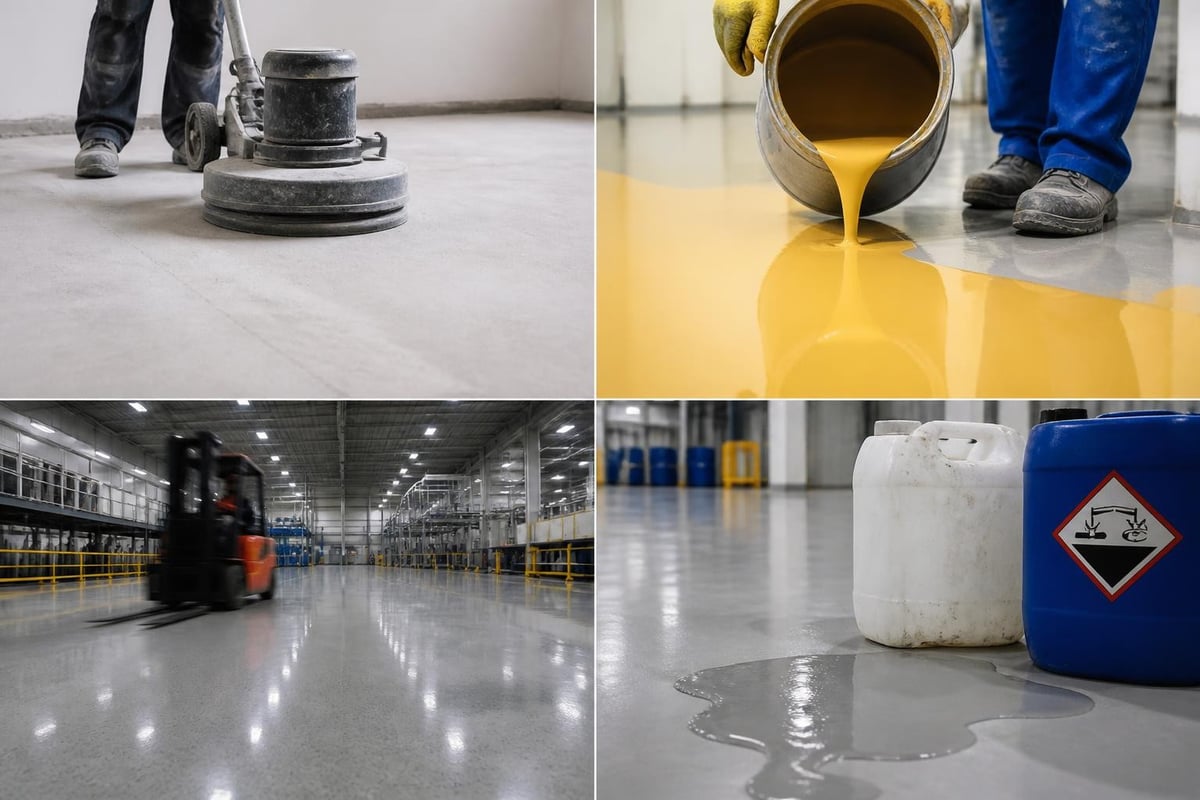
When commercial and industrial facility managers invest in new flooring, one question dominates the decision-making process: how long will it last? The durability of epoxy floors has made them the go-to choice for warehouses, factories, commercial kitchens, and retail spaces across South East Queensland. Understanding what contributes to this exceptional longevity helps businesses make informed flooring decisions and maximise their return on investment. Epoxy systems have evolved significantly over recent decades, with modern formulations offering superior performance characteristics that address the demanding needs of high-traffic commercial environments.
What Determines the Durability of Epoxy Floors
The durability of epoxy floors depends on multiple interconnected factors that begin before the first coat is applied. Substrate preparation stands as the most critical element, with properly prepared concrete providing the foundation for long-term performance.
Substrate Preparation Quality
Concrete surface preparation directly impacts how well epoxy adheres and performs over time. Grinding, shot blasting, or diamond grinding removes contaminants, opens the concrete pores, and creates the profile necessary for mechanical bonding.
Key preparation factors include:
- Removal of existing coatings, sealers, oils, and contaminants
- Achieving the correct concrete surface profile (CSP)
- Moisture testing and mitigation
- Repairing cracks, spalls, and surface defects
- Ensuring proper concrete curing time before application
Poor preparation leads to premature failure, regardless of coating quality. The concrete must be clean, dry, and structurally sound before epoxy application begins.
Coating Thickness and System Design
Epoxy systems range from thin-film coatings to self-levelling applications exceeding 3mm thickness. Thicker systems generally offer enhanced durability, but the right thickness depends on specific operational requirements.
| System Type | Typical Thickness | Best Applications | Expected Lifespan |
|---|---|---|---|
| Thin-film coating | 100-300 microns | Light traffic retail, offices | 3-5 years |
| Medium-build system | 500-1000 microns | Warehouses, workshops | 7-12 years |
| Heavy-duty system | 2-5mm | Factories, heavy industry | 15-20+ years |
| Self-levelling | 3-6mm | Commercial kitchens, chemical plants | 15-25+ years |
Thicker coatings withstand mechanical wear, thermal shock, and chemical attack more effectively than thin films. Epoxy flooring systems designed for industrial applications incorporate multiple layers with specific functions.
Traffic Intensity and Loading Conditions
Daily operational demands significantly influence how long epoxy floors maintain their appearance and structural integrity. Forklift traffic, pallet jack movements, and foot traffic create different wear patterns.

Heavy machinery with solid tyres generates point loads that can stress epoxy systems. Steel wheels create different challenges compared to polyurethane wheels. Understanding these variables helps in selecting appropriate coating specifications.
Traffic considerations include:
- Vehicle weight and wheel configuration
- Frequency of movements and operational hours
- Turning radius areas with concentrated stress
- Impact from dropped items or equipment
- Chemical spillage associated with operations
Facilities operating multiple shifts place greater demands on flooring systems than those with single-shift operations. The cumulative effect of continuous use accelerates wear patterns.
Chemical Resistance and Environmental Factors
The durability of epoxy floors in harsh chemical environments sets them apart from alternative flooring options. Commercial kitchens, food processing facilities, and manufacturing plants expose floors to aggressive substances daily.
Chemical Exposure Profiles
Different epoxy formulations offer varying degrees of chemical resistance. Novolac epoxies provide superior resistance compared to standard bisphenol A formulations, making them suitable for environments with extreme chemical exposure.
Common chemical challenges include:
- Acids from battery charging areas and manufacturing processes
- Alkalis from cleaning agents and industrial processes
- Solvents from automotive workshops and manufacturing
- Oils and greases from mechanical operations
- Food acids from commercial kitchens and processing facilities
Understanding chemical resistance helps in selecting the appropriate epoxy chemistry for specific environments. Testing protocols determine how different formulations respond to chemical exposure over time.
Temperature Variations and Thermal Shock
Commercial facilities often experience significant temperature fluctuations. Loading docks see outdoor temperatures while adjacent warehouse areas remain climate-controlled. Commercial kitchens subject floors to extreme heat from equipment and cold from refrigeration spills.
Epoxy systems expand and contract with temperature changes. Quality systems incorporate flexibility to accommodate these movements without cracking or delaminating. Thermal shock resistance becomes critical in environments like commercial kitchens where hot oil meets cold wash-down water.
Maintenance Impact on Longevity
Proper maintenance directly correlates with the durability of epoxy floors. Well-maintained systems outlast neglected installations by significant margins, often doubling their effective service life.
Daily and Weekly Cleaning Protocols
Regular cleaning prevents abrasive particles from grinding into the surface. Dust, sand, and debris act like sandpaper under traffic, gradually wearing down the coating.
Recommended cleaning schedule:
- Daily dust mopping or sweeping to remove loose debris
- Weekly damp mopping with pH-neutral cleaners
- Monthly deep cleaning with scrubber equipment
- Quarterly inspection for damage or wear patterns
- Annual professional assessment and minor repairs
Proper maintenance routines preserve both appearance and structural integrity. Aggressive cleaners or improper techniques can damage coatings, reducing their effective lifespan.
Protective Measures and Damage Prevention
Implementing protective strategies extends the durability of epoxy floors significantly. Simple measures prevent damage that would otherwise require costly repairs.
Facilities should consider walk-off mats at entrances to capture abrasive particles. Protective pads under equipment feet distribute loads and prevent point damage. Using proper wheels on carts and equipment reduces surface wear.
For facilities requiring exceptional floor protection, our team can assess your operational needs and recommend appropriate solutions. Industrial epoxy flooring installations incorporate design elements that address specific wear patterns and operational challenges unique to each facility.
Realistic Lifespan Expectations
Industry experience across thousands of installations provides clear data on epoxy floor longevity. Variables make precise predictions challenging, but general parameters help set realistic expectations.
Light Commercial Applications
Retail stores and office environments with minimal vehicle traffic typically see 10-15 years of service from properly installed medium-build epoxy systems. These environments feature predominantly foot traffic with occasional trolley or cart movements.
Wear appears gradually, usually manifesting as subtle gloss reduction in high-traffic pathways. The coating remains protective and functional even as cosmetic perfection diminishes.
Heavy Industrial Environments
Warehouses, factories, and workshops with significant forklift traffic require robust systems. Heavy-duty epoxy installations in these settings regularly achieve 15-20 year lifespans, with some exceeding 25 years when properly maintained.
Critical factors include:
- Initial coating thickness: Heavier systems provide more material to wear
- Traffic management: Designated pathways reduce random wear patterns
- Maintenance commitment: Regular cleaning and prompt repairs extend life
- Chemical exposure: Proper system selection for specific chemicals
- Installation quality: Professional application ensures proper bonding
Commercial flooring in South East Queensland faces unique challenges from tropical conditions, requiring systems designed for heat and humidity.
Special Purpose Facilities
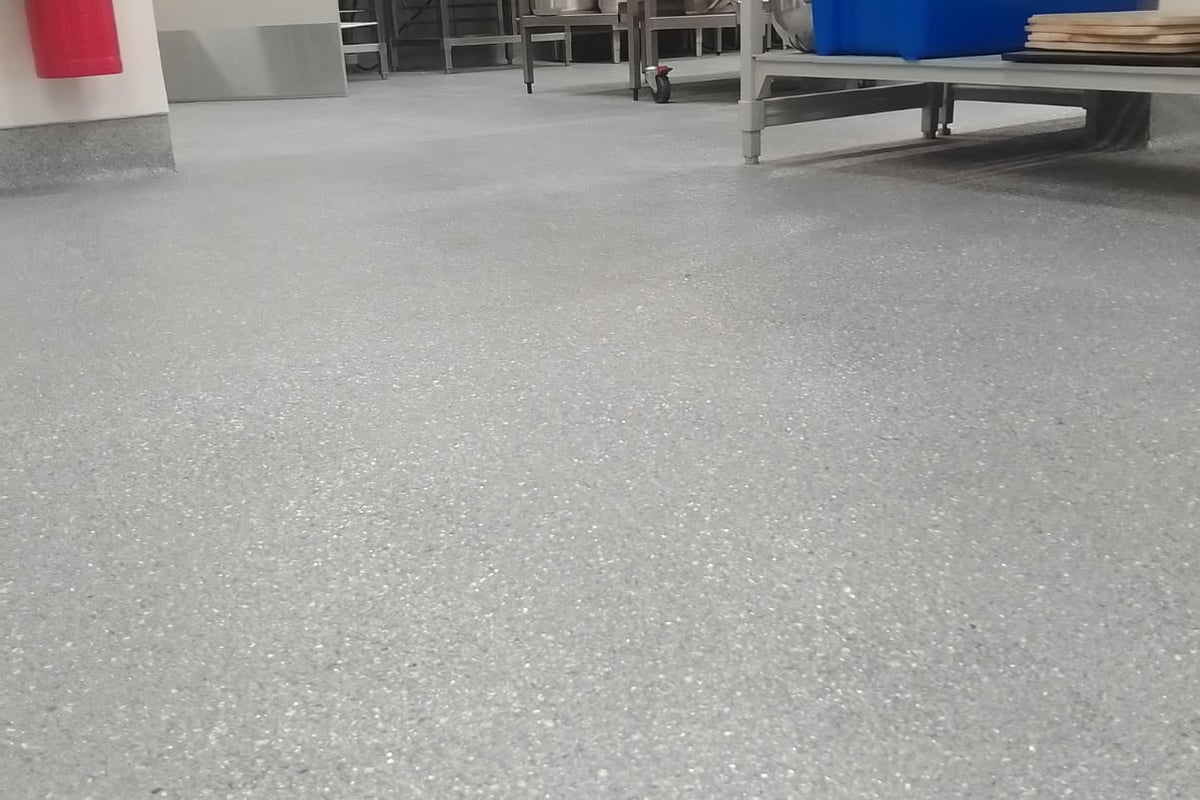
Commercial kitchens, food processing facilities, and chemical plants demand specialised epoxy formulations. These environments require enhanced chemical resistance and thermal shock capabilities.
Well-specified systems in these applications routinely serve 15-20 years before requiring replacement. The investment in premium systems pays dividends through reduced downtime and maintenance costs.
| Facility Type | Average Lifespan | Key Durability Factor | Maintenance Frequency |
|---|---|---|---|
| Retail stores | 10-15 years | Foot traffic wear | Weekly cleaning |
| Warehouses | 15-20 years | Forklift impact | Daily sweeping |
| Manufacturing | 12-18 years | Chemical exposure | Daily cleaning |
| Commercial kitchens | 15-20 years | Thermal shock | Multiple daily cleans |
| Car parks | 10-15 years | Tyre marks, oils | Weekly washing |
Installation Quality and Professional Application
The durability of epoxy floors relies heavily on installation expertise. Even premium products fail when improperly applied. Professional installers understand substrate conditions, environmental factors, and application techniques that determine long-term success.
Environmental Conditions During Installation
Temperature and humidity during application affect curing and final properties. Epoxy requires specific conditions for optimal cross-linking and adhesion development.
Ideal installation conditions include concrete temperatures between 10-30°C and relative humidity below 85%. Working outside these parameters compromises bonding and can reduce service life by years.
Professional applicators monitor conditions continuously and adjust product selection and application timing accordingly. Understanding these technical requirements separates quality installations from problematic ones.
Multi-Layer System Benefits
Professional epoxy installations typically involve multiple layers, each serving specific functions. Primer coats penetrate concrete and provide adhesion. Body coats build thickness and chemical resistance. Topcoats deliver abrasion resistance and appearance.
This layered approach creates redundancy. If the topcoat experiences wear, underlying layers continue protecting the concrete. Single-coat systems lack this protection margin.
Common Durability Issues and Prevention
Understanding failure modes helps prevent them. Most epoxy floor problems stem from predictable causes that proper planning addresses.
Delamination and Bonding Failures
Poor substrate preparation causes most delamination issues. Contaminated concrete, excessive moisture, or inadequate surface profile prevents proper adhesion.
Prevention strategies:
- Comprehensive concrete testing before installation
- Thorough cleaning and preparation protocols
- Moisture testing and mitigation when necessary
- Proper primer selection for substrate conditions
- Adequate cure time between coats
Delamination typically appears within the first year if installation quality was poor. Systems that survive initial curing generally perform well for their design life.
Wear Patterns and Abrasion
High-traffic areas naturally wear faster than protected zones. Forklift turning circles, entrance areas, and processing zones show accelerated wear.
Anticipating these patterns during design allows for localised reinforcement. Additional coating thickness in critical areas extends overall system life. Regular inspection identifies early wear, allowing preventive recoating before substrate exposure occurs.

UV Exposure and Discolouration
Standard epoxy formulations yellow when exposed to ultraviolet light. While this affects appearance, it doesn't necessarily compromise durability. Loading dock areas with outdoor exposure show this most prominently.
Aliphatic polyurethane topcoats provide UV resistance while maintaining the underlying epoxy's protective properties. This combination delivers both durability and appearance retention in challenging environments.
Cost-Effectiveness and Return on Investment
The durability of epoxy floors translates directly into economic value. Longer service life reduces replacement frequency and associated business disruption.
Lifecycle Cost Analysis
Initial installation costs represent only part of total ownership expense. Maintenance requirements, expected service life, and replacement costs complete the picture.
A warehouse floor costing $50 per square metre lasting 20 years delivers better value than a $30 system requiring replacement after 7 years. The premium system costs $2.50 annually per square metre versus $4.29 for the budget option.
Downtime for floor replacement carries significant hidden costs. Production interruptions, inventory relocations, and lost operational days often exceed direct flooring expenses.
Comparing Alternative Flooring Options
Epoxy competes with polished concrete, polyurethane systems, and tiles in commercial applications. Each offers distinct advantages, but few match epoxy's combination of chemical resistance, impact tolerance, and cost-effectiveness.
Polished concrete provides excellent durability in appropriate applications, particularly retail environments. However, it lacks the chemical resistance critical for manufacturing and food processing facilities.
Understanding which solution best serves specific operational requirements requires professional assessment. Warehouse flooring demands different characteristics than retail or food processing applications.
Extending Epoxy Floor Service Life
Proactive strategies maximise the durability of epoxy floors beyond standard expectations. Facilities implementing comprehensive floor management programmes regularly exceed projected service lives.
Recoating and Renewal Programmes
Periodic recoating adds years to epoxy floor life. Applying a fresh topcoat every 5-7 years maintains appearance and protective properties at a fraction of complete replacement cost.
This approach works best when underlying coats remain well-bonded. Surface preparation for recoating involves thorough cleaning and light abrading rather than complete removal.
Documentation and Performance Tracking
Maintaining installation records, maintenance logs, and performance observations helps predict when intervention becomes necessary. Photographic documentation tracks wear progression and informs maintenance scheduling.
Regular professional inspections identify minor issues before they escalate. Small repairs prevent localised failures from spreading and compromising larger areas.
Industry Standards and Quality Benchmarks
The durability of epoxy floors in commercial applications meets established industry standards. Australian Standards and international benchmarks provide frameworks for performance expectations.
AS/NZS Standards Compliance
Australian and New Zealand standards govern various aspects of epoxy flooring systems. Compliance ensures installations meet minimum performance requirements for commercial applications.
Professional installers maintain current knowledge of these standards and incorporate them into specification development. Quality assurance testing verifies that installed systems meet design criteria.
QBCC Licensing and Professional Installation
Queensland Building and Construction Commission licensing requirements ensure installers possess necessary skills and knowledge. Licensed contractors carry appropriate insurance and demonstrate industry competence.
Unlicensed installation carries significant risk. Warranty coverage, professional indemnity insurance, and recourse for defective work depend on proper licensing. The comprehensive approach to epoxy installation quality starts with qualified contractors.
Environmental Considerations and Sustainability
Modern epoxy systems incorporate environmental considerations without compromising durability. Low-VOC formulations, recycled content, and extended service life contribute to sustainable building practices.
Long Service Life and Resource Conservation
The extended lifespan of epoxy floors reduces material consumption over building lifecycles. A 20-year system requires replacement half as often as a 10-year alternative, conserving resources and reducing waste.
Epoxy's protective qualities preserve underlying concrete, extending structural service life. This reduces demolition waste and new construction demand, significant sustainability benefits.
Energy Efficiency Contributions
Light-coloured epoxy coatings improve facility lighting efficiency by reflecting more light. This reduces energy consumption for illumination, particularly in large warehouse environments.
Smooth, seamless surfaces facilitate cleaning with reduced water and chemical consumption. These operational efficiencies accumulate over years of service.
Performance in Specific Commercial Applications
Different commercial environments present unique challenges to the durability of epoxy floors. Understanding these helps in system selection and performance optimisation.
Manufacturing and Production Facilities
Manufacturing environments combine multiple stress factors: chemical exposure, heavy equipment, thermal variations, and continuous operation. Factory flooring must withstand this demanding combination.
Specialised formulations address specific manufacturing processes. Automotive facilities require oil resistance. Electronic manufacturing needs static dissipation. Food production demands antimicrobial properties and thermal shock resistance.
Commercial Car Parks and Loading Docks
Vehicle traffic, petroleum products, and weather exposure challenge car park flooring. Tyre marks, oil drips, and thermal cycling from sun exposure require robust systems.
UV-stable topcoats prevent yellowing. Enhanced chemical resistance handles automotive fluids. Flexible formulations accommodate concrete movement from temperature changes.
The durability of epoxy floors makes them an ideal long-term investment for commercial and industrial facilities throughout South East Queensland. Proper system selection, professional installation, and regular maintenance deliver decades of reliable service. Whether you operate a warehouse, factory, commercial kitchen, or retail facility, Superior Concrete Finishes brings decades of expertise to help you achieve flooring that performs throughout its design life. Contact our team to discuss how we can deliver a durable flooring solution tailored to your facility's specific operational demands.

Joshua Miller has over 15 years of experience in the commercial concrete flooring industry, specialising in epoxy flooring systems and polished concrete solutions for warehouses, factories, retail spaces and commercial developments. Joshua and his team work closely with builders, property owners and facility managers across South East Queensland to deliver durable, cost-effective commercial flooring systems for warehouses, industrial facilities, commercial kitchens, retail stores and large commercial developments.
Major builders and organisations Josh has led projects on include McNab, Hutchinson Builders, IKEA, Queensland Rail, University of Queensland, ADCO, Tomkins Commercial, Bunnings, OfficeWorks, Spotlight, and Anaconda.
If you're planning a project and need advice on the best commercial concrete flooring solution, contact Josh or one of the team at Superior Concrete Finishes.
-
 info@superiorconcretefinishes.com.au
-
1300 789 740
-
Connect with Josh on
LinkedIn


 Connect with Josh on