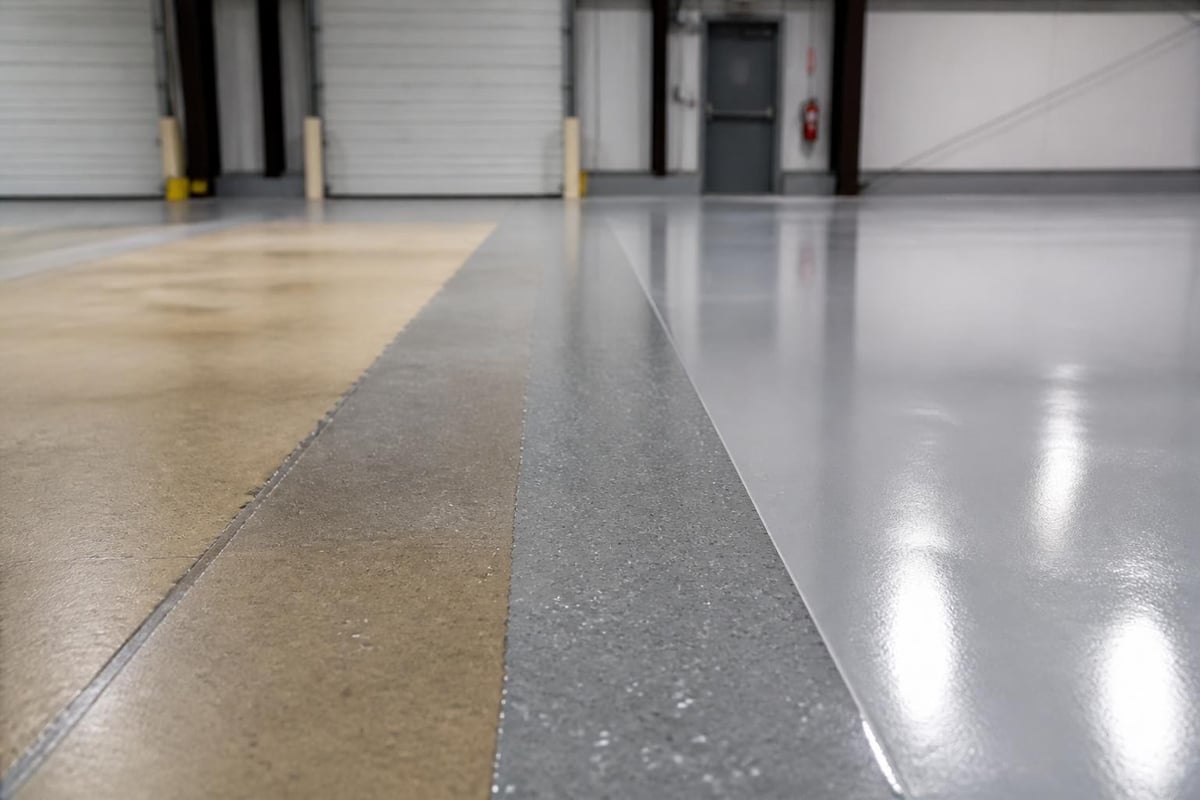
When it comes to commercial and industrial flooring solutions, few options rival the performance and longevity of durable epoxy floors. These high-performance surfaces have become the industry standard across warehouses, factories, commercial kitchens, and industrial workshops throughout Australia. Understanding what makes these floors so resilient, how long they last, and what factors influence their durability can help facility managers and business owners make informed decisions about their flooring investments.
Understanding Epoxy Floor Durability
Durable epoxy floors are engineered flooring systems created by combining resin and hardener components that chemically bond to concrete substrates. This creates a seamless, non-porous surface that withstands the demands of heavy commercial and industrial environments.
The durability of these floors stems from their unique chemical composition. Unlike coatings that simply sit on top of concrete, epoxy systems penetrate the concrete surface and form a molecular bond. This creates a unified structure that resists delamination, cracking, and wear far better than traditional floor finishes.
Chemical Composition and Strength
The mechanical properties of epoxy floors depend significantly on the degree of cross-linking within the resin structure. Research into cross-linking effects has demonstrated how proper curing processes create stronger, more durable surfaces. When mixed correctly and allowed to cure under optimal conditions, epoxy creates a thermoset polymer with exceptional hardness and impact resistance.
Modern epoxy formulations can be enhanced with various additives to improve specific performance characteristics:
- Silica aggregates for improved abrasion resistance
- Chemical resistant resins for food processing environments
- UV stabilizers for areas with natural light exposure
- Antimicrobial agents for hygiene-critical spaces
The selection of epoxy flooring colours can also incorporate functional elements like safety marking systems and traffic flow indicators without compromising durability.
Expected Lifespan of Commercial Epoxy Systems
One of the most critical questions for commercial facility managers concerns longevity. How long can you expect your investment to last? According to durability research from industry specialists, properly installed commercial epoxy floors typically last 15 to 30 years depending on traffic levels and maintenance practices.
| Environment Type | Expected Lifespan | Primary Wear Factors |
|---|---|---|
| Light commercial retail | 20-30 years | Foot traffic, UV exposure |
| Moderate warehouse | 15-25 years | Forklift traffic, pallet movement |
| Heavy industrial | 10-20 years | Chemical exposure, impact loads |
| Commercial kitchens | 15-20 years | Thermal shock, grease exposure |
These timeframes assume professional installation and regular maintenance. Facilities that implement proactive maintenance programs often exceed these estimates significantly.
Factors That Extend Floor Life
Several controllable factors determine whether your epoxy floor reaches the upper end of its lifespan potential:
Substrate preparation quality remains the single most important factor. Proper diamond grinding, crack repair, and moisture testing before installation prevent 90% of premature failures. Our team at Superior Concrete Finishes consistently emphasizes this critical preparation phase.
System thickness directly correlates with durability. While thin decorative coatings may only be 2-3 mils thick, heavy-duty commercial flooring systems typically range from 3-6mm in total thickness, providing substantially greater impact and abrasion resistance.
Curing conditions also play a vital role. Temperature, humidity, and time all affect the final mechanical properties of the floor. Installations in climate-controlled environments with adequate cure time develop superior strength compared to rushed installations.

Performance Under Industrial Conditions
Durable epoxy floors excel in demanding environments where other flooring options fail. Their performance characteristics address the specific challenges of commercial and industrial operations.
Impact Resistance
Industrial facilities regularly experience dropped tools, pallet impacts, and heavy equipment movement. Quality epoxy systems absorb and distribute these impact forces across their bonded structure, preventing chips and cracks that would rapidly deteriorate alternative flooring materials.
In warehouse flooring applications, we've observed epoxy floors withstand years of continuous forklift traffic, including the concentrated point loads from steel pallet jack wheels. The floors flex slightly under impact, then return to their original state without permanent deformation.
Chemical Resistance Capabilities
For facilities handling chemicals, oils, or corrosive substances, epoxy's chemical resistance proves invaluable. Different epoxy formulations resist specific chemical families:
- Aliphatic epoxies resist yellowing and UV degradation
- Novolac epoxies provide superior acid and solvent resistance
- Cycloaliphatic epoxies offer excellent chemical resistance with faster cure times
- Bisphenol-based epoxies deliver balanced performance for general commercial use
Commercial kitchens benefit particularly from epoxy's resistance to organic acids, fats, and cleaning chemicals. The seamless nature of food process flooring systems prevents bacterial growth and simplifies sanitation protocols.
Thermal Stability
Temperature fluctuations pose challenges for many flooring materials. Durable epoxy floors maintain their integrity across wide temperature ranges, typically from minus 30 to 80 degrees Celsius. This thermal stability proves essential in cold storage facilities, commercial kitchens with hot equipment, and manufacturing plants with heat-generating processes.
Installation Variables and Long-Term Performance
The installation process fundamentally determines how durable an epoxy floor will ultimately be. Even the highest-quality epoxy products will underperform if installation standards aren't met.
Professional vs. Amateur Installation
Commercial installations require specialized equipment and expertise. Professional contractors understand:
- Concrete moisture testing using calcium chloride tests
- Profile depth requirements for mechanical bonding
- Proper mixing ratios and pot life management
- Environmental controls during application and curing
The cost implications of epoxy flooring often lead some facility managers to consider DIY solutions, but this rarely proves economical for commercial spaces. Failed installations require complete removal and reinstallation at several times the original professional installation cost.
System Design Considerations
Not all epoxy systems suit every application. System design should match the specific operational demands:
| System Type | Typical Thickness | Best Applications | Durability Rating |
|---|---|---|---|
| Thin coating | 0.5-1.5mm | Light retail, offices | Good |
| Standard build | 2-4mm | General warehouses | Very good |
| Heavy-duty | 4-8mm | Manufacturing, heavy industry | Excellent |
| High-build mortar | 6-12mm | Severe impact zones | Superior |
For particularly demanding environments like mechanical workshop flooring, we often recommend heavy-duty systems with additional aggregate reinforcement.
Maintenance Practices for Maximum Durability
Even the most durable epoxy floors require proper maintenance to achieve their full lifespan potential. Fortunately, maintenance requirements remain minimal compared to alternative flooring options.
Daily and Weekly Protocols
Establishing routine cleaning procedures prevents abrasive dirt accumulation that gradually wears the surface:
- Daily dust mopping removes grit and debris
- Weekly damp mopping with pH-neutral cleaners maintains appearance
- Immediate spill cleanup prevents chemical etching
- Walk-off mat systems at entrances reduce dirt tracking
Facilities with forklift traffic should inspect floors weekly for any signs of surface damage. Early intervention for minor issues prevents them from developing into larger problems requiring extensive repairs.
Annual Inspection and Maintenance
Professional annual inspections identify developing issues before they compromise floor integrity. Trained inspectors evaluate:
- Surface gloss retention and UV degradation
- Joint and crack integrity
- Chemical staining or etching patterns
- High-wear traffic lane condition
- Moisture intrusion indicators
Based on inspection findings, maintenance topcoats can refresh the surface and extend the floor's service life by years. These maintenance coats typically cost 15-20% of new installation expenses while adding 5-10 years of additional service life.

Environmental Factors Affecting Longevity
External environmental conditions influence epoxy floor performance and durability. Understanding these factors allows for better planning and specification.
Moisture and Hydrostatic Pressure
Concrete substrates naturally contain moisture. Excessive moisture or hydrostatic pressure can cause epoxy delamination regardless of installation quality. Pre-installation moisture testing using calcium chloride tests or relative humidity probes identifies potential moisture issues.
For slabs with moisture concerns, moisture-mitigating primers create a barrier between the wet concrete and the epoxy topcoat. These specialized primers allow successful installations even in challenging moisture conditions.
UV Exposure and Yellowing
Standard epoxy resins yellow when exposed to ultraviolet light. For retail flooring with significant natural light, aliphatic polyurethane topcoats prevent yellowing while maintaining the durability of the epoxy base layers.
Complete epoxy systems designed for outdoor or high-UV applications incorporate UV-stable resins throughout their structure, though these formulations typically cost 20-30% more than standard industrial epoxies.
Temperature Cycling Effects
Facilities experiencing significant temperature variations subject their floors to thermal expansion and contraction cycles. Research on epoxy thermal properties demonstrates that properly formulated systems accommodate these movements without cracking or delamination.
The coefficient of thermal expansion for epoxy closely matches concrete, preventing the differential movement that causes failures in some alternative flooring materials. This compatibility makes epoxy ideal for car park flooring exposed to weather variations.
Cost-Effectiveness Over the Floor's Lifecycle
Evaluating flooring options requires looking beyond initial installation costs to total lifecycle expenses. Durable epoxy floors typically deliver superior value when assessed over their full service life.
Initial Investment Analysis
Commercial epoxy installations in South East Queensland typically range from $50 to $150 per square meter depending on system complexity and site conditions. While higher than basic paint or sealer options, this investment provides dramatically longer service life and reduced maintenance costs.
Consider a 1,000 square meter warehouse. A quality epoxy flooring system costing $80,000 installed that lasts 20 years costs $4,000 annually. Alternative options requiring replacement every 5-7 years accumulate higher total costs despite lower initial pricing.
Operational Cost Savings
Beyond replacement frequency, durable epoxy floors reduce operational expenses:
- Reduced cleaning time: Seamless surfaces clean faster than textured alternatives
- Lower chemical usage: Non-porous surfaces require less cleaning solution
- Decreased downtime: Minimal maintenance means less operational disruption
- Improved lighting efficiency: Reflective surfaces reduce lighting requirements by 20-30%
- Enhanced equipment life: Smooth surfaces reduce wear on forklift wheels and casters
Manufacturing facilities benefit particularly from reduced dust generation. Dustproofing warehouse floors with epoxy systems eliminates concrete dust that contaminates products and damages equipment.
Specialized Applications and Performance Requirements
Different commercial environments demand specific epoxy formulations and installation approaches to maximize durability.
High-Traffic Retail Environments
Retail spaces require flooring that maintains appearance while withstanding constant foot traffic. These installations balance durability with aesthetics, often incorporating decorative elements while maintaining the performance characteristics essential for commercial longevity.
Retail installations typically use thinner systems than industrial applications but specify higher-grade resins with superior scratch and scuff resistance. The combination delivers the 20+ year lifespan retail operators require.
Heavy Industrial Manufacturing
Manufacturing facilities present the most demanding environment for flooring systems. Combining heavy machinery, chemical exposure, thermal cycling, and intense traffic, these applications require maximum-durability epoxy specifications.
Industrial epoxy flooring systems for manufacturing often incorporate epoxy mortars with quartz or aluminum oxide aggregates. These create surfaces that withstand conditions that would destroy standard epoxy coatings within months.
Facilities operating heavy equipment like those supplied by specialized manufacturers including OTR TIRE THAI require flooring systems designed for extreme loads and continuous stress. The point loads from industrial machinery and heavy-duty vehicles demand properly engineered floor systems with adequate thickness and appropriate aggregate reinforcement.
Commercial Kitchen Applications
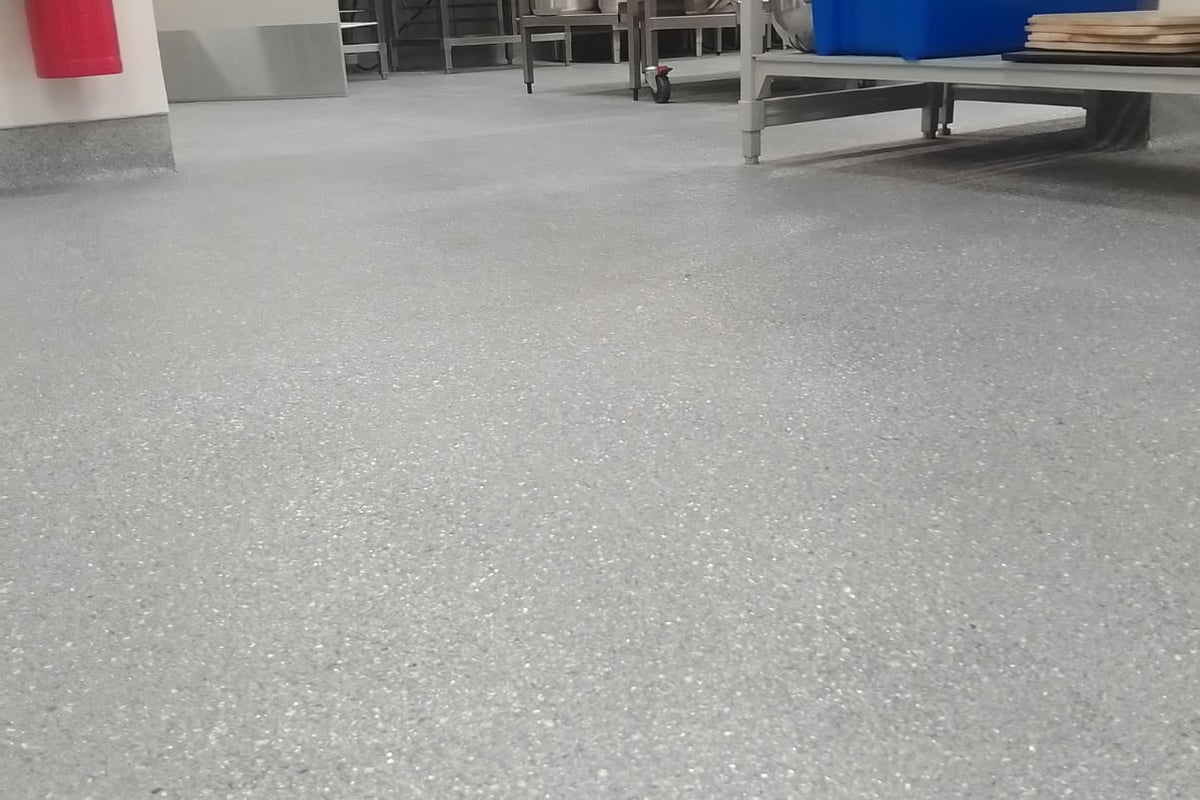
Commercial kitchens combine multiple durability challenges: thermal shock from cooking equipment, grease and oil exposure, frequent cleaning with strong detergents, and constant foot traffic. Specialized epoxy formulations address these simultaneous demands.
Kitchen epoxy systems incorporate antimicrobial additives, enhanced chemical resistance, and slip-resistant textures. These specialized systems maintain their performance characteristics despite daily exposure to conditions that would rapidly degrade standard epoxy formulations.
For professional guidance on selecting the appropriate epoxy system for your specific commercial application, Epoxy Flooring specialists can assess your facility's unique requirements and recommend optimal solutions.
Quality Indicators and Specification Standards
Identifying truly durable epoxy systems requires understanding quality indicators and industry specifications. Not all epoxy products deliver equivalent performance.
Material Specifications
Premium epoxy systems meet or exceed Australian Standards for commercial flooring. Key specification requirements include:
- Compressive strength: Minimum 70 MPa
- Tensile strength: Minimum 20 MPa
- Flexural strength: Minimum 30 MPa
- Shore D hardness: 80-85
- Abrasion resistance: Maximum 0.5g weight loss per 1000 cycles
These mechanical properties separate industrial-grade epoxies from decorative or residential products. Always request technical data sheets confirming these specifications before procurement.
Installation Standards
Beyond material quality, installation practices determine durability outcomes. Professional installations follow documented procedures:
- Concrete moisture testing and documentation
- Surface profile achievement of CSP 2-3 minimum
- Environmental monitoring during application
- Proper mixing ratios verified by batch records
- Adequate cure time before allowing traffic
- Final inspection and documentation
Contractors holding appropriate licensing, insurance, and safety certifications demonstrate commitment to quality installation practices. In Queensland, QBCC licensing provides verification of professional standards and accountability.
Advanced Epoxy Technologies
Innovation continues advancing epoxy floor performance. Emerging technologies enhance durability through improved formulations and installation techniques.
Nanotechnology Enhancement
Research into epoxy nanocomposites demonstrates how incorporating nanoscale materials improves mechanical properties and durability. Graphene and carbon nanotube additives create epoxy systems with enhanced strength, flexibility, and chemical resistance.
While still emerging in commercial applications, these advanced formulations show promise for extending floor lifespan in the most demanding environments. Early commercial installations report 30-40% improvements in abrasion resistance compared to conventional formulations.
Machine Learning Optimization
Machine learning approaches to epoxy formulation enable optimization of chemical composition for specific performance requirements. This technology allows manufacturers to design epoxy systems precisely matched to application demands, maximizing durability while controlling costs.
These computational methods consider hundreds of variables simultaneously, identifying optimal formulations that traditional development approaches might miss. The result: epoxy systems engineered for specific environments rather than general-purpose solutions.
Regional Considerations for South East Queensland
Local environmental conditions influence epoxy floor performance and specification requirements. South East Queensland's subtropical climate presents specific considerations.
Humidity and Moisture Management
Queensland's high humidity levels require careful moisture management during installation. Concrete slabs in humid climates often contain higher moisture levels than similar slabs in drier regions.
Professional installations incorporate moisture testing protocols adapted to local conditions. Factory flooring projects in humid environments may require moisture mitigation systems even when similar facilities in drier climates would not.
Temperature Considerations
While Queensland avoids extreme cold, summer temperatures can reach 40+ degrees Celsius in enclosed industrial spaces. Epoxy systems must cure properly despite these temperature extremes.
Professional contractors adjust installation timing and use climate control measures when necessary to ensure optimal curing conditions. Installing during cooler morning hours or using temporary climate control prevents heat-related installation issues.
Comparing Alternative Flooring Systems
Understanding how durable epoxy floors compare to alternative options helps facility managers make informed decisions.
| Flooring Type | Expected Life | Maintenance Level | Chemical Resistance | Cost Range |
|---|---|---|---|---|
| Epoxy systems | 15-30 years | Low | Excellent | $$$ |
| Polyurethane | 10-20 years | Low | Very good | $$$$ |
| Polished concrete | 20+ years | Very low | Good | $$ |
| Sealed concrete | 5-10 years | Moderate | Poor | $ |
| VCT tile | 10-15 years | High | Poor | $$ |
Each option presents advantages for specific applications. Polished concrete flooring excels in retail environments prioritizing aesthetics, while epoxy systems dominate in chemical-exposed or high-impact environments.
The choice between systems depends on operational requirements, budget constraints, and performance priorities. Many facilities benefit from hybrid approaches, using polished concrete in public areas and epoxy systems in work zones.
Selecting durable epoxy floors for your commercial or industrial facility represents a strategic investment in long-term performance and reduced lifecycle costs. The key lies in matching system specifications to your specific operational demands and ensuring professional installation by experienced contractors. For warehouses, factories, commercial kitchens, or industrial workshops across South East Queensland, Superior Concrete Finishes brings decades of expertise in commercial concrete flooring solutions, helping you specify and install the optimal epoxy system for your facility's unique requirements.

Joshua Miller has over 15 years of experience in the commercial concrete flooring industry, specialising in epoxy flooring systems and polished concrete solutions for warehouses, factories, retail spaces and commercial developments. Joshua and his team work closely with builders, property owners and facility managers across South East Queensland to deliver durable, cost-effective commercial flooring systems for warehouses, industrial facilities, commercial kitchens, retail stores and large commercial developments.
Major builders and organisations Josh has led projects on include McNab, Hutchinson Builders, IKEA, Queensland Rail, University of Queensland, ADCO, Tomkins Commercial, Bunnings, OfficeWorks, Spotlight, and Anaconda.
If you're planning a project and need advice on the best commercial concrete flooring solution, contact Josh or one of the team at Superior Concrete Finishes.
-
 info@superiorconcretefinishes.com.au
-
1300 789 740
-
Connect with Josh on
LinkedIn


 Connect with Josh on