
Selecting the right epoxy coating contractors for commercial and industrial flooring projects requires careful consideration of multiple factors. In 2026, the Australian commercial flooring industry demands higher standards than ever before, with strict compliance requirements, advanced application techniques, and long-term performance expectations. Whether you're managing a warehouse renovation, factory upgrade, or commercial carpark installation, understanding what separates qualified contractors from the rest can save significant time, money, and operational disruption down the track.
Essential Qualifications and Licensing Requirements
Professional epoxy coating contractors must hold appropriate licencing to operate legally in Queensland. The Queensland Building and Construction Commission (QBCC) licence is mandatory for contractors working on commercial projects, ensuring they meet industry standards and maintain professional accountability.
Beyond basic licensing, experienced contractors carry comprehensive insurance coverage. This includes public liability insurance and professional indemnity, protecting clients from potential damages or application failures. The financial protection these policies provide becomes particularly important on large-scale commercial installations.
Key credentials to verify include:
- Current QBCC licence with relevant class
- Public liability insurance (minimum $20 million coverage)
- Workers compensation insurance
- Professional indemnity insurance
- Safety certifications and compliance documentation
Industry certifications demonstrate a contractor's commitment to quality and ongoing professional development. While not all certifications are mandatory in Australia, they indicate a higher level of expertise and adherence to international standards. The AMPP’s QP Program sets quality standards for coatings contractors, emphasizing the importance of accreditation and quality assurance in epoxy coating applications.
Technical Expertise and Application Methods
The application of epoxy coatings demands specialised technical knowledge. Different environments require different epoxy systems, and qualified contractors must understand which formulations suit specific conditions. Epoxy flooring systems vary significantly in their chemical composition, curing times, and performance characteristics.
Professional contractors maintain up-to-date knowledge of product specifications and manufacturer requirements. They understand substrate preparation, moisture testing, and environmental conditions that affect application success. Temperature and humidity levels during installation can dramatically impact coating performance, and experienced contractors know how to work within optimal parameters.
Project Assessment and Site Evaluation Process
Reputable epoxy coating contractors begin every project with a thorough site assessment. This evaluation identifies potential challenges, existing substrate conditions, and specific environmental factors that may affect installation. The assessment phase separates professional contractors from those who simply quote based on square meterage.
During site evaluation, contractors should examine:
- Existing concrete condition and structural integrity
- Moisture levels and potential vapour transmission
- Surface contamination or previous coating remnants
- Traffic patterns and operational requirements
- Chemical exposure risks and cleaning protocols
- Drainage requirements and slip resistance needs

Professional contractors use specialised equipment to measure concrete moisture content and surface profile. These objective measurements ensure the substrate meets manufacturer specifications before coating application begins. The Federal Highway Administration guidelines detail specifications and quality control measures crucial for contractors working with epoxy systems.
Material Selection and System Design
Choosing appropriate epoxy systems requires understanding the specific demands of each commercial environment. Warehouses, commercial kitchens, and manufacturing facilities each present unique challenges. Professional contractors recommend systems based on chemical resistance requirements, impact tolerance, and operational schedules.
| Application Environment | Primary Requirements | Recommended System Type |
|---|---|---|
| Warehouses | Impact resistance, forklift traffic | High-build epoxy, 3-5mm thickness |
| Commercial Kitchens | Chemical resistance, hygiene compliance | Food-grade epoxy with cove base |
| Manufacturing Facilities | Chemical resistance, heavy loads | Industrial-grade epoxy with reinforcement |
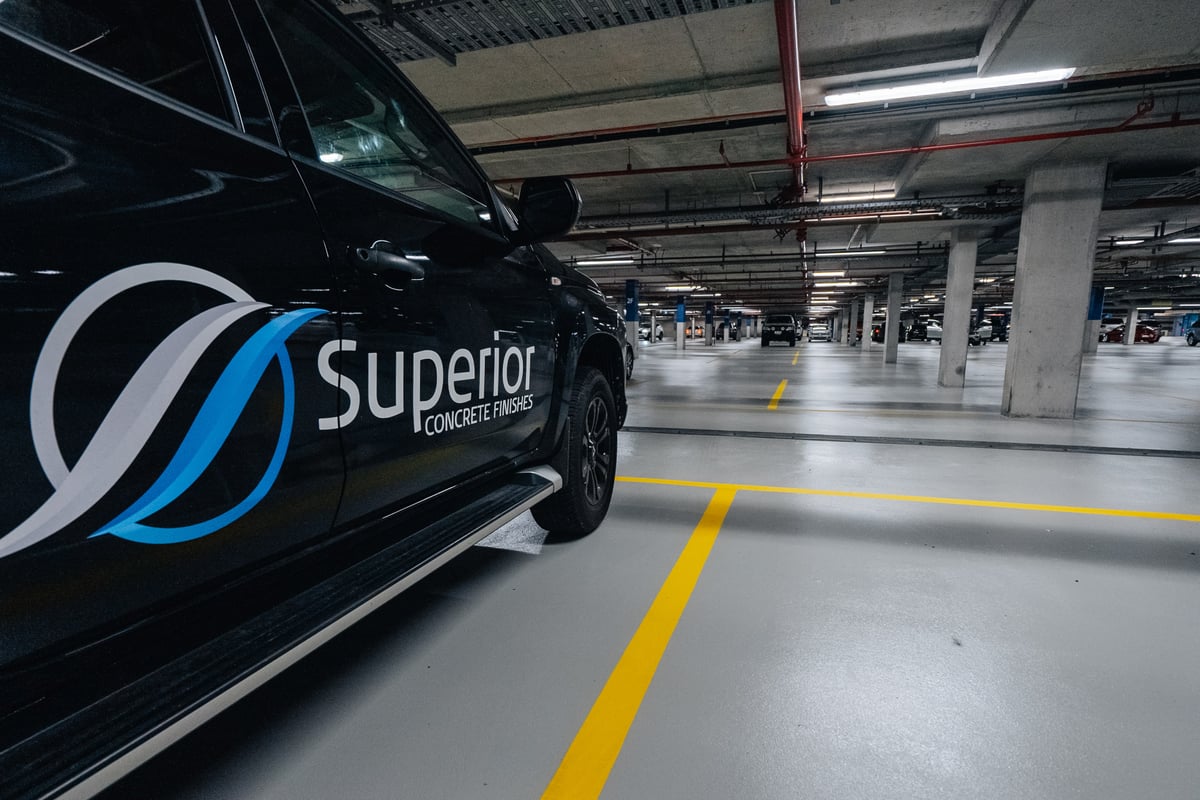
| Carparks | Weather resistance, UV stability | Moisture-tolerant epoxy with topcoat |
The material selection process should involve detailed discussions about operational requirements. Contractors must understand cleaning procedures, chemical exposure risks, and future maintenance plans. This information directly influences which epoxy formulation will deliver optimal long-term performance.
Installation Standards and Quality Control
Professional epoxy coating contractors follow strict installation protocols that ensure consistent quality across every project. These standards begin with comprehensive surface preparation, which accounts for approximately 80% of coating success. Contractors using mechanical grinding, shot blasting, or diamond grinding achieve the surface profile necessary for proper adhesion.
Quality control measures throughout installation include:
- Documented surface preparation procedures
- Moisture testing at multiple locations
- Mixed material batch records and cure time monitoring
- Application thickness measurements
- Environmental condition logging during installation
- Post-installation inspection and quality verification
When considering epoxy resin concrete floors, understanding the contractor's quality control processes becomes essential. Documented procedures demonstrate professionalism and provide accountability if issues arise later.
Timeline Management and Operational Disruption
Commercial projects require careful scheduling to minimise operational disruption. Experienced contractors develop realistic timelines that account for surface preparation, application, and curing periods. They communicate these schedules clearly and maintain progress throughout the project.
Fast-cure epoxy systems allow quicker return to service, but contractors must balance speed with performance requirements. Some applications benefit from longer cure times that deliver superior chemical resistance and mechanical properties. Professional contractors recommend systems based on operational needs rather than simply offering the quickest installation.
Performance Warranties and Long-Term Support
The warranty offered by epoxy coating contractors reveals their confidence in workmanship and materials. Comprehensive warranties cover both product performance and installation quality, typically ranging from five to fifteen years for commercial applications.
Standard warranty components include:
- Material defect coverage
- Installation workmanship guarantees
- Delamination and adhesion failure protection
- Specified performance criteria maintenance
- Clear exclusions and maintenance requirements
Professional contractors provide detailed maintenance guidelines that preserve warranty validity. These documents outline appropriate cleaning methods, chemical exposure limits, and routine inspection schedules. Following these guidelines ensures the flooring system delivers its expected service life.
Case studies from contractors demonstrate real-world performance in similar applications. For example, wastewater facility installations showcase epoxy coating durability in highly aggressive chemical environments, while industrial workshop projects highlight impact resistance under heavy machinery loads.
Maintenance Programs and Ongoing Service
Reputable contractors offer ongoing maintenance programs that extend coating life and preserve appearance. These services include periodic inspections, spot repairs, and recoating recommendations. Establishing a relationship with your contractor beyond initial installation provides valuable support as your flooring system ages.
Maintenance programs typically include scheduled inspections at six-month or twelve-month intervals. During these visits, contractors assess wear patterns, identify potential issues, and recommend preventative measures. This proactive approach prevents minor problems from developing into costly failures.
Cost Structure and Value Assessment
Understanding how epoxy coating contractors price their services helps evaluate proposals accurately. Professional quotes itemise costs for surface preparation, materials, labour, and project management. This transparency allows meaningful comparison between contractors.
| Cost Component | Percentage of Total | What It Includes |
|---|---|---|
| Surface Preparation | 30-40% | Grinding, repairs, cleaning, moisture mitigation |
| Materials | 25-35% | Epoxy resin, hardener, additives, topcoats |
| Labour | 25-35% | Application, quality control, project supervision |
| Project Management | 5-10% | Planning, documentation, warranty administration |
The lowest quote rarely represents the best value in commercial epoxy flooring. Contractors who underprice often cut corners on surface preparation or use inferior materials. These shortcuts lead to premature failures that cost far more than initial savings.
Experienced contractors explain their pricing structure and justify material selections. They provide references from similar projects and demonstrate how their approach delivers long-term value. This transparency builds confidence in their expertise and professionalism.
Industry Standards and Compliance Requirements
Professional epoxy coating contractors maintain current knowledge of relevant Australian Standards and industry best practices. While specific epoxy flooring standards vary by application, contractors should demonstrate familiarity with material specifications and testing protocols.
ASTM standards outline minimum criteria for epoxy barrier coatings in various applications, providing essential guidelines for contractors. Understanding these specifications ensures contractors select appropriate materials and follow proper application procedures.
For specialised applications like water infrastructure, AWWA C210 standards govern liquid-epoxy coatings and linings, offering insights into application, materials, and performance expectations. While not all commercial flooring projects require this level of specification, contractors familiar with these standards demonstrate broader technical competence.
Safety Compliance and Workplace Management
Commercial epoxy installations require strict safety protocols. Contractors must maintain comprehensive safety management systems that protect workers and building occupants during installation. This includes proper ventilation procedures, chemical handling protocols, and personal protective equipment requirements.
Professional contractors provide Safety Data Sheets (SDS) for all materials used on site. They conduct toolbox meetings before starting work and maintain incident reporting systems. These practices demonstrate professionalism and reduce liability risks for property owners.
The application of epoxy coatings in operational facilities requires additional safety considerations. Contractors must coordinate with facility managers to isolate work areas, maintain air quality, and ensure safe access routes. This coordination becomes particularly important in factory flooring projects where manufacturing continues in adjacent areas.
Contractor Experience in Commercial Applications
The complexity of commercial epoxy projects demands contractors with specific experience in similar applications. Residential epoxy contractors often lack the expertise required for large-scale industrial installations. When evaluating potential contractors, review their portfolio of commercial work and verify they've completed projects of comparable scope and specification.
Experienced commercial contractors understand the unique challenges of different facility types. Warehouse flooring demands different considerations than retail flooring, and contractors should articulate these differences when discussing your project.
Portfolio examples should demonstrate:
- Similar facility types and operational requirements
- Comparable project scale and complexity
- Successful completion within operational facilities
- Long-term performance documentation
- Client references and testimonials
Request site visits to completed projects whenever possible. Observing installed flooring systems provides insights into workmanship quality and long-term performance. Speak with facility managers about their experience working with the contractor and how the flooring has performed over time.
Communication and Project Management Capabilities
Effective communication separates exceptional contractors from average ones. Throughout the project lifecycle, contractors should provide regular updates, address concerns promptly, and maintain transparency about challenges or changes. This communication builds trust and ensures project alignment with your expectations.
Professional contractors assign dedicated project managers who serve as single points of contact. These managers coordinate trades, manage schedules, and resolve issues as they arise. Clear communication channels prevent misunderstandings and keep projects moving forward efficiently.
Documentation practices reflect contractor professionalism. Comprehensive project documentation includes surface preparation reports, material certifications, application records, and as-built drawings. These documents prove invaluable for future maintenance planning and warranty claims.
Regional Expertise and Local Market Knowledge
Contractors operating in South East Queensland understand regional environmental conditions that affect epoxy performance. Humidity levels, temperature fluctuations, and seasonal weather patterns all influence installation timing and material selection. Local contractors bring this knowledge to project planning and execution.
Regional expertise also includes familiarity with local suppliers, building inspectors, and compliance requirements. Established contractors maintain relationships that facilitate smooth project delivery and ensure materials arrive on schedule. This local network becomes particularly valuable when projects encounter unexpected challenges.
Understanding epoxy flooring colour options suited to Queensland's climate helps contractors recommend systems that maintain appearance despite UV exposure and temperature cycling. Not all epoxy formulations perform equally in tropical and subtropical conditions, and regional contractors know which products deliver lasting results.
Evaluating Contractor Proposals and Making Selections
When comparing proposals from multiple epoxy coating contractors, look beyond price to assess overall value and capability. A comprehensive proposal demonstrates the contractor's understanding of your project requirements and their approach to delivering quality results.
Strong proposals should include:
- Detailed scope of work with specific materials and methods
- Clear timeline with milestone dates
- Itemised pricing breakdown
- Warranty terms and conditions
- Safety management plan overview
- Quality control procedures
- Client references and portfolio examples
Schedule meetings with shortlisted contractors to discuss their proposals in detail. Ask about their experience with similar projects, approach to challenges, and availability to meet your timeline. These conversations reveal professionalism and technical competence that proposals alone cannot convey.
Verify credentials and insurance coverage before making final selections. Request copies of licences, insurance certificates, and safety records. Professional contractors readily provide this documentation and appreciate clients who conduct thorough due diligence.
Selecting qualified epoxy coating contractors requires thorough evaluation of credentials, experience, and project approach. By focusing on technical expertise, quality standards, and proven commercial experience, you'll identify contractors capable of delivering durable, high-performance flooring systems. If you're planning a commercial flooring project in South East Queensland, Superior Concrete Finishes brings decades of industry experience to warehouses, factories, retail stores, and industrial facilities throughout the region. Our fully insured, QBCC-licensed team specialises in epoxy and polished concrete solutions tailored to your operational requirements.

Joshua Miller has over 15 years of experience in the commercial concrete flooring industry, specialising in epoxy flooring systems and polished concrete solutions for warehouses, factories, retail spaces and commercial developments. Joshua and his team work closely with builders, property owners and facility managers across South East Queensland to deliver durable, cost-effective commercial flooring systems for warehouses, industrial facilities, commercial kitchens, retail stores and large commercial developments.
Major builders and organisations Josh has led projects on include McNab, Hutchinson Builders, IKEA, Queensland Rail, University of Queensland, ADCO, Tomkins Commercial, Bunnings, OfficeWorks, Spotlight, and Anaconda.
If you're planning a project and need advice on the best commercial concrete flooring solution, contact Josh or one of the team at Superior Concrete Finishes.
-
 info@superiorconcretefinishes.com.au
-
1300 789 740
-
Connect with Josh on
LinkedIn


 Connect with Josh on