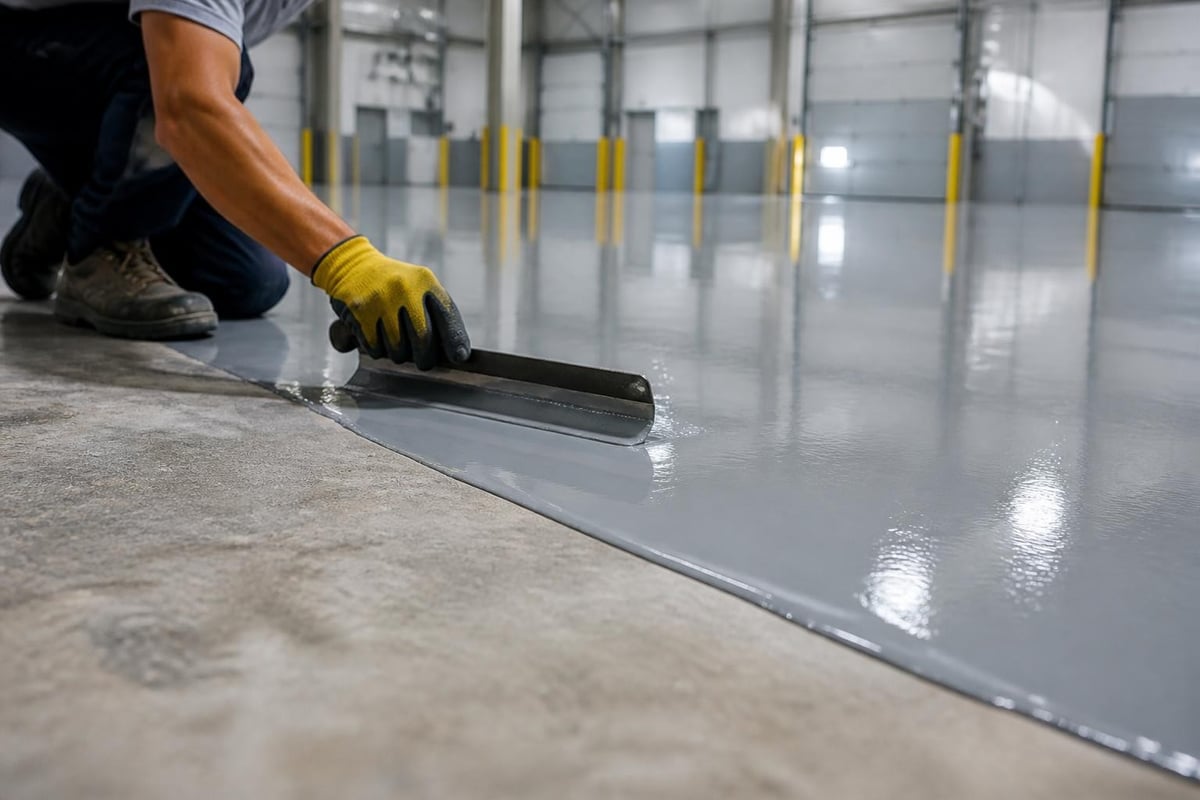
Epoxy coating for concrete has become the industry standard for commercial and industrial facilities across Australia, delivering unmatched durability, chemical resistance, and longevity. From warehouses handling heavy forklift traffic to commercial kitchens requiring stringent hygiene standards, these high-performance coatings provide a protective barrier that extends the lifespan of concrete substrates while maintaining operational efficiency. Understanding the composition, application methods, and performance characteristics of epoxy systems enables facility managers and business owners to make informed decisions about their flooring investments. This comprehensive guide explores the technical aspects, practical benefits, and long-term value that epoxy coating for concrete delivers in demanding commercial environments throughout South East Queensland and beyond.
Understanding Epoxy Coating Chemistry and Performance
Epoxy coating for concrete consists of two primary components that undergo a chemical reaction to form a rigid, protective surface. The resin and hardener combine through an exothermic process, creating molecular bonds that adhere tenaciously to properly prepared concrete substrates.
The chemical structure of epoxy coatings provides exceptional resistance to a wide range of industrial chemicals, oils, solvents, and cleaning agents. Research on protective coating performance under harsh conditions demonstrates how epoxy systems maintain their adhesion strength and protective capabilities even when exposed to freeze-thaw cycles and chloride contamination.
Key Performance Characteristics
Modern epoxy formulations deliver measurable benefits across multiple performance categories:
- Compressive strength: Epoxy coatings add structural reinforcement to concrete surfaces
- Abrasion resistance: Superior durability against foot traffic, vehicles, and equipment
- Chemical resistance: Protection against acids, alkalis, petroleum products, and solvents
- Moisture barrier: Prevents water penetration and substrate degradation
- Seamless finish: Eliminates joints where bacteria and contaminants accumulate
The thickness of epoxy coating for concrete significantly impacts its protective capabilities. Commercial applications typically require coatings between 2-6 millimetres, with heavier-duty industrial environments demanding thicker builds to withstand extreme operational demands.
| Coating Thickness | Typical Application | Expected Durability |
|---|---|---|
| 2-3mm | Retail, offices | 8-12 years |
| 3-5mm | Warehouses, workshops | 12-18 years |
| 5-6mm+ | Factories, heavy industrial | 18-25+ years |
Understanding the long-term effectiveness of epoxy coatings provides valuable insights into how these systems perform over extended periods. Studies examining epoxy-coated reinforcement after 24 years of field exposure confirm the material's ability to maintain protective properties when properly applied.
Surface Preparation Requirements for Optimal Adhesion
Successful epoxy coating for concrete installation begins long before the first coat touches the floor. Surface preparation represents the most critical phase, directly determining adhesion strength and coating longevity.
Professional contractors employ multiple preparation techniques depending on substrate condition:
- Diamond grinding: Removes surface contaminants and creates optimal surface profile
- Shot blasting: Opens concrete pores for maximum mechanical bonding
- Acid etching: Chemical preparation for specific substrate conditions
- Moisture testing: Confirms substrate is dry enough to accept coating
- Crack repair: Addresses structural issues before coating application
The concrete substrate must achieve specific parameters before epoxy application commences. Moisture content should not exceed 4% relative humidity at the surface level, while surface temperature must remain within the manufacturer's specified range throughout curing.

Surface Profile Standards
Achieving the correct surface profile ensures mechanical interlocking between epoxy coating for concrete and the substrate. The International Concrete Repair Institute defines surface profiles ranging from CSP 1 (nearly smooth) to CSP 9 (very rough).
Most epoxy applications require CSP 2 to CSP 4, which provides sufficient tooth for adhesion without creating excessive peaks that may telegraph through the coating. Professional preparation techniques directly impact the coating's ability to withstand daily operational stresses.
Contamination removal extends beyond visible debris. Oils, greases, curing compounds, and previous sealers must be completely eliminated. Even microscopic residues compromise the chemical and mechanical bonds between epoxy and concrete, potentially causing delamination failures months or years after installation.
Application Methods and System Design
Epoxy coating for concrete installation requires precise methodology and environmental control to achieve optimal results. Commercial-grade applications demand professional expertise, specialized equipment, and thorough understanding of material behaviour.
Multi-Coat System Architecture
Professional installations typically employ a multi-layer approach:
- Primer coat: Penetrates substrate and provides initial adhesion layer
- Body coats: Build coating thickness and provide bulk of protective properties
- Top coat: Delivers final appearance, UV stability, and wear surface
Each layer serves specific functions within the overall system. The primer coat may incorporate lower viscosity to enhance penetration, while body coats contain higher solids content for build and durability. Top coats often include specialized additives for slip resistance, chemical resistance, or aesthetic properties.
For commercial and industrial facilities, epoxy flooring systems provide tailored solutions matching operational requirements. Heavy forklift traffic in warehouses demands different formulations than food processing areas requiring antimicrobial properties.

Environmental Conditions During Application
Temperature and humidity critically affect epoxy curing chemistry. Optimal application occurs between 10-30°C with relative humidity below 85%. Outside these parameters, cure times extend, adhesion decreases, or surface defects develop.
Facility managers coordinating installations must consider:
- Ambient temperature: Affects material viscosity and cure rate
- Substrate temperature: Must remain above dew point to prevent moisture condensation
- Ventilation: Ensures proper curing and operator safety
- Downtime scheduling: Minimizes operational disruption during cure period
The chemical reaction generating epoxy coating for concrete continues for several days after application, with full mechanical properties developing over 5-7 days. Understanding cure schedules prevents premature traffic exposure that damages partially cured coatings.
Performance Benefits in Commercial Environments
Epoxy coating for concrete delivers quantifiable operational advantages that translate into reduced maintenance costs, extended asset life, and improved workplace safety. These benefits compound over the coating's service life, providing substantial return on investment.
Durability Under Heavy Traffic
Commercial facilities experience continuous mechanical stress from vehicles, equipment, and personnel movement. Epoxy systems absorb and distribute these forces across the coating thickness, protecting underlying concrete from wear and impact damage.
Research examining mechanical and physical properties of coating materials demonstrates epoxy's superior performance compared to alternative coating types when subjected to salt exposure and moisture testing over extended periods.
Warehouses operating multiple forklift shifts particularly benefit from epoxy's abrasion resistance. The coating withstands repetitive turning movements, pallet drops, and constant traffic patterns that would rapidly deteriorate uncoated concrete or inferior coating systems.
| Operational Environment | Primary Benefit | Maintenance Reduction |
|---|---|---|
| Warehouses | Impact and abrasion resistance | 65-75% |
| Commercial kitchens | Chemical and stain resistance | 70-80% |
| Factories | Multi-hazard protection | 60-70% |
| Car parks | Moisture and salt resistance | 55-65% |
Chemical Resistance Properties
Industrial and commercial operations frequently involve chemical exposure that degrades unprotected concrete. Epoxy coating for concrete creates an impermeable barrier against:
- Petroleum products and lubricants
- Cleaning chemicals and sanitizers
- Food acids and processing byproducts
- Industrial solvents and degreasers
- De-icing salts and environmental contaminants
The seamless nature of properly installed epoxy eliminates the joints and cracks where chemicals accumulate and penetrate. This characteristic proves particularly valuable in food-grade flooring applications where hygiene standards demand surfaces resistant to bacterial growth and easy to sanitize.
Maintenance Requirements and Lifecycle Costs
One of epoxy coating for concrete's most compelling advantages involves minimal maintenance requirements compared to alternative flooring systems. The dense, non-porous surface resists staining and simplifies cleaning protocols.
Daily Maintenance Protocols
Routine maintenance preserves coating appearance and performance:
- Dust mopping or sweeping to remove abrasive particles
- Damp mopping with pH-neutral cleaners for routine cleaning
- Immediate spill cleanup to prevent prolonged chemical contact
- Periodic scrubbing for high-traffic areas
Unlike porous concrete requiring frequent sealing or tiles needing grout maintenance, epoxy coating for concrete maintains its protective properties with minimal intervention. This translates into reduced labour costs and decreased cleaning product consumption over the floor's lifespan.
Long-Term Performance Economics
When evaluating flooring investments, facility managers must consider total lifecycle costs rather than initial installation expenses. Epoxy systems demonstrate superior value through:
- Extended replacement cycles: 15-25 year lifespan versus 5-10 years for alternatives
- Reduced maintenance labour: 60-75% less time than uncoated concrete
- Lower material consumption: Minimal cleaning products and maintenance supplies
- Decreased downtime: Fewer repair and refinishing interventions
The lifespan of epoxy flooring depends on application quality, operational conditions, and maintenance adherence. Professional installation by experienced contractors ensures systems achieve their full performance potential.
Specialized Applications Across Industry Sectors
Different commercial and industrial environments demand tailored epoxy coating for concrete formulations addressing sector-specific challenges. Professional contractors match system design to operational requirements.
Warehouse and Distribution Facilities
High-traffic warehouses require coatings withstanding:
- Constant forklift movement and turning forces
- Impact from pallet drops and equipment
- Point loading from racking systems
- Temperature variations from loading dock access
Industrial concrete flooring solutions for these environments typically incorporate higher coating thickness, enhanced abrasion resistance additives, and reinforcement in high-stress zones like turning aisles and dock approaches.
Food Processing and Commercial Kitchens
Food industry applications demand specialized epoxy formulations meeting stringent regulatory requirements:
- Antimicrobial additives: Inhibit bacterial growth on coating surface
- Thermal shock resistance: Withstand hot water washdowns and temperature extremes
- Seamless installation: Eliminate harbourage points for contaminants
- Slip resistance: Maintain traction in wet conditions
These facilities benefit from epoxy coating for concrete systems designed specifically for food safety compliance, combining chemical resistance with hygiene optimization.
Manufacturing and Production Floors
Factory environments present multiple simultaneous challenges requiring comprehensive coating performance:
| Challenge Type | Epoxy Solution | Performance Metric |
|---|---|---|
| Chemical spills | Barrier protection | 100+ chemical resistance |
| Heavy equipment | High compressive strength | 8,000+ PSI |
| Thermal cycling | Flexible formulations | -20°C to 80°C range |
| Impact damage | Reinforced systems | High impact resistance |
Manufacturing facilities also require coatings accommodating production schedules with minimal downtime. Fast-cure epoxy formulations enable installations during short maintenance windows, returning floors to service within 24-48 hours.
Installation Considerations for Commercial Projects
Large-scale commercial installations of epoxy coating for concrete require careful project planning, stakeholder coordination, and risk management. Professional contractors navigate these complexities while maintaining quality standards.
Project Timeline Development
Realistic scheduling accounts for multiple project phases:
- Site assessment and testing: 1-3 days depending on facility size
- Surface preparation: 2-5 days for grinding, repairs, and cleaning
- Coating application: 3-7 days for multi-coat systems
- Curing and light traffic: 24-48 hours minimum
- Full operational load: 5-7 days after final coat
Working on tenanted sites introduces additional coordination requirements. Contractors must align work schedules with business operations, potentially requiring after-hours or weekend installations to minimize disruption.
Quality Assurance Protocols
Professional contractors implement comprehensive quality control throughout epoxy coating for concrete installation:
- Pre-application moisture and adhesion testing
- Environmental monitoring during application and cure
- Coating thickness verification using wet film gauges
- Post-installation adhesion pull-off testing
- Final inspection and defect remediation
These protocols ensure installations meet manufacturer specifications and performance expectations. Documented quality assurance provides facility owners with confidence in their flooring investment and establishes baselines for future maintenance planning.
Comparing Epoxy to Alternative Coating Systems
Facility managers evaluating flooring options must understand how epoxy coating for concrete compares to alternative systems. Each technology offers distinct advantages depending on operational requirements.
Epoxy Versus Polyurethane Coatings
While both systems provide excellent protection, key differences influence selection:
Epoxy strengths:
- Superior adhesion to concrete substrates
- Excellent chemical resistance across broad spectrum
- Higher compressive and tensile strength
- Lower material costs for equivalent coverage
Polyurethane advantages:
- Enhanced flexibility and crack-bridging capability
- Superior UV stability for exterior applications
- Better performance under thermal shock
- Improved scratch resistance on finished surface
For most commercial floor coating applications, epoxy systems deliver optimal performance-to-cost ratios, particularly in interior environments where UV exposure isn't a primary concern.
Epoxy Coating Versus Polished Concrete
These complementary technologies serve different aesthetic and functional objectives:
| Factor | Epoxy Coating | Polished Concrete |
|---|---|---|
| Installation time | 3-7 days | 2-5 days |
| Chemical resistance | Excellent | Moderate |
| Aesthetic options | Multiple colours/finishes | Natural concrete appearance |
| Maintenance requirements | Minimal | Very low |
| Lifespan expectancy | 15-25 years | 20-30+ years |
Some facilities incorporate both technologies strategically. Polished concrete may suit retail-facing areas where natural aesthetics align with brand identity, while epoxy coating for concrete protects back-of-house operational zones requiring chemical resistance.
Addressing Common Installation Challenges
Even experienced contractors encounter challenges during epoxy coating for concrete installations. Understanding potential issues and mitigation strategies ensures successful outcomes.
Moisture-Related Failures
Excessive substrate moisture represents the leading cause of epoxy coating failures. Moisture vapor transmission from below causes:
- Blistering and delamination
- Cloudy or milky appearance
- Reduced adhesion strength
- Premature coating breakdown
Prevention requires thorough pre-installation moisture testing using calcium chloride tests or relative humidity probes. When moisture levels exceed acceptable parameters, contractors must address the source through vapor barriers, substrate drying, or alternative coating systems designed for high-moisture environments.
Temperature and Humidity Challenges
Queensland's subtropical climate presents environmental control challenges during installation. High humidity and temperature fluctuations affect cure chemistry and coating performance.
Professional contractors employ several strategies:
- Climate-controlled application environments where feasible
- Specialized formulations designed for high-humidity conditions
- Strategic scheduling during optimal weather windows
- Dehumidification equipment for enclosed spaces
Understanding common flooring mistakes helps facility managers identify contractors with experience navigating these challenges rather than those likely to compromise quality when conditions prove difficult.
Substrate Condition Issues
Existing concrete often presents structural or contamination issues requiring remediation before epoxy coating for concrete application:
- Existing coatings or sealers: Complete removal necessary for adhesion
- Crack networks: Structural repair prevents crack reflection through new coating
- Surface laitance: Thorough removal exposes sound concrete for bonding
- Delaminated areas: Removal and patching of compromised concrete
Comprehensive site assessment identifies these issues early in project planning, allowing accurate costing and scheduling that accommodates necessary remediation work.
Safety Considerations and Regulatory Compliance
Epoxy coating for concrete installations must comply with workplace health and safety regulations while meeting industry-specific standards for commercial environments.
Occupational Health and Safety During Installation
Professional contractors implement comprehensive safety protocols protecting both workers and facility occupants:
- Adequate ventilation to control epoxy vapors during mixing and application
- Personal protective equipment including respirators, gloves, and eye protection
- Fall protection systems when working on elevated surfaces
- Containment measures preventing material migration to occupied areas
Queensland contractors hold QBCC licensing demonstrating competency in both installation techniques and safety compliance. This licensing requirement protects facility owners from liability associated with unlicensed or inadequately trained installers.
Post-Installation Safety Features
Completed epoxy coating for concrete installations contribute to workplace safety through:
- Slip resistance: Aggregate or textured finishes providing traction
- Chemical containment: Seamless surfaces preventing hazardous material migration
- Visibility: Light-reflective finishes improving illumination and hazard identification
- Line marking integration: Durable traffic patterns and safety demarcation
Understanding flooring safety standards ensures installations meet regulatory requirements while enhancing operational safety. Coefficient of friction testing verifies slip resistance meets Australian Standards for specific applications.
Epoxy coating for concrete represents a proven, cost-effective solution for commercial and industrial facilities requiring durable, low-maintenance flooring that withstands demanding operational conditions. The combination of chemical resistance, mechanical strength, and long-term value makes epoxy systems the preferred choice across warehouses, factories, commercial kitchens, and retail environments throughout South East Queensland. If your facility requires professional epoxy flooring installation from experienced contractors holding full QBCC licensing and insurance, Superior Concrete Finishes delivers decades of expertise in commercial concrete flooring solutions tailored to your operational requirements.

Joshua Miller has over 15 years of experience in the commercial concrete flooring industry, specialising in epoxy flooring systems and polished concrete solutions for warehouses, factories, retail spaces and commercial developments. Joshua and his team work closely with builders, property owners and facility managers across South East Queensland to deliver durable, cost-effective commercial flooring systems for warehouses, industrial facilities, commercial kitchens, retail stores and large commercial developments.
Major builders and organisations Josh has led projects on include McNab, Hutchinson Builders, IKEA, Queensland Rail, University of Queensland, ADCO, Tomkins Commercial, Bunnings, OfficeWorks, Spotlight, and Anaconda.
If you're planning a project and need advice on the best commercial concrete flooring solution, contact Josh or one of the team at Superior Concrete Finishes.
-
 info@superiorconcretefinishes.com.au
-
1300 789 740
-
Connect with Josh on
LinkedIn


 Connect with Josh on