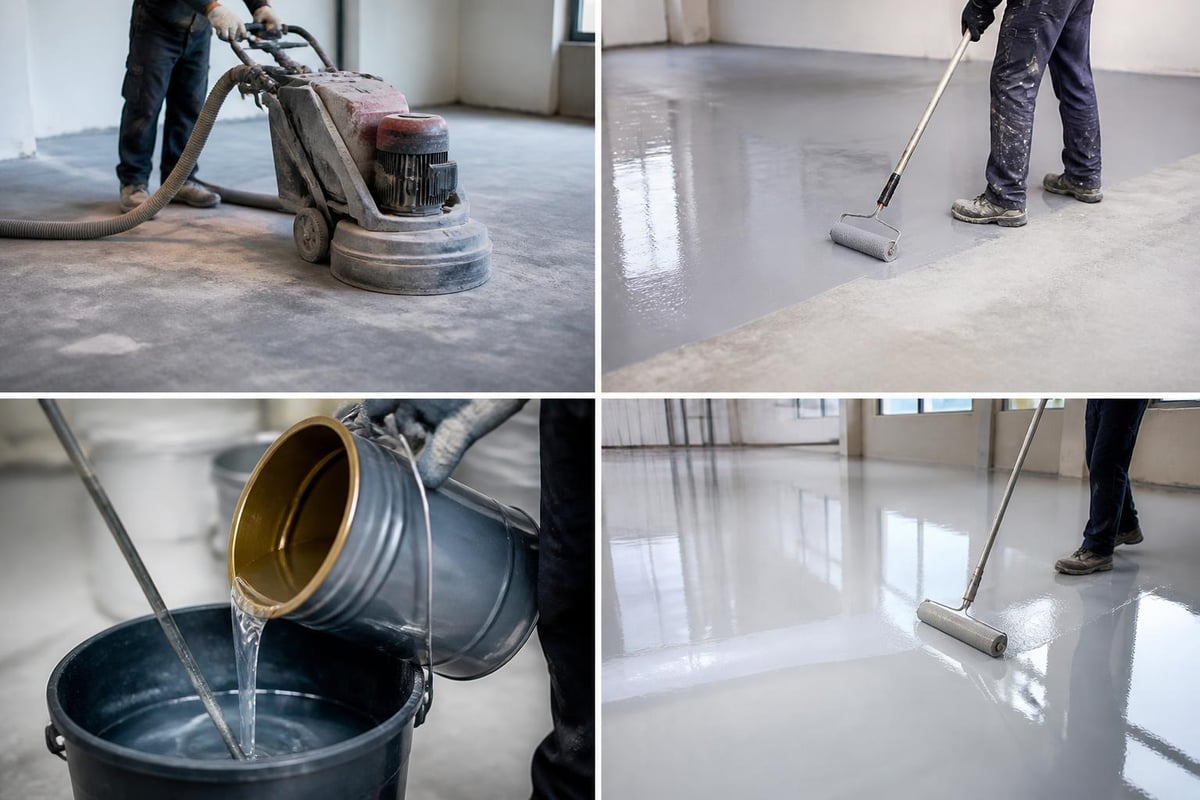
Commercial and industrial facilities across South East Queensland demand flooring solutions that withstand heavy traffic, chemical exposure, and daily operational stress. Epoxy coating services provide a proven solution for businesses seeking durable, long-lasting floor protection in warehouses, factories, commercial kitchens, and industrial workshops. These specialized coating systems transform standard concrete surfaces into resilient, professional-grade floors that meet the demanding requirements of modern commercial operations. Understanding the full scope of professional epoxy coating services helps facility managers and business owners make informed decisions about their flooring investments.
Understanding Professional Epoxy Coating Systems
Epoxy coating services encompass far more than simply applying a layer of material to concrete. These systems involve carefully formulated chemical compounds that bond at a molecular level with prepared concrete substrates.
The chemistry behind epoxy coatings relies on the reaction between epoxy resins and hardening agents. When mixed in precise ratios, these components undergo a chemical transformation called cross-linking, creating a rigid, three-dimensional polymer network. This chemical bond produces a surface significantly harder and more durable than the original concrete.
Key characteristics of professional epoxy systems include:
- Chemical resistance to oils, solvents, acids, and alkaline substances
- Impact resistance suitable for heavy machinery and equipment
- Abrasion resistance that withstands constant foot and vehicle traffic
- Moisture barrier properties that protect underlying concrete
- Temperature stability across typical industrial operating ranges
Application Methods and Techniques
Professional epoxy coating services utilize various application methods depending on the specific requirements of each project. Roller application remains the most common technique for standard commercial floors, providing consistent coverage across large surface areas. Spray application delivers faster coverage for extensive warehouse spaces but requires specialized equipment and expertise.
Trowel-applied epoxy systems create thicker, more robust coatings suitable for areas experiencing extreme chemical exposure or mechanical stress. These systems can achieve film thicknesses ranging from 2mm to 6mm or more, depending on performance requirements.
| Application Method | Best Use Cases | Typical Thickness | Cure Time |
|---|---|---|---|
| Roller | Standard warehouses, workshops | 200-400 microns | 24-48 hours |
| Spray | Large-scale facilities, carparks | 150-300 microns | 18-36 hours |
| Trowel | Chemical processing, heavy industry | 2-6mm | 48-72 hours |
Surface Preparation Requirements
The success of any epoxy coating service depends fundamentally on proper surface preparation. No amount of high-quality epoxy can compensate for inadequate substrate preparation. Professional contractors understand that preparation accounts for approximately 70-80% of the total project success rate.
Concrete surfaces must achieve specific cleanliness and profile standards before epoxy application. This typically involves mechanical preparation through diamond grinding, shot blasting, or scarifying equipment. These processes remove surface laitance, contaminants, and weak concrete layers while creating the proper surface profile for mechanical bonding.

Critical preparation steps include:
- Initial assessment of concrete condition and moisture levels
- Removal of existing coatings, sealers, or contaminants
- Repair of cracks, spalling, or structural defects
- Mechanical preparation to achieve specified surface profile
- Thorough cleaning to remove dust and residual particles
- Moisture testing to verify concrete dryness
Moisture Testing and Management
Moisture represents one of the most significant challenges in epoxy coating services. Excessive moisture vapor transmission can cause coating failure through delamination, blistering, or loss of adhesion. Professional contractors conduct thorough moisture testing using calcium chloride tests or relative humidity probes before commencing application.
Queensland's subtropical climate presents unique moisture management challenges. Concrete slabs in warehouses and factory flooring applications may experience seasonal moisture fluctuations that impact coating performance. Recent research on protective coating mechanisms demonstrates how advanced epoxy formulations maintain integrity even under challenging environmental conditions.
Types of Epoxy Coating Systems
Epoxy coating services encompass various system types, each engineered for specific performance requirements and operational environments. Understanding these distinctions enables businesses to select the most appropriate solution for their facilities.
Self-Leveling Epoxy Systems
Self-leveling epoxy systems create smooth, seamless surfaces ideal for commercial kitchens, food processing facilities, and pharmaceutical manufacturing. These low-viscosity formulations flow across the prepared concrete, naturally seeking level and eliminating minor substrate irregularities.
The resulting surface offers excellent cleanability and meets stringent hygiene standards required in food-grade environments. Thickness typically ranges from 2mm to 4mm, providing both aesthetic appeal and functional performance.
High-Build Epoxy Coatings
High-build epoxy systems deliver enhanced chemical and impact resistance for demanding industrial environments. These thicker coatings, often applied by trowel, create robust barriers against aggressive chemicals, thermal cycling, and mechanical abuse.
Manufacturing facilities, chemical processing plants, and heavy industrial workshops benefit from these premium coating systems. The increased film thickness provides superior protection and extends service life in harsh operating conditions.
Epoxy Mortar Systems
Epoxy mortar systems incorporate graded aggregates into the epoxy matrix, creating extremely durable floors capable of withstanding extraordinary mechanical stress. These systems suit areas experiencing heavy forklift traffic, impact from falling objects, or extreme abrasion.
The aggregate component provides additional mechanical strength while the epoxy binder ensures chemical resistance and adhesion. Epoxy mortar systems can achieve thicknesses exceeding 6mm when required for specific applications.
| System Type | Thickness Range | Primary Applications | Key Benefits |
|---|---|---|---|
| Self-Leveling | 2-4mm | Commercial kitchens, food processing | Seamless, hygienic, easy to clean |
| High-Build | 3-6mm | Chemical processing, manufacturing | Chemical resistance, durability |
| Epoxy Mortar | 6-12mm | Heavy industrial, loading docks | Impact resistance, extreme durability |
Commercial Applications and Industry-Specific Solutions
Professional epoxy coating services serve diverse commercial and industrial sectors, each with unique performance requirements and operational challenges. Understanding these industry-specific needs ensures appropriate system selection and application.
Warehouse facilities require durable, easily maintained floors that withstand constant forklift traffic and heavy pallet storage. Warehouse flooring solutions must balance durability with cost-effectiveness, often utilizing standard epoxy coating systems that provide excellent abrasion resistance and longevity.
Epoxy Flooring systems deliver exceptional performance across multiple commercial applications, from automotive workshops to retail distribution centers. These systems combine chemical resistance with impact durability, making them ideal for facilities that handle oils, solvents, and cleaning chemicals regularly.
Retail and Showroom Environments
Retail spaces demand both functional performance and aesthetic appeal. Epoxy coating services for retail environments focus on creating attractive, branded floor surfaces that maintain their appearance under customer traffic while remaining easy to clean and maintain.
Decorative options including color matching, logo incorporation, and custom patterns enable businesses to align their flooring with overall brand identity. The seamless, glossy finish reflects light effectively, enhancing the overall ambiance of retail spaces.
Food Processing and Commercial Kitchens
Food-grade facilities require epoxy coating systems that meet stringent regulatory standards while providing antimicrobial properties and thermal shock resistance. These environments experience temperature extremes, frequent washdowns with hot water and chemicals, and strict hygiene protocols.
Epoxy systems for commercial kitchanes incorporate specific resin formulations that resist bacterial growth, maintain bond strength during thermal cycling, and withstand aggressive cleaning regimens. Compliance with food safety regulations remains paramount in these applications.
Installation Process and Project Management
Professional epoxy coating services involve comprehensive project management from initial assessment through final inspection and handover. This systematic approach ensures quality outcomes and minimizes disruption to ongoing business operations.
The installation process typically follows these stages:
- Site assessment and specification development
- Surface preparation and repair works
- Primer application and moisture barrier installation
- Base coat application with specified film thickness
- Optional intermediate coats for enhanced performance
- Top coat application for final finish and protection
- Curing period and traffic restrictions
- Final inspection and documentation
Project Timeline Considerations
Timeline planning for epoxy coating services must account for surface preparation requirements, coating cure times, and operational constraints. A typical warehouse floor coating project spanning 1,000 square meters requires approximately 5-7 working days from commencement to final handover.
Larger facilities or complex projects involving multiple coating systems may extend to several weeks. Professional contractors coordinate with facility managers to minimize operational impact, often working during shutdown periods or implementing staged application schedules.

Temperature and humidity conditions significantly influence installation timelines. Queensland's climate generally provides favorable conditions for epoxy application, though extreme heat or humidity may require environmental controls or adjusted working schedules.
Quality Standards and Performance Expectations
Professional epoxy coating services adhere to rigorous quality standards throughout the installation process. These standards ensure coating systems perform as specified and deliver expected service life under operational conditions.
Material specifications define resin types, hardener ratios, aggregate selections, and performance characteristics. Contractors working on commercial projects must provide detailed product data sheets, safety documentation, and performance certifications.
Testing and Verification Protocols
Quality assurance testing occurs at multiple project stages. Pre-installation testing verifies substrate conditions, moisture levels, and surface preparation adequacy. During application, contractors monitor mixing ratios, application thickness, and environmental conditions.
Post-installation testing may include adhesion pull-off tests, hardness measurements, and chemical resistance verification. These objective measurements confirm the coating system meets specified performance standards.
Key performance metrics include:
- Adhesion strength (minimum 1.5 MPa typical requirement)
- Surface hardness (Shore D scale measurements)
- Chemical resistance (specific to expected exposures)
- Abrasion resistance (Taber test results)
- Slip resistance (coefficient of friction measurements)
Maintenance Requirements and Longevity
Properly installed epoxy coating systems require minimal maintenance while delivering service lives extending 10-15 years or more in commercial applications. However, establishing appropriate maintenance protocols maximizes coating performance and extends system longevity.
Regular cleaning using neutral pH cleaners and soft brushes removes surface contaminants without damaging the epoxy finish. Avoiding harsh chemicals, metal scrapers, or abrasive cleaning pads preserves the coating integrity and appearance.
Facility managers should implement inspection schedules to identify minor damage or wear patterns before they develop into significant issues. Small chips or scratches can be repaired economically, preventing moisture intrusion and progressive coating failure.
Common Maintenance Protocols
Daily sweeping or dust mopping removes abrasive particles that accelerate wear. Weekly wet mopping with appropriate cleaning solutions maintains surface cleanliness and appearance. Monthly inspections identify areas requiring attention or repair.
High-traffic zones may benefit from periodic recoating to maintain optimal protection. This maintenance coating extends overall system life and represents a fraction of complete replacement costs.
Research into advanced epoxy coating technologies demonstrates promising developments in self-healing systems that automatically repair minor damage, potentially revolutionizing maintenance requirements for commercial flooring applications.
Cost Considerations and Return on Investment
Epoxy coating services represent a significant capital investment for commercial facilities, yet the long-term value proposition often justifies initial expenditure. Understanding cost structures and performance benefits enables informed financial decision-making.
Project costs vary based on multiple factors including surface preparation requirements, coating system type, total floor area, and site accessibility. Complex projects involving extensive repairs or multi-layer systems naturally command higher pricing than straightforward applications.
| Cost Factor | Impact Level | Typical Range |
|---|---|---|
| Surface preparation | High | 30-40% of total cost |
| Material selection | Medium | 25-35% of total cost |
| Labor and application | Medium | 25-30% of total cost |
| Project complexity | Variable | 5-15% premium |
Long-Term Value Analysis
While initial costs may appear substantial, epoxy coating services deliver measurable returns through reduced maintenance expenses, extended concrete life, improved safety performance, and enhanced facility appearance. These benefits accumulate over the coating's service life.
Comparing lifecycle costs against alternative flooring solutions often reveals epoxy systems provide superior value. The combination of durability, minimal maintenance, and extended service life results in lower total cost of ownership compared to regularly replaced alternatives.
Environmental and Safety Considerations
Modern epoxy coating services increasingly emphasize environmental responsibility and workplace safety. Low-VOC (volatile organic compound) formulations minimize air quality impacts during installation while maintaining performance characteristics.
Professional contractors implement comprehensive safety protocols protecting both installation teams and facility occupants. Proper ventilation, personal protective equipment, and controlled access procedures ensure safe working conditions throughout the project.
Epoxy systems contribute to sustainable building practices through their durability and low maintenance requirements. Extended service life reduces material consumption and waste generation compared to shorter-lived flooring alternatives. Many epoxy formulations now incorporate recycled content or bio-based components, further enhancing environmental credentials.
Regulatory Compliance
Commercial epoxy coating services must comply with various regulatory frameworks including workplace health and safety legislation, environmental protection regulations, and industry-specific standards. Professional contractors maintain current knowledge of applicable requirements and ensure full compliance throughout project execution.
Queensland Building and Construction Commission (QBCC) licensing requirements ensure contractors possess appropriate qualifications, insurance coverage, and technical competence. Facility owners should verify contractor credentials and licensing status before engaging services.
Selecting Professional Epoxy Coating Services
Choosing the right epoxy coating contractor significantly impacts project outcomes, coating performance, and long-term satisfaction. Several key criteria distinguish professional service providers from less qualified operators.
Essential contractor qualifications include:
- Valid QBCC licensing and comprehensive insurance coverage
- Demonstrated experience in commercial and industrial applications
- Technical knowledge of multiple coating systems and applications
- Quality assurance processes and performance guarantees
- Professional project management capabilities
- References from similar commercial projects
Technical expertise matters considerably in epoxy coating services. Contractors should demonstrate understanding of substrate preparation requirements, moisture management, system selection criteria, and application techniques. This knowledge ensures appropriate solutions for specific operational requirements.
Project portfolios provide insight into contractor capabilities and experience levels. Reviewing previous commercial flooring projects helps assess whether a contractor possesses relevant experience for your specific facility type and requirements.
Questions for Prospective Contractors
Facility managers should ask detailed questions about preparation methods, coating specifications, project timelines, and warranty provisions. Professional contractors provide clear, comprehensive responses backed by technical documentation and performance data.
Understanding how contractors handle unexpected conditions or project challenges reveals their problem-solving capabilities and customer service commitment. Experienced professionals anticipate potential issues and implement proactive solutions.
Transparent pricing structures detailing preparation costs, material specifications, labor rates, and project inclusions enable accurate cost comparisons. Beware of unusually low quotes that may indicate corners being cut on preparation or material quality.
Professional epoxy coating services deliver transformative results for commercial and industrial facilities requiring durable, long-lasting floor protection. From understanding coating chemistry and application methods to selecting qualified contractors and maintaining installed systems, informed decision-making ensures optimal outcomes. Superior Concrete Finishes brings decades of commercial flooring expertise to warehouses, factories, commercial kitchens, and industrial facilities throughout South East Queensland, delivering professional epoxy flooring and polished concrete solutions backed by comprehensive insurance and QBCC licensing.

Joshua Miller has over 15 years of experience in the commercial concrete flooring industry, specialising in epoxy flooring systems and polished concrete solutions for warehouses, factories, retail spaces and commercial developments. Joshua and his team work closely with builders, property owners and facility managers across South East Queensland to deliver durable, cost-effective commercial flooring systems for warehouses, industrial facilities, commercial kitchens, retail stores and large commercial developments.
Major builders and organisations Josh has led projects on include McNab, Hutchinson Builders, IKEA, Queensland Rail, University of Queensland, ADCO, Tomkins Commercial, Bunnings, OfficeWorks, Spotlight, and Anaconda.
If you're planning a project and need advice on the best commercial concrete flooring solution, contact Josh or one of the team at Superior Concrete Finishes.
-
 info@superiorconcretefinishes.com.au
-
1300 789 740
-
Connect with Josh on
LinkedIn


 Connect with Josh on