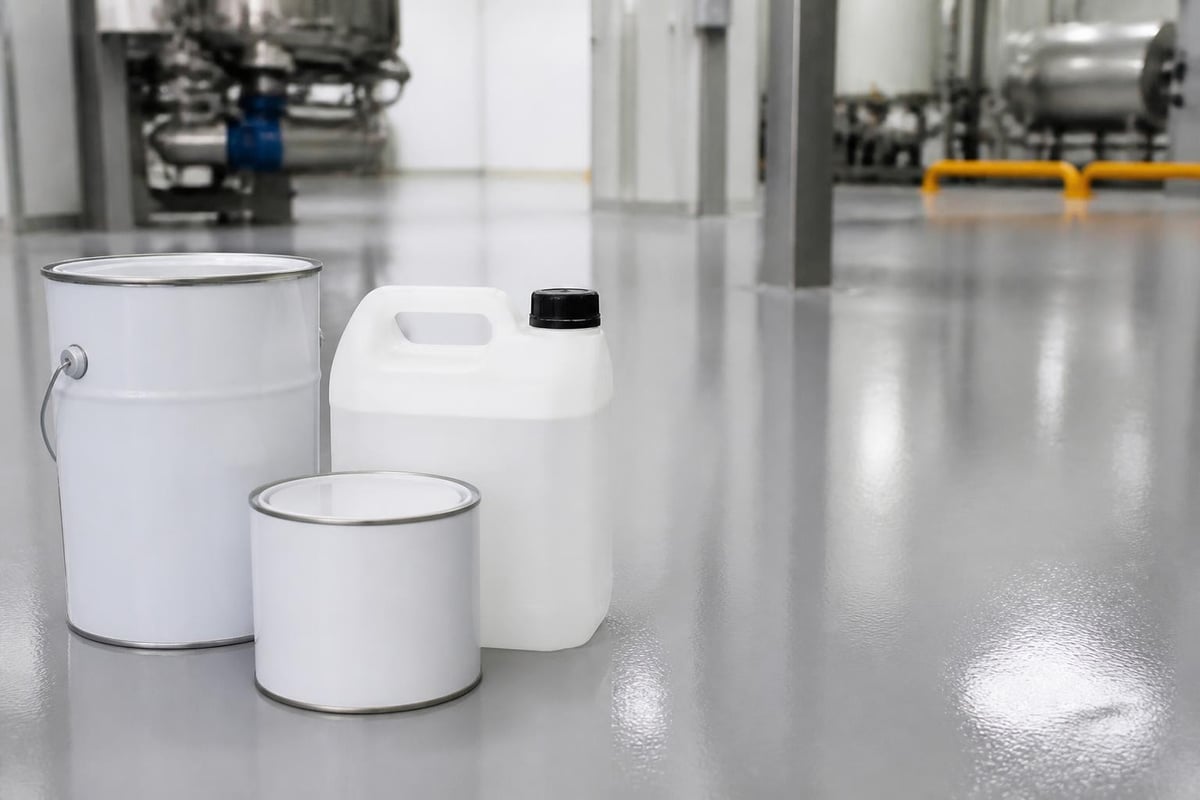
Epoxy coating has become the benchmark for protecting and enhancing concrete floors across commercial and industrial facilities throughout Australia. This advanced flooring solution combines chemical resistance, durability, and aesthetic appeal to meet the demanding requirements of modern business operations. Whether you're managing a warehouse, factory, commercial kitchen, or retail space, understanding the capabilities and applications of epoxy coating systems can help you make informed decisions about your flooring investment. This comprehensive guide explores the technical aspects, benefits, and practical considerations that make epoxy coating a preferred choice for commercial concrete flooring projects.
Understanding Epoxy Coating Chemistry and Composition
Epoxy coating systems function through a chemical reaction between two primary components: resin and hardener. When these materials combine, they create a thermosetting polymer that bonds directly to the concrete substrate. This molecular transformation produces a surface that's significantly more durable than the concrete alone.
The chemistry of epoxy resins involves cross-linking molecules that form an exceptionally strong network. This structure provides resistance to chemicals, impacts, and abrasion that untreated concrete simply cannot match.
Types of Epoxy Coating Systems
Different formulations serve specific commercial applications:
- Solvent-based epoxy: Offers deep penetration and excellent adhesion, ideal for industrial workshops and factories
- Water-based epoxy: Lower VOC emissions, suitable for occupied commercial spaces
- 100% solids epoxy: Zero VOC content with maximum thickness per coat, preferred for heavy-duty industrial environments
- Self-levelling epoxy: Creates smooth, level surfaces perfect for retail stores and commercial offices
The selection depends on your facility's operational requirements, environmental conditions, and performance expectations. Epoxy flooring remains particularly popular in warehouses and workshops where durability and chemical resistance are paramount. These systems deliver long-term performance that justifies the initial investment through reduced maintenance costs and extended service life.

Application Thickness and Build
Epoxy coating systems typically range from 2mm to 6mm in thickness, depending on the application requirements. Thicker builds provide enhanced impact resistance and longevity, making them suitable for heavy forklift traffic and industrial machinery operations.
| Coating Thickness | Typical Applications | Expected Lifespan |
|---|---|---|
| 2-3mm | Light commercial, retail stores | 10-15 years |
| 3-4mm | Medium industrial, warehouses | 15-20 years |
| 5-6mm | Heavy industrial, manufacturing | 20-25+ years |
Performance Benefits for Commercial Environments
The advantages of epoxy coating extend beyond surface protection. These systems transform concrete floors into high-performance assets that support operational efficiency and workplace safety.
Chemical resistance stands out as a primary benefit. Commercial kitchens, breweries, and manufacturing facilities regularly expose floors to acids, alkalis, solvents, and cleaning agents. Epoxy coating creates an impermeable barrier that prevents these substances from degrading the concrete substrate. This protection proves essential for maintaining food-grade flooring standards in commercial kitchens and food processing facilities.
Durability advantages include:
- Impact resistance from dropped tools, equipment, and materials
- Abrasion resistance under constant foot and vehicle traffic
- Thermal shock resistance for facilities with temperature fluctuations
- Moisture barrier properties preventing concrete deterioration
The seamless nature of properly installed epoxy coating eliminates joints and cracks where bacteria, dirt, and contaminants accumulate. This characteristic makes cleaning and maintenance significantly easier, reducing labour costs and improving hygiene standards.
Safety Enhancement Through Surface Texture
Epoxy coating systems can incorporate various textures and aggregates to create non-slip flooring solutions. This adaptability addresses different safety requirements across facility zones. High-traffic walkways benefit from subtle texture, while wet areas require more aggressive slip resistance.
Modern epoxy formulations allow for customised coefficient of friction (COF) values, ensuring compliance with Australian safety standards. The advantages of epoxy flooring include this ability to tailor safety features to specific operational needs.

Installation Process and Surface Preparation
Successful epoxy coating application depends heavily on proper concrete preparation. The substrate must be clean, dry, and structurally sound before coating application begins. This preparation phase typically consumes 40-50% of total project time but determines long-term performance.
Critical Preparation Steps
- Surface profiling: Diamond grinding creates the necessary surface profile for mechanical bonding
- Crack and joint repair: Existing defects require filling and stabilisation
- Moisture testing: Concrete moisture content must fall within acceptable parameters
- Contamination removal: Oils, grease, and previous coatings need complete elimination
- pH testing: Surface alkalinity must support proper epoxy adhesion
The epoxy flooring preparation process often includes shot blasting or mechanical grinding to achieve the optimal surface profile. This creates a roughened texture that maximises the mechanical bond between concrete and epoxy coating.
Professional contractors understand that shortcuts during preparation lead to premature coating failure. Delamination, bubbling, and adhesion loss typically trace back to inadequate surface preparation rather than coating quality issues.
Application Techniques and Curing
Epoxy coating application requires controlled environmental conditions. Temperature and humidity directly affect cure rates and final properties. Most systems perform optimally between 15-30°C with relative humidity below 85%.
Application methods vary by project scale:
- Roller application: Suitable for smaller areas and maintenance coating
- Squeegee and backroll: Standard for medium-sized commercial spaces
- Spray application: Efficient for large warehouses and industrial facilities
Curing times range from 24 hours for light foot traffic to 7 days for full chemical resistance and heavy vehicle loads. Understanding these timelines helps facility managers plan installations around operational schedules. The information on epoxy flooring lifespan demonstrates how proper installation and curing directly impact long-term performance.
Industry-Specific Applications and Requirements
Different commercial sectors demand specific epoxy coating characteristics. Understanding these requirements ensures appropriate system selection and optimal performance.
Warehouse and Distribution Centres
Warehouse operations subject floors to constant forklift traffic, pallet movement, and heavy point loads. Epoxy coating systems for these facilities prioritise impact resistance and abrasion tolerance. Industrial concrete flooring solutions often incorporate flexible epoxy formulations that absorb impacts without cracking.
The market for epoxy coating continues expanding across industrial sectors, with global trends indicating sustained growth through 2034. This expansion reflects increasing recognition of epoxy coating's superior performance characteristics.
Commercial Kitchen Installations
Food service environments demand coatings that meet stringent hygiene standards whilst resisting thermal shock, grease, and aggressive cleaning chemicals. Specialized epoxy coating formulations certified for food contact provide seamless, easily sanitized surfaces that support HACCP compliance.
Temperature cycling from hot cooking equipment and cold storage areas requires epoxy systems with enhanced flexibility. Standard formulations may crack under such conditions, making product selection critical for commercial kitchen applications.
Retail and Commercial Spaces
Commercial office flooring applications prioritise aesthetics alongside performance. Epoxy coating systems offer virtually unlimited colour options, metallic effects, and decorative quartz blends that create attractive, professional environments.
The reflective properties of high-gloss epoxy coating improve lighting efficiency, potentially reducing energy costs in retail stores and showrooms. This benefit complements the durability and low maintenance requirements that make epoxy coating cost-effective over its service life.
Maintenance and Long-Term Performance
Proper maintenance extends epoxy coating performance and protects your flooring investment. These systems require minimal upkeep compared to alternative flooring options, but regular care optimises longevity.
Routine Maintenance Protocols
- Daily sweeping or dust mopping removes abrasive particles
- Weekly damp mopping with pH-neutral cleaners maintains appearance
- Monthly inspection identifies early signs of wear or damage
- Annual professional cleaning removes embedded contamination
Avoid harsh chemicals, acidic cleaners, and abrasive scrubbing pads that can dull or damage the epoxy coating surface. Most commercial facilities implement simple cleaning protocols that preserve coating integrity whilst maintaining hygiene standards.

Repair and Recoating Considerations
Minor damage typically requires only localised repair rather than complete floor replacement. Small chips, scratches, or worn areas can be spot-repaired by experienced contractors, extending overall system life.
Full recoating becomes necessary when wear patterns become extensive or when facility operations change. The existing epoxy coating provides an excellent substrate for new coating application, making refreshment more economical than original installation. Understanding concrete floor finishes and epoxy options helps facility managers plan long-term maintenance budgets.
Cost Considerations and Return on Investment
Epoxy coating represents a significant initial investment compared to basic concrete sealing. However, lifecycle cost analysis consistently demonstrates superior value through reduced maintenance, extended service life, and operational benefits.
| Cost Factor | Epoxy Coating | Alternative Flooring |
|---|---|---|
| Initial installation | Moderate to high | Variable |
| Maintenance frequency | Low | Moderate to high |
| Expected lifespan | 15-25 years | 5-15 years |
| Replacement cost | Recoat only | Full replacement |
The total cost of ownership calculation should include productivity improvements from reduced downtime, safety enhancements that lower incident rates, and improved facility appearance that positively impacts customer perception.
Budget Planning for Commercial Projects
Square metreage significantly affects per-unit pricing. Larger warehouse installations achieve economies of scale unavailable in smaller retail projects. Additional factors influencing project costs include:
- Substrate condition and required preparation
- Coating thickness and system complexity
- Colour and aesthetic requirements
- Project timeline and access restrictions
- Geographic location and contractor availability
Working with commercial epoxy flooring contractors who provide detailed quotations helps establish accurate budgets. Experienced professionals identify potential complications during site assessment, preventing cost overruns and project delays.
Technical Considerations for Substrate Compatibility
Not all concrete substrates accept epoxy coating equally. Age, condition, and composition affect bonding success and long-term performance. Understanding these variables prevents installation failures and ensures lasting results.
Concrete Age and Moisture Content
New concrete requires adequate curing before epoxy coating application. Moisture trapped within recently poured slabs can cause coating delamination and bubbling. Most specifications require minimum 28-day cure periods, though moisture testing provides more reliable installation readiness assessment.
The concrete-epoxy interface contains microscopic pores and voids that affect bonding. Advanced testing techniques using backscattered electron imaging reveal interface characteristics that predict coating performance. Professional contractors employ moisture meters and relative humidity testing to verify substrate readiness.
Existing Coating Removal
Facilities with previous flooring systems face additional preparation challenges. Complete removal of incompatible coatings ensures proper epoxy adhesion. Mechanical methods including shot blasting, scarifying, and diamond grinding effectively remove old materials whilst creating appropriate surface profiles.
Chemical strippers sometimes supplement mechanical removal, particularly for stubborn adhesives or heavily contaminated surfaces. The preparation investment pays dividends through reliable coating performance and extended service life.
Environmental and Safety Compliance
Modern epoxy coating systems address environmental concerns through low-VOC and zero-VOC formulations. These products maintain performance characteristics whilst reducing atmospheric emissions during application and curing.
Regulatory compliance considerations include:
- VOC content limits for occupied spaces
- Food safety certifications for commercial kitchens
- Slip resistance standards for workplace safety
- Chemical resistance requirements for industrial processes
The benefits and applications of epoxy coating across industries demonstrate versatility in meeting diverse regulatory requirements. Selecting appropriate systems ensures compliance whilst delivering required performance characteristics.
Worker Safety During Installation
Epoxy coating application involves chemicals requiring proper handling and personal protective equipment. Professional contractors follow strict safety protocols including:
- Adequate ventilation during mixing and application
- Respiratory protection for workers
- Skin and eye protection from chemical exposure
- Proper material storage and disposal
These precautions protect installation teams and building occupants. The technical data on epoxy resin applications provides detailed safety information supporting proper handling procedures.
Future Developments in Epoxy Coating Technology
Research continues advancing epoxy coating formulations and application methods. Molecular-level studies using reactive force field modelling provide insights into polymer behaviour, enabling development of improved products with enhanced properties.
Emerging trends include bio-based epoxy resins derived from renewable resources, self-healing formulations that repair minor damage autonomously, and enhanced UV resistance for outdoor applications. These innovations will expand epoxy coating capabilities whilst addressing sustainability concerns.
Smart coating technology incorporating sensors for structural health monitoring represents another development frontier. These systems could provide real-time data on floor conditions, loading patterns, and maintenance requirements, enabling predictive maintenance strategies that optimise facility operations.
The versatility of epoxy conformal coatings in electronics applications demonstrates the material's adaptability across diverse industries. Similar innovation drives improvements in commercial flooring applications, ensuring epoxy coating remains the preferred solution for demanding environments.
Epoxy coating delivers proven performance for commercial and industrial facilities requiring durable, chemical-resistant flooring solutions. The combination of protective qualities, aesthetic options, and long-term value makes these systems ideal for warehouses, factories, commercial kitchens, and retail spaces throughout South East Queensland. If you're considering upgrading your facility's concrete floors, Superior Concrete Finishes brings decades of specialised experience to commercial and industrial projects across the region. Our fully insured, QBCC-licensed team delivers professional epoxy flooring installations tailored to your operational requirements.

Joshua Miller has over 15 years of experience in the commercial concrete flooring industry, specialising in epoxy flooring systems and polished concrete solutions for warehouses, factories, retail spaces and commercial developments. Joshua and his team work closely with builders, property owners and facility managers across South East Queensland to deliver durable, cost-effective commercial flooring systems for warehouses, industrial facilities, commercial kitchens, retail stores and large commercial developments.
Major builders and organisations Josh has led projects on include McNab, Hutchinson Builders, IKEA, Queensland Rail, University of Queensland, ADCO, Tomkins Commercial, Bunnings, OfficeWorks, Spotlight, and Anaconda.
If you're planning a project and need advice on the best commercial concrete flooring solution, contact Josh or one of the team at Superior Concrete Finishes.
-
 info@superiorconcretefinishes.com.au
-
1300 789 740
-
Connect with Josh on
LinkedIn


 Connect with Josh on