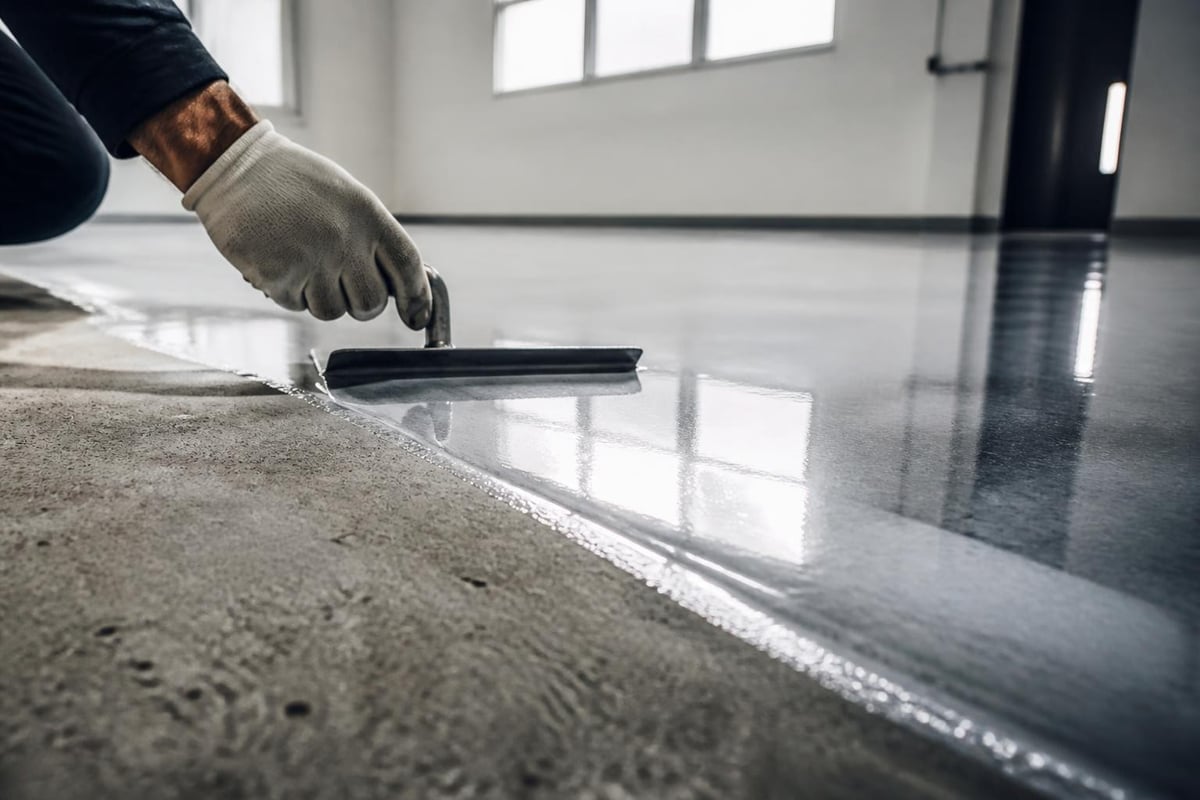
Epoxy coatings for concrete floors have become the industry standard for commercial and industrial facilities across Australia. These high-performance systems deliver exceptional durability, chemical resistance, and longevity that traditional concrete surfaces cannot match. As we progress through 2026, advancements in epoxy formulations and application techniques continue to expand the possibilities for facility managers seeking reliable flooring solutions. From warehouses handling heavy machinery to commercial kitchens requiring stringent hygiene standards, understanding the science and practical application of epoxy systems is essential for making informed flooring decisions.
Understanding Epoxy Coating Systems
The foundation of any successful epoxy application lies in understanding the chemical process that creates these remarkably durable surfaces. Epoxy systems consist of two primary components: a resin and a hardener. When mixed, these compounds undergo an exothermic chemical reaction called curing, which transforms the liquid mixture into a solid, cross-linked polymer network.
This molecular transformation creates a coating that bonds directly to the concrete substrate at a microscopic level. The resulting surface exhibits superior mechanical properties compared to the concrete alone.
Chemical Composition and Properties
Modern epoxy formulations incorporate various additives to enhance specific performance characteristics. Recent research on advanced epoxy nanocomposites demonstrates how two-dimensional materials can significantly improve mechanical and thermal properties.
Key performance benefits include:
- Exceptional compressive strength exceeding standard concrete
- Chemical resistance to acids, alkalis, and petroleum products
- Abrasion resistance suitable for high-traffic environments
- Moisture barrier properties protecting the concrete substrate
- Temperature stability across operational ranges
The degree of cross-linking directly influences the final properties of the coating. Studies examining thermal conductivity and mechanical properties reveal that optimizing the curing process enhances overall performance characteristics.
Applications in Commercial and Industrial Environments
Epoxy coatings for concrete floors serve diverse commercial applications, each with unique performance requirements. Understanding these specific demands ensures proper system selection and long-term satisfaction.
Warehouse and Distribution Centres
Warehouses represent one of the most common applications for epoxy systems. These facilities demand flooring that withstands constant forklift traffic, heavy pallet loads, and potential impacts from dropped materials.
| Requirement | Epoxy Solution | Benefit |
|---|---|---|
| Heavy machinery traffic | High-build systems (3-6mm) | Distributes load, prevents cracking |
| Chemical spills | Solvent-resistant formulations | Protects concrete substrate |
| Dust control | Seamless coating | Eliminates concrete dusting |
| Safety markings | Colored epoxy zones | Clear traffic delineation |
For optimal performance in warehouse flooring applications, systems typically require thickness between 3 to 6 millimetres. This build accommodates the substantial loads and frequent impacts characteristic of distribution operations.
Commercial Kitchens and Food Processing
Food-grade facilities present unique challenges requiring specialized epoxy formulations. These environments demand compliance with food safety regulations whilst managing extreme temperature fluctuations, frequent washdowns, and exposure to fats, oils, and cleaning chemicals.
Commercial kitchen epoxy systems typically incorporate antimicrobial additives to inhibit bacterial growth. The seamless nature of properly installed epoxy eliminates grout lines and joints where contaminants accumulate. This characteristic makes food process flooring with epoxy systems particularly advantageous for maintaining hygiene standards.
Manufacturing and Industrial Workshops
Manufacturing environments expose flooring to diverse stresses depending on the specific industry. Mechanical workshop flooring must resist petroleum products, metal shavings, and welding sparks. Factory settings may involve chemical exposures, thermal cycling, or heavy equipment operations.

Installation Process and Surface Preparation
Successful epoxy application depends critically on proper surface preparation and installation techniques. Even the highest-quality epoxy system will fail if applied to inadequately prepared concrete.
Substrate Assessment and Preparation
Initial evaluation must determine:
- Concrete age and cure state (minimum 28 days typically required)
- Moisture content and vapour transmission rates
- Surface contamination from oils, sealers, or curing compounds
- Structural integrity and presence of cracks or defects
- Surface profile requirements for mechanical bonding
The concrete surface requires appropriate texture to ensure mechanical adhesion. This typically involves diamond grinding or abrasive blasting to create a clean, open-pored surface. The profile depth varies based on the epoxy system specified, with heavier-build systems requiring more aggressive preparation.
Application Methodology
Professional installation follows a systematic approach to ensure uniform coverage and proper curing. Temperature and humidity conditions significantly impact the curing process, requiring careful environmental monitoring throughout application.
Standard installation sequence:
- Surface preparation and crack repair
- Moisture barrier application if required
- Primer coat application to seal substrate
- Base epoxy coat applied at specified thickness
- Optional broadcast aggregate for texture
- Topcoat application for wear resistance and aesthetics
The Epoxy Flooring service we provide follows these rigorous protocols to ensure optimal adhesion and longevity. Our decades of experience in commercial concrete flooring enable us to adapt techniques to specific site conditions and client requirements.

Timing between coats requires careful attention. Applying subsequent layers within the specified recoat window ensures proper interlaminar bonding. Missing this window necessitates additional surface preparation before proceeding.
Performance Characteristics and Longevity
Understanding the performance envelope of epoxy coatings for concrete floors helps facility managers establish realistic expectations and maintenance protocols. These systems offer exceptional durability when properly specified and maintained.
Durability and Resistance Properties
Epoxy systems exhibit remarkable resistance to various forms of degradation. Chemical resistance varies by formulation, with some systems withstanding continuous exposure to aggressive chemicals whilst others suit moderate occasional contact.
| Resistance Type | Performance Level | Typical Applications |
|---|---|---|
| Abrasion | Excellent | High-traffic areas, forklift zones |
| Impact | Very Good | Manufacturing, loading docks |
| Chemical | Excellent | Processing facilities, laboratories |
| UV Stability | Moderate | Internal applications primarily |
| Moisture | Excellent | All environments |
Recent innovations in corrosion protection using advanced materials demonstrate ongoing improvements in epoxy coating technology. These developments particularly benefit facilities with aggressive chemical exposures.
Expected Service Life
When properly installed and maintained, commercial epoxy flooring systems typically deliver 10 to 20 years of service life. The actual epoxy flooring lifespan depends on several factors including traffic intensity, maintenance practices, and chemical exposures.
Heavy industrial environments with continuous forklift traffic may require refurbishment after 8 to 12 years. Lighter commercial applications such as retail spaces often exceed 15 years before requiring replacement.
System Selection Considerations
Choosing the appropriate epoxy system requires evaluating multiple factors specific to each facility. No single formulation suits all applications, making informed selection critical to project success.
Traffic and Load Requirements
Traffic classification directly influences system specification:
- Light traffic: Retail spaces, offices (1-2mm systems)
- Moderate traffic: Warehouses, light manufacturing (3-4mm systems)
- Heavy traffic: Distribution centres, heavy industry (4-6mm systems)
- Extreme traffic: Forklift-intensive operations (6mm+ systems)
The substrate condition also affects thickness requirements. Older concrete with surface irregularities may necessitate thicker applications to achieve a level surface.
Environmental Conditions
Temperature extremes, moisture exposure, and chemical contact all influence system selection. Facilities with cold storage areas require epoxy formulations that maintain flexibility at low temperatures. High-temperature environments such as commercial kitchens benefit from heat-resistant formulations.

Moisture vapour transmission from the concrete substrate can compromise epoxy adhesion. Sites with high water tables or insufficient moisture barriers require specialized moisture-tolerant primers or alternative coating chemistries.
Aesthetic Requirements
Whilst performance drives most commercial specifications, aesthetics matter in customer-facing environments. Retail flooring applications often incorporate decorative elements whilst maintaining the durability required for commercial use.
Available aesthetic options include:
- Solid colours in virtually unlimited hues
- Metallic pigments creating dynamic visual effects
- Colored quartz broadcast for texture and appearance
- Clear topcoats over exposed aggregate
- Custom logos and graphics
The range of epoxy flooring colours available in 2026 enables precise matching to corporate branding or design specifications.
Maintenance and Lifecycle Management
Implementing proper maintenance protocols maximizes the return on investment in epoxy flooring systems. These practices preserve appearance and extend service life significantly beyond neglected installations.
Daily and Periodic Maintenance
Regular cleaning prevents abrasive dirt accumulation that gradually wears the coating surface. Dust mopping or auto-scrubbing with neutral pH cleaners maintains appearance without degrading the epoxy.
Recommended maintenance schedule:
| Frequency | Task | Purpose |
|---|---|---|
| Daily | Dust mopping or sweeping | Remove abrasive particles |
| Weekly | Auto-scrubbing with neutral cleaner | Deep cleaning, stain prevention |
| Monthly | Inspection for damage | Early intervention |
| Annually | Professional assessment | Plan refurbishment timing |
Spill management requires immediate attention. Whilst epoxy resists most chemicals, prolonged exposure to certain solvents or acids can cause degradation. Prompt cleanup prevents potential damage.
Repair and Restoration
Minor damage from impacts or traffic wear can often be repaired without complete replacement. Small areas can be ground, cleaned, and recoated to restore integrity and appearance. This approach proves significantly more economical than full replacement.
Understanding when repairs transition from cost-effective to impractical requires professional assessment. Facilities experiencing widespread coating failure benefit more from complete system replacement than attempting extensive repairs.
Cost Analysis and Return on Investment
Evaluating epoxy coatings for concrete floors requires examining total lifecycle costs rather than focusing solely on initial installation expenses. This comprehensive approach reveals the true economic benefits these systems deliver.
Initial Investment Components
Project costs typically include:
- Surface preparation (30-40% of total cost)
- Materials (25-35% of total cost)
- Labour and application (25-35% of total cost)
- Site logistics and protection (5-10% of total cost)
The wide range in costs reflects varying project conditions and system specifications. Basic warehouse applications generally cost less per square metre than specialized food-grade installations requiring extensive preparation and thicker systems.
Various floor coating options exist at different price points, but commercial applications demand professional-grade systems and installation expertise.
Long-Term Value Proposition
Compared to alternatives such as vinyl composition tile, sealed concrete, or painted surfaces, epoxy systems typically deliver superior lifecycle value. The combination of longevity, minimal maintenance requirements, and consistent appearance preservation offsets higher initial costs.
Quantifiable benefits include:
- Reduced cleaning time and costs due to seamless surface
- Elimination of concrete dusting reducing HVAC maintenance
- Lower replacement frequency compared to alternative finishes
- Improved safety through slip-resistant formulations
- Enhanced lighting efficiency from reflective surfaces
Facilities requiring regular floor replacement with alternative materials often spend more over 20 years than investing in quality epoxy systems initially.
Health, Safety, and Environmental Considerations
Modern epoxy systems in 2026 incorporate significant improvements in environmental impact and user safety compared to formulations from previous decades. Understanding these aspects informs responsible specification and installation practices.
Low-VOC and Water-Based Formulations
Traditional solvent-based epoxies release volatile organic compounds during application and curing. Water-based epoxy options now deliver comparable performance whilst dramatically reducing emissions and odour.
These formulations particularly suit occupied facilities where minimizing disruption during installation proves essential. Schools, hospitals, and operating businesses benefit from reduced cure times and faster return to service.
Slip Resistance and Safety
Wet epoxy surfaces can become extremely slippery, creating safety hazards in commercial kitchens and other wet environments. Incorporating broadcast aggregates or anti-slip additives maintains traction whilst preserving cleanability.
Safety markings integrated into the epoxy system clearly delineate traffic patterns, hazard zones, and pedestrian areas. This approach proves more durable than applied tapes or paints that deteriorate under traffic.
Regional Considerations for South East Queensland
Installing epoxy coatings for concrete floors in South East Queensland presents specific considerations related to climate, substrate conditions, and regulatory requirements. Understanding these regional factors ensures successful project outcomes.
Climate Impact on Installation and Performance
Queensland's subtropical climate creates both challenges and opportunities for epoxy installation. High humidity levels can affect curing rates and require careful moisture management during application. Summer temperatures may accelerate cure times, requiring adjustments to working methods.
The consistent temperatures year-round actually benefit epoxy performance by avoiding the thermal cycling experienced in temperate climates. This stability contributes to reduced stress on the coating system and potentially extended service life.
Substrate Conditions
Concrete in South East Queensland often exhibits higher moisture content due to ambient humidity and seasonal rainfall. Proper moisture testing before application proves essential to prevent adhesion failure from vapour transmission.
The region's reactive clay soils can cause concrete slab movement, creating cracks that telegraph through epoxy coatings. Addressing substrate stability through proper crack repair and flexible joint details prevents premature coating failure.
Working across car park flooring applications throughout Brisbane and the Gold Coast has demonstrated the importance of addressing these regional substrate characteristics.
Epoxy coatings for concrete floors represent a proven investment for commercial and industrial facilities requiring durable, long-lasting surfaces. The combination of chemical resistance, mechanical strength, and minimal maintenance requirements makes these systems ideally suited to demanding environments. For businesses throughout South East Queensland seeking professional epoxy flooring solutions backed by decades of experience and full QBCC licensing, Superior Concrete Finishes delivers expert installation for warehouses, factories, commercial kitchens, retail stores, and industrial workshops.

Joshua Miller has over 15 years of experience in the commercial concrete flooring industry, specialising in epoxy flooring systems and polished concrete solutions for warehouses, factories, retail spaces and commercial developments. Joshua and his team work closely with builders, property owners and facility managers across South East Queensland to deliver durable, cost-effective commercial flooring systems for warehouses, industrial facilities, commercial kitchens, retail stores and large commercial developments.
Major builders and organisations Josh has led projects on include McNab, Hutchinson Builders, IKEA, Queensland Rail, University of Queensland, ADCO, Tomkins Commercial, Bunnings, OfficeWorks, Spotlight, and Anaconda.
If you're planning a project and need advice on the best commercial concrete flooring solution, contact Josh or one of the team at Superior Concrete Finishes.
-
 info@superiorconcretefinishes.com.au
-
1300 789 740
-
Connect with Josh on
LinkedIn


 Connect with Josh on