Epoxy finishes have become the benchmark for commercial and industrial concrete flooring across South East Queensland and beyond. These high-performance coatings combine exceptional durability with chemical resistance, making them the preferred choice for facilities ranging from warehouses to commercial kitchens. Understanding the science, application methods, and long-term benefits of epoxy finishes helps facility managers and property owners make informed decisions about their concrete flooring investments. As commercial demands continue to evolve, the versatility of these finishes positions them as a cornerstone solution for businesses requiring reliable, low-maintenance surfaces.
Understanding Epoxy Finish Chemistry and Composition
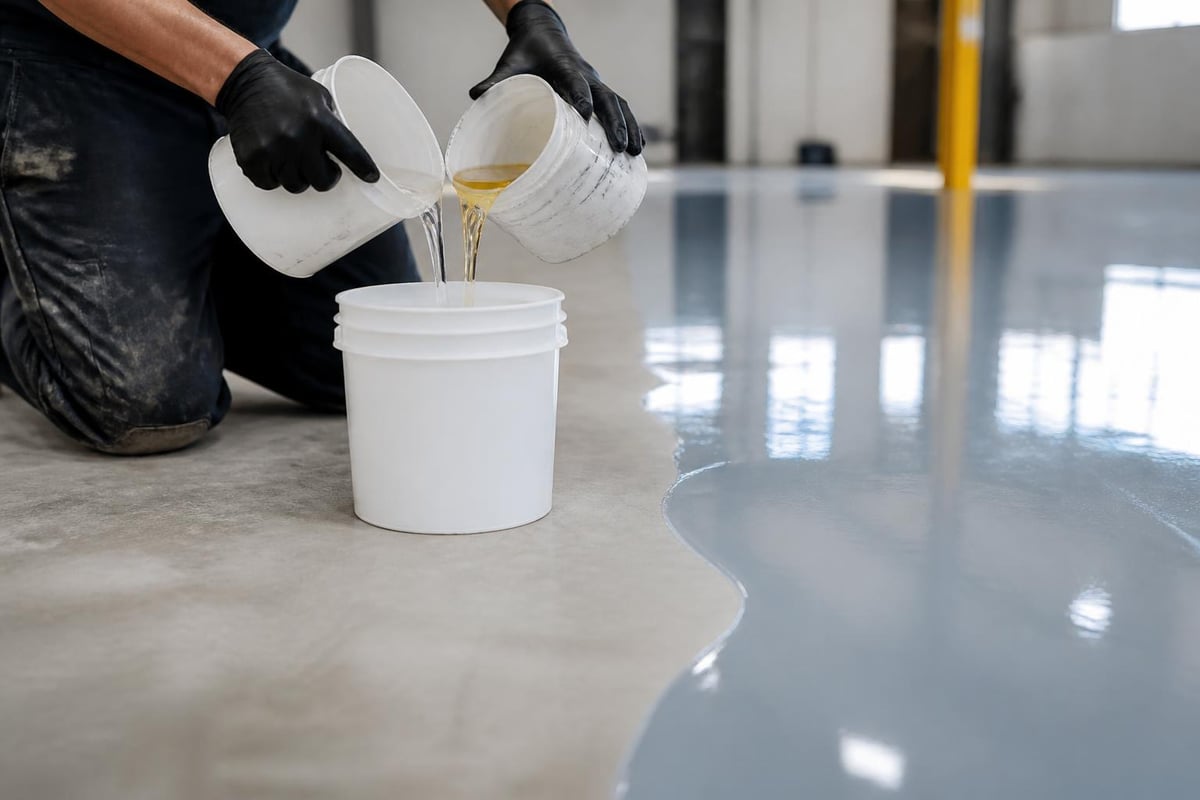
Epoxy finishes are created through a precise chemical reaction between two primary components: resin and hardener. When these components mix, they undergo a process called curing, which transforms the liquid mixture into a rigid, durable solid. This thermosetting polymer creates a cross-linked molecular structure that bonds directly to the concrete substrate, forming a unified surface with remarkable strength.
The epoxy resins market continues to expand as industries recognise the superior performance characteristics these materials offer. Different formulations cater to specific environmental conditions and performance requirements, allowing facility managers to select the optimal system for their operations.
Key Chemical Properties
The molecular structure of epoxy finishes determines their performance in commercial environments. Cross-linking density directly influences mechanical properties, thermal stability, and chemical resistance. Research into thermo-mechanical properties has shown that higher cross-linking density generally improves durability and heat resistance, though it may reduce flexibility.
Primary chemical advantages include:
- Superior adhesion to concrete substrates through covalent bonding
- Resistance to moisture penetration and water damage
- Exceptional hardness once fully cured
- Chemical stability across a wide pH range
- Minimal shrinkage during the curing process
The curing process typically takes seven to fourteen days to reach full strength, though surface traffic may be permitted within 24 to 72 hours depending on the specific formulation. Temperature and humidity significantly impact curing rates, requiring careful environmental control during application.
Types of Epoxy Finishes for Commercial Applications
Commercial facilities require different epoxy finish systems based on operational demands, environmental conditions, and budget considerations. Selecting the appropriate system ensures optimal performance and longevity for the specific application.
Solvent-Based Epoxy Systems
Solvent-based formulations offer excellent penetration into concrete substrates, making them ideal for surfaces with lower moisture vapour transmission rates. These systems provide superior adhesion and are particularly effective on older concrete floors requiring restoration.
| Property | Solvent-Based | Water-Based | 100% Solids |
|---|---|---|---|
| VOC Content | High | Low | None |
| Penetration | Excellent | Good | Moderate |
| Thickness | Thin to Medium | Thin to Medium | Medium to Thick |
| Dry Time | Fast | Medium | Slow |
| Cost | Moderate | Lower | Higher |
Water-Based Epoxy Systems
Water-based epoxy finishes have gained popularity in commercial environments due to lower volatile organic compound (VOC) emissions and easier application. These systems work well in facilities requiring minimal operational disruption during installation, such as retail stores that need rapid turnaround times.
100% Solids Epoxy Systems
This category represents the highest-performance option for demanding commercial and industrial environments. With no solvents or water to evaporate, 100% solids systems provide maximum thickness per coat and exceptional durability. Warehouse facilities and factories benefit significantly from the enhanced impact resistance and load-bearing capacity these systems deliver.

Application Process and Surface Preparation
Proper installation of epoxy finishes requires meticulous surface preparation and adherence to manufacturer specifications. The longevity and performance of the finished floor directly correlate with the quality of preparation and application techniques employed.
Surface Preparation Requirements
Concrete substrates must be clean, dry, and properly profiled before epoxy application. Surface contaminants such as oils, greases, curing compounds, or existing coatings prevent proper adhesion and must be completely removed.
Critical preparation steps include:
- Mechanical grinding or shot blasting to create surface profile
- Crack repair and joint filling with appropriate materials
- Moisture testing to ensure compatibility with epoxy system
- Removal of all dust and debris through industrial vacuuming
- Final surface inspection before coating application
The manufacturing and quality control processes for epoxy finishes emphasize the importance of following established protocols to achieve optimal results. Professional installers understand that shortcuts during preparation invariably lead to premature failure.
Mixing and Application Techniques
Epoxy components must be mixed at precise ratios using mechanical mixing equipment. Inadequate mixing creates inconsistent curing and compromised performance. Application methods vary based on the desired thickness and finish characteristics.
Professional application typically involves roller or squeegee techniques for primer coats, followed by broadcast or trowel application for body coats. Final topcoats may incorporate anti-slip additives or UV-stable formulations depending on environmental exposure. Understanding industrial floor coatings helps facility managers appreciate the technical expertise required for successful installations.
Performance Characteristics and Durability Factors
Epoxy finishes deliver exceptional performance across multiple criteria relevant to commercial and industrial operations. Quantifying these characteristics helps justify the investment and establish realistic performance expectations.
Mechanical Strength and Impact Resistance
Cured epoxy finishes exhibit compressive strengths exceeding 10,000 psi in many formulations, providing excellent load-bearing capacity for heavy equipment and racking systems. Impact resistance varies by system thickness and formulation, with thicker applications generally offering superior protection against dropped tools and equipment.
The thermal conductivities and mechanical properties of epoxy resins demonstrate their suitability for environments experiencing temperature fluctuations and mechanical stress. Workshop flooring applications particularly benefit from these robust mechanical characteristics.
Chemical Resistance and Cleanability
One of the most valued attributes of epoxy finishes is their resistance to chemical attack. Most formulations resist:
- Petroleum products and hydraulic fluids
- Mild acids and alkalis
- Cleaning solvents and degreasers
- Food acids and organic compounds
- Salt solutions and de-icing chemicals
This chemical resistance makes epoxy finishes ideal for commercial kitchens, manufacturing facilities, and automotive service centres where spills occur regularly. The non-porous surface also prevents bacterial growth and simplifies sanitation protocols.
Longevity and Lifecycle Costs
When properly installed and maintained, epoxy finishes routinely provide 10 to 20 years of service in commercial environments. The actual lifespan depends on traffic intensity, maintenance practices, and environmental conditions. Industrial floor coating systems designed for heavy-duty applications may incorporate additional layers and specialized topcoats to extend service life even further.
| Cost Factor | Initial Installation | Annual Maintenance | 15-Year Total |
|---|---|---|---|
| Epoxy Finish | Higher | Low | Moderate |
| Standard Coating | Lower | High | Higher |
| Polished Concrete | Moderate | Very Low | Lower |
Advanced Formulations and Enhanced Performance
Recent developments in epoxy technology have expanded the performance envelope for commercial applications. Enhanced formulations address specific challenges while maintaining the core benefits that make epoxy finishes so valuable.
High-Temperature Resistant Systems
Specialized epoxy formulations withstand elevated temperatures encountered in certain manufacturing processes. These systems maintain structural integrity and chemical resistance at temperatures up to 150°C, making them suitable for facilities with heat-generating equipment or thermal processing operations.
Fast-Cure Formulations
Time-critical projects benefit from rapid-cure epoxy systems that achieve functional strength within hours rather than days. These formulations allow facilities to minimize downtime during floor installations, though they typically require more precise application conditions and experienced installers.
Nano-Enhanced Epoxy Systems
Research into multifunctional epoxy nanocomposites has produced systems with enhanced properties including improved wear resistance, thermal conductivity, and electrical properties. While still emerging in commercial applications, these advanced formulations show promise for specialized industrial environments.

Maintenance Requirements and Best Practices
Protecting your investment in epoxy finishes requires establishing appropriate maintenance protocols. While these surfaces demand less maintenance than many alternatives, implementing systematic care extends service life and preserves appearance.

Daily and Weekly Maintenance
Regular cleaning removes abrasive particles that gradually wear the surface. Dust mopping or autoscrubbing with neutral pH cleaners maintains appearance without degrading the epoxy matrix. Immediate spill cleanup prevents staining and chemical attack, particularly important in facilities handling aggressive substances.
Recommended cleaning protocols:
- Daily dust mopping or sweeping to remove debris
- Weekly damp mopping with pH-neutral cleaners
- Immediate cleanup of chemical spills or aggressive substances
- Quarterly deep cleaning with mechanical scrubbers
- Annual professional inspection and maintenance
Long-Term Protection Strategies
Periodic recoating with compatible topcoat systems refreshes appearance and restores chemical resistance in high-traffic zones. This maintenance strategy proves far more cost-effective than complete floor replacement. Factory flooring operations often implement scheduled recoating programs to maintain optimal performance.
Protecting vulnerable areas with entrance matting systems reduces tracked-in abrasives that accelerate wear. Equipment pads beneath heavy machinery distribute loads and prevent point-loading damage. These simple measures significantly extend floor life.
Environmental Considerations and Sustainability
Modern epoxy finishes address environmental concerns through improved formulations and application practices. Understanding these considerations helps facility managers align flooring decisions with broader sustainability objectives.
VOC Compliance and Indoor Air Quality
Regulatory requirements continue driving development of low-VOC and zero-VOC epoxy systems. Water-based and 100% solids formulations minimize emissions during and after installation, supporting healthy indoor environments. This proves particularly important in occupied facilities where operational continuity is essential.
The comprehensive guide to epoxy flooring details various formulations and their environmental profiles, helping specifiers select appropriate systems for their projects.
Energy Efficiency Benefits
Epoxy finishes contribute to energy efficiency through their reflective properties. Light-coloured systems increase ambient illumination, reducing artificial lighting requirements in warehouses and manufacturing spaces. This benefit compounds over the floor's service life, generating measurable energy savings.
Recyclability and End-of-Life Management
While epoxy finishes themselves are not recyclable, their extended service life reduces the frequency of floor replacement and associated waste. When removal becomes necessary, mechanical grinding separates the coating from the concrete substrate, allowing the concrete to be reused or recycled.
Selecting the Right Epoxy Finish System
Matching epoxy finish characteristics to operational requirements ensures optimal performance and value. A systematic evaluation process considers multiple factors affecting long-term success.
Traffic and Load Assessment
Understanding the types and intensity of traffic guides system selection. Pedestrian-only environments require less robust systems than facilities with forklift traffic or heavy machinery. Load specifications influence recommended thickness and formulation characteristics.
Environmental Exposure Analysis
Temperature extremes, moisture exposure, and chemical contact all influence system selection. Facilities with outdoor access points may require UV-stable topcoats to prevent yellowing. Cold storage warehouses need formulations that remain flexible at low temperatures.
| Application Type | Minimum Thickness | Recommended System | Expected Lifespan |
|---|---|---|---|
| Light Retail | 2-3mm | Water-based | 8-12 years |
| Manufacturing | 3-5mm | 100% Solids | 12-18 years |
| Heavy Industrial | 5-10mm | High-Build Epoxy | 15-25 years |
| Chemical Processing | 6-12mm | Chemical-Resistant | 10-20 years |
Budget and Lifecycle Cost Analysis
Initial installation costs must be weighed against expected service life and maintenance requirements. While premium epoxy systems command higher upfront investment, their extended durability and reduced maintenance often deliver superior value over the floor's lifecycle.
Common Challenges and Solutions
Even properly installed epoxy finishes may encounter issues in demanding commercial environments. Recognizing potential problems and implementing preventive measures protects your flooring investment.
Moisture-Related Failures
Hydrostatic pressure from beneath the slab can cause epoxy delamination and bubbling. Pre-installation moisture testing identifies at-risk substrates requiring specialized primer systems or moisture mitigation treatments. Professional installers understand these requirements and specify appropriate solutions.
Thermal Shock and Expansion
Rapid temperature changes cause concrete expansion and contraction that can stress epoxy finishes. Proper joint treatment and flexible formulations accommodate this movement without cracking. Facilities with significant thermal cycling benefit from specialized systems designed for these conditions.
Surface Wear Patterns
High-traffic pathways and work zones experience accelerated wear. Strategic placement of protective mats, scheduled recoating programs, and traffic management minimize these effects. Understanding maintaining warehouse floors helps facility managers implement effective protection strategies.
Installation Timing and Project Planning
Successful epoxy finish installations require careful coordination and realistic scheduling. Understanding project timelines helps minimize disruption to business operations.
Site Conditions and Weather Considerations
Temperature and humidity parameters must fall within manufacturer specifications during application and curing. South East Queensland's subtropical climate requires careful timing to avoid extreme heat or humidity that compromises installation quality. Winter months often provide more stable conditions for major flooring projects.
Operational Coordination
Phased installations allow portions of facilities to remain operational during floor work. This approach extends project duration but maintains business continuity. Complete facility shutdowns enable faster completion but require careful logistical planning.
Professional contractors provide detailed project schedules accounting for surface preparation, coating application, curing time, and return to service. Building adequate time buffers prevents rushed installations that compromise quality.
Epoxy finishes deliver unmatched durability, chemical resistance, and longevity for commercial and industrial concrete flooring applications. Their proven performance across diverse environments from warehouses to commercial kitchens makes them the intelligent choice for facility managers prioritising long-term value. If you're considering Epoxy Flooring for your South East Queensland commercial or industrial facility, Superior Concrete Finishes brings decades of specialized expertise to deliver exceptional results. Our QBCC-licensed team works exclusively with commercial and industrial clients, ensuring your flooring system meets the demanding requirements of modern business operations.

Joshua Miller has over 15 years of experience in the commercial concrete flooring industry, specialising in epoxy flooring systems and polished concrete solutions for warehouses, factories, retail spaces and commercial developments. Joshua and his team work closely with builders, property owners and facility managers across South East Queensland to deliver durable, cost-effective commercial flooring systems for warehouses, industrial facilities, commercial kitchens, retail stores and large commercial developments.
Major builders and organisations Josh has led projects on include McNab, Hutchinson Builders, IKEA, Queensland Rail, University of Queensland, ADCO, Tomkins Commercial, Bunnings, OfficeWorks, Spotlight, and Anaconda.
If you're planning a project and need advice on the best commercial concrete flooring solution, contact Josh or one of the team at Superior Concrete Finishes.
-
 info@superiorconcretefinishes.com.au
-
1300 789 740
-
Connect with Josh on
LinkedIn


 Connect with Josh on