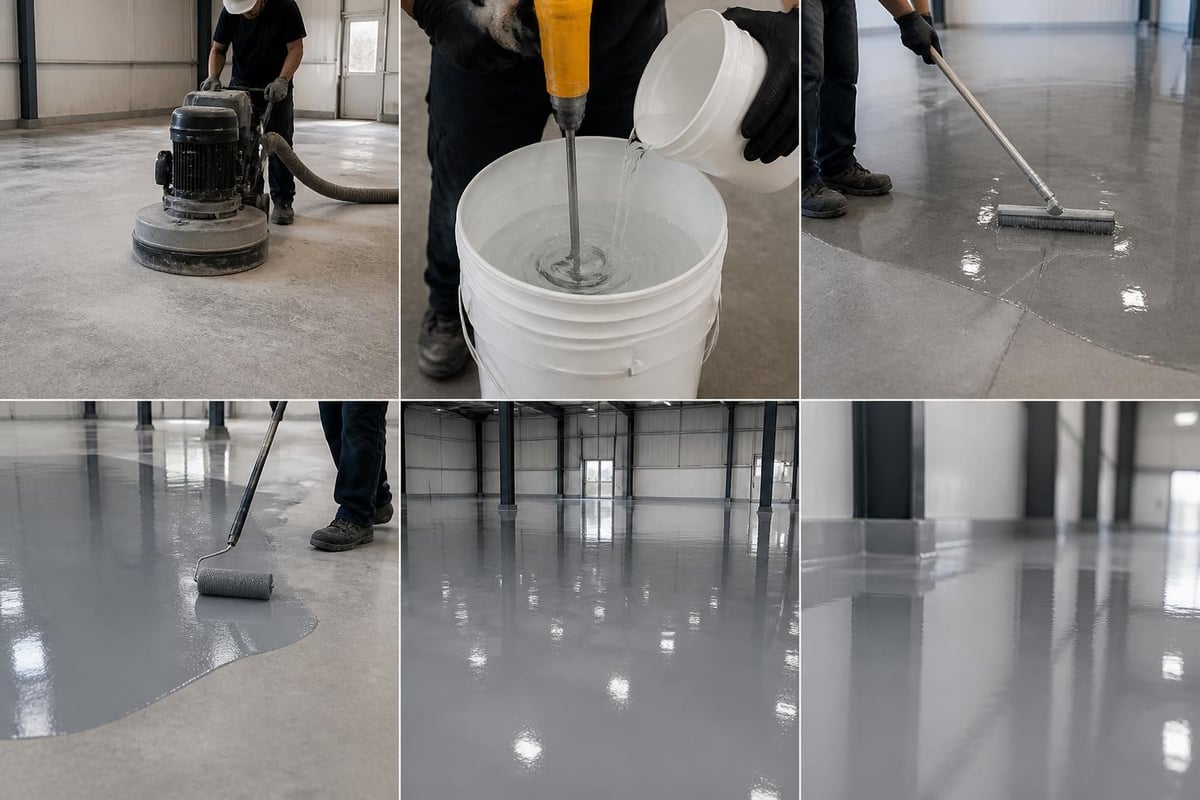
Selecting the right flooring system for commercial and industrial facilities requires careful consideration of performance, durability, and long-term maintenance costs. An epoxy floor finish delivers exceptional value across warehouses, factories, commercial kitchens, and industrial workshops throughout South East Queensland and beyond. This comprehensive guide explores the technical aspects, application methods, performance characteristics, and maintenance requirements that make epoxy floor finish systems the preferred choice for demanding commercial environments. Understanding these critical factors enables facility managers and business owners to make informed decisions that protect their infrastructure investment whilst ensuring operational efficiency.
Understanding Epoxy Floor Finish Systems
Epoxy floor finish products are created through a chemical reaction between two primary components: epoxy resin and a polyamine hardener. When these components mix in precise ratios, they initiate a curing process that transforms the liquid mixture into a rigid, high-performance polymer surface bonded directly to the concrete substrate.
The molecular structure of cured epoxy creates a dense, impermeable barrier that resists moisture penetration, chemical attack, and physical wear. This chemistry distinguishes epoxy floor finish applications from simple coatings or paints that merely sit atop the concrete surface.
Chemical Composition and Performance Characteristics
Key performance attributes include:
- Superior adhesion to properly prepared concrete substrates
- Exceptional compressive strength ranging from 8,000 to 12,000 psi
- Chemical resistance to acids, alkalis, solvents, and petroleum products
- Abrasion resistance exceeding that of standard concrete by 300-400%
- Low moisture vapour transmission rates
The epoxy resin component typically comprises bisphenol-A or bisphenol-F resins, whilst hardeners may be aliphatic or cycloaliphatic amines. These formulations directly influence cure times, final hardness, chemical resistance, and UV stability. Commercial-grade systems incorporate specialized additives that enhance specific properties such as slip resistance, anti-static performance, or thermal shock resistance.
Modern formulations can be customized for specialized environments including food processing facilities and chemical storage areas. The versatility of epoxy chemistry allows manufacturers to develop products meeting stringent Australian standards for commercial and industrial applications.
Application Methods and Surface Preparation
Successful epoxy floor finish installation depends critically on proper substrate preparation. The concrete surface must be structurally sound, clean, and properly profiled to ensure optimal adhesion and long-term performance.
Concrete Assessment and Preparation
Before any epoxy floor finish application, professional contractors conduct thorough substrate evaluations including:
- Moisture testing using calcium chloride tests or relative humidity probes
- Structural assessment for cracks, spalling, or delamination
- Surface contamination analysis detecting oils, greases, or curing compounds
- Concrete strength verification confirming minimum compressive strength requirements
- Surface profile measurement ensuring adequate mechanical bonding potential
Mechanical preparation typically involves diamond grinding or shot blasting to achieve a concrete surface profile (CSP) between 2 and 4 on the ICRI scale. This roughened surface maximizes mechanical bonding whilst removing surface laitance and contaminants. Companies like NextLevel Garage Co. demonstrate how professional surface preparation techniques ensure successful coating applications across various facilities.

| Preparation Method | Surface Profile | Best Applications | Dust Generation |
|---|---|---|---|
| Diamond Grinding | CSP 2-3 | Retail, offices | Low (with vacuum) |
| Shot Blasting | CSP 3-4 | Warehouses, factories | Moderate |
| Scarifying | CSP 4-5 | Heavy industrial | High |
| Acid Etching | CSP 1-2 | Light commercial | Low |
Installation Process
Professional epoxy flooring installation follows a systematic approach ensuring consistent results. The resin and hardener components must be mixed according to precise manufacturer specifications, typically using mechanical mixing equipment to ensure homogeneity.
Application occurs in controlled environmental conditions. Ambient temperature should remain between 10°C and 30°C, with relative humidity below 85%. These parameters ensure proper cure rates and prevent surface defects such as blushing or amine bloom.
Installers apply the mixed epoxy floor finish using specialized tools including:
- Notched trowels for controlled thickness application
- Squeegees for self-leveling systems
- Roller frames with phenolic or foam rollers
- Spiked shoes for accessing wet epoxy without damage
Typical application thickness ranges from 300 microns to 3mm depending on system design and performance requirements. Commercial epoxy floor systems in high-traffic areas often require multiple coats with aggregate broadcasts for enhanced durability.
Performance Benefits in Commercial Environments
An epoxy floor finish delivers measurable operational advantages across diverse commercial and industrial applications. These benefits extend beyond aesthetics to encompass safety, productivity, and total cost of ownership.
Durability and Longevity
The exceptional wear resistance of cured epoxy systems ensures extended service life even under demanding conditions. Factory flooring applications regularly demonstrate 15-20 year performance when properly maintained.
Wear resistance advantages:
- Resistance to forklift traffic and heavy machinery
- Minimal degradation from thermal cycling
- Excellent impact resistance preventing chipping and cracking
- Sustained performance under point loading from racking systems
Research into anti-static and anti-corrosion self-leveling floor coatings demonstrates how specialized epoxy formulations address specific industrial requirements whilst maintaining core performance characteristics.
Hygiene and Cleanability
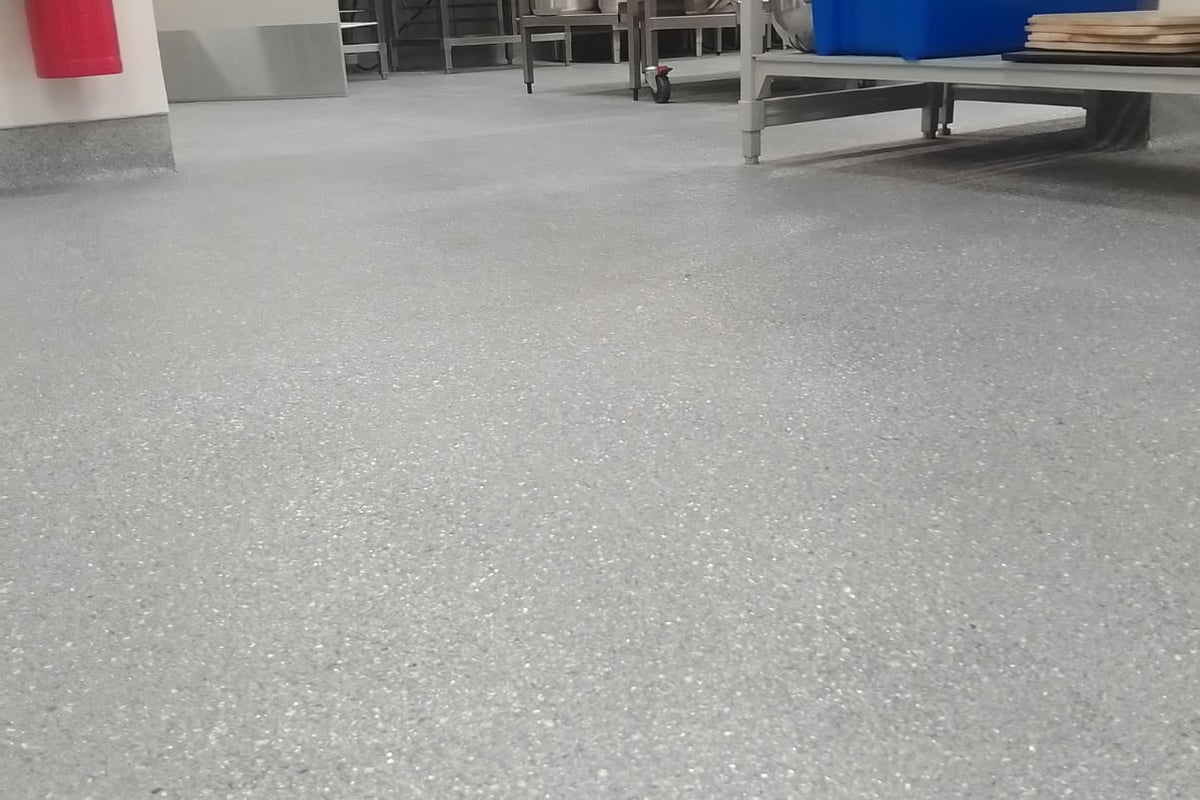
The seamless, non-porous surface created by epoxy floor finish systems prevents bacterial growth and simplifies sanitation protocols. This characteristic proves essential in commercial kitchens, food processing facilities, and pharmaceutical manufacturing areas.
Daily cleaning requires only neutral pH detergents and standard mopping equipment. The chemical-resistant surface withstands repeated exposure to cleaning agents without degradation, maintaining its protective properties throughout the service life. Warehouse flooring applications benefit from reduced dust generation and simplified maintenance procedures that minimize operational disruption.
System Variations and Customization Options
Epoxy floor finish products are available in multiple configurations designed to meet specific performance requirements and budget constraints. Understanding these variations enables appropriate system selection for each application.
Coating Thickness Classifications
| System Type | Thickness Range | Typical Applications | Primary Benefits |
|---|---|---|---|
| Thin-film coatings | 100-300 microns | Light commercial, retail | Cost-effective protection |
| Self-leveling systems | 2-4mm | Warehouses, showrooms | Smooth, aesthetic finish |
| Mortar systems | 4-6mm | Heavy industrial, chemical plants | Maximum durability |
| High-build coatings | 500-1000 microns | Workshops, factories | Balance of cost and performance |
Workshop flooring applications typically utilize high-build or self-leveling epoxy floor finish systems that provide robust protection against mechanical damage whilst maintaining a professional appearance.
Aesthetic and Functional Additives
Modern epoxy systems incorporate various additives enhancing performance or aesthetics. Quartz aggregate broadcasts create slip-resistant surfaces meeting Australian workplace safety standards. Colored quartz or decorative flakes produce visually appealing finishes suitable for retail flooring applications.
Anti-static additives control electrostatic discharge in electronics manufacturing or explosive atmospheres. Thermal shock resistant formulations withstand rapid temperature changes in commercial kitchens or cold storage facilities.
The versatility of epoxy chemistry allows formulation of systems meeting precise performance specifications whilst accommodating aesthetic preferences. This flexibility explains the widespread adoption across diverse commercial sectors.
Maintenance Requirements and Life Cycle Management
Whilst an epoxy floor finish delivers exceptional durability, appropriate maintenance protocols maximize service life and preserve performance characteristics. Commercial facilities benefit from establishing systematic cleaning and inspection schedules.
Routine Maintenance Protocols
Daily maintenance tasks include:
- Dust mopping or sweeping to remove loose debris
- Spot cleaning spills promptly to prevent staining
- Damp mopping with pH-neutral cleaning solutions
- Inspection for damage or wear patterns
Weekly deep cleaning using automatic scrubbers maintains appearance whilst removing accumulated soiling. Avoid harsh alkaline cleaners or abrasive pads that may dull the surface gloss over time. The guide on maintaining warehouse floors provides additional insights into effective maintenance strategies.
Long-term Performance Management
Professional inspections every 12-24 months identify minor wear or damage before significant deterioration occurs. Localized repairs address small areas of damage without requiring complete floor replacement.
Traffic patterns often create concentrated wear zones, particularly near loading docks, machinery locations, or high-traffic aisles. Strategic recoating of these areas extends overall system life whilst managing maintenance costs effectively. Understanding epoxy flooring lifespan factors enables proactive maintenance planning that maximizes return on investment.
Selection Criteria for Commercial Applications
Choosing an appropriate epoxy floor finish system requires evaluation of multiple factors specific to each facility. Performance requirements, budget constraints, and operational considerations all influence system selection.
Environmental and Operational Factors
Temperature extremes, chemical exposure, traffic intensity, and moisture conditions directly impact system selection. Car park flooring applications face different challenges than climate-controlled retail environments.
Critical selection factors:
- Expected traffic type and intensity (pedestrian, forklift, heavy machinery)
- Chemical exposure profiles (frequency, concentration, contact duration)
- Temperature ranges and thermal cycling patterns
- Moisture conditions and substrate moisture content
- Required service life and maintenance budget
Food processing facilities require systems meeting stringent hygiene standards whilst resisting thermal shock from washdown procedures. Manufacturing plants may prioritize chemical resistance or anti-static properties over aesthetics.
Compliance and Certification Requirements
Australian commercial facilities must comply with relevant workplace health and safety regulations, building codes, and industry-specific standards. An epoxy floor finish system selection should consider slip resistance ratings, fire safety classifications, and environmental certifications.
Quality contractors hold appropriate licensing including QBCC certification demonstrating competency and compliance with Queensland building standards. Comprehensive insurance coverage protects clients against installation defects or performance failures. Working with experienced professionals familiar with flooring safety standards ensures regulatory compliance throughout project delivery.
Cost Considerations and Return on Investment
Initial installation costs represent only one component of total ownership expense. Evaluating epoxy floor finish systems requires comprehensive analysis of installation, maintenance, and life-cycle costs against performance benefits and operational improvements.
Installation Investment Analysis
Material costs for epoxy floor finish products vary significantly based on system type, thickness, and performance specifications. Professional labour represents 40-60% of total installation costs depending on project complexity and site conditions.
| Cost Component | Percentage of Total | Variables Affecting Cost |
|---|---|---|
| Materials | 25-35% | System type, thickness, additives |
| Labour | 40-50% | Surface preparation, application complexity |
| Preparation | 15-20% | Existing condition, required repairs |
| Project Management | 5-10% | Site access, scheduling, coordination |
Epoxy workshop floor projects typically deliver faster installation than alternative flooring systems, reducing operational downtime and associated productivity losses. This advantage proves particularly valuable in retrofit applications where business continuity remains paramount.
Long-term Value Proposition
The extended service life of properly installed epoxy floor finish systems distributes initial investment across 15-20 years, delivering favorable cost-per-year performance compared to alternatives requiring more frequent replacement. Reduced maintenance requirements further enhance economic benefits through lower cleaning costs and minimal repair expenses.
Operational improvements including enhanced lighting reflectivity, reduced dust generation, and improved workplace safety contribute indirect value difficult to quantify but significant to overall facility performance. These factors justify premium investment in high-quality systems over budget alternatives offering shorter service life.
Selecting an appropriate epoxy floor finish system requires careful evaluation of performance requirements, environmental conditions, and long-term operational goals specific to your commercial or industrial facility. Professional installation by experienced contractors ensures optimal results that protect your infrastructure investment whilst supporting operational excellence. Superior Concrete Finishes brings decades of specialized expertise to commercial and industrial flooring projects across South East Queensland, delivering high-performance epoxy and polished concrete solutions backed by comprehensive licensing and insurance coverage. Contact our team to discuss how we can transform your facility with durable, professional-grade concrete flooring systems.

Joshua Miller has over 15 years of experience in the commercial concrete flooring industry, specialising in epoxy flooring systems and polished concrete solutions for warehouses, factories, retail spaces and commercial developments. Joshua and his team work closely with builders, property owners and facility managers across South East Queensland to deliver durable, cost-effective commercial flooring systems for warehouses, industrial facilities, commercial kitchens, retail stores and large commercial developments.
Major builders and organisations Josh has led projects on include McNab, Hutchinson Builders, IKEA, Queensland Rail, University of Queensland, ADCO, Tomkins Commercial, Bunnings, OfficeWorks, Spotlight, and Anaconda.
If you're planning a project and need advice on the best commercial concrete flooring solution, contact Josh or one of the team at Superior Concrete Finishes.
-
 info@superiorconcretefinishes.com.au
-
1300 789 740
-
Connect with Josh on
LinkedIn


 Connect with Josh on