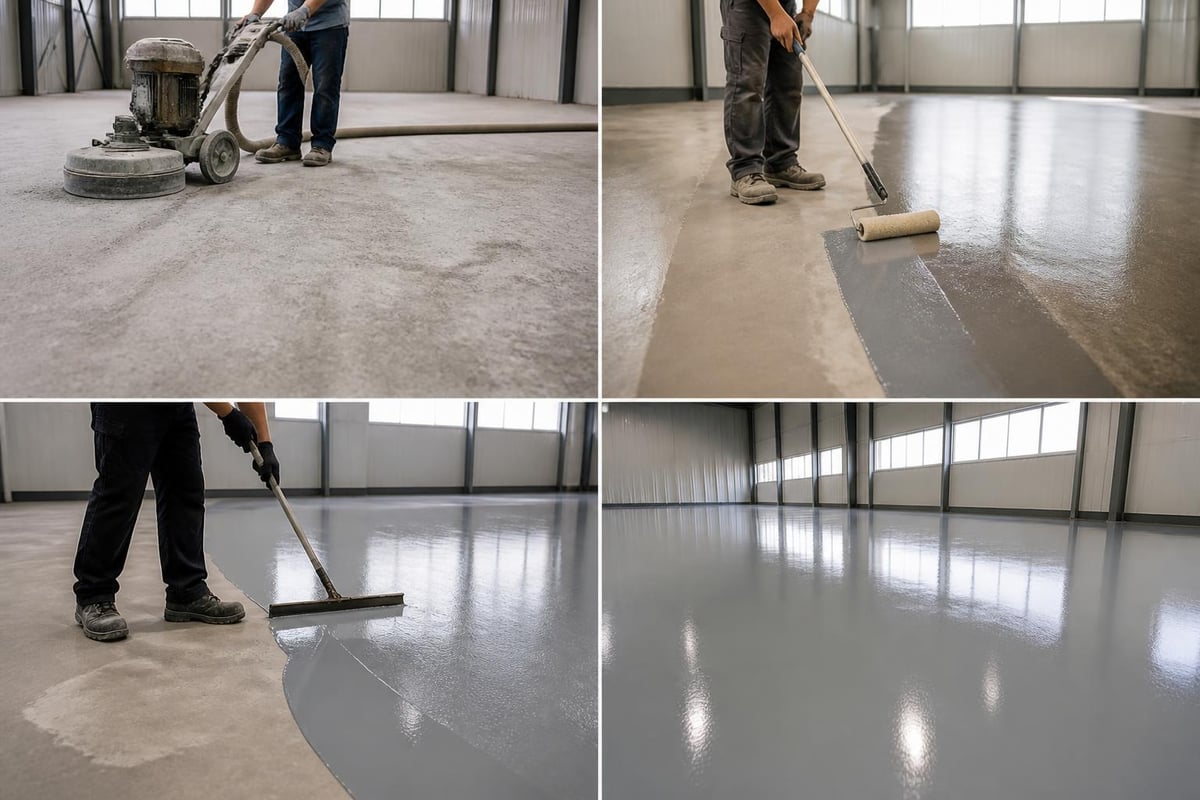
Epoxy floor installation represents a significant investment for commercial and industrial facilities across South East Queensland. The success of these installations depends on meticulous planning, proper surface preparation, and expert application techniques. Whether you're managing a warehouse, factory, commercial kitchen, or retail space, understanding the installation process ensures you receive a durable, high-performance flooring solution that meets Australian standards and delivers long-term value. This comprehensive guide explores the critical stages of professional epoxy floor installation, from initial assessment through to final curing, providing facility managers and business owners with the knowledge needed to oversee successful flooring projects.
Pre-Installation Assessment and Planning
Before any epoxy floor installation begins, a thorough site assessment determines project feasibility and requirements. Professional contractors evaluate concrete substrate conditions, moisture levels, existing coatings, and environmental factors that influence installation success.
Substrate Evaluation
The existing concrete slab requires comprehensive inspection to identify structural issues, contamination, or damage. Concrete age, strength, and porosity all affect how epoxy systems bond and perform over time.
Key assessment criteria include:
- Concrete compressive strength (minimum 25 MPa for most epoxy systems)
- Surface moisture content and vapour transmission rates
- Previous coatings or sealers requiring removal
- Cracks, spalling, or structural defects needing repair
- Floor flatness and levelness tolerances
Many commercial projects fail because moisture testing was inadequate or skipped entirely. Proper moisture testing using calcium chloride tests or relative humidity probes prevents delamination and coating failure.
Environmental Conditions
Temperature and humidity parameters must fall within manufacturer specifications during installation and curing. Most epoxy systems require ambient temperatures between 10°C and 30°C, with relative humidity below 85 percent.
South East Queensland's subtropical climate presents specific challenges. Summer heat accelerates curing times, whilst winter humidity can extend drying periods. Professional installers schedule projects around weather forecasts and control environmental conditions using dehumidifiers or temporary climate control when necessary.
Surface Preparation Methods
Surface preparation represents the most critical phase of epoxy floor installation. Approximately 80 percent of coating failures stem from inadequate surface prep, making this stage non-negotiable for quality outcomes.
Mechanical Preparation Techniques
Different preparation methods suit different substrate conditions and project requirements. The selection depends on concrete condition, contamination levels, and desired surface profile.
| Preparation Method | Application | Surface Profile | Advantages |
|---|---|---|---|
| Diamond Grinding | General preparation | CSP 1-3 | Minimal dust, precise control |
| Shot Blasting | Heavy contamination | CSP 3-5 | Fast coverage, aggressive cleaning |
| Scarifying | Thick coatings removal | CSP 4-6 | Deep profiling, removes damaged concrete |
| Acid Etching | Light preparation | CSP 1-2 | Chemical cleaning, opens pores |
Diamond grinding and shot blasting remain the preferred methods for commercial epoxy floor installation because they create consistent surface profiles whilst removing contaminants, laitance, and weak surface layers.
The concrete surface profile (CSP) must match epoxy system requirements. Broadcast systems typically require CSP 2-3, whilst self-levelling systems work best with CSP 1-2. Over-profiling wastes material through excessive absorption, whilst under-profiling compromises adhesion.
Crack and Joint Repair
Structural cracks require assessment by engineers to determine if movement continues. Active cracks need flexible repair methods, whilst dormant cracks can be filled with rigid epoxy compounds.
Control joints and saw cuts receive special attention. Options include:
- Routing and sealing with flexible polyurea or polyurethane
- Filling flush with epoxy fillers for high-traffic areas
- Crack chasing to create uniform repair channels
Commercial warehouse flooring often experiences significant loads at joints, making proper joint preparation essential for preventing coating breakdown.

Primer Application and Build Coat Systems
Once surface preparation achieves specified standards, primer application creates the critical bond between concrete and epoxy system. Primers penetrate the concrete substrate, sealing porosity and providing mechanical adhesion for subsequent coats.
Primer Selection and Application
Different primers suit different substrate conditions. Moisture-tolerant primers work on slightly damp concrete, whilst standard epoxy primers require completely dry substrates. The choice depends on moisture test results and project timelines.
Application techniques include:
- Roller application for standard coverage and penetration
- Squeegee application for porous concrete requiring material build
- Spray application for large areas with uniform conditions
Primer coverage rates typically range from 4-8 square metres per litre, depending on concrete porosity. Excessively porous concrete may require multiple primer coats or specialised penetrating sealers before standard primer application.
Build Coat Application
After primer curing (typically 6-24 hours), build coats create the protective epoxy layer. Epoxy floor thickness varies from 2mm for standard broadcast systems to 6mm or more for heavy-duty trowelled installations.
Build coat application follows strict protocols:
- Mixing ratios must be exact, using calibrated measuring equipment
- Pot life dictates working times (typically 20-45 minutes at 20°C)
- Ambient conditions require monitoring throughout application
- Application thickness needs consistency across the entire floor area
For warehouse flooring and industrial facilities, broadcast systems involve scattering decorative flakes or quartz aggregates into wet epoxy. This creates texture, improves slip resistance, and adds visual interest whilst increasing wear resistance.
Top Coat and Sealer Systems
The final epoxy or polyurethane top coat determines surface characteristics, including gloss level, chemical resistance, and UV stability. Top coat selection depends on facility requirements and operational demands.
Epoxy vs Polyurethane Top Coats
| Property | Epoxy Top Coat | Polyurethane Top Coat |
|---|---|---|
| Chemical Resistance | Excellent | Very Good |
| UV Stability | Fair (yellows) | Excellent |
| Abrasion Resistance | Very Good | Excellent |
| Flexibility | Low | High |
| Cost | Lower | Higher |
Commercial kitchens and food processing facilities often specify polyurethane top coats for superior chemical resistance and hygiene properties. Polyurethane floor coating provides exceptional durability in environments with aggressive cleaning protocols.
Retail environments prioritise aesthetics and UV stability, making clear polyurethane top coats ideal for maintaining colour consistency under natural light exposure.
Application Technique and Quality Control
Top coat application requires precision to avoid common defects including orange peel, fish eyes, or uneven coverage. Professional installers use:
- Microfiber rollers for smooth, consistent finish
- Back-rolling techniques to eliminate bubbles and ensure uniform thickness
- Wet edge maintenance to prevent lap marks
- Cross-hatching patterns for complete coverage
Quality control during application includes monitoring film thickness with wet film gauges, checking for holidays (missed spots), and ensuring proper overlap between passes. Temperature and humidity monitoring continues throughout application and curing.

Curing Process and Traffic Timing
After final coat application, proper curing determines whether the epoxy floor installation achieves design performance specifications. Rushing this phase compromises durability and can void warranties.
Curing Timeline and Conditions
Epoxy systems cure through chemical reaction (polymerisation) rather than evaporation. Temperature significantly affects curing speed, with every 10°C increase roughly doubling reaction rates.
Standard curing timelines at 20°C include:
- Tack-free: 8-12 hours (surface no longer sticky)
- Foot traffic: 24-36 hours (light walking only)
- Full traffic: 5-7 days (normal operations resume)
- Chemical resistance: 7-14 days (full chemical cure achieved)
Commercial epoxy floor installations in operational facilities require careful staging to minimise business disruption. Progressive installation in sections allows partial facility operation whilst work continues.
Post-Installation Protection
During curing, the floor requires protection from contamination, impact, and premature loading. Professional installers implement:
- Barrier systems preventing unauthorised access
- Climate control maintaining optimal temperature and humidity
- Dust control in adjacent areas to prevent contamination
- Load restrictions communicated clearly to facility managers
Early loading can cause permanent surface marks, whilst chemical contamination during partial cure may create permanent discolouration or softening.
Quality Assurance and Testing
Professional epoxy floor installation includes comprehensive quality assurance protocols ensuring the finished floor meets project specifications and Australian standards.
Performance Testing Methods
Testing validates adhesion, thickness, and performance characteristics:
- Pull-off adhesion testing confirms minimum 1.5 MPa bond strength
- Film thickness measurements verify specified coating thickness
- Gloss readings document finish appearance for warranty purposes
- Impact and abrasion testing on test panels validates durability claims
Documentation includes before and after photographs, environmental condition logs, material batch numbers, and test results. This information proves invaluable for warranty claims or future maintenance planning.
Common Installation Defects
Even with experienced contractors, defects occasionally occur. Recognition enables prompt remediation:
Surface defects include blistering (moisture or outgassing), crater formation (contamination), or orange peel texture (application issues). These typically require localised repairs or complete recoating.
Structural issues such as delamination or cracking indicate serious problems requiring investigation. Poor surface preparation, substrate movement, or moisture issues cause these failures.
Maintaining warehouse floors properly extends service life and prevents minor issues escalating into major repairs.
Installation Cost Factors and Budgeting
Understanding cost drivers helps facility managers develop realistic budgets for epoxy floor installation projects. Multiple factors influence total project investment.
Material and Labour Components
| Cost Element | Typical Range (per m²) | Impact Factors |
|---|---|---|
| Surface Preparation | $8-$25 | Concrete condition, required profile |
| Epoxy Materials | $15-$45 | System thickness, quality level |
| Labour Installation | $20-$50 | Complexity, access, scheduling |
| Traffic Management | $5-$15 | Operational requirements |
High-specification systems for mechanical workshop flooring or chemical processing facilities command premium pricing due to enhanced chemical resistance and thickness requirements.
Hidden Cost Considerations
Facility managers should budget for contingencies including:
- Additional repairs discovered during surface preparation
- Extended curing times due to weather conditions
- Moisture remediation if testing reveals elevated levels
- Access equipment for difficult areas or high-traffic staging
Professional contractors provide detailed quotations itemising all cost components, enabling informed decision-making and preventing budget surprises.
Specialist Applications and Custom Requirements
Different commercial environments demand specific epoxy floor installation approaches tailored to operational requirements and regulatory standards.
Commercial Kitchen and Food Processing
Food-grade epoxy systems meet stringent hygiene standards with seamless, non-porous surfaces preventing bacterial growth. These installations require:
- Antimicrobial additives inhibiting bacterial colonisation
- Cove base integration creating seamless wall-to-floor transitions
- Slip-resistant finishes meeting safety standards for wet environments
- Rapid cure systems minimising kitchen downtime
Understanding commercial kitchen flooring requirements ensures compliance with food safety regulations whilst providing durable, cleanable surfaces.
Car Park and External Applications
Car park flooring installations face unique challenges including thermal cycling, UV exposure, and moisture exposure from rain and vehicle wash-down. These environments require UV-stable polyurethane top coats and flexible systems accommodating substrate movement.
Line marking integration during installation creates permanent, high-visibility traffic guidance. Reflective aggregates can be broadcast into wet coatings to enhance visibility and safety in low-light conditions.
Contractor Selection and Project Management
Choosing the right installation contractor significantly impacts project outcomes. Experience, qualifications, and track record separate professional operators from inexperienced applicators.
Essential Contractor Qualifications
Reputable contractors hold:
- QBCC licensing demonstrating regulatory compliance and insurance coverage
- Manufacturer certifications validating product knowledge and application training
- Comprehensive insurance protecting clients from liability and workmanship issues
- References and portfolio evidencing successful commercial projects
Professional installation expertise ensures projects meet specifications, timelines, and budgets whilst minimising operational disruption.
Project Communication and Documentation
Effective project management includes:
- Pre-installation meetings clarifying scope, timelines, and expectations
- Progress reporting keeping stakeholders informed during installation
- Quality documentation recording conditions, materials, and test results
- Handover procedures including maintenance guidelines and warranty information
Clear communication prevents misunderstandings and ensures all parties understand responsibilities, timelines, and performance criteria.
Superior Concrete Finishes offers comprehensive Epoxy Flooring solutions designed specifically for commercial and industrial applications across South East Queensland. Our systems deliver exceptional durability and performance in the demanding environments our clients operate.

Safety Protocols During Installation
Workplace health and safety requirements govern all epoxy floor installation activities. Contractors must implement comprehensive safety protocols protecting workers and facility occupants.
Personal Protective Equipment
Epoxy materials contain chemicals requiring appropriate PPE:
- Respiratory protection during mixing and application (organic vapour cartridges)
- Skin protection including chemical-resistant gloves and coveralls
- Eye protection preventing chemical contact and splashes
- Foot protection with chemical-resistant, slip-resistant soles
Adequate ventilation proves critical, particularly in confined spaces or poorly ventilated areas. Mechanical ventilation systems may be necessary to maintain safe air quality during application and curing.
Site Safety Management
Professional installation practices include comprehensive site safety planning:
Hazard identification assesses slip risks, chemical exposure, and access dangers before work commences. Isolation procedures protect building occupants from fumes and prevent unauthorised access to wet areas. Emergency response protocols ensure rapid action if incidents occur.
Daily toolbox meetings review specific hazards and control measures, ensuring all workers understand safety requirements and procedures.
Environmental Considerations and Sustainability
Modern epoxy floor installation increasingly focuses on environmental responsibility and sustainable practices. Low-VOC formulations, waste minimisation, and energy-efficient processes reduce environmental impact.
Low-VOC and Solvent-Free Systems
Traditional solvent-based epoxy systems release significant volatile organic compounds during application and curing. Modern formulations offer:
- 100% solids epoxy containing no solvents or VOCs
- Water-based systems reducing odour and emissions
- Rapid-cure technologies shortening downtime and energy consumption
These environmentally responsible products maintain performance whilst supporting green building certifications and indoor air quality objectives.
Waste Management and Recycling
Professional contractors implement waste management protocols including:
- Material quantity optimisation reducing excess and waste
- Container recycling through approved facilities
- Contaminated material disposal following regulatory requirements
- Surface preparation debris sorting and recycling where possible
Responsible waste management protects the environment whilst demonstrating corporate social responsibility and regulatory compliance.
Long-Term Performance and Maintenance
Epoxy floor installation delivers maximum return on investment when paired with appropriate maintenance programs. Understanding performance expectations and care requirements optimises floor lifespan.
Expected Service Life
Properly installed epoxy floors in commercial environments typically deliver:
| Environment | Expected Life | Key Factors |
|---|---|---|
| Light Retail | 15-20 years | Foot traffic, cleaning |
| Warehouse | 10-15 years | Forklift traffic, loads |
| Manufacturing | 8-12 years | Chemical exposure, impact |
| Commercial Kitchen | 10-15 years | Hygiene protocols, heat |
Service life depends on traffic intensity, chemical exposure, maintenance quality, and initial installation standards. Systems installed by experienced professionals consistently outperform budget installations.
Maintenance Best Practices
Regular maintenance preserves appearance and extends functional life:
- Daily sweeping removes abrasive particles preventing surface scratches
- Weekly damp mopping with neutral pH cleaners maintains cleanliness
- Monthly scrubbing addresses accumulated soiling and traffic patterns
- Annual inspection identifies developing issues requiring intervention
Avoid harsh chemicals, abrasive pads, or high-pressure washing equipment that damages epoxy surfaces. Understanding proper maintenance techniques protects your flooring investment and maintains appearance standards.
Professional epoxy floor installation requires expertise, proper equipment, and comprehensive understanding of materials and techniques. Success depends on thorough preparation, quality materials, skilled application, and proper curing protocols. For commercial and industrial facilities across South East Queensland requiring durable, high-performance flooring solutions, Superior Concrete Finishes brings decades of experience and QBCC-licensed expertise to every project. Contact our team to discuss how our epoxy flooring and polished concrete services can transform your warehouse, factory, retail space, or commercial facility with professional results backed by comprehensive warranties.

Joshua Miller has over 15 years of experience in the commercial concrete flooring industry, specialising in epoxy flooring systems and polished concrete solutions for warehouses, factories, retail spaces and commercial developments. Joshua and his team work closely with builders, property owners and facility managers across South East Queensland to deliver durable, cost-effective commercial flooring systems for warehouses, industrial facilities, commercial kitchens, retail stores and large commercial developments.
Major builders and organisations Josh has led projects on include McNab, Hutchinson Builders, IKEA, Queensland Rail, University of Queensland, ADCO, Tomkins Commercial, Bunnings, OfficeWorks, Spotlight, and Anaconda.
If you're planning a project and need advice on the best commercial concrete flooring solution, contact Josh or one of the team at Superior Concrete Finishes.
-
 info@superiorconcretefinishes.com.au
-
1300 789 740
-
Connect with Josh on
LinkedIn


 Connect with Josh on