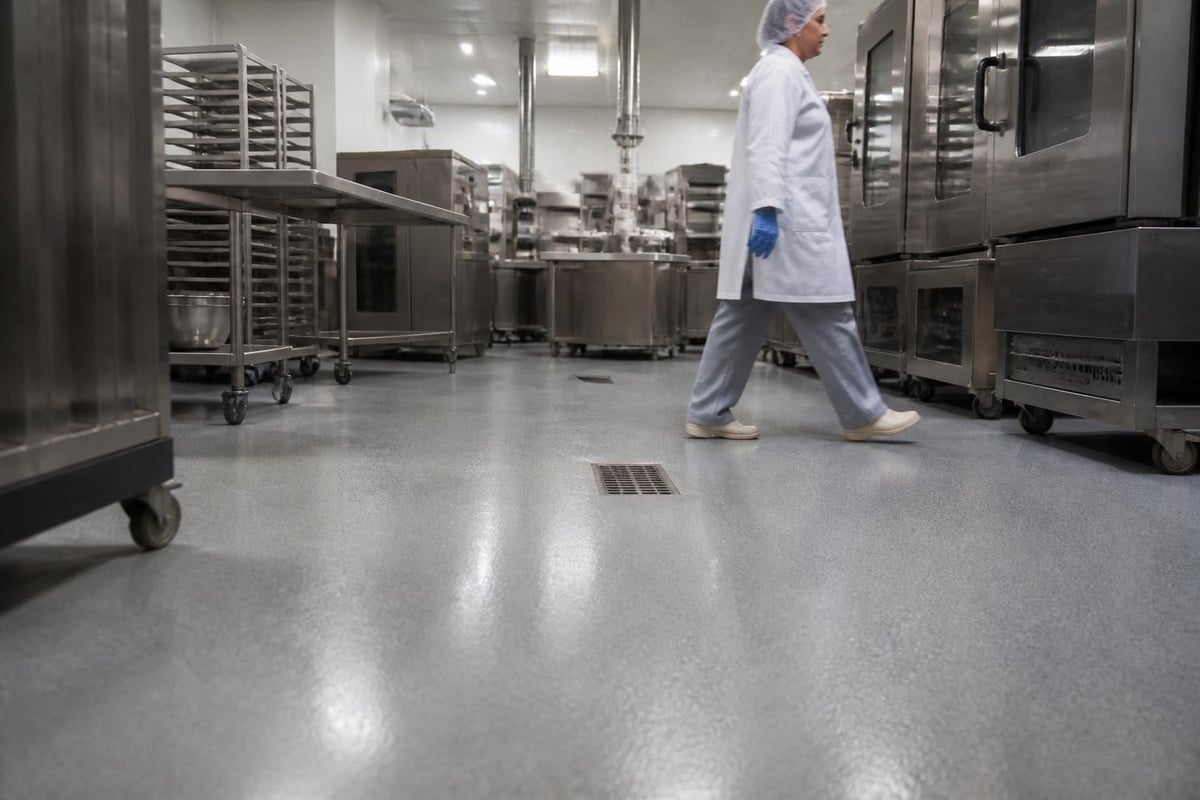
Food production and processing facilities face unique flooring challenges that extend far beyond standard commercial applications. Between stringent regulatory compliance, constant exposure to acids and cleaning chemicals, and the ever-present risk of bacterial growth, selecting the right flooring system becomes a critical operational decision. Epoxy flooring for food industry applications has emerged as the preferred solution, delivering the perfect balance of durability, hygiene, and chemical resistance required in these demanding environments.
Understanding Food Industry Flooring Requirements
The Australian food manufacturing sector operates under rigorous standards that dictate every aspect of facility design, including flooring specifications. Food safety regulations require surfaces that prevent bacterial harbourage, withstand aggressive cleaning protocols, and maintain structural integrity despite constant temperature fluctuations and chemical exposure.
HACCP Compliance and Flooring Standards
Hazard Analysis and Critical Control Points (HACCP) certification demands floors that can be thoroughly cleaned and sanitised without degradation. This means:
- Seamless installation preventing moisture or bacterial accumulation in joints
- Non-porous surfaces that resist absorption of liquids, fats, and contaminants
- Chemical resistance to withstand daily sanitisation with industrial-grade cleaners
- Slip resistance even when wet, protecting staff and meeting workplace safety requirements
The consequences of non-compliant flooring extend beyond regulatory penalties. Product contamination, facility shutdowns, and reputational damage can cost businesses millions in lost revenue and remediation expenses. Proper flooring selection becomes a foundational investment in operational continuity.
Temperature and Moisture Challenges
Food processing environments subject floors to extreme conditions. Freezer zones maintain temperatures below -20°C, whilst processing areas may reach 40°C or higher. This thermal cycling creates expansion and contraction that inferior flooring systems simply cannot tolerate.
| Environmental Challenge | Impact on Standard Flooring | Epoxy Solution |
|---|---|---|
| Temperature fluctuation | Cracking, delamination | Flexible formulations absorb thermal stress |
| High humidity | Moisture infiltration, mould growth | Impermeable barrier protection |
| Chemical exposure | Surface degradation, porosity | Chemically inert resin systems |
| Impact damage | Chips, cracks, contamination risks | High compressive strength |
Many facilities also contend with constant wet conditions from cleaning protocols, product spillage, or processing requirements. Food process flooring must channel water effectively whilst maintaining slip resistance and preventing moisture penetration to the substrate.
Why Epoxy Flooring Dominates Food Manufacturing
Epoxy flooring for food industry facilities has become the benchmark solution because it addresses every critical requirement simultaneously. Unlike alternative flooring systems, properly specified epoxy creates a monolithic surface that functions as both a protective barrier and a hygienic working platform.
Chemical and Microbial Resistance
Processing facilities regularly encounter organic acids from fruits, lactic acids from dairy, animal fats, oils, and industrial cleaning chemicals. Standard concrete quickly deteriorates under this assault, becoming porous and harboring bacteria within its degraded surface.
Quality epoxy systems resist:
- Citric, lactic, and acetic acids at concentrations common in food processing
- Caustic cleaning solutions including sodium hydroxide
- Chlorine-based sanitisers and quaternary ammonium compounds
- Animal and vegetable fats, oils, and sugars
The seamless nature of epoxy eliminates grout lines, cracks, and joints where bacteria, moulds, and pathogens typically colonise. This makes comprehensive sanitation achievable rather than aspirational. For facilities pursuing or maintaining certifications, this bacterial resistance proves invaluable during inspections and audits.

Longevity Under Operational Stress
Food production operates continuously, often running 24/7 schedules that leave minimal downtime for maintenance or repairs. Flooring failures disrupt production, compromise product safety, and create expensive emergency situations.
Properly installed epoxy flooring for food industry applications typically delivers 15-20 years of service life even under harsh conditions. This durability stems from the cross-linked polymer structure that bonds directly to prepared concrete substrates, creating a unified system rather than a surface coating.
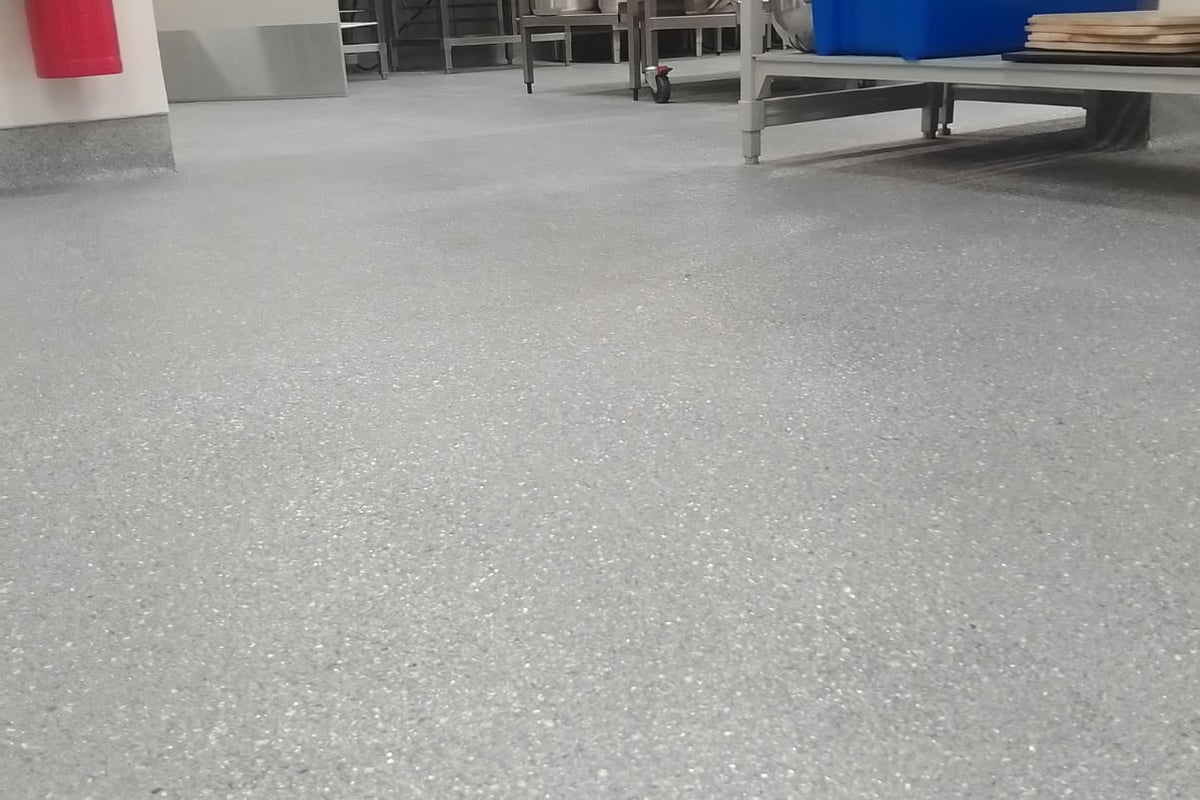
The epoxy flooring systems we install in commercial kitchens and processing facilities undergo specific formulation selection based on operational requirements. High-build systems provide additional impact resistance in areas where heavy equipment operates, whilst fast-cure formulations minimise downtime during installation.
Installation Specifications for Food Facilities
The performance of epoxy flooring for food industry applications depends heavily on proper installation protocols. Cutting corners during surface preparation or application inevitably leads to premature failure, creating far greater expenses than the initial savings.
Substrate Preparation Requirements
Concrete substrates must meet specific criteria before epoxy application. This begins with thorough cleaning to remove all contaminants including oils, previous coatings, curing compounds, and surface laitance. Mechanical preparation through diamond grinding or shot blasting creates the surface profile necessary for optimal adhesion.
Critical preparation steps include:
- Moisture testing using calcium chloride or relative humidity probes to verify substrate dryness
- Contamination removal through aggressive mechanical methods, not just chemical cleaning
- Crack and joint repair using flexible epoxy fillers compatible with the topcoat system
- Surface profiling to achieve CSP 2-3 (Concrete Surface Profile) for maximum bond strength
- Final cleaning removing all dust and debris before primer application
Many installation failures trace back to inadequate substrate preparation. In food facilities, the combination of concrete porosity, previous contamination, and moisture issues demands especially rigorous preparation protocols.
System Build-Up and Specification
Not all epoxy systems suit food processing environments. Thin-film coatings lack the durability and chemical resistance necessary for long-term performance. Food industry applications typically require medium to high-build systems ranging from 3-6mm thickness.
| System Component | Thickness | Function |
|---|---|---|
| Primer coat | 0.3-0.5mm | Substrate penetration and bonding |
| Body coat | 2-4mm | Structural strength and chemical barrier |
| Top seal | 0.5-1mm | UV stability and enhanced chemical resistance |
The body coat often incorporates antimicrobial additives that actively inhibit bacterial growth on the surface. Whilst proper cleaning remains essential, these additives provide an additional safety margin during the intervals between sanitation cycles.
Slip resistance gets engineered into the system through several methods. Broadcast aggregates create texture, whilst specialised topcoats provide grip without creating surface roughness that harbours bacteria. The balance between safety and cleanability requires careful specification based on the specific operational areas within the facility.
Maintenance and Longevity Considerations
Even the highest quality epoxy flooring for food industry use requires ongoing maintenance to maximise service life and maintain compliance. Developing comprehensive maintenance protocols during the planning phase prevents operational disruptions and extends floor performance.
Daily and Periodic Cleaning Protocols
Food processing facilities typically implement multi-tiered cleaning schedules. Daily protocols remove visible contamination and operational residues, whilst deeper cleaning occurs during production breaks or scheduled maintenance windows.
Effective cleaning for epoxy floors includes:
- Daily washing with approved food-safe detergents and mechanical scrubbing
- Weekly deep cleaning using pressure washing and stronger sanitising agents
- Monthly inspection for early damage detection and preventive repairs
- Quarterly assessment of surface wear patterns and slip resistance
The chemical resistance of quality epoxy allows use of aggressive cleaning products without surface degradation. However, excessively abrasive cleaning methods can gradually reduce surface gloss and, over time, affect the protective seal coat. Balancing cleaning effectiveness with surface preservation requires appropriate equipment selection and staff training.
Inspection and Preventive Maintenance
Regular inspections identify minor issues before they escalate into major problems. Surface scratches, small chips, or wear patterns in high-traffic zones can be addressed through spot repairs that cost a fraction of full replacement.
Professional maintenance programs typically include annual assessments by experienced contractors who understand both epoxy systems and food industry requirements. These inspections evaluate:
- Bond integrity between epoxy and substrate
- Chemical resistance degradation from cleaning protocols
- Impact damage in equipment zones and doorways
- Slip resistance maintenance across different facility areas
- Drainage functionality in wet processing zones
The high traffic epoxy floor coatings installed in busy commercial kitchanes and production areas benefit enormously from proactive maintenance. Minor touch-ups performed during scheduled downtime prevent emergency repairs during critical production periods.
Specialised Applications Across Food Sectors
Different food industry segments present unique flooring challenges that require tailored epoxy solutions. Understanding these sector-specific requirements ensures optimal system selection and long-term performance.
Commercial Kitchen Environments
Restaurant kitchens, central production kitchens, and catering facilities face constant grease, temperature extremes, and heavy foot traffic. Commercial kitchen flooring must handle boiling water spillage, oil spatters, and aggressive degreasing chemicals whilst maintaining slip resistance.
Epoxy formulations for kitchen use often incorporate:
- Enhanced slip-resistant aggregates for wet environments
- Higher chemical resistance to combat grease-cutting detergents
- Thermal shock resistance for areas near ovens and fryers
- Bright colours that improve light reflectivity and show contamination
The seamless installation proves especially valuable in commercial kitchens where hygiene inspections scrutinise every surface. Eliminating grout lines and joints removes bacterial harbourage points that plague traditional tile installations. For businesses designing outdoor culinary spaces or specialised cooking facilities, partnering with experts in luxury outdoor kitchens can complement indoor flooring specifications with cohesive design approaches.
Processing and Production Floors
Large-scale food manufacturing facilities processing meat, dairy, beverages, or packaged goods require robust flooring that withstands industrial equipment, chemical exposure, and rigorous cleaning. These environments often include multiple zones with varying requirements.
Production area considerations include:
- Wet processing zones: Full broadcast systems with excellent drainage and maximum slip resistance
- Dry processing areas: Smoother finishes that still allow effective cleaning but prioritise equipment movement
- Freezer rooms: Specialised low-temperature cure formulations that prevent delamination
- Loading docks: Heavy-duty systems resisting forklift traffic and impact damage
Brewery flooring represents a particularly demanding application where sugars, yeast, acids, and constant moisture create challenging conditions. The fermentation process generates organic acids that attack inadequate flooring, whilst carbonation and kegging operations subject floors to both thermal and mechanical stress.
Installation Logistics and Downtime Management
Food production facilities operate on tight schedules where production interruptions directly impact revenue. Planning epoxy installation requires careful coordination to minimise operational disruption whilst ensuring proper application procedures.
Project Planning and Phasing
Comprehensive planning begins months before installation, coordinating with production schedules, maintenance windows, and certification requirements. Large facilities often implement phased installations that allow continued partial operation during the flooring project.
Effective project planning addresses:
- Production scheduling to identify optimal installation windows
- Temporary barriers isolating work zones from active production areas
- Ventilation requirements managing odours and fumes during cure periods
- Temperature and humidity control ensuring optimal curing conditions
- Quality assurance protocols verifying each phase before progression
Fast-cure epoxy formulations can reduce downtime to 24-48 hours for return to light service, though full chemical resistance develops over 7-10 days. This allows facilities to resume basic operations quickly whilst gradually increasing loading and chemical exposure as the system fully cures. For facilities requiring specialised plumbing or heating adjustments to accommodate new flooring, coordinating with experienced plumbing and heating professionals ensures integrated system performance.
Quality Assurance and Certification
Food industry facilities must maintain comprehensive documentation proving compliance with relevant standards. Professional epoxy installations include detailed quality assurance protocols that generate the necessary certification paperwork.
Documentation typically includes:
- Material specifications and safety data sheets
- Installation procedures and cure schedules
- Thickness measurements and coverage rates
- Adhesion testing results
- Chemical resistance certifications
This documentation proves invaluable during facility inspections, certification audits, and insurance assessments. It also provides baseline data for maintenance planning and future renovation projects.
Cost Analysis and Return on Investment
Epoxy flooring for food industry applications represents a significant capital investment, but the total cost of ownership calculation demonstrates compelling financial advantages over alternative flooring systems.
Initial Investment Considerations
Quality epoxy installations for food facilities typically cost between $80-150 per square metre, varying based on system thickness, surface preparation requirements, and facility conditions. This exceeds basic industrial coatings but delivers performance that justifies the premium.
Cost drivers include:
- Substrate condition: Damaged or contaminated concrete requires additional preparation
- System specification: Thicker, more chemically resistant systems cost more but last longer
- Facility access: Working around production schedules or in occupied facilities increases labour costs
- Certification requirements: Meeting specific food safety standards demands premium materials and rigorous protocols
The initial expense must be evaluated against the operational costs of inferior flooring. Frequent repairs, production disruptions, contamination risks, and premature replacement make cheaper alternatives far more expensive over their lifecycle.
Long-Term Value Proposition
Properly installed epoxy flooring for food industry use typically delivers 15-20 years of service, compared to 3-5 years for basic coatings or 5-10 years for traditional tile installations. This longevity dramatically reduces lifecycle costs.
| Flooring System | Initial Cost (per m²) | Service Life | Maintenance Cost (annual per m²) | Total 20-Year Cost |
|---|---|---|---|---|
| Premium epoxy | $120 | 20 years | $5 | $220 |
| Standard coating | $45 | 5 years | $8 | $340 |
| Tile installation | $85 | 10 years | $12 | $410 |
These calculations exclude the indirect costs of contamination incidents, production disruptions, or regulatory violations that inferior flooring can trigger. For many food businesses, a single contamination event causing product recall can exceed the cost of proper flooring for the entire facility.
Regulatory Compliance and Industry Standards
Understanding the regulatory framework governing food industry flooring ensures installations meet mandatory requirements whilst supporting ongoing certification maintenance.
Australian Food Safety Standards
Food Standards Australia New Zealand (FSANZ) establishes the framework for food safety across the country. Whilst specific flooring requirements aren't explicitly detailed, the standards mandate that all food contact and preparation surfaces be designed for easy cleaning and prevention of contamination.
Epoxy flooring helps facilities meet requirements for:
- Cleaning and sanitising: Seamless surfaces that can be thoroughly cleaned
- Pest prevention: Eliminating cracks and crevices where pests harbour
- Contamination prevention: Non-porous barriers preventing bacterial growth
- Structural maintenance: Durable surfaces resisting the physical demands of food production
Local councils and state health departments conduct regular inspections where flooring condition directly impacts compliance ratings. Deteriorated floors with cracks, chips, or staining frequently trigger violation notices and corrective action requirements.
International Certification Standards
Many Australian food producers export products or work with international brands requiring compliance with global standards. HACCP, ISO 22000, and SQF (Safe Quality Food) certifications all include facility design requirements that encompass flooring specifications.
These standards emphasise:
- Documented cleaning and maintenance procedures
- Materials that don't contribute to contamination
- Design that facilitates effective sanitation
- Structural integrity preventing physical hazards
Quality epoxy installations support these certifications through both performance characteristics and comprehensive documentation. The ability to demonstrate flooring compliance through material certifications and installation records streamlines audit processes and reduces certification risks. Maintaining immaculate facility standards extends beyond flooring to all operational areas, with professional cleaning services playing a complementary role in sustaining hygiene protocols.
Selecting the Right Installation Partner
The performance of epoxy flooring for food industry applications depends as much on installation expertise as material quality. Selecting experienced contractors with specific food industry knowledge prevents costly mistakes and ensures long-term success.
Critical Contractor Qualifications
Professional epoxy installers serving food facilities should demonstrate:
- Industry-specific experience with documented food processing installations
- Proper licensing including QBCC certification for Queensland operations
- Comprehensive insurance covering both installation work and potential contamination risks
- Material certifications proving products meet food safety requirements
- Quality assurance protocols ensuring consistent installation standards
The complexity of food facility work demands contractors who understand both epoxy chemistry and food safety protocols. Installers must coordinate with facility management, work around production schedules, and maintain contamination controls throughout the installation process.
Asking the Right Questions
Facility managers evaluating contractors should request detailed information about previous food industry projects, material specifications, and quality assurance procedures. Key questions include:
- What food facility types have you worked in previously?
- Which epoxy systems do you recommend for our specific operations?
- How do you manage contamination risks during installation?
- What warranties and performance guarantees do you provide?
- Can you provide references from similar food processing facilities?
Reviewing actual project case studies provides insight into contractor capabilities. The commercial flooring portfolio of experienced contractors should demonstrate diverse food industry applications with comprehensive project documentation.
Epoxy flooring for food industry facilities delivers the unique combination of hygiene, durability, and chemical resistance that these demanding environments require. From commercial kitchens to large-scale processing plants, the right flooring system protects product safety, supports regulatory compliance, and minimises long-term operational costs. If your South East Queensland food facility needs flooring that meets the industry's toughest standards, Superior Concrete Finishes brings decades of commercial expertise to deliver reliable, compliant epoxy solutions tailored to your operational requirements.

Joshua Miller has over 15 years of experience in the commercial concrete flooring industry, specialising in epoxy flooring systems and polished concrete solutions for warehouses, factories, retail spaces and commercial developments. Joshua and his team work closely with builders, property owners and facility managers across South East Queensland to deliver durable, cost-effective commercial flooring systems for warehouses, industrial facilities, commercial kitchens, retail stores and large commercial developments.
Major builders and organisations Josh has led projects on include McNab, Hutchinson Builders, IKEA, Queensland Rail, University of Queensland, ADCO, Tomkins Commercial, Bunnings, OfficeWorks, Spotlight, and Anaconda.
If you're planning a project and need advice on the best commercial concrete flooring solution, contact Josh or one of the team at Superior Concrete Finishes.
-
 info@superiorconcretefinishes.com.au
-
1300 789 740
-
Connect with Josh on
LinkedIn


 Connect with Josh on