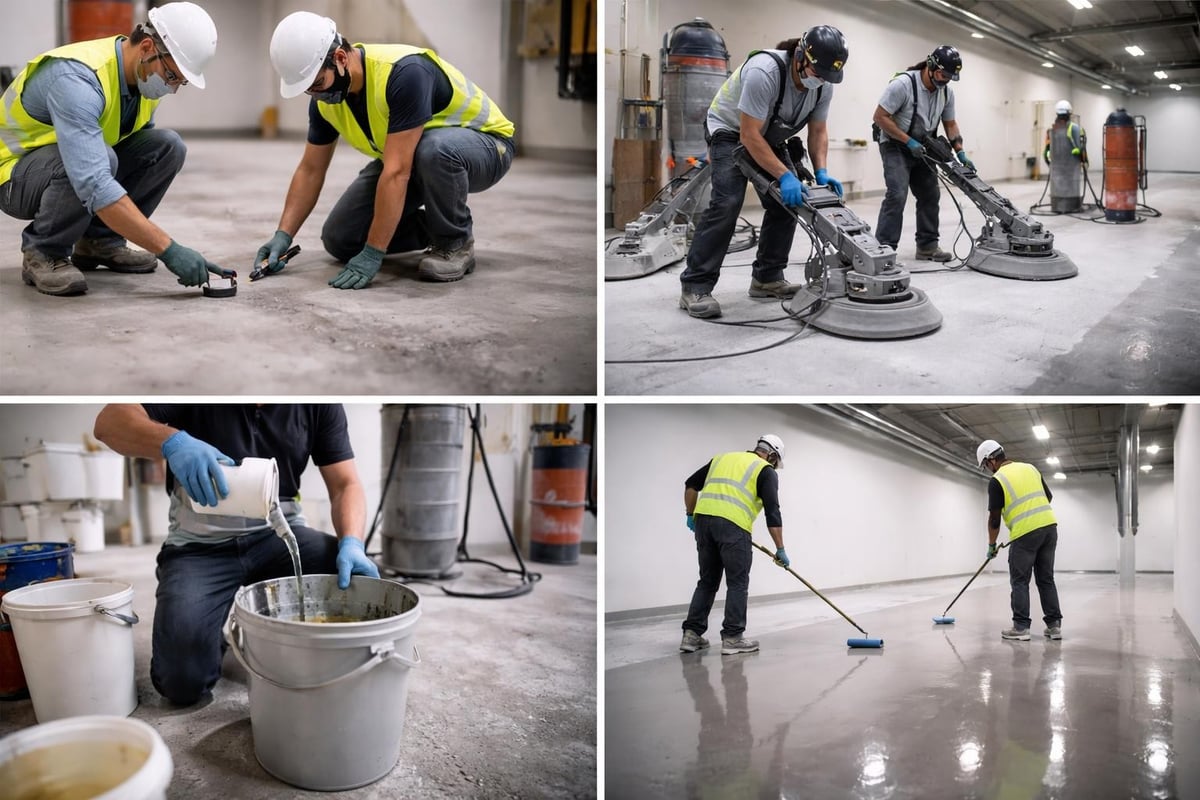
Epoxy flooring work represents one of the most demanding yet rewarding applications in the commercial and industrial flooring sector. When executed correctly, this specialised process transforms ordinary concrete surfaces into durable, chemical-resistant floors that can withstand decades of heavy use. Understanding the complexities involved in professional epoxy flooring work ensures that facility managers, warehouse owners, and industrial operators make informed decisions about their flooring investments. The difference between a mediocre installation and a exceptional one often comes down to preparation, product selection, and technical expertise.
Understanding the Scope of Epoxy Flooring Work
Epoxy flooring work encompasses far more than simply pouring resin onto concrete. The process demands comprehensive planning, precise execution, and meticulous attention to environmental conditions.
Professional epoxy flooring work begins with thorough site assessment and concrete evaluation. Technicians must determine the concrete's age, moisture content, structural integrity, and any existing coatings or contaminants. This initial phase shapes every subsequent decision in the project timeline.
Pre-Installation Assessment Requirements
Critical evaluation factors include:
- Concrete substrate age and curing status (minimum 28 days for new slabs)
- Moisture vapour transmission rates using calcium chloride testing
- Surface porosity and absorption characteristics
- Existing coatings, sealers, or previous flooring systems
- Structural cracks, joints, and expansion gaps requiring repair
The assessment phase determines whether epoxy flooring suits the specific application or if alternative solutions would better serve the facility's needs.
| Assessment Factor | Acceptable Range | Action if Outside Range |
|---|---|---|
| Concrete Age | 28+ days | Delay installation |
| Moisture Content | Below 4% | Install moisture barrier |
| Surface pH | 7-9 | Neutralise or treat surface |
| Temperature | 10-30°C | Climate control required |
Surface Preparation: The Foundation of Quality Work
Surface preparation accounts for approximately 80% of epoxy flooring work success. Without proper preparation, even the highest-quality epoxy systems will fail prematurely.
Mechanical preparation methods include:
- Diamond grinding to open concrete pores
- Shot blasting for aggressive profile creation
- Scarifying for removing existing coatings
- Crack repair using epoxy injection or routing
The concrete surface must achieve a specific profile, typically resembling medium-grade sandpaper, to ensure proper adhesion. Professional installation guides emphasise that inadequate surface preparation remains the primary cause of epoxy floor failure across the industry.

Contamination Removal Protocols
Commercial and industrial environments often present unique contamination challenges. Oil, grease, chemical residues, and production materials can penetrate concrete surfaces, creating barriers to epoxy adhesion.
Effective contamination removal requires:
- Degreasing agents specifically formulated for concrete
- Hot water pressure washing at minimum 3000 PSI
- Acid etching for stubborn mineral deposits
- Complete drying time of 24-48 hours post-cleaning
For factory flooring applications, contamination removal often extends the project timeline but proves essential for long-term performance.
Material Selection and Mixing Procedures
Epoxy flooring work demands precise material selection based on the facility's operational requirements. Different epoxy formulations serve distinct purposes across commercial and industrial applications.
Epoxy System Categories
Solvent-based systems offer excellent penetration into concrete substrates but require extensive ventilation during application. These systems suit environments where strong odours can be managed through airflow control.
Water-based epoxy systems provide lower VOC emissions and easier cleanup, making them suitable for occupied facilities requiring minimal disruption. However, they typically offer less chemical resistance than solvent-based alternatives.
100% solids epoxy represents the premium choice for industrial flooring applications. These systems contain zero solvents, providing maximum film build in a single coat and superior resistance to chemicals, abrasion, and impact.
Product mixing requires exact ratios and thorough blending. Temperature significantly affects working time (pot life), with warmer conditions accelerating cure rates and reducing application windows.
| Epoxy Type | Pot Life (23°C) | Film Thickness | Best Application |
|---|---|---|---|
| Water-based | 45-60 minutes | 2-4 mils | Light commercial |
| Solvent-based | 30-45 minutes | 3-6 mils | Moderate industrial |
| 100% Solids | 20-30 minutes | 10-20 mils | Heavy industrial |
Installation Methodology and Techniques
Professional epoxy flooring work follows systematic application protocols that ensure consistent results across large commercial spaces. The installation sequence typically spans multiple days, allowing for proper curing between coat applications.
Primer Coat Application
The primer coat penetrates the concrete substrate, creating a chemical bond between the concrete and subsequent epoxy layers. Primer application must occur within specific temperature and humidity ranges to ensure proper adhesion.
Application parameters include:
- Surface temperature between 10-30°C
- Relative humidity below 85%
- No rainfall or moisture exposure during cure
- Complete coverage without puddles or dry spots
Following installation best practices ensures the primer coat properly saturates the concrete surface while maintaining appropriate film thickness.
Base Coat and Build Coat Application
The base coat provides the primary thickness and chemical resistance characteristics. For warehouse flooring applications, base coats typically range from 300-500 microns depending on traffic expectations and chemical exposure risks.
Application techniques include:
- Ribbon pouring to ensure even distribution
- Squeegee spreading for consistent thickness
- Spike rolling to remove air bubbles
- Edge work using brushes or small rollers
Epoxy systems are made by mixing a resin and hardener together, which is then applied to the floor, creating a hard, durable surface that is resistant to stains, chemicals, and impact. Maintaining wet edges during application prevents visible lap marks that compromise aesthetic appearance.

Topcoat and Sealer Systems
Topcoat application provides the final protective layer and determines the floor's finished appearance. Options include high-gloss, satin, or matte finishes depending on the facility's preferences and safety requirements.
For commercial car park flooring, slip-resistant additives are often incorporated into the topcoat to enhance traction in wet conditions. These additives must be evenly distributed to ensure consistent slip resistance across the entire floor surface.
Environmental Controls During Installation
Temperature and humidity significantly impact epoxy flooring work outcomes. Professional installations require careful monitoring and sometimes climate control to maintain optimal conditions.
Critical environmental factors:
- Substrate temperature must exceed dew point by minimum 3°C
- Ambient temperature stability throughout cure cycle
- Ventilation without creating surface contamination
- Protection from moisture during cure period
High-build coating installations particularly require stable conditions, as temperature fluctuations during cure can create surface defects including blushing, bubbling, or incomplete adhesion.
Managing Accelerated and Delayed Cure Situations
When temperatures fall outside optimal ranges, epoxy flooring work requires adjustment strategies. Cold conditions slow cure rates, extending project timelines and potentially affecting film formation. Portable heating equipment may be necessary to maintain minimum temperature thresholds.
Conversely, elevated temperatures accelerate cure rates, reducing pot life and working time. In hot conditions, installers must:
- Mix smaller batches to prevent premature gelling
- Pre-cool materials when possible
- Schedule work during cooler periods
- Increase crew size to apply material before pot life expires
Quality Assurance and Inspection Protocols
Professional epoxy flooring work incorporates multiple quality checkpoints throughout the installation process. These inspections identify potential issues before they compromise the finished floor.
During-Installation Quality Checks
Inspection points include:
- Film thickness measurements using wet film gauges
- Visual inspection for bubbles, craters, or debris
- Edge definition and coverage completeness
- Colour consistency across batches
- Proper cure progression between coats
Maintaining detailed records of ambient conditions, batch numbers, and coverage rates creates accountability and facilitates troubleshooting if issues emerge post-installation.
| Inspection Stage | Key Metrics | Acceptable Variance |
|---|---|---|
| Primer | Coverage rate | ±10% of specification |
| Base Coat | Film thickness | ±15% of target |
| Topcoat | Gloss level | ±5 units on meter |
| Final Cure | Hardness | 80+ Shore D |
Post-Installation Verification
Following the cure period, comprehensive testing verifies that the epoxy flooring work meets performance specifications. Pull-off adhesion testing using calibrated equipment measures bond strength between the epoxy and concrete substrate.
Chemical resistance testing involves applying specific chemicals that the floor will encounter during service, then evaluating for staining, softening, or delamination. For mechanical workshop flooring, petroleum-based fluids represent the primary test chemicals.
Maintenance Protocols for Extended Performance
Proper maintenance significantly extends the service life of epoxy flooring work. Establishing comprehensive cleaning and care protocols from the outset prevents premature wear and maintains the floor's protective properties.
Daily and Weekly Maintenance Routines
Routine maintenance procedures focus on removing abrasive particles and preventing chemical exposure from becoming permanent stains.
Recommended maintenance schedule:
- Daily dust mopping or sweeping to remove grit
- Weekly damp mopping with pH-neutral cleaners
- Immediate cleanup of chemical spills
- Monthly inspection for damage or wear patterns
Avoiding harsh chemicals and abrasive cleaning tools preserves the epoxy's surface integrity. Acidic cleaners can etch the surface, while alkaline solutions may cause discolouration over extended exposure.
Periodic Deep Cleaning and Restoration
Beyond routine maintenance, epoxy floors benefit from periodic deep cleaning using automatic scrubbers with soft brushes. This process removes ingrained dirt while avoiding surface damage.
Comprehensive maintenance guidance recommends annual professional cleaning for high-traffic commercial facilities, extending to biannual service for lighter-use applications.
For retail flooring where appearance remains critical, more frequent professional maintenance may be warranted to maintain aesthetic standards.
Common Challenges in Epoxy Flooring Work
Even experienced professionals encounter challenges during epoxy flooring work. Understanding common issues and their solutions improves project outcomes and client satisfaction.
Moisture-Related Complications
Concrete moisture remains the most prevalent challenge in epoxy flooring work. Excessive moisture can cause:
- Bubbling and blistering during cure
- Delamination weeks or months post-installation
- White haze (osmotic blistering) under the coating
- Reduced adhesion strength
Comprehensive moisture testing before beginning work, combined with moisture mitigation systems when necessary, prevents these failures. For existing floors showing moisture issues, remediation must occur before attempting epoxy application.
Surface Preparation Inadequacies
Insufficient surface preparation manifests in various failure modes. Inadequate mechanical preparation leaves the concrete too smooth, preventing proper mechanical bonding. Incomplete contamination removal creates invisible barriers between concrete and epoxy.
Professional installers invest in proper equipment including industrial grinders, shot blasters, and high-pressure washers. This equipment investment pays dividends through consistent surface preparation quality.
Environmental Condition Violations
Installing epoxy outside recommended environmental parameters almost guarantees problems. Common mistakes include:
- Applying coatings when substrate temperature approaches dew point
- Working in excessive humidity without dehumidification
- Ignoring temperature fluctuations during cure
- Inadequate ventilation in enclosed spaces
Following professional installation checklists helps teams maintain environmental discipline throughout the project.
Specialised Applications and Custom Solutions
Epoxy flooring work extends beyond standard warehouse and factory applications. Specialised environments require customised approaches addressing unique operational demands.
Food Processing and Commercial Kitchen Floors
Food-grade epoxy systems for commercial kitchen applications must meet stringent hygiene standards while resisting thermal shock, hot water exposure, and aggressive cleaning chemicals.
These installations often incorporate:
- Antimicrobial additives preventing bacterial growth
- Coved edges eliminating hard-to-clean corners
- Enhanced chemical resistance to sanitising agents
- Textured surfaces providing slip resistance when wet
Chemical Processing and Laboratory Environments
Facilities handling aggressive chemicals require epoxy formulations specifically engineered for chemical resistance. Standard epoxy systems may fail rapidly when exposed to strong acids, bases, or solvents.
Chemical resistance testing should evaluate the specific substances the floor will encounter, ensuring the selected epoxy system provides adequate protection. Some applications require secondary containment features integrated into the flooring design.
Project Planning and Timeline Management
Successful epoxy flooring work requires meticulous project planning coordinating with facility operations. Minimising operational disruption while maintaining quality standards demands strategic scheduling.
Phased Installation Strategies
Large facilities often cannot shut down entirely for flooring work. Phased installations allow continued operations in portions of the facility while work proceeds elsewhere.
Phased approach considerations:
- Logical division of work areas
- Traffic flow during installation
- Cure time requirements between phases
- Equipment and material staging locations
For commercial flooring projects, weekend and after-hours work may be necessary to accommodate business operations, requiring premium scheduling and potentially impacting project costs.
Cure Time and Return-to-Service Planning
Understanding cure schedules proves critical for operational planning. While epoxy may be tack-free within hours, full chemical cure requires days to weeks depending on the system and environmental conditions.
| Service Type | Foot Traffic | Light Vehicles | Heavy Equipment | Full Chemical Cure |
|---|---|---|---|---|
| Fast-cure | 12-16 hours | 24 hours | 3 days | 7 days |
| Standard | 24 hours | 3 days | 5-7 days | 14 days |
| Heavy-duty | 48 hours | 5 days | 7-10 days | 21-28 days |
Premature loading can permanently damage the floor through indentation, marking, or delamination. Conservative return-to-service timelines protect the flooring investment while ensuring long-term performance.
Selecting Qualified Contractors for Epoxy Work
The quality of epoxy flooring work depends heavily on contractor expertise and experience. Not all contractors possess equal capabilities in this specialised field.
Credential Verification and Experience Assessment
Qualified contractors should demonstrate:
- Current licensing and insurance coverage
- Portfolio of completed projects in similar applications
- Technical training certifications from epoxy manufacturers
- Understanding of Australian standards and regulations
- Quality assurance protocols and inspection procedures
For South East Queensland commercial and industrial projects, verification of QBCC licensing ensures contractors meet minimum competency and financial requirements. However, licensing alone doesn't guarantee epoxy flooring expertise.
References and Site Visits
Requesting references from recent projects allows direct feedback about contractor performance, communication, and problem-solving capabilities. Site visits to completed installations reveal workmanship quality and long-term performance.
Questions to ask references include:
- Did the project complete on schedule?
- How did the contractor handle unexpected challenges?
- Does the floor perform as promised?
- Would you hire this contractor again?
Viewing our commercial portfolio demonstrates the range of applications and quality standards achievable through professional epoxy flooring work.
Professional epoxy flooring work transforms commercial and industrial concrete surfaces into durable, chemical-resistant floors that serve facilities for decades when properly installed and maintained. The complexity of this specialised work demands experienced contractors with proven expertise in surface preparation, material application, and quality control. For South East Queensland warehouses, factories, retail stores, commercial kitchens, and industrial facilities requiring expert epoxy flooring or polished concrete solutions, Superior Concrete Finishes brings decades of commercial flooring experience, full QBCC licensing, and comprehensive insurance to every project we undertake.

Joshua Miller has over 15 years of experience in the commercial concrete flooring industry, specialising in epoxy flooring systems and polished concrete solutions for warehouses, factories, retail spaces and commercial developments. Joshua and his team work closely with builders, property owners and facility managers across South East Queensland to deliver durable, cost-effective commercial flooring systems for warehouses, industrial facilities, commercial kitchens, retail stores and large commercial developments.
Major builders and organisations Josh has led projects on include McNab, Hutchinson Builders, IKEA, Queensland Rail, University of Queensland, ADCO, Tomkins Commercial, Bunnings, OfficeWorks, Spotlight, and Anaconda.
If you're planning a project and need advice on the best commercial concrete flooring solution, contact Josh or one of the team at Superior Concrete Finishes.
-
 info@superiorconcretefinishes.com.au
-
1300 789 740
-
Connect with Josh on
LinkedIn


 Connect with Josh on