Workshop environments demand flooring solutions that withstand constant traffic, heavy machinery, chemical exposure, and mechanical stress. An epoxy flooring workshop installation provides industrial and commercial facilities with a resilient surface that meets these challenges while maintaining a professional appearance. As businesses across South East Queensland increasingly prioritise operational efficiency and safety, understanding the benefits and implementation process of epoxy flooring systems has become essential for facility managers, workshop owners, and operations directors.
Why Workshop Floors Require Specialised Epoxy Systems
Industrial workshops face unique challenges that standard concrete surfaces cannot adequately address. Bare concrete deteriorates rapidly under the combined stress of heavy equipment, dropped tools, and chemical spills.
Workshop floors endure forklift traffic, welding sparks, hydraulic fluid leaks, and constant foot traffic from workers and machinery. These conditions create surface degradation that compromises both safety and productivity. Epoxy flooring workshop applications solve these problems by creating a protective barrier that bonds directly to the concrete substrate.
Operational Demands in Industrial Settings
Modern workshops operate with tight schedules and minimal downtime tolerances. The flooring system must support:
- Heavy machinery loads and vibration without cracking or delaminating
- Chemical resistance against oils, solvents, and cleaning agents
- Impact resistance from dropped tools and equipment
- Easy maintenance that doesn’t interrupt production schedules
- Long-term durability that reduces replacement costs
Manufacturing facilities, automotive workshops, and industrial maintenance spaces particularly benefit from epoxy systems designed specifically for high-stress environments. The benefits of epoxy flooring in workshops extend beyond surface protection to include improved workplace safety and operational efficiency.

Performance Characteristics of Workshop Epoxy Systems
The chemical composition of epoxy flooring creates properties ideally suited to industrial workshop environments. When resin and hardener components mix and cure, they form a cross-linked polymer network with exceptional strength characteristics.
Chemical resistance stands as one of the most critical performance factors. Workshops routinely handle petroleum products, coolants, brake fluids, and industrial cleaners that would stain or damage untreated concrete. Properly formulated epoxy systems resist these substances while maintaining surface integrity.
| Performance Factor | Standard Concrete | Epoxy Workshop Floor |
|---|---|---|
| Chemical Resistance | Poor | Excellent |
| Impact Strength | Moderate | High |
| Abrasion Resistance | Low | Very High |
| Maintenance Requirements | High | Low |
| Expected Lifespan | 5-10 years | 15-20+ years |
Load-Bearing Capabilities
Heavy machinery generates concentrated point loads that test flooring systems continuously. Epoxy flooring in heavy-duty machine environments demonstrates superior load distribution compared to untreated concrete.
The monolithic surface created by epoxy application eliminates joints where stress concentrations typically develop. This seamless characteristic proves particularly valuable in workshops where pallet jacks and forklifts operate throughout the day.
Design Considerations for Workshop Epoxy Floors
Selecting the appropriate epoxy system requires understanding specific workshop operations and environmental conditions. Not all epoxy formulations perform equally across different industrial applications.
System Selection Criteria
Thickness requirements vary based on traffic intensity and mechanical loads. Light-duty workshops may function effectively with 2-3 mm systems, whilst heavy industrial facilities require 4-6 mm or greater thickness for adequate protection.
Temperature fluctuations within workshop environments affect epoxy performance. Facilities with significant thermal cycling need flexible epoxy formulations that accommodate expansion and contraction without cracking. Technical specifications like those found in flexible epoxy flooring topcoat data help specifiers match products to conditions.
Colour selection serves functional purposes beyond aesthetics. Many workshops implement colour-coded floor zones to delineate work areas, traffic lanes, and storage zones. Epoxy flooring colours can enhance safety protocols and operational organisation.
Surface Preparation Requirements
Successful epoxy flooring workshop installations depend fundamentally on proper substrate preparation. The concrete surface must be:
- Structurally sound without significant cracking or spalling
- Thoroughly cleaned of oils, grease, and contaminants
- Properly profiled to ensure mechanical bonding
- Moisture-tested to prevent delamination
- Repaired where necessary before coating application
Professional contractors understand that shortcuts during preparation inevitably lead to premature failure. Grinding equipment removes laitance and opens the concrete pore structure, creating the mechanical key essential for long-term adhesion.

Installation Process for Industrial Workshop Floors
The multi-stage application process for an epoxy flooring workshop project requires both technical expertise and appropriate equipment. Each phase contributes to the final performance characteristics of the completed floor.
Initial assessment identifies existing concrete conditions, substrate moisture levels, and any underlying issues requiring remediation. This diagnostic phase prevents costly failures after installation.
Application Methodology
Professional installation follows a systematic sequence:
- Day 1: Surface grinding and preparation, including concrete repairs
- Day 2: Primer coat application to seal the substrate
- Day 3: Base coat application at specified thickness
- Day 4: Optional intermediate coats for heavy-duty applications
- Day 5: Topcoat application for final protection and finish
- Day 6-7: Curing period before light traffic
- Day 8-10: Full cure before heavy equipment operation
Environmental conditions during installation significantly impact outcomes. Temperature and humidity must remain within manufacturer specifications throughout the curing process. Most epoxy systems require temperatures between 10°C and 30°C with relative humidity below 80%.
Quality Control Measures
Experienced contractors implement multiple quality checkpoints throughout installation. Mil thickness gauges verify coating depth, ensuring adequate material application. Adhesion testing confirms proper bonding to the substrate before proceeding to subsequent coats.
For commercial and industrial clients requiring mechanical workshop flooring solutions, professional installation by licensed contractors provides essential quality assurance and warranty protection.
Maintenance Protocols for Long-Term Performance
While epoxy flooring workshop systems require minimal maintenance compared to alternative surfaces, systematic care protocols extend service life and preserve appearance. Establishing routine cleaning procedures prevents gradual degradation from accumulated contaminants.
Daily maintenance involves sweeping or dust mopping to remove abrasive particles that could scratch the surface. For facilities with significant dirt ingress, this simple step substantially reduces surface wear.
Cleaning Best Practices
Effective cleaning maintains both appearance and performance characteristics. Ride-on scrubber equipment provides efficient cleaning for larger workshop areas whilst minimising labour requirements.
| Cleaning Frequency | Procedure | Equipment |
|---|---|---|
| Daily | Sweep/vacuum debris | Broom, dust mop, vacuum |
| Weekly | Damp mop with neutral cleaner | Auto-scrubber or mop |
| Monthly | Deep clean with machine | Floor scrubber |
| Quarterly | Inspect for damage, spot repair | Visual inspection |
| Annually | Professional assessment | Contractor evaluation |
Avoid harsh chemicals or acidic cleaners that may degrade the epoxy surface over time. pH-neutral cleaning solutions effectively remove oils and dirt without compromising the coating integrity.
Spot cleaning addresses spills immediately, preventing staining or chemical attack. Even resistant epoxy systems benefit from prompt cleanup of aggressive chemicals like battery acid or strong solvents.
Safety Enhancements Through Epoxy Flooring
Workshop safety directly correlates with flooring conditions. Cracked, uneven, or contaminated concrete creates trip hazards and increases accident risks. Epoxy flooring workshop installations improve workplace safety through multiple mechanisms.
The seamless surface eliminates trip hazards from deteriorating concrete joints and edges. Workers navigate the space more safely without unexpected surface irregularities.
Slip Resistance Options
Texture additives incorporated during topcoat application create controlled slip resistance appropriate for workshop conditions. Options include:
- Fine aggregate broadcast: Subtle texture for general workshop areas
- Medium grit additives: Moderate slip resistance for vehicle traffic zones
- Coarse texturing: Maximum traction for wet areas or ramps
Many industrial facilities implement different textures across various zones based on specific safety requirements. The concrete surface preparation phase allows for customised safety features tailored to operational needs.

Environmental Considerations in Workshop Flooring
Sustainability increasingly influences material selection across commercial and industrial sectors. Modern epoxy formulations address environmental concerns whilst maintaining performance standards.
Low-VOC epoxy systems minimise volatile organic compound emissions during and after installation. These formulations support better indoor air quality, particularly important in enclosed workshop environments where ventilation may be limited.
The long service life of properly installed epoxy flooring reduces the environmental impact associated with frequent floor replacement. A single epoxy installation lasting 15-20 years eliminates multiple replacement cycles required with inferior flooring options. Information about eco-friendly epoxy flooring options demonstrates industry movement toward sustainable formulations.
Resource Efficiency
Energy efficiency improves through epoxy flooring’s reflective properties. Light-coloured epoxy surfaces increase ambient lighting levels by reflecting overhead illumination more effectively than dark concrete. This characteristic can reduce electrical consumption for lighting in large workshop facilities.
The ease of cleaning epoxy floors reduces water consumption and chemical cleaner usage compared to porous concrete requiring aggressive cleaning protocols. Factory flooring applications demonstrate measurable reductions in maintenance resource requirements.
Cost Analysis for Workshop Epoxy Investment
Understanding the true cost of epoxy flooring workshop projects requires analysis beyond initial installation expenses. Total cost of ownership includes installation, maintenance, downtime, and replacement cycles over the floor’s service life.
Initial investment varies based on several factors:
- Existing concrete condition and required preparation
- System thickness and formulation specifications
- Workshop size and access complexity
- Cure time requirements and facility scheduling
- Special features like colour zoning or enhanced slip resistance
Return on Investment Factors
| Cost Element | Bare Concrete | Epoxy System |
|---|---|---|
| Initial Cost | Low | Moderate-High |
| Annual Maintenance | High | Low |
| Cleaning Efficiency | Low | High |
| Replacement Frequency | 5-7 years | 15-20 years |
| Downtime Impact | Significant | Minimal |
Reduced maintenance labour represents substantial ongoing savings. Epoxy surfaces require 60-70% less cleaning time compared to bare concrete whilst delivering superior cleanliness results.
Minimised downtime during installation and throughout the floor’s service life provides additional value. Properly planned epoxy installations can occur during scheduled shutdowns, whilst the extended lifespan eliminates frequent replacement disruptions.
For commercial operations requiring reliable warehouse flooring or industrial solutions, the long-term cost advantages of epoxy systems significantly outweigh initial investment concerns.
Selecting Professional Installation Services
The quality of an epoxy flooring workshop installation depends critically on contractor expertise and capabilities. Not all flooring contractors possess the specialised knowledge required for industrial epoxy applications.
Qualification verification should include:
- Current licensing and insurance documentation
- Portfolio of completed commercial and industrial projects
- Technical expertise with various epoxy formulations
- Access to professional-grade equipment and materials
- Understanding of Australian Standards and building codes
Experience specifically within industrial workshop environments proves essential. Contractors familiar with operational constraints, downtime minimisation, and heavy-duty performance requirements deliver superior results.
Project Planning and Execution
Professional contractors provide comprehensive project planning that addresses facility-specific requirements. This includes coordination with ongoing operations, staging for minimal disruption, and realistic timelines accounting for proper curing.
Epoxy flooring Brisbane specialists with established track records in commercial and industrial applications understand the unique demands of workshop environments. Their experience translates directly into installation quality and long-term performance.
Technical support during material selection ensures the specified epoxy system matches workshop conditions and performance requirements. Contractors should provide detailed specifications, application methodologies, and maintenance recommendations as part of their service.
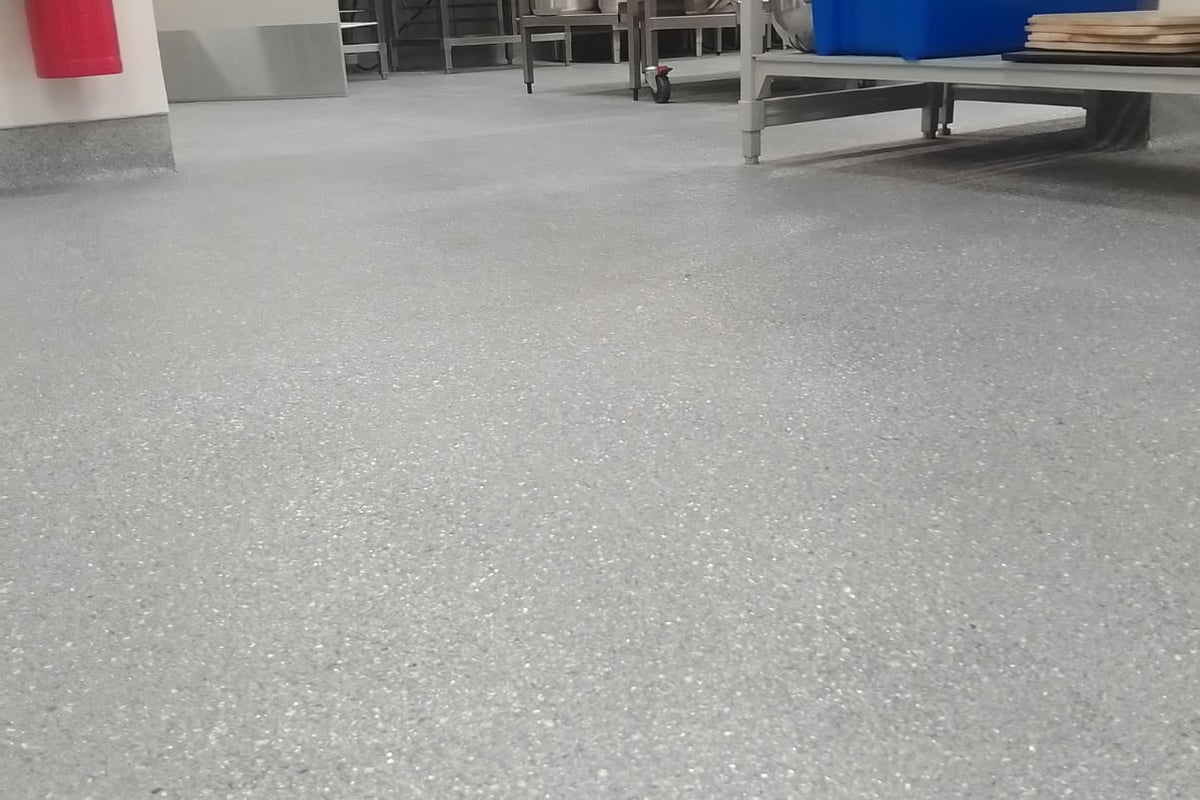
Epoxy flooring systems create a protective barrier that bonds directly to the concrete substrate, mixing resin and hardener together to form a hard, durable surface resistant to stains, chemicals, and impact. This professional application transforms workshop environments into more productive, safer, and easier-to-maintain spaces.
Special Applications in Workshop Environments
Different workshop types present unique flooring challenges requiring tailored epoxy solutions. Automotive workshops, fabrication facilities, and mechanical maintenance operations each benefit from specific epoxy formulations and application techniques.
Automotive workshops require exceptional resistance to petroleum products, brake fluids, and transmission oils. These facilities benefit from epoxy systems formulated specifically for hydrocarbon resistance whilst maintaining the abrasion resistance necessary for tyre traffic and equipment movement.
Fabrication shops working with metal cutting, welding, and grinding operations need epoxy floors that withstand extreme conditions. Spark resistance and thermal shock tolerance become critical performance factors in these environments.
Industry-Specific Requirements
Commercial kitchens and food processing workshops operate under strict hygiene regulations. Epoxy flooring in these applications must meet food safety standards whilst providing slip resistance in potentially wet conditions. Seamless installations prevent bacterial harbourage and facilitate thorough cleaning protocols.
Heavy equipment maintenance facilities demand maximum load-bearing capacity and impact resistance. These workshops regularly service large machinery, creating point loads and impact stresses that test flooring systems to their limits.
Temperature-controlled workshops require epoxy formulations that maintain flexibility and adhesion across thermal ranges. Cold storage facilities and climate-controlled manufacturing spaces benefit from specialised systems designed for these conditions.
Future-Proofing Workshop Operations
Strategic flooring decisions made today influence operational efficiency for decades. An epoxy flooring workshop investment represents long-term infrastructure that should accommodate future operational changes and growth.
Modular expansion capabilities allow businesses to extend epoxy flooring systems as workshop spaces grow. Matching existing installations during expansion requires documentation of original materials and colours, emphasising the value of working with established contractors who maintain project records.
Technology integration increasingly influences workshop design. Conductive epoxy systems support facilities with sensitive electronic equipment or static-control requirements. These specialised formulations provide electrostatic discharge protection whilst maintaining standard epoxy durability characteristics.
Adaptability and Renovation
Well-maintained epoxy floors accommodate operational changes through refinishing rather than complete replacement. Surface renewal protocols can restore appearance and performance characteristics without extensive downtime or substrate work.
The versatility of epoxy systems supports changing workshop layouts. New colour-coded zones, safety markings, or traffic patterns can be incorporated through additional markings or partial recoating without compromising the base system integrity.
Planning for future requirements during initial installation provides maximum long-term value. Discussing anticipated operational changes with experienced contractors during the specification phase ensures the selected system supports both current and projected needs.
Epoxy flooring workshop installations deliver measurable improvements in durability, safety, and operational efficiency for industrial and commercial facilities. The combination of chemical resistance, load-bearing capacity, and minimal maintenance requirements makes these systems the preferred choice for demanding workshop environments. Superior Concrete Finishes specialises in commercial and industrial epoxy flooring solutions throughout South East Queensland, bringing decades of expertise to warehouses, factories, workshops, and commercial facilities. Our QBCC-licensed team provides professional installation services designed for the unique demands of commercial operations. Contact us to discuss how our epoxy flooring systems can transform your workshop environment.

Joshua Miller has over 15 years of experience in the commercial concrete flooring industry, specialising in epoxy flooring systems and polished concrete solutions for warehouses, factories, retail spaces and commercial developments. Joshua and his team work closely with builders, property owners and facility managers across South East Queensland to deliver durable, cost-effective commercial flooring systems for warehouses, industrial facilities, commercial kitchens, retail stores and large commercial developments.
Major builders and organisations Josh has led projects on include McNab, Hutchinson Builders, IKEA, Queensland Rail, University of Queensland, ADCO, Tomkins Commercial, Bunnings, OfficeWorks, Spotlight, and Anaconda.
If you're planning a project and need advice on the best commercial concrete flooring solution, contact Josh or one of the team at Superior Concrete Finishes.
-
 info@superiorconcretefinishes.com.au
-
1300 789 740
-
Connect with Josh on
LinkedIn


 Connect with Josh on