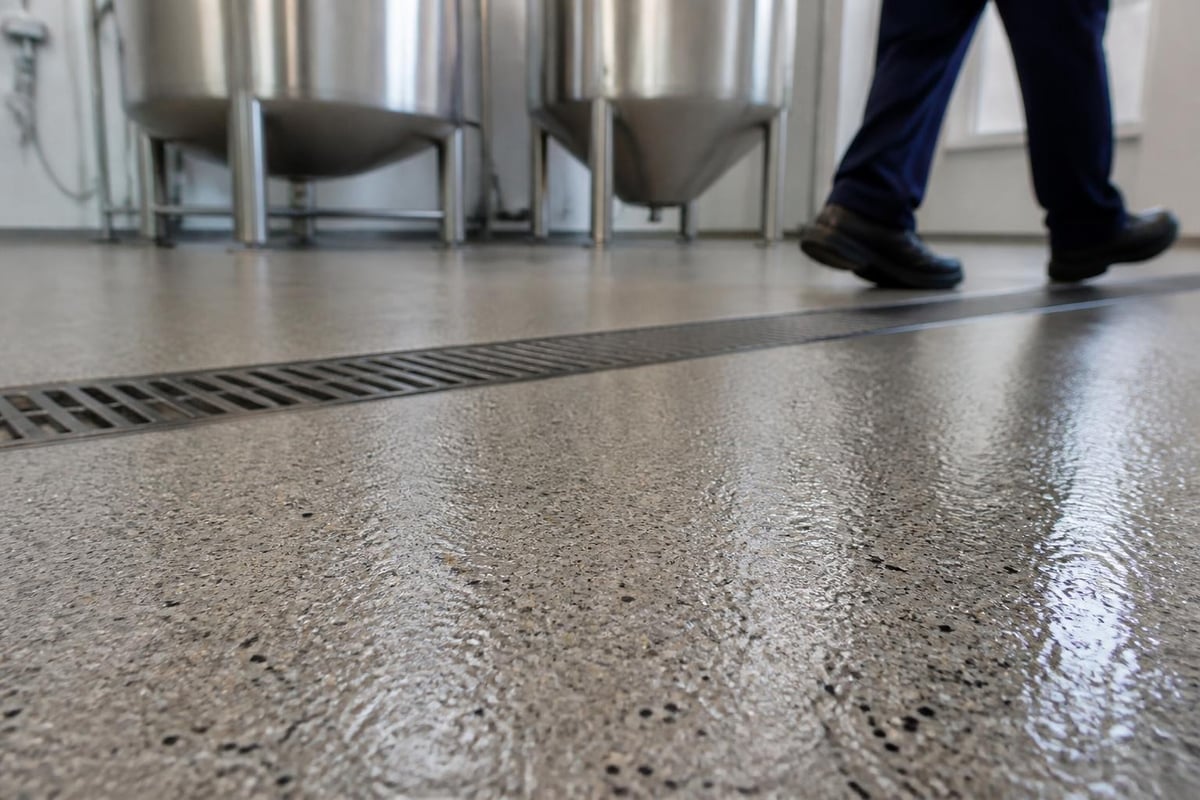
Workplace safety remains a critical priority for commercial and industrial facility managers across South East Queensland. When employees navigate warehouses, factories, commercial kitchens, and workshops daily, the flooring beneath their feet becomes a fundamental safety element. Epoxy non slip flooring has emerged as the premier solution for environments where slip hazards threaten productivity and worker wellbeing. This flooring system combines the renowned durability of epoxy resin with specially engineered surface textures that provide reliable traction in both dry and wet conditions. For decision-makers evaluating flooring options, understanding the technical specifications, application methods, and long-term performance characteristics of these systems proves essential to making informed investments.
Understanding Epoxy Non Slip Flooring Systems
Epoxy non slip flooring represents a specialized category within the broader epoxy flooring family. Unlike standard smooth epoxy finishes, these systems incorporate textured elements that dramatically improve surface friction. The fundamental composition remains consistent with traditional epoxy applications: a two-component system mixing epoxy resin with a hardening agent. However, the critical difference lies in the integration of slip-resistant materials during the application process.
Core Components and Materials
The slip-resistant properties emerge from several possible approaches. Broadcast aggregates represent the most common method, where materials such as quartz sand, aluminum oxide, or specialized non-slip granules are scattered across the wet epoxy surface. These aggregates become permanently embedded as the epoxy cures, creating a textured profile that enhances traction.
Alternative systems utilize pre-mixed textured formulations containing marble stones that provide natural slip resistance. Some manufacturers offer colored quartz granules that simultaneously deliver decorative appeal and functional grip. The selection between these options depends on the specific performance requirements, aesthetic preferences, and budget considerations of each project.
Key material characteristics include:
- Aggregate size: Ranges from fine sand (0.3mm) to coarse granules (2mm+)
- Hardness ratings: Aluminum oxide scores 9 on Mohs scale, providing exceptional durability
- Chemical composition: Inert materials that resist degradation from industrial chemicals
- Color stability: UV-resistant pigments that maintain appearance over time
Slip Resistance Measurement Standards
Quantifying slip resistance requires standardized testing methodologies. In Australian commercial facilities, the Pendulum Test (AS 4586) provides the recognized standard for measuring wet slip resistance. This test generates a British Pendulum Number (BPN) or Slip Resistance Value (SRV), with higher numbers indicating greater traction.
| Classification | SRV Range | Typical Applications |
|---|---|---|
| Low Slip Risk | 0-24 | Dry internal areas only |
| Moderate Slip Risk | 25-35 | General commercial spaces |
| Low-to-Moderate | 36-44 | Retail, offices, light industrial |
| High Slip Resistance | 45+ | Wet areas, ramps, kitchens, workshops |
For commercial kitchens, food processing facilities, and areas with regular moisture exposure, specifying systems that achieve SRV ratings above 45 becomes essential. The textured profile created by properly applied epoxy non slip flooring consistently delivers these higher performance levels.
Application Methods for Commercial Environments
Installing epoxy non slip flooring demands technical expertise and precise execution. The process varies slightly depending on the specific system selected, but fundamental principles remain consistent across applications. Professional contractors with extensive experience in commercial concrete flooring understand these nuances and adapt their approach to each facility's unique requirements.

Surface Preparation Requirements
Concrete substrate preparation determines the ultimate success of any epoxy installation. Non-slip systems place even greater demands on proper preparation, as the textured surface must bond permanently to the underlying concrete. The concrete surface requires mechanical preparation through diamond grinding, shot blasting, or scarifying to achieve an appropriate profile.
- Initial assessment: Evaluate concrete moisture levels, surface contamination, and structural integrity
- Mechanical preparation: Remove existing coatings, laitance, and surface contaminants
- Profile creation: Generate CSP 2-3 profile (Concrete Surface Profile) for optimal adhesion
- Crack repair: Fill and seal control joints and structural cracks as needed
- Cleaning: Remove all dust and debris through industrial vacuuming
The concrete must reach specific dryness standards before epoxy application proceeds. Moisture vapor emission rates exceeding manufacturer specifications will compromise adhesion and potentially cause delamination failures. Testing with calcium chloride kits or relative humidity probes confirms readiness for coating.
Broadcast and Texture Application Techniques
Once the substrate preparation meets specifications, the epoxy application sequence begins. For broadcast aggregate systems, timing becomes critical. The base coat of epoxy is applied at specified thickness, typically 2-4mm depending on the system design. While this base coat remains wet and tacky, the aggregate broadcast occurs.
Broadcast density options:
- Light broadcast: 50-60% coverage, subtle texture, moderate slip resistance
- Medium broadcast: 70-85% coverage, balanced texture and durability
- Full broadcast: 95-100% coverage, maximum texture, highest slip resistance
- Reject broadcast: Excess aggregate applied then scraped, removing unbonded material
Heavy-duty formulations incorporating specialized resins provide enhanced performance in industrial facilities experiencing heavy forklift traffic or aggressive chemical exposure. These systems often require thicker application profiles and may incorporate multiple broadcast layers for optimal performance.
After the broadcast aggregate bonds to the wet epoxy and the system cures, a seal coat of clear or pigmented epoxy encapsulates the aggregate. This seal coat protects the texture from wear while maintaining the slip-resistant properties. Some applications require multiple seal coats to achieve the desired level of protection and surface smoothness.
Industry-Specific Applications and Performance
Different commercial environments present unique challenges for flooring systems. Epoxy non slip flooring adapts to these varied demands through system customization and specification refinement. Understanding how these systems perform across different sectors helps facility managers make appropriate selections.
Commercial Kitchen and Food Processing Areas
Commercial kitchens generate constant moisture, grease, and food debris that create severe slip hazards. Epoxy non slip flooring in these environments must satisfy both safety requirements and stringent hygiene standards. Specialized resin systems designed for kitchen applications incorporate antimicrobial additives that inhibit bacterial growth in the flooring surface.
The seamless nature of epoxy installations eliminates grout lines and joints where bacteria colonize and moisture penetrates. Regular cleaning with commercial degreasers and sanitizers poses no threat to properly formulated epoxy systems. The chemical resistance inherent in quality epoxy formulations withstands repeated exposure to acids, alkalis, and cleaning agents common in food preparation environments.
Temperature considerations also influence kitchen flooring specifications. Thermal shock from hot water washing or steam cleaning requires epoxy systems with appropriate glass transition temperatures. Systems rated for elevated temperature exposure prevent softening or degradation during routine maintenance operations.

Warehouse and Industrial Workshop Applications
Warehouses and mechanical workshops subject flooring to mechanical abuse from heavy equipment, point loads, and dropped materials. Epoxy non slip flooring specifications for these environments prioritize impact resistance and compressive strength alongside traction properties. The aggregate selection influences both slip resistance and mechanical durability.
Aluminum oxide aggregates provide exceptional hardness, resisting wear from rubber-tired forklifts and metal-wheeled pallet jacks. These facilities often specify medium broadcast densities that balance slip resistance with ease of cleaning. Excessive texture in warehouse environments can trap dust and debris, creating maintenance challenges and potentially affecting indoor air quality.
Oil and hydraulic fluid resistance becomes paramount in workshop settings. Epoxy systems formulated with specialized hardeners maintain their integrity when exposed to petroleum products, coolants, and solvents. The textured surface actually enhances safety in these environments by providing traction even when light oil films are present.
Commercial Car Parks and Loading Docks
Car park flooring in covered facilities requires different performance characteristics than interior spaces. Vehicle traffic patterns, turning movements, and moisture from vehicles entering during wet weather all influence specification decisions. Epoxy non slip flooring in these applications must resist tire tracking while maintaining traction for pedestrian traffic.
Loading dock areas experience the harshest conditions, combining heavy vehicle loads, moisture infiltration, and potential chemical spills. Colored quartz systems in these zones provide both slip resistance and visual delineation of traffic patterns, safety zones, and loading areas. The vibrant colors aid in wayfinding and safety compliance while delivering functional performance.
Maintenance and Longevity Considerations
The long-term performance of epoxy non slip flooring depends significantly on appropriate maintenance protocols. While these systems resist many forms of degradation, implementing regular care schedules maximizes service life and preserves slip-resistant properties. Commercial facility managers should establish comprehensive maintenance programs from the moment of installation.
Routine Cleaning Procedures
Daily maintenance begins with dust mopping or sweeping to remove loose debris from the textured surface. The aggregate profile can trap particulate matter that smooth floors release more easily. Regular removal of this debris prevents it from abrading the epoxy matrix during foot traffic.
Weekly cleaning typically involves damp mopping with pH-neutral cleaning solutions. Harsh alkaline or acidic cleaners may slowly degrade the epoxy surface or dull the finish. Commercial floor scrubbers equipped with appropriate pad types efficiently clean textured epoxy surfaces while respecting the coating integrity.
Recommended cleaning equipment:
- Soft to medium bristle brushes for textured profiles
- Microfiber mops for daily maintenance
- Automatic scrubbers with red or white cleaning pads
- pH-neutral, non-filming cleaning concentrates
- Hot water extraction for deep periodic cleaning
Periodic deep cleaning addresses accumulated soiling in the texture valleys. High-pressure water extraction or steam cleaning removes embedded contamination that routine mopping cannot reach. These intensive cleaning sessions should occur quarterly or as needed based on traffic levels and soiling rates.
Preventing Premature Wear and Damage
Despite the exceptional durability of epoxy non slip flooring, certain practices accelerate deterioration. Heavy point loads concentrated on small areas can fracture the epoxy matrix or dislodge aggregate particles. Protective measures include requiring equipment feet pads on heavy machinery and using appropriate load distribution methods during material handling.
Chemical spill response protocols preserve flooring integrity. While epoxy systems resist most common industrial chemicals, prolonged exposure to concentrated acids or solvents can cause damage. Prompt cleanup of spills, particularly in factory flooring applications, prevents chemical attack and staining.
Periodic inspections identify emerging issues before they develop into costly repairs. Checking for delamination, aggregate loss, or surface cracking allows for targeted maintenance interventions. Minor damage can often be addressed through localized repairs, extending the overall system life without requiring complete replacement.
Cost Analysis and Return on Investment
Evaluating epoxy non slip flooring investments requires understanding both initial installation costs and long-term operational expenses. While these systems command higher upfront pricing than basic epoxy or concrete sealing, the total lifecycle costs often prove more favorable when all factors receive consideration.
Installation Investment Breakdown
Material costs for epoxy non slip flooring vary based on system specifications, aggregate types, and performance requirements. Basic quartz broadcast systems typically range from moderate to high pricing per square metre, while specialized high-performance systems incorporating advanced aggregates or multiple layers increase costs accordingly.
Labor represents a significant portion of total installation expenses. The additional steps required for aggregate broadcast, seal coat application, and extended cure times increase labor hours compared to smooth epoxy installations. However, experienced contractors execute these systems efficiently, minimizing extended downtime and project duration.
| System Type | Material Cost Range | Labor Complexity | Typical Cure Time |
|---|---|---|---|
| Light Broadcast Quartz | Moderate | Medium | 24-48 hours |
| Full Broadcast Aluminum Oxide | Higher | High | 48-72 hours |
| Specialized Kitchen Systems | Higher | High | 72-96 hours |
| Industrial Heavy-Duty | Highest | Very High | 96+ hours |
Surface preparation costs fluctuate based on existing conditions. Deteriorated concrete requiring extensive repair or removal of multiple previous coating layers increases preparation expenses substantially. Conversely, new construction applications on properly finished concrete slabs minimize these preliminary costs.
Operational Cost Benefits
The return on investment for epoxy non slip flooring emerges primarily through reduced workplace injury claims and associated costs. Slip and fall incidents generate direct expenses through workers' compensation claims, medical treatment, and potential legal liabilities. Indirect costs include lost productivity, replacement worker training, and potential regulatory penalties.
Australian commercial facilities implementing appropriate slip-resistant flooring demonstrate measurable reductions in incident rates. These safety improvements translate directly to lower insurance premiums, reduced workers' compensation costs, and improved workplace morale. The quantifiable risk reduction often justifies the flooring investment within 3-5 years.

Maintenance efficiency provides additional operational savings. The seamless, chemical-resistant nature of epoxy systems reduces cleaning time and chemical consumption compared to tile, vinyl, or bare concrete alternatives. Facilities report 20-40% reductions in floor maintenance labor after transitioning to quality epoxy floor systems.
Extended service life further enhances lifecycle economics. Properly installed and maintained epoxy non slip flooring delivers 10-15 years of service in moderate traffic environments and 7-10 years in heavy industrial applications. This longevity exceeds many alternative flooring systems, reducing replacement frequency and the associated disruption costs.
Specification and Selection Criteria
Specifying appropriate epoxy non slip flooring requires systematic evaluation of facility requirements, operational conditions, and performance expectations. A structured approach to this selection process ensures optimal outcomes and prevents costly specification errors. Commercial facility managers should collaborate with experienced flooring contractors during this critical planning phase.
Environmental and Operational Assessment
Begin by documenting the specific conditions the flooring will encounter. Moisture exposure levels, chemical contact types and concentrations, traffic patterns, and mechanical loads all influence system selection. Create a comprehensive matrix of these factors for each distinct area within the facility.
Critical assessment factors:
- Traffic classification: Light, moderate, heavy, or severe
- Moisture exposure: Dry, intermittent wet, constantly wet, or submerged
- Chemical exposure: None, occasional, frequent, or continuous
- Temperature ranges: Ambient, elevated, freezing, or thermal cycling
- Hygiene requirements: Standard, food-grade, or pharmaceutical-grade
Regulatory compliance requirements also shape specification decisions. Food processing facilities must meet specific standards for floor surfaces, including smoothness, cleanability, and antimicrobial properties. Industrial facilities may face workplace safety regulations mandating minimum slip resistance values in designated areas.
Performance Specification Development
Translate the environmental assessment into specific performance criteria. Rather than specifying particular products, performance-based specifications allow contractors to propose optimal solutions while ensuring minimum standards. This approach encourages innovation while maintaining quality control.
Key performance parameters include slip resistance values (minimum SRV ratings), chemical resistance classifications, compressive strength requirements, and adhesion strength standards. Specify testing protocols to verify compliance, such as pull-off adhesion tests and pendulum slip testing after installation.
Aesthetic considerations deserve attention even in industrial environments. While functionality drives most decisions, color selections can enhance safety through visual demarcation, improve lighting efficiency through reflectivity, and contribute to positive workplace environments. Light colors show contamination more readily, encouraging cleanliness, while darker tones may hide soiling but create moodier atmospheres.
Advanced System Features and Technologies
The epoxy non slip flooring sector continues evolving with technological advancements that enhance performance, sustainability, and application efficiency. Understanding these emerging capabilities helps facility managers specify future-ready flooring systems that deliver extended value.
Enhanced Aggregate Technologies
Traditional broadcast aggregates perform admirably, but specialized materials offer advantages in specific applications. Crushed recycled glass provides slip resistance with unique aesthetic appeal, incorporating sustainability elements into flooring specifications. These glass aggregates achieve comparable performance to virgin materials while reducing environmental impact.
Ceramic beads engineered for specific size distributions optimize both slip resistance and cleanability. The spherical shape resists embedding of contaminants while maintaining effective traction. Recent innovations in epoxy formulations incorporate nanomaterials that enhance mechanical properties and chemical resistance beyond conventional systems.
Quick-cure technologies address the operational challenge of extended downtime during installations. Fast-return-to-service systems utilize modified hardener chemistry that accelerates cure profiles, allowing foot traffic within hours and full service loads within 24 hours. These systems prove invaluable for facilities that cannot accommodate extended shutdowns.
Integrated Safety and Functional Elements
Modern epoxy non slip flooring installations increasingly incorporate integrated safety features beyond basic traction. Photoluminescent aggregates absorb ambient light and glow during power failures, providing egress illumination without electrical infrastructure. These systems enhance emergency safety compliance while delivering everyday slip resistance.
Conductive or static-dissipative epoxy formulations address electrostatic discharge concerns in electronics manufacturing or flammable material handling environments. These specialized systems maintain slip-resistant properties while providing controlled electrical grounding pathways. The integration eliminates the need for separate ESD flooring products.
Antimicrobial technologies embedded within the epoxy matrix actively inhibit bacterial and fungal growth on the flooring surface. Silver-ion additives or other bioactive agents provide continuous protection, particularly valuable in healthcare, food service, and pharmaceutical applications where hygiene represents a paramount concern.
Professional Installation Standards and Quality Assurance
The performance of epoxy non slip flooring depends as much on installation quality as material specifications. Professional contractors bring critical expertise, specialized equipment, and quality assurance protocols that ensure optimal outcomes. Understanding the markers of professional installation helps facility managers select qualified contractors and verify work quality.
Contractor Qualifications and Experience
Seek contractors with demonstrated experience in commercial and industrial epoxy applications specifically. Decades of industry experience and relevant insurance coverage, including public liability and professional indemnity, protect clients from installation failures and workplace incidents. Queensland Building and Construction Commission (QBCC) licensing confirms regulatory compliance and professional standards.
Review contractor portfolios emphasizing projects similar to your facility type and scale. A contractor excelling in retail applications may lack the expertise for heavy industrial installations requiring specialized aggregate systems. Request references from recent commercial clients and investigate their satisfaction with both installation quality and ongoing performance.
Quality Control and Testing Protocols
Professional installations incorporate systematic quality control throughout the process. Pre-installation moisture testing verifies concrete readiness using reliable testing methods. During application, contractors monitor environmental conditions including temperature and humidity, ensuring they remain within manufacturer specifications for proper cure.
Post-installation testing validates performance claims. Slip resistance testing with properly calibrated pendulum devices confirms the installed system meets specified SRV values. Pull-off adhesion testing at representative locations verifies bond strength exceeds minimum thresholds, typically 1.5 MPa or greater for quality installations.
Documentation provides valuable records for facility management and future maintenance planning. Comprehensive installation reports should detail surface preparation methods, products used with batch numbers, application rates, cure conditions, and test results. This documentation proves essential for warranty claims and long-term performance tracking.
Selecting the right epoxy non slip flooring system protects your workforce, reduces liability exposure, and delivers lasting value through decades of reliable service. For commercial and industrial facilities across South East Queensland requiring expert flooring solutions, Superior Concrete Finishes brings extensive experience in warehouses, factories, commercial kitchens, and industrial workshops. Our fully insured team holds current QBCC licensing and specializes exclusively in commercial concrete flooring applications, ensuring your project receives the focused expertise it demands.

Joshua Miller has over 15 years of experience in the commercial concrete flooring industry, specialising in epoxy flooring systems and polished concrete solutions for warehouses, factories, retail spaces and commercial developments. Joshua and his team work closely with builders, property owners and facility managers across South East Queensland to deliver durable, cost-effective commercial flooring systems for warehouses, industrial facilities, commercial kitchens, retail stores and large commercial developments.
Major builders and organisations Josh has led projects on include McNab, Hutchinson Builders, IKEA, Queensland Rail, University of Queensland, ADCO, Tomkins Commercial, Bunnings, OfficeWorks, Spotlight, and Anaconda.
If you're planning a project and need advice on the best commercial concrete flooring solution, contact Josh or one of the team at Superior Concrete Finishes.
-
 info@superiorconcretefinishes.com.au
-
1300 789 740
-
Connect with Josh on
LinkedIn


 Connect with Josh on