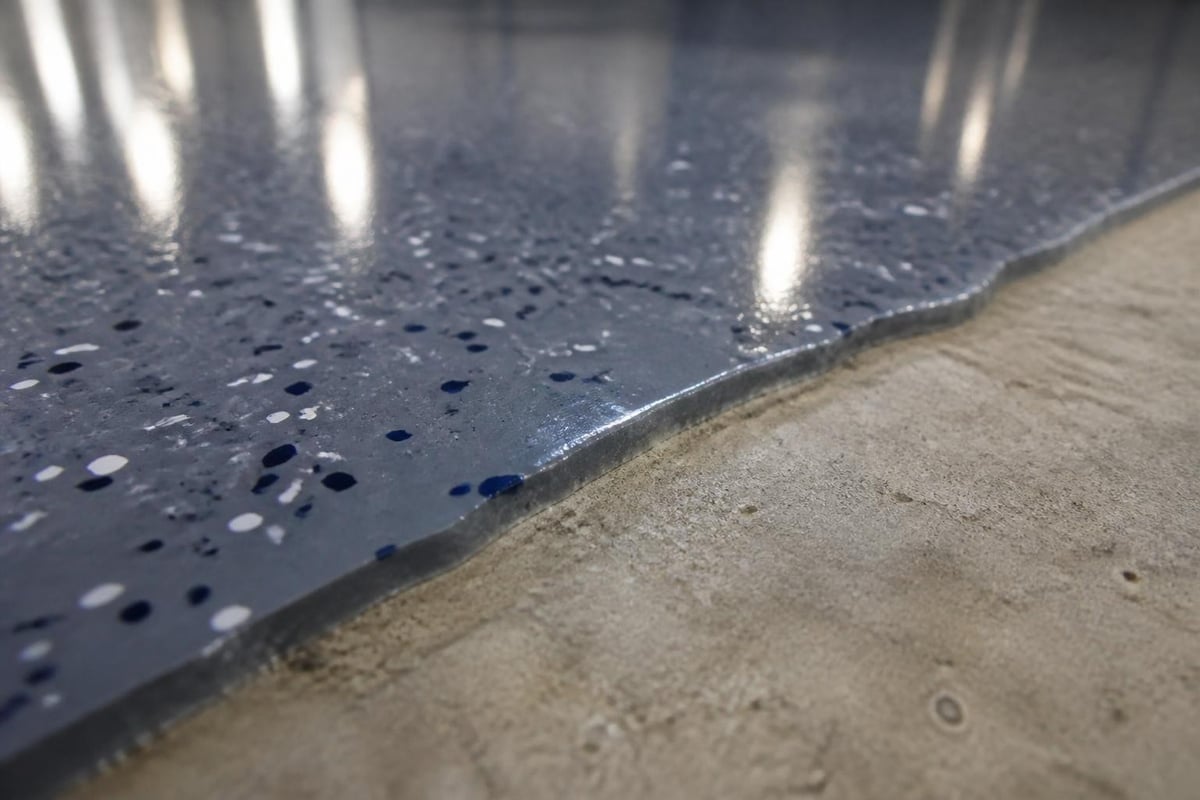
Commercial and industrial facilities face demanding floor requirements that single-coating systems often struggle to meet. Epoxy polyurethane flooring has emerged as a sophisticated solution that combines the adhesive strength and durability of epoxy with the flexibility and chemical resistance of polyurethane. This hybrid approach delivers a flooring system engineered to withstand the harsh conditions found in warehouses, manufacturing facilities, and commercial kitchens throughout South East Queensland and beyond. Understanding how these two coating technologies work together helps facility managers make informed decisions about their flooring investments.
Understanding Epoxy Polyurethane Flooring Systems
Epoxy polyurethane flooring represents a two-component system where each material contributes distinct performance characteristics. The epoxy layer typically serves as the base coat, providing exceptional adhesion to the concrete substrate and creating a rigid, impact-resistant foundation. Polyurethane is then applied as a topcoat, delivering superior flexibility, UV stability, and resistance to chemical exposure.
This combination addresses a fundamental challenge in industrial flooring applications. While epoxy offers outstanding strength and bonding properties, it can yellow under UV exposure and may become brittle in certain conditions. Polyurethane compensates for these limitations whilst benefiting from the robust foundation that epoxy provides.
Chemistry and Composition
The chemical makeup of epoxy polyurethane flooring systems explains their complementary performance. Epoxy resins form through a reaction between epoxide groups and hardening agents, creating cross-linked polymer chains that bond tenaciously to concrete. This thermosetting reaction produces a rigid, three-dimensional molecular structure.
Key epoxy characteristics include:
- High compressive strength (up to 10,000 psi)
- Excellent adhesion to concrete substrates
- Superior resistance to alkaline chemicals
- Minimal shrinkage during curing
- Cost-effective base layer application
Polyurethane coatings cure through a different mechanism, reacting urethane groups with polyols to create flexible polymer chains. According to research on resinous flooring specifications, these materials demonstrate exceptional elongation properties and impact resistance.
Polyurethane advantages:
- UV stability preventing yellowing
- Enhanced flexibility (up to 400% elongation)
- Superior abrasion resistance
- Excellent resistance to acids and solvents
- Temperature tolerance ranging from -40°C to 120°C
Performance Characteristics and Benefits
The synergy between epoxy and polyurethane creates a flooring system that outperforms either material used independently. This combination proves particularly valuable in environments where floors endure multiple stress factors simultaneously.
| Performance Factor | Epoxy Base | Polyurethane Top | Combined System |
|---|---|---|---|
| Chemical Resistance | Excellent (alkaline) | Excellent (acidic) | Superior (broad spectrum) |
| Impact Resistance | Very Good | Excellent | Outstanding |
| UV Stability | Poor | Excellent | Excellent |
| Flexibility | Limited | High | Optimized |
| Cost Efficiency | High | Moderate | Balanced |
Durability in Demanding Environments
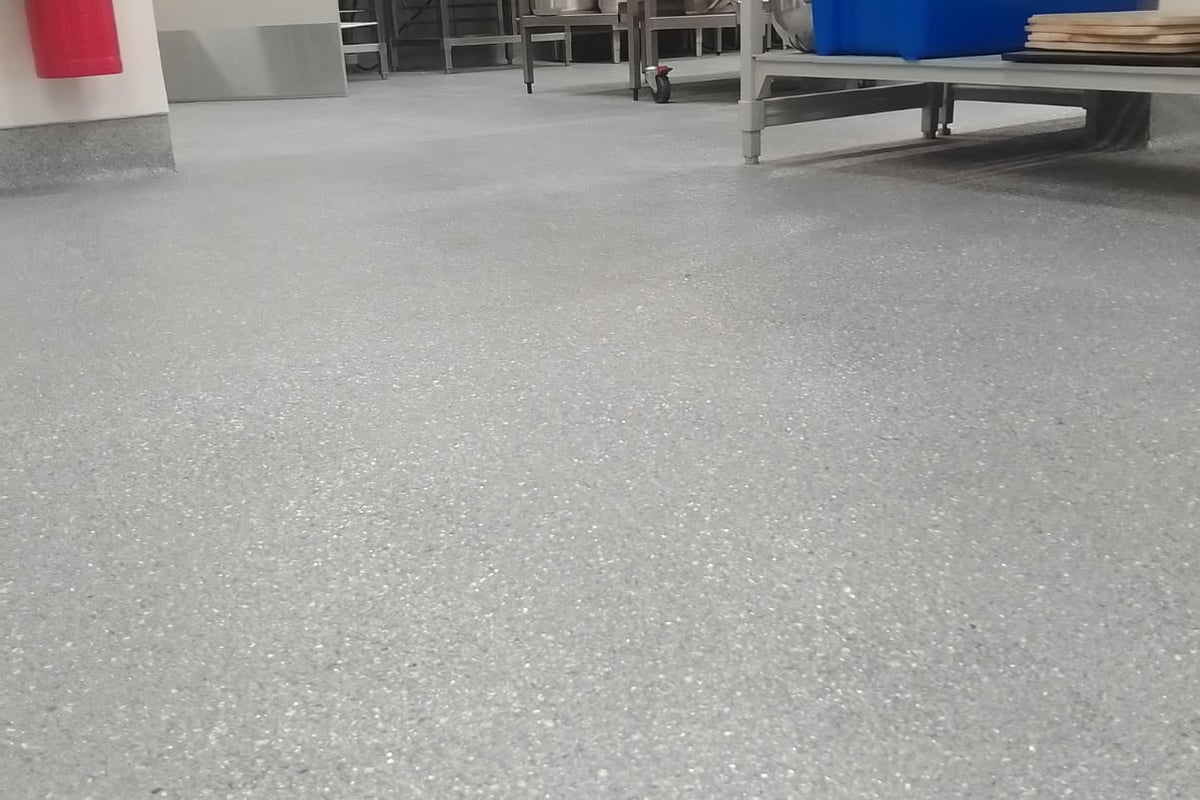
Commercial kitchens and food processing facilities benefit enormously from epoxy polyurethane flooring. The food process flooring requirements in these environments demand resistance to hot water, acidic cleaning agents, thermal shock, and constant impact from dropped equipment.
The epoxy foundation withstands the structural demands whilst the polyurethane topcoat resists degradation from harsh cleaning chemicals and temperature fluctuations. This dual protection extends floor life significantly compared to single-component systems.

Manufacturing facilities and warehouses present different challenges. Heavy machinery, forklift traffic, and potential chemical spills require floors that won't crack, chip, or degrade under sustained stress. Research published in industrial coating journals demonstrates that hybrid systems maintain structural integrity longer than single-component alternatives.
Application Methods and Installation Process
Installing epoxy polyurethane flooring requires meticulous surface preparation and precise application techniques. The process typically unfolds across multiple days to allow proper curing between layers.
Surface preparation steps:
- Mechanical grinding or shot blasting to create surface profile
- Repair of cracks, joints, and damaged areas
- Removal of all contaminants, oils, and existing coatings
- Moisture testing to ensure substrate suitability
- Final vacuum cleaning before primer application
The concrete substrate must achieve specific cleanliness and dryness standards. Most manufacturers specify surface moisture content below 4% and pH levels between 8 and 10 for optimal adhesion.
Layer Application Sequence
The primer coat establishes the critical bond between concrete and the flooring system. This penetrating layer fills surface pores and creates a uniform base for subsequent applications. Application rates typically range from 0.15 to 0.25 kg per square metre, depending on concrete porosity.
Following primer cure (usually 12-24 hours), the epoxy base coat is applied. This layer provides the structural foundation and determines the overall system thickness. Commercial flooring applications often specify 2-3mm thickness for the epoxy layer, though this varies based on expected traffic and load requirements.
The polyurethane topcoat application requires careful environmental control. Temperature and humidity significantly affect curing, with ideal conditions between 15°C and 25°C and relative humidity below 80%. Professional installers monitor these factors closely to ensure proper film formation.
Curing timeline:
- Primer: 12-24 hours before epoxy application
- Epoxy base: 24-48 hours before polyurethane application
- Polyurethane topcoat: 24 hours for light traffic, 72 hours for full cure
- Complete system cure: 7 days for chemical resistance testing
Superior Concrete Finishes brings decades of expertise to every installation, ensuring proper surface preparation, material selection, and application techniques that maximize system performance. Our epoxy flooring services incorporate these proven methodologies across all commercial and industrial projects.
Maintenance Requirements and Longevity
Properly maintained epoxy polyurethane flooring systems deliver 15-25 years of service life in commercial environments. This longevity depends on establishing appropriate maintenance protocols from day one.
Daily cleaning involves sweeping or dust mopping to remove abrasive particles that accelerate surface wear. Weekly washing with pH-neutral cleaners maintains appearance without degrading the polyurethane topcoat. Avoid acidic or highly alkaline cleaners unless specifically formulated for polyurethane surfaces.
| Maintenance Task | Frequency | Purpose |
|---|---|---|
| Dry sweeping/mopping | Daily | Remove abrasive debris |
| Wet mopping (neutral cleaner) | Weekly | Maintain appearance, remove residue |
| Deep scrubbing | Monthly | Address stubborn staining |
| Topcoat inspection | Quarterly | Identify wear patterns |
| Recoat high-traffic areas | 3-5 years | Restore surface protection |
Addressing Wear Patterns
High-traffic pathways and operational zones experience accelerated wear regardless of flooring type. The advantage of epoxy polyurethane flooring lies in its reparability. When the polyurethane topcoat shows wear, facilities can recoat these specific areas without replacing the entire floor system.
This targeted maintenance approach proves far more economical than complete floor replacement. The existing epoxy base remains structurally sound, requiring only surface preparation and new polyurethane application. Professional assessment helps determine when localized recoating becomes necessary, typically when gloss reduction exceeds 50% or when the epoxy base becomes visible.
Cost Considerations and Return on Investment
Initial investment in epoxy polyurethane flooring exceeds basic coating systems, but lifecycle cost analysis reveals significant value. Material costs typically range from $80 to $150 per square metre for commercial-grade systems, with installation labour adding $40 to $80 per square metre depending on project complexity.
Comparing these figures against replacement frequency tells the complete financial story. According to industry comparisons of flooring systems, basic epoxy coatings may require replacement every 5-7 years in demanding environments, whilst hybrid systems routinely exceed 15 years with proper maintenance.
Total cost of ownership calculation:
| System Type | Initial Cost | Lifespan | Maintenance/Year | 15-Year Total |
|---|---|---|---|---|
| Basic epoxy | $100/m² | 5 years | $5/m² | $425/m² |
| Hybrid epoxy-polyurethane | $180/m² | 15 years | $8/m² | $300/m² |
| Premium polyurethane | $220/m² | 20 years | $6/m² | $310/m² |
These calculations demonstrate that mid-tier hybrid systems often deliver the most economical solution for warehouse flooring and similar commercial applications. The reduced replacement frequency minimizes operational disruption, a critical factor when calculating true costs.

Industry Applications and Specifications
Different industries prioritize different performance characteristics, making material selection crucial for optimal outcomes. Understanding these application-specific requirements helps facility managers specify appropriate system configurations.
Manufacturing and Industrial Facilities
Factory environments demand resistance to mechanical stress, chemical exposure, and thermal cycling. Factory flooring specifications often call for 3-4mm total system thickness with enhanced impact resistance. The epoxy base provides load-bearing capacity whilst the polyurethane topcoat withstands chemical spills common in manufacturing operations.
Temperature fluctuations present particular challenges. Facilities with autoclaves, ovens, or refrigeration zones benefit from polyurethane's thermal expansion compatibility. Research from the National Institute of Standards and Technology confirms superior performance in thermal cycling tests compared to epoxy-only systems.
Commercial Kitchen and Food Processing
Food-grade facilities require flooring that meets stringent hygiene standards whilst withstanding aggressive cleaning protocols. The seamless nature of epoxy polyurethane flooring eliminates grout lines and joints where bacteria can harbor.
Critical specifications for food environments:
- Non-porous surface preventing bacterial growth
- Resistance to 90°C+ hot water washdowns
- Chemical resistance to quaternary ammonium sanitizers
- Slip resistance meeting AS 4586 standards
- Impermeability to organic acids and fats
The mechanical workshop flooring sector presents similar challenges with added emphasis on oil resistance and impact durability. Dropped tools, rolling equipment, and petroleum-based fluids require robust protection that epoxy polyurethane systems readily provide.
Comparing Alternative Flooring Solutions
Facility managers evaluating flooring options should understand how epoxy polyurethane systems compare against alternatives. Each technology offers distinct advantages depending on operational requirements and budget constraints.
Polished concrete delivers exceptional durability and low maintenance in retail environments and offices. However, chemical resistance remains limited compared to resinous systems. Polished concrete excels where aesthetic appeal and foot traffic resistance matter most, but lacks the chemical protection required in industrial settings.
Comprehensive analysis from flooring system guides reveals performance trade-offs across different technologies. Pure polyurethane systems offer maximum flexibility and chemical resistance but at higher material costs. Pure epoxy systems provide economical base protection but require earlier replacement in chemically aggressive environments.
| Flooring Type | Best Applications | Limitations | Cost Relative |
|---|---|---|---|
| Polished concrete | Retail, offices, showrooms | Limited chemical resistance | Low |
| Epoxy only | Warehouses, light industry | UV sensitivity, rigidity | Moderate |
| Polyurethane only | Pharmaceutical, labs | Higher material cost | High |
| Epoxy-polyurethane | Food, manufacturing, multi-use | Requires skilled installation | Moderate-High |
Environmental and Safety Considerations
Modern epoxy polyurethane flooring systems incorporate environmental responsibility without compromising performance. Low-VOC formulations reduce atmospheric emissions during installation, addressing indoor air quality concerns in occupied facilities.
Safety performance encompasses multiple factors beyond chemical composition. Slip resistance can be engineered through aggregate additions to the polyurethane topcoat, achieving classifications from P4 to P5 under Australian standards. This customisation allows specification of appropriate traction for different environments.
Safety and environmental features:
- Low-VOC formulations (typically <50 g/L)
- Solvent-free application options
- Antimicrobial additives for healthcare applications
- Customisable slip resistance ratings
- Recyclable at end-of-life through mechanical removal
Reflectivity contributes to workplace safety by enhancing visibility and reducing lighting requirements. Light-coloured polyurethane topcoats can achieve light reflectance values exceeding 80%, significantly improving illumination in warehouses and manufacturing spaces.
The epoxy resin concrete floors installed across South East Queensland demonstrate how properly specified systems contribute to safer, more sustainable commercial operations. Energy savings from improved light reflection often offset a portion of installation costs within the first few years.
Quality Assurance and Testing Standards
Professional installations incorporate quality control measures throughout the application process. Testing protocols verify that completed floors meet specified performance criteria before facilities return to full operation.
Pull-off adhesion testing confirms bond strength between layers and to the concrete substrate. Industry standards typically require minimum adhesion of 1.5 MPa, with failure occurring in the concrete rather than at coating interfaces. This verification ensures the system will withstand operational stresses without delamination.
Chemical resistance testing exposes sample areas to expected contaminants for specified durations. Laboratories evaluate changes in appearance, hardness, and weight to confirm the system's suitability for anticipated exposures. Guidelines from construction flooring authorities establish testing parameters for various industrial environments.
Standard performance tests:
- Pull-off adhesion (AS/NZS 1580.408.5)
- Chemical resistance immersion testing
- Abrasion resistance (Taber test)
- Impact resistance
- Shore D hardness measurement
Visual inspection identifies application defects including bubbles, crawling, or inadequate coverage. Professional installers address these issues before final curing, ensuring uniform protection across the entire floor area.
Epoxy polyurethane flooring systems deliver the balanced performance characteristics that commercial and industrial facilities demand, combining structural strength with chemical resistance and longevity. When your South East Queensland facility requires professional concrete flooring solutions engineered for demanding applications, Superior Concrete Finishes brings the expertise, QBCC licensing, and proven track record to deliver results that protect your investment for decades. Our team specialises in epoxy and polished concrete solutions for warehouses, factories, commercial kitchens, and industrial facilities throughout the region.

Joshua Miller has over 15 years of experience in the commercial concrete flooring industry, specialising in epoxy flooring systems and polished concrete solutions for warehouses, factories, retail spaces and commercial developments. Joshua and his team work closely with builders, property owners and facility managers across South East Queensland to deliver durable, cost-effective commercial flooring systems for warehouses, industrial facilities, commercial kitchens, retail stores and large commercial developments.
Major builders and organisations Josh has led projects on include McNab, Hutchinson Builders, IKEA, Queensland Rail, University of Queensland, ADCO, Tomkins Commercial, Bunnings, OfficeWorks, Spotlight, and Anaconda.
If you're planning a project and need advice on the best commercial concrete flooring solution, contact Josh or one of the team at Superior Concrete Finishes.
-
 info@superiorconcretefinishes.com.au
-
1300 789 740
-
Connect with Josh on
LinkedIn


 Connect with Josh on