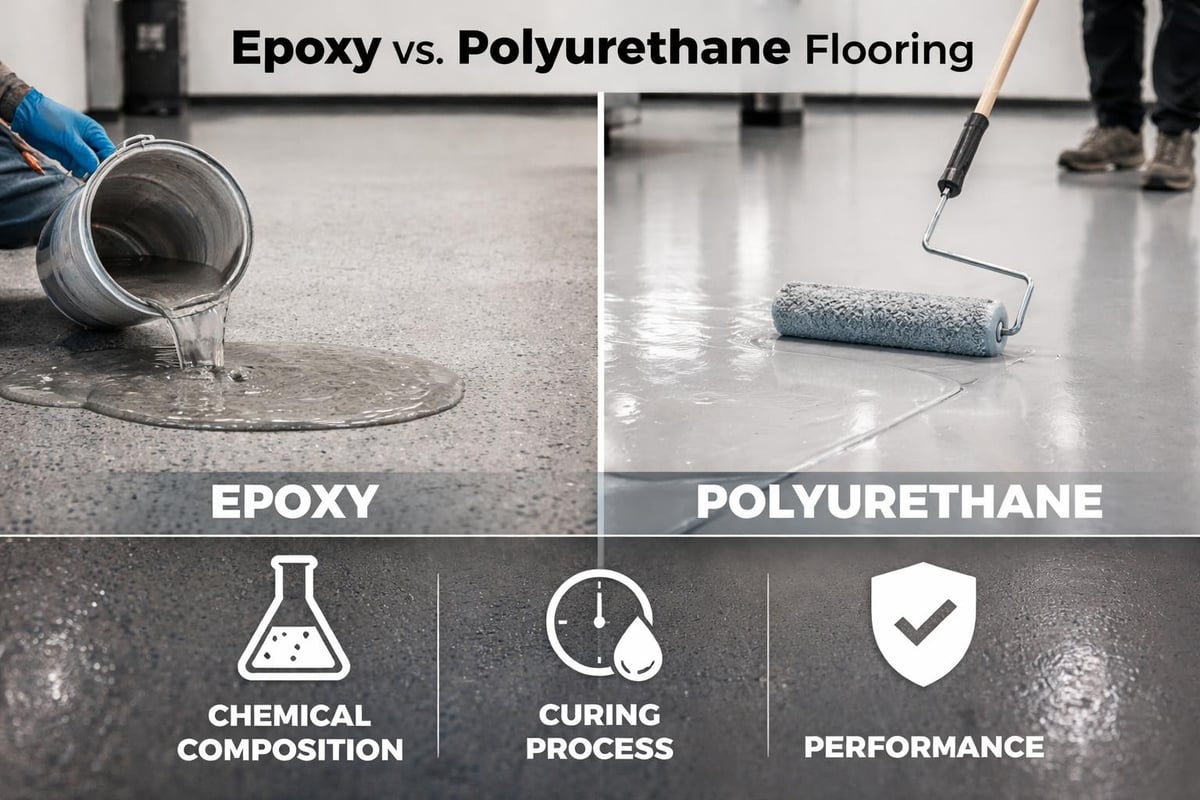
When selecting commercial flooring solutions for demanding industrial environments, understanding the distinctions between epoxy and polyurethane (PU) systems becomes critical for project success. Both epoxy pu flooring options deliver exceptional performance, yet each serves distinct purposes based on operational requirements, environmental conditions, and long-term maintenance expectations. The choice between these systems affects not only initial installation costs but also lifecycle performance across warehouses, factories, commercial kitchens, and other high-traffic commercial spaces.
Understanding Epoxy PU Chemistry and Composition
The term "epoxy pu" typically refers to the two dominant resin-based flooring systems used in commercial and industrial settings. Epoxy systems consist of thermosetting resins formed through a chemical reaction between epoxy resin and a polyamine hardener. This reaction creates a rigid, cross-linked polymer structure with exceptional adhesion properties and compressive strength.
Polyurethane systems, conversely, utilise urethane chemistry that produces a more flexible final product. The molecular structure of polyurethane allows for greater elongation and impact resistance compared to traditional epoxy formulations. This fundamental chemical difference drives performance variations across different application scenarios.
Chemical Resistance Profiles
Each system offers distinct resistance characteristics:
- Epoxy systems excel in alkaline environments and provide superior resistance to water, solvents, and most acids
- Polyurethane coatings demonstrate better performance against thermal shock and UV degradation
- Combined systems can leverage the strengths of both chemistries for optimal protection
The resinous flooring market has grown substantially, driven by demand for durable, chemical-resistant surfaces in commercial applications. Industry data shows increasing adoption across manufacturing, logistics, and food processing sectors.
Performance Characteristics in Commercial Applications
Understanding how epoxy pu systems perform under real-world conditions helps facility managers make informed decisions. Temperature tolerance represents one critical differentiator between these systems.
| Performance Factor | Epoxy Systems | Polyurethane Systems |
|---|---|---|
| Compressive Strength | Excellent (>8,000 psi) | Good (6,000-7,000 psi) |
| Flexibility | Low | High |
| UV Resistance | Moderate (yellows over time) | Excellent |
| Thermal Shock Resistance | Moderate | Excellent |
| Chemical Resistance | Excellent (broad spectrum) | Very Good (selective) |
| Abrasion Resistance | Excellent | Excellent |
Epoxy systems typically withstand temperatures up to 80-90°C before softening, while polyurethane formulations maintain integrity in environments experiencing rapid temperature fluctuations. This makes polyurethane particularly suitable for commercial kitchens and food processing facilities where thermal cycling occurs regularly.
Impact and Abrasion Resistance
Both epoxy pu options deliver outstanding abrasion resistance, crucial for warehouses and manufacturing facilities with heavy forklift traffic. However, polyurethane's higher tensile strength and elongation properties provide superior impact resistance.
Polyurethane systems can elongate up to 400% before failure, compared to epoxy's typical 5% elongation. This flexibility prevents cracking under point loads and impact events common in industrial workshops and loading bays.

Application Methods and Installation Considerations
The installation process for epoxy pu systems requires careful surface preparation and environmental control. Concrete substrates must be properly prepared through mechanical grinding or shot blasting to achieve the necessary surface profile for optimal adhesion.
Moisture testing remains critical before applying either system. Relative humidity within the concrete slab should not exceed manufacturer specifications, typically 75% for epoxy and 85% for certain polyurethane systems. The construction flooring chemicals market continues to evolve with new formulations addressing moisture sensitivity issues.
Surface Preparation Requirements
- Diamond grinding to remove contaminants and create mechanical key
- Crack repair using flexible or rigid fillers depending on slab condition
- Moisture testing with calcium chloride or relative humidity probes
- Primer application to seal substrate and enhance adhesion
- Body coat installation at specified thickness (typically 2-6mm)
- Seal coat application for enhanced protection and aesthetics
Temperature during application significantly impacts curing characteristics. Epoxy systems generally require ambient temperatures between 10-30°C, while polyurethane systems often tolerate a broader temperature range. Humidity levels also affect cure rates and final properties.
Durability and Lifecycle Considerations
When evaluating epoxy pu flooring systems for commercial installations, lifecycle costs often outweigh initial purchase price. A properly installed epoxy floor in a warehouse environment can deliver 15-20 years of service before requiring replacement, whilst polyurethane systems may last 10-15 years depending on use intensity.
Maintenance requirements differ between systems. Epoxy surfaces require regular cleaning with pH-neutral detergents to maintain appearance and prevent chemical buildup. Polyurethane floors similarly benefit from routine maintenance but typically show less visible wear in high-traffic areas due to their superior scratch resistance.
The decision between epoxy and polyurethane often comes down to specific environmental stressors rather than cost alone. For facilities experiencing extreme temperature variations, polyurethane's flexibility provides clear advantages. Where chemical resistance across a broad spectrum matters most, epoxy systems deliver superior performance.
For commercial clients seeking proven performance in demanding environments, epoxy flooring Brisbane installations have demonstrated exceptional longevity across warehouses, factories, and industrial workshops throughout South East Queensland.

Cost-Benefit Analysis
- Material costs: Polyurethane systems typically cost 15-30% more than comparable epoxy products
- Installation labour: Similar labour requirements for both systems when properly specified
- Lifecycle costs: Lower maintenance requirements can offset higher initial investment
- Downtime: Fast-cure formulations of both chemistries minimise operational disruption
Aesthetic Options and Design Flexibility
Modern epoxy pu systems offer extensive aesthetic possibilities beyond basic industrial grey. Colour options range from safety-oriented high-visibility yellows and whites to sophisticated metallic and decorative finishes suitable for retail environments.
Epoxy systems particularly excel in decorative applications. Broadcast flake systems, metallic effects, and even custom logos can be incorporated during installation. However, UV stability limitations mean these decorative epoxy floors may yellow or fade in areas with significant natural light exposure.
Polyurethane topcoats address this limitation. Many commercial installations now specify epoxy base systems with polyurethane seal coats, combining the adhesion and chemical resistance of epoxy with the UV stability and gloss retention of polyurethane. This hybrid approach represents best practice for retail flooring applications where aesthetics matter.
Colour Stability and Appearance Retention
Testing protocols measure colour change and gloss retention under accelerated UV exposure. Polyurethane systems consistently outperform epoxy in these tests, maintaining colour and gloss levels significantly better over extended periods. For facilities with skylights or large windows, this difference becomes operationally significant.
Global standards for epoxy flooring continue to evolve, addressing performance benchmarks for both aesthetic and functional properties. Understanding these standards helps ensure specification compliance across international projects.
Safety and Compliance Requirements
Commercial and industrial environments demand flooring systems that meet stringent safety standards. Both epoxy pu options can be formulated to deliver appropriate slip resistance, fire ratings, and chemical containment properties.
Slip resistance typically comes through texture incorporated during installation. Options include:
- Aluminum oxide broadcast for aggressive texture in wet areas
- Polymer grit incorporation for moderate slip resistance
- Smooth seal coats for cleanroom environments requiring easy sanitisation
Fire resistance classifications vary by formulation. Some polyurethane systems achieve superior fire ratings compared to standard epoxy products, making them preferred choices for certain industrial applications. Industrial floor coating market research indicates growing demand for systems meeting enhanced safety specifications.
VOC Emissions and Environmental Compliance
Low-VOC formulations have become standard in commercial applications. Both epoxy and polyurethane manufacturers now offer products meeting stringent emissions requirements without compromising performance. Water-based polyurethane systems provide the lowest VOC profiles but may sacrifice some performance characteristics compared to solvent-based alternatives.

Industry Applications and Sector-Specific Requirements
Different commercial sectors place unique demands on flooring systems. Understanding these requirements guides appropriate epoxy pu system selection.
| Industry Sector | Preferred System | Primary Requirements |
|---|---|---|
| Warehousing & Logistics | Epoxy | Abrasion resistance, forklift traffic durability |
| Food Processing | Polyurethane | Thermal shock resistance, hygiene, steam cleaning |
| Pharmaceutical | Epoxy or Hybrid | Chemical resistance, cleanability, static control |
| Automotive Workshops | Epoxy | Oil resistance, impact tolerance, stain resistance |
| Cold Storage | Polyurethane | Thermal cycling, flexibility, moisture resistance |
| Retail Showrooms | Hybrid Systems | Aesthetics, UV stability, easy maintenance |
Warehouse flooring projects often specify high-build epoxy systems due to excellent compressive strength and cost-effectiveness. These installations routinely handle point loads exceeding 5,000 kg from pallet jacks and forklifts without surface damage.
Manufacturing facilities require careful consideration of chemical exposures. Epoxy systems handle most common industrial chemicals effectively, but specific aggressive solvents or acids may require specialised polyurethane formulations or even alternative coating chemistries.
Advanced Formulations and Hybrid Systems
Recent developments in epoxy pu technology have produced hybrid systems combining beneficial properties of both chemistries. These advanced formulations address specific performance gaps in traditional single-chemistry systems.
Epoxy-polyurethane hybrids typically use epoxy for primer and base coat layers, leveraging superior adhesion and chemical resistance, then apply polyurethane top coats for enhanced UV stability and flexibility. This layered approach optimises performance across multiple parameters.
Polyaspartic polyurethane represents another innovation, offering extremely fast cure times whilst maintaining excellent durability. Some polyaspartic systems achieve full cure within hours, minimising downtime for time-sensitive commercial installations.
Moisture-Tolerant Systems
Traditional epoxy systems require very dry concrete substrates, limiting installation timing and potentially delaying projects. Newer moisture-tolerant epoxy and polyurethane formulations can be applied to concrete with higher moisture content, expanding installation windows and reducing project risk.
These systems incorporate moisture-mitigation properties that prevent osmotic blistering and delamination even in challenging conditions. For car park flooring where moisture exposure remains constant, moisture-tolerant formulations provide essential protection.
Maintenance Protocols and Long-Term Care
Proper maintenance extends epoxy pu flooring system lifespan significantly. Establishing routine cleaning protocols and addressing damage promptly prevents minor issues from becoming major failures.
Daily maintenance involves dust mopping or auto-scrubbing with pH-neutral detergents. Weekly deep cleaning removes accumulated contaminants that could compromise the surface over time. Quarterly inspections identify early signs of wear, chemical attack, or mechanical damage.
Repair and Refurbishment Options
Both epoxy and polyurethane systems allow for localised repairs without complete floor replacement. Small damaged areas can be ground out and patched with compatible materials. Larger sections may require removal and reapplication.
Topcoat renewal provides a cost-effective refurbishment option. After 5-7 years, applying a fresh seal coat can restore appearance and protective properties without removing the existing system. This approach works particularly well for commercial floor covering applications where aesthetics drive refurbishment timing.
Technical Specifications and Standards Compliance
Specifying epoxy pu systems requires understanding relevant Australian and international standards. AS/NZS 4586 addresses slip resistance classification, whilst AS 1884 covers floor coatings more broadly.
Performance specifications should address:
- Compressive strength (typically >8,000 psi for commercial applications)
- Tensile strength (minimum 2,000 psi)
- Bond strength to concrete substrate (>300 psi preferred)
- Chemical resistance specific to anticipated exposures
- Abrasion resistance measured via Taber test
- Impact resistance appropriate for operational requirements
Third-party testing validates manufacturer claims and ensures specification compliance. Reputable suppliers provide comprehensive technical data sheets detailing test results and application guidelines.
Quality Assurance During Installation
Successful epoxy pu installations require rigorous quality control throughout the process. Substrate moisture testing, environmental monitoring during application, and post-installation testing verify system performance meets specifications.
For commercial clients investing in concrete flooring systems across South East Queensland, working with experienced installers holding appropriate licensing and insurance provides essential project protection.
Environmental Factors and Sustainability
Sustainability considerations increasingly influence flooring system selection. Both epoxy and polyurethane chemistries have evolved to reduce environmental impact whilst maintaining performance standards.
Low-VOC and water-based formulations minimise harmful emissions during installation and throughout the floor's lifecycle. Some manufacturers now offer bio-based epoxy resins derived from renewable resources rather than petroleum feedstocks. These innovations align with corporate sustainability goals without compromising durability.
Energy efficiency benefits from light-coloured epoxy pu floors should not be overlooked. Reflective surfaces reduce lighting requirements in warehouses and factories, delivering measurable energy savings. Studies indicate light-coloured floors can reduce lighting energy consumption by 10-20% compared to dark surfaces.
Recyclability remains challenging for thermosetting resin systems. Neither epoxy nor polyurethane floors can be easily recycled at end-of-life. However, their exceptional durability means replacement occurs infrequently, and some systems can be ground and incorporated into new concrete substrates during demolition.
Project Planning and Specification Development
Successful epoxy pu flooring projects begin with thorough planning and detailed specifications. Understanding operational requirements, budget constraints, and timeline expectations allows for appropriate system selection.
Engaging with experienced flooring contractors during the design phase prevents costly specification errors. Issues like inadequate substrate preparation, unrealistic cure time expectations, or inappropriate system selection for specific chemical exposures can be addressed before mobilisation.
Budget allocation should consider total lifecycle costs rather than just initial installation expenses. A higher-performing polyurethane system might cost more upfront but deliver lower maintenance costs and extended service life, improving overall value.
Timeline considerations include substrate preparation duration, environmental conditions affecting cure times, and operational shutdown windows. Fast-cure formulations enable installation during brief operational pauses, whilst standard systems may require extended shutdowns.
Selecting between epoxy and polyurethane flooring systems depends on carefully evaluating specific operational requirements, environmental conditions, and long-term performance expectations for your commercial or industrial facility. When you need expert guidance on epoxy pu flooring solutions for warehouses, factories, commercial kitchens, or other demanding commercial environments across South East Queensland, Superior Concrete Finishes delivers decades of specialised experience in commercial concrete flooring systems backed by full licensing and insurance.

Joshua Miller has over 15 years of experience in the commercial concrete flooring industry, specialising in epoxy flooring systems and polished concrete solutions for warehouses, factories, retail spaces and commercial developments. Joshua and his team work closely with builders, property owners and facility managers across South East Queensland to deliver durable, cost-effective commercial flooring systems for warehouses, industrial facilities, commercial kitchens, retail stores and large commercial developments.
Major builders and organisations Josh has led projects on include McNab, Hutchinson Builders, IKEA, Queensland Rail, University of Queensland, ADCO, Tomkins Commercial, Bunnings, OfficeWorks, Spotlight, and Anaconda.
If you're planning a project and need advice on the best commercial concrete flooring solution, contact Josh or one of the team at Superior Concrete Finishes.
-
 info@superiorconcretefinishes.com.au
-
1300 789 740
-
Connect with Josh on
LinkedIn


 Connect with Josh on