
Epoxy resin concrete floors have become the gold standard for commercial and industrial facilities across Australia, offering unmatched durability and performance in demanding environments. These high-performance flooring systems combine advanced polymer technology with practical functionality, making them ideal for warehouses, factories, commercial kitchens, and retail spaces. Understanding the science behind epoxy resin systems, their application methods, and long-term benefits helps facility managers and business owners make informed decisions about their flooring investments.
Understanding Epoxy Resin Floor Systems
Epoxy resin concrete floors consist of thermosetting polymers that create a chemical bond with the concrete substrate. The system forms through a chemical reaction between two components: the epoxy resin and a polyamine hardener. When mixed, these components undergo a curing process that transforms the liquid mixture into a solid, durable surface.
The molecular structure of epoxy systems provides exceptional strength and resistance properties. Research on mechanical properties of epoxy resin concrete demonstrates that these materials exhibit superior compressive strength and tensile properties compared to traditional concrete sealers. This molecular bonding creates a monolithic surface that distributes loads evenly across the floor.
Chemical Composition and Bonding Mechanisms
The chemistry behind epoxy resin systems determines their performance characteristics. The resin component typically contains bisphenol-A or bisphenol-F epoxy molecules, while hardeners include various amine compounds. The crosslinking density achieved during curing directly impacts the final mechanical properties, as shown in molecular dynamics studies of epoxy resin.
Key chemical advantages include:
- High crosslink density creating rigid, durable surfaces
- Superior adhesion to concrete through chemical bonding
- Resistance to chemical attack from oils, solvents, and acids
- Low shrinkage during curing, minimizing stress cracks
- Customizable cure times based on hardener selection
The interfacial bond between epoxy and concrete reaches strengths exceeding 2.5 MPa when properly prepared, though water exposure can affect bonding performance over time. This emphasizes the importance of proper substrate preparation and moisture testing before application.
Industrial Applications and Performance Requirements
Commercial and industrial environments demand flooring systems that withstand extreme conditions. Epoxy resin concrete floors excel in facilities where traditional coatings fail, providing long-term protection and functionality.
Warehouse and Distribution Centre Applications
Warehouses require floors that handle constant forklift traffic, pallet jacks, and heavy point loads. The epoxy flooring lifespan in these environments typically exceeds 15 years with proper maintenance. Epoxy systems distribute impact forces across their thickness, preventing the surface damage common with thinner coatings.
Distribution centres benefit from several epoxy properties:
- Impact resistance that prevents chipping from dropped pallets and equipment
- Abrasion resistance maintaining surface integrity under wheeled traffic
- Seamless surfaces that facilitate easy cleaning and movement
- Chemical resistance protecting against spills and hydraulic fluids
- Reflective finishes improving lighting efficiency and safety
Many warehouses working with companies like Pallet Company Pro require floors that can handle the constant movement and storage of wooden and plastic pallets without deterioration. The seamless nature of epoxy systems prevents pallet splinters from catching on floor joints or cracks.
Manufacturing and Factory Floor Solutions
Manufacturing facilities present unique challenges including chemical exposure, thermal cycling, and heavy machinery vibration. Factory flooring must accommodate these conditions while maintaining worker safety and cleanliness standards.
Epoxy resin concrete floors in manufacturing settings provide:
- Chemical containment preventing contamination of the concrete substrate
- Easy decontamination essential for quality control protocols
- Static dissipative options for electronics manufacturing
- Thermal stability maintaining properties across temperature ranges
- Slip-resistant textures reducing workplace accidents
The automotive sector, including facilities servicing commercial vehicles from dealers like Fortis Motor Group, requires floors resistant to petroleum products, brake fluids, and aggressive cleaning chemicals. Epoxy systems maintain their integrity where traditional concrete would deteriorate rapidly.

Installation Process and Surface Preparation
Successful epoxy resin concrete floors depend on meticulous preparation and application techniques. The substrate condition directly determines system performance and longevity.
Concrete Assessment and Preparation
Before any epoxy application, the concrete substrate requires comprehensive evaluation. Critical assessment factors include:
| Assessment Factor | Acceptable Range | Testing Method |
|---|---|---|
| Concrete Strength | Minimum 25 MPa | Schmidt Hammer |
| Moisture Content | Below 5% RH | Calcium Chloride Test |
| Surface Profile | CSP 2-3 | Visual Comparison |
| pH Level | 7-9 | pH Meter |
| Temperature | 10-30°C | Infrared Thermometer |
Professional preparation typically involves diamond grinding or shot blasting to achieve the proper surface profile. This mechanical preparation removes laitance, opens the concrete pores, and creates the texture necessary for optimal epoxy adhesion. The concrete floor finishes achieved depend heavily on this preparation phase.
Application Methodology and Build-Up
Epoxy resin systems apply in multiple layers, each serving specific functions. The typical commercial installation includes:
- Primer coat (100-200 microns) penetrating the concrete and sealing the substrate
- Body coat (2-4mm thickness) providing the main structural layer
- Top coat (200-300 microns) delivering UV resistance and final aesthetics
- Optional seal coat for enhanced chemical resistance
Temperature and humidity control during application proves critical. Epoxy chemistry slows significantly below 15°C, while excessive heat can cause premature curing and application difficulties. Professional installers monitor ambient conditions continuously, adjusting mix ratios and application techniques accordingly.
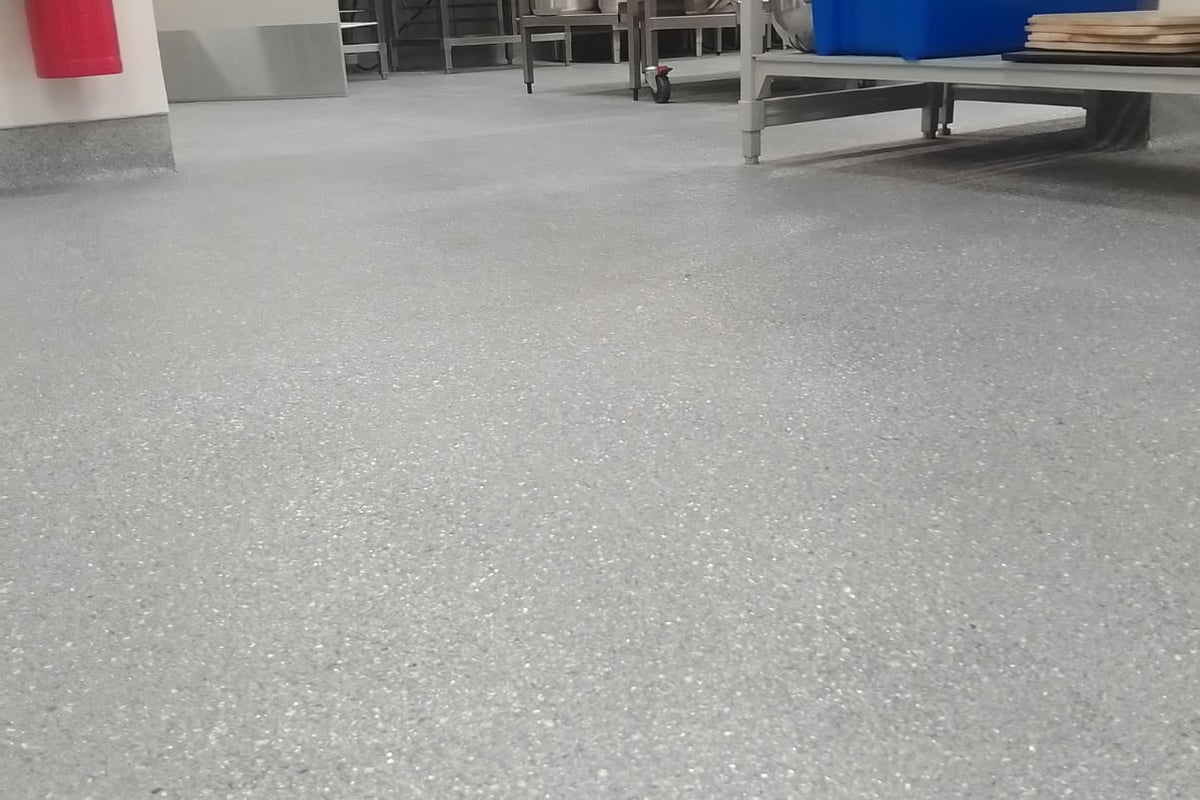
When discussing Epoxy Flooring, it's important to understand that professional installation ensures proper chemical ratios, adequate curing time, and compliance with Australian standards. The expertise required for commercial-grade systems differs significantly from residential DIY products.
Performance Characteristics and Durability Factors
Understanding the long-term performance of epoxy resin concrete floors helps facility managers budget for lifecycle costs and plan maintenance schedules.
Environmental Resistance and Longevity
Epoxy systems demonstrate remarkable resistance to environmental factors affecting floor performance. Studies examining coating materials under various environmental conditions confirm that properly formulated epoxy resins maintain mechanical properties across wide temperature ranges and chemical exposures.
Temperature performance:
- Continuous service temperatures up to 60°C
- Thermal shock resistance between -20°C and 80°C
- Minimal expansion coefficient reducing stress cracking
- Heat deflection temperatures exceeding 90°C for commercial grades
Chemical resistance characteristics:
- Excellent resistance to petroleum products and solvents
- Superior performance against most acids and alkalis
- Impermeability to water and aqueous solutions
- Resistance to de-icing salts in car park applications
Mechanical Performance Under Load
The mechanical properties of epoxy resin concrete floors exceed those of traditional concrete treatments. Compressive strengths typically range from 80-100 MPa, while flexural strengths reach 30-40 MPa. This strength profile allows epoxy systems to bridge minor substrate cracks and distribute point loads effectively.
Industrial facilities with heavy equipment, such as those requiring welding fabrication and machining services, benefit from epoxy's ability to withstand metal fabrication debris, welding sparks, and the concentrated loads from machining equipment. The impact resistance prevents surface degradation common in workshops and industrial settings.
Maintenance Requirements and Cost Analysis
Epoxy resin concrete floors offer significant lifecycle cost advantages through reduced maintenance demands and extended service life.
Daily and Periodic Maintenance Protocols
Maintaining epoxy floors requires minimal effort compared to alternatives. Daily cleaning involves:
- Dust mopping or sweeping to remove loose debris
- Damp mopping with neutral pH cleaners
- Immediate spill cleanup preventing staining
- Regular inspection for damage or wear patterns
Periodic maintenance extends system life substantially:
- Weekly deep cleaning using automatic scrubbers
- Monthly inspection of high-traffic areas for wear
- Quarterly assessment of chemical exposure zones
- Annual professional evaluation and minor repairs as needed
The seamless nature of epoxy systems eliminates grout lines and joints that harbour bacteria, making them ideal for commercial kitchens and food processing facilities. This characteristic reduces cleaning time by approximately 40% compared to tiled floors.
Lifecycle Cost Comparison
| Floor System | Initial Cost | Annual Maintenance | Expected Lifespan | Total 20-Year Cost |
|---|---|---|---|---|
| Epoxy Resin | High | Low | 15-20 years | Moderate |
| Painted Concrete | Low | Moderate | 3-5 years | High |
| Tile | High | High | 10-15 years | Very High |
| Untreated Concrete | None | Very High | Variable | High |
While epoxy resin concrete floors require higher initial investment, the total cost of ownership proves competitive due to extended lifespan and minimal maintenance. Warehouse flooring installations particularly benefit from this cost structure, as downtime for floor repairs significantly impacts operations.

Design Options and Aesthetic Considerations
Modern epoxy resin concrete floors offer extensive customization options that complement commercial and industrial aesthetics while maintaining functionality.
Colour Systems and Finish Options
Epoxy systems accommodate virtually unlimited colour possibilities through pigment additions. Commercial applications typically favour:
- Light grey or beige maximizing light reflection and reducing energy costs
- Safety colours (yellow, red, green) for traffic lanes and zoning
- Corporate colours matching brand identity in retail spaces
- Neutral tones providing professional appearance in showrooms
Finish options range from high-gloss surfaces achieving 85+ gloss units to completely matte finishes with slip-resistant textures. The epoxy flooring colours selected impact not only aesthetics but also practical considerations like light reflectivity and dirt visibility.
Functional Design Elements
Beyond colour, epoxy systems incorporate functional design features:
Traffic management:
- Line marking for forklift lanes and pedestrian zones
- Directional arrows embedded in the coating
- Loading bay demarcation and safety borders
- Emergency exit pathways with photoluminescent additives
Safety enhancements:
- Slip-resistant aggregates broadcast into wet epoxy
- Chemical-resistant coatings in designated spill zones
- Static-dissipative formulations for sensitive electronics areas
- High-visibility safety yellow in hazard zones
Research on epoxy resin coatings modified with aggregates demonstrates that incorporating recycled materials can enhance pull-off strength while supporting sustainability objectives.
Regulatory Compliance and Safety Standards
Commercial epoxy resin concrete floors must meet stringent Australian standards and industry-specific regulations.
Australian Building Codes and Standards
Epoxy flooring systems in commercial environments comply with:
- AS/NZS 4586 for slip resistance classification
- AS 1884 for floor covering materials
- Building Code of Australia requirements for fire ratings
- Food Standards Australia regulations for food preparation areas
- Workplace Health and Safety requirements for industrial facilities
Slip resistance proves particularly critical, with wet pendulum testing determining suitability for various applications. Commercial kitchens typically require P4 or P5 ratings, while dry warehouses may specify P3 ratings. The epoxy floor finish texture achieves these ratings through aggregate additions or mechanical texturing.
Environmental and VOC Considerations
Modern epoxy formulations increasingly focus on environmental responsibility. Low-VOC and solvent-free systems reduce workplace exposure during installation and minimize environmental impact. These formulations maintain performance characteristics while meeting green building certification requirements.
Key environmental considerations include:
- VOC content below 50 g/L for internal applications
- Recyclability of removed epoxy during renovations
- Service life reducing material consumption over time
- Reflectivity decreasing artificial lighting requirements
- Chemical containment preventing groundwater contamination
Studies examining pavement applications of epoxy concrete highlight the material's durability benefits in reducing lifecycle environmental impact through extended service intervals.
Troubleshooting Common Issues and Solutions
Even properly installed epoxy resin concrete floors occasionally develop issues requiring attention. Understanding common problems enables quick resolution.
Surface Defects and Remediation
| Issue | Cause | Solution |
|---|---|---|
| Bubbling | Outgassing from substrate | Improved ventilation, slower cure hardener |
| Delamination | Poor substrate preparation | Remove affected area, re-prepare, reapply |
| Discolouration | UV exposure, chemical staining | Apply UV-stable topcoat, chemical-resistant sealer |
| Cracking | Substrate movement | Install expansion joints, use flexible systems |
| Blushing | Moisture during cure | Control humidity, use moisture-tolerant primers |
Professional assessment determines whether issues stem from installation errors, substrate problems, or service conditions exceeding design parameters. Many problems identified early require only minor repairs, while extensive damage may necessitate complete removal and reinstallation.
Preventive Measures and Best Practices
Preventing problems proves more cost-effective than remediation. Essential preventive practices include:
- Comprehensive substrate testing before any epoxy application
- Environmental monitoring during installation and curing
- Quality control testing of mixed epoxy batches
- Proper material storage preventing contamination or degradation
- Regular maintenance inspections identifying wear before failure
Retail flooring applications particularly benefit from preventive maintenance, as floor failures during trading hours significantly impact business operations and customer experience.
Advanced Epoxy Systems for Specialized Applications
Certain commercial and industrial environments require specialized epoxy formulations addressing unique challenges.
Heavy-Duty Industrial Formulations
Facilities experiencing extreme conditions utilize enhanced epoxy systems:
- High-build systems (6-12mm thickness) for severe impact zones
- Flexible epoxy accommodating substrate movement
- Fast-cure formulations minimizing operational downtime
- Thermal-resistant variants for manufacturing processes exceeding 80°C
- Conductive systems for explosion-proof environments
These specialized systems command premium pricing but prove essential in applications where standard epoxy would fail prematurely. The polishing concrete floors alternative may suit applications where chemical resistance matters less than aesthetics and ease of maintenance.
Food-Grade and Hygienic Applications
Commercial kitchens, breweries, and food processing facilities require epoxy systems meeting stringent hygiene standards. These formulations incorporate:
Antimicrobial additives preventing bacterial colonization between cleaning cycles
Seamless cove installations eliminating corners where contaminants accumulate
Steam-resistant formulations withstanding high-pressure cleaning equipment
HACCP-compliant certification documenting food safety suitability
Brewery flooring installations demonstrate epoxy's versatility in managing both chemical exposure from cleaning agents and the constant moisture present in beverage production environments.
Selection Criteria for Commercial Projects
Choosing appropriate epoxy resin concrete floors requires evaluating multiple factors specific to each facility.
Load Requirements and Traffic Patterns
Assessment begins with understanding operational demands:
- Point loads from racking systems, machinery, and equipment
- Rolling loads from forklifts, pallet jacks, and vehicles
- Impact frequency from dropped objects or tools
- Traffic density determining wear rates
- Turning zones experiencing increased abrasion
Facilities like commercial car parks experience different stress patterns than warehouses, requiring formulations optimized for vehicle traffic rather than forklift operations. The epoxy thickness, aggregate loading, and hardener selection vary accordingly.
Environmental Exposure Assessment
Chemical and environmental exposure determines formulation requirements:
- Chemical inventory review identifying all substances contacting the floor
- Temperature range analysis for both substrate and ambient conditions
- Moisture exposure evaluation including cleaning protocols
- UV exposure assessment for areas with natural lighting
- Abrasion expectations based on traffic types and volumes
This comprehensive assessment ensures the selected epoxy system addresses all performance requirements rather than just primary concerns. Overlooking secondary exposure factors commonly causes premature system failure in commercial environments.
Quality Assurance and Installation Standards
Professional installation of epoxy resin concrete floors follows rigorous quality protocols ensuring optimal performance.
Installer Qualifications and Certification
Commercial epoxy installation requires specialized training and experience. Qualified installers possess:
- QBCC licensing ensuring compliance with Queensland building regulations
- Manufacturer certifications validating proper application techniques
- Insurance coverage protecting clients against installation defects
- Workplace safety training meeting OH&S requirements
- Technical knowledge of concrete substrates and epoxy chemistry
The complexity of commercial installations exceeds residential applications significantly. Projects spanning thousands of square metres require logistical coordination, quality control systems, and specialized equipment unavailable to general contractors.
Post-Installation Testing and Validation
Quality installations include comprehensive testing protocols:
Pull-off adhesion testing verifying bond strength exceeds 1.5 MPa minimum
Thickness measurements confirming specified build-up achieved
Visual inspection identifying any surface defects requiring correction
Cure verification ensuring full polymerization before service loading
Documentation providing maintenance records and warranty information
These quality measures distinguish professional installations from substandard work that may appear acceptable initially but fails prematurely under service conditions.
Epoxy resin concrete floors represent a significant investment in facility infrastructure, delivering decades of reliable performance when properly specified and installed. The technical complexity, regulatory requirements, and application expertise required for commercial and industrial projects demand professional contractors with proven track records. For warehouses, factories, retail stores, commercial kitchens, and car parks across South East Queensland, Superior Concrete Finishes brings decades of specialized experience in epoxy flooring and polished concrete systems, backed by full QBCC licensing and comprehensive insurance coverage for complete client protection.

Joshua Miller has over 15 years of experience in the commercial concrete flooring industry, specialising in epoxy flooring systems and polished concrete solutions for warehouses, factories, retail spaces and commercial developments. Joshua and his team work closely with builders, property owners and facility managers across South East Queensland to deliver durable, cost-effective commercial flooring systems for warehouses, industrial facilities, commercial kitchens, retail stores and large commercial developments.
Major builders and organisations Josh has led projects on include McNab, Hutchinson Builders, IKEA, Queensland Rail, University of Queensland, ADCO, Tomkins Commercial, Bunnings, OfficeWorks, Spotlight, and Anaconda.
If you're planning a project and need advice on the best commercial concrete flooring solution, contact Josh or one of the team at Superior Concrete Finishes.
-
 info@superiorconcretefinishes.com.au
-
1300 789 740
-
Connect with Josh on
LinkedIn


 Connect with Josh on