
Epoxy services have become essential for commercial and industrial facilities throughout South East Queensland, providing durable, long-lasting flooring solutions that withstand demanding operational conditions. These specialised services encompass everything from initial substrate assessment and surface preparation through to final coating application and ongoing maintenance programmes. For facility managers, warehouse operators, and commercial property owners, understanding the full scope of professional epoxy services ensures informed decision-making when selecting flooring solutions that meet both operational requirements and budgetary constraints. The right epoxy service provider brings technical expertise, quality materials, and proven installation methodologies that deliver floors capable of serving businesses for decades.
Understanding Professional Epoxy Services
Professional epoxy services extend far beyond simply applying coating to concrete surfaces. The comprehensive process begins with thorough substrate evaluation, where experienced contractors assess moisture levels, structural integrity, and existing surface conditions. This initial assessment determines the appropriate epoxy system and preparation methodology required for optimal adhesion and performance.
Surface preparation constitutes the most critical phase of epoxy services. Contractors employ diamond grinding, shot blasting, or scarifying equipment to create the proper surface profile. This mechanical preparation removes contaminants, opens the concrete pores, and establishes the texture necessary for chemical bonding between substrate and coating system.
Scope of Epoxy Application Services
The application phase requires precision mixing of resin and hardener components at exact ratios. Temperature and humidity conditions significantly impact cure rates and final properties, making environmental control crucial during installation. Professional applicators monitor these variables continuously, adjusting techniques to maintain quality standards.
Commercial epoxy services typically include:
- Substrate moisture testing and mitigation strategies
- Mechanical surface preparation using industrial equipment
- Primer application for enhanced adhesion
- Base coat installation with specified thickness
- Optional aggregate broadcasting for slip resistance
- Topcoat sealing for chemical and abrasion protection
- Joint filling and detailing around drains and equipment
The workshop flooring sector particularly benefits from these comprehensive services, where durability and chemical resistance prove essential for daily operations.
System Selection and Specification
Epoxy services encompass multiple system types, each engineered for specific performance requirements. Self-levelling epoxy systems create smooth, seamless surfaces ideal for clean room environments and facilities requiring easy sanitation. These systems typically range from 2mm to 6mm thickness, providing excellent chemical resistance whilst concealing minor substrate imperfections.
High-build epoxy coatings offer enhanced durability for heavy traffic areas. Applied at thicknesses between 3mm and 10mm, these systems incorporate multiple layers that provide superior impact resistance. Research on epoxy resin cross-linking demonstrates how molecular structure affects mechanical properties, informing system selection for demanding applications.
| System Type | Typical Thickness | Primary Applications | Key Benefits |
|---|---|---|---|
| Self-levelling | 2-6mm | Commercial kitchens, laboratories | Seamless, easy cleaning |
| High-build | 3-10mm | Warehouses, loading docks | Impact resistance, durability |
| Mortar systems | 6-12mm | Heavy industrial | Extreme durability, chemical resistance |
| Thin-film | 0.3-1mm | Light commercial | Cost-effective, quick installation |

Installation Process and Quality Standards
Professional epoxy services follow rigorous installation protocols that ensure consistent results across projects. The process begins with comprehensive site preparation, including protection of adjacent areas, establishment of environmental controls, and verification that substrate conditions meet specification requirements. Temperature and relative humidity must fall within manufacturer-specified ranges, typically 10-30°C and below 85% RH respectively.
Contractors employ specialised mixing equipment that ensures homogeneous blending of epoxy components. Improper mixing ratios or inadequate blending creates weak spots, discolouration, and premature failure. Professional applicators use calibrated dispensing systems and power mixers to eliminate these risks.
Application Techniques for Commercial Environments
The application methodology varies based on system type and facility requirements. Self-levelling systems require skilled trowelling techniques that distribute material evenly whilst eliminating air entrapment. Applicators work systematically across the floor area, maintaining wet edges to prevent visible seams.
For warehouse flooring installations, contractors coordinate closely with facility managers to minimise operational disruption. Phased installation approaches allow sections of the warehouse to remain operational whilst work progresses in others. This strategic planning proves essential for businesses that cannot afford complete shutdowns.
Quality epoxy services incorporate multiple verification checkpoints:
- Pre-installation moisture testing using calcium chloride or relative humidity methods
- Surface profile verification with replica tape or comparator gauges
- Mixed material pot life monitoring to ensure application within working time
- Wet film thickness measurements during application
- Visual inspection for air bubbles, fish eyes, or contamination
- Cure verification before releasing floors to traffic
The Epoxy Flooring service delivers these quality standards through systematic processes and experienced installation teams.
Curing and Post-Installation Procedures
Curing represents the chemical reaction where liquid epoxy transforms into a solid polymer network. Professional epoxy services manage this phase carefully, controlling traffic access based on cure stage. Light foot traffic typically becomes possible after 24-48 hours, whilst full chemical resistance and mechanical properties develop over 7-14 days.
Temperature significantly affects cure rates. Contractors may employ supplemental heating in cooler months or increase ventilation during warmer periods to optimise curing conditions. Research on epoxy nanocomposites continues to advance material science, potentially offering improved cure characteristics for future formulations.
Maintenance Services and Longevity Planning
Comprehensive epoxy services extend beyond installation to include maintenance planning and support. A properly maintained epoxy floor in commercial environments can serve effectively for 15-20 years or longer. Maintenance programmes begin with education, where contractors provide facility staff with cleaning protocols and product recommendations.
Daily maintenance involves removing loose debris through sweeping or dust mopping. This simple practice prevents abrasive particles from scratching the surface during foot or vehicle traffic. For facilities with forklift operations, this step becomes particularly critical as embedded particles accelerate wear patterns.
Cleaning Protocols and Product Selection
Maintaining epoxy floors effectively requires understanding which cleaning products preserve rather than damage the coating. Neutral pH cleaners diluted according to manufacturer specifications provide safe, effective cleaning for routine operations. Harsh alkaline or acidic cleaners can etch the surface, reducing gloss and potentially compromising chemical resistance.
Professional maintenance services establish periodic deep cleaning schedules using mechanical scrubbing equipment. These services remove accumulated contaminants that routine cleaning misses, restoring appearance and preventing degradation. For factory flooring applications where oils and industrial fluids pose challenges, scheduled professional cleaning proves essential.
| Maintenance Task | Frequency | Purpose | Recommended Method |
|---|---|---|---|
| Dust removal | Daily | Prevent abrasion | Dust mop or soft broom |
| Wet cleaning | Weekly | Remove residues | Neutral cleaner, mop |
| Spot treatment | As needed | Address spills | Immediate cleanup |
| Deep cleaning | Quarterly | Restore appearance | Machine scrubbing |
| Inspection | Annually | Identify damage | Professional assessment |
Damage Prevention and Remediation
Quality epoxy services include guidance on preventing common damage mechanisms. Heavy impacts from dropped equipment or tools can chip epoxy coatings, creating points where moisture or chemicals penetrate to the substrate. Protective measures include equipment positioning, impact-resistant matting in vulnerable areas, and operational protocols that minimise drop risks.
Chemical exposure represents another concern, particularly in manufacturing or processing facilities. Whilst epoxy systems offer excellent chemical resistance, prolonged exposure to certain aggressive substances can cause softening or discolouration. Comprehensive maintenance guides detail specific chemical compatibilities and recommended response times for spill cleanup.
Minor damage requires prompt attention to prevent escalation. Professional epoxy services offer repair programmes that address small chips, scratches, or worn areas before they compromise larger floor sections. These targeted repairs prove far more cost-effective than premature full replacement.
Selecting Qualified Epoxy Service Providers
Choosing the right contractor for epoxy services significantly impacts project outcomes and long-term floor performance. In South East Queensland's competitive market, facility managers must evaluate potential contractors across multiple criteria. QBCC licensing provides baseline assurance that contractors meet state requirements for commercial construction work, but additional qualifications demonstrate higher competency levels.
Experience specifically within commercial and industrial settings proves invaluable. Residential epoxy application differs substantially from commercial work in terms of substrate conditions, system selection, and performance expectations. Contractors with demonstrated expertise in commercial flooring understand the unique challenges warehouses, factories, and commercial kitchens present.
Verification and Due Diligence
Portfolio examination reveals contractor capabilities and project diversity. Look for completed projects similar in scope and application to your facility. A contractor experienced in retail environments may lack the specialised knowledge required for chemical processing plants or cold storage facilities.
Insurance coverage protects both parties during installation and throughout the warranty period. Comprehensive public liability insurance and workers compensation demonstrate contractor professionalism whilst safeguarding facility owners from potential liabilities. Verify coverage amounts match project scale and risk profile.
Professional epoxy service providers offer:
- Detailed written quotations specifying materials, systems, and methodologies
- Project timelines with realistic milestones and completion dates
- Material specifications including manufacturer data sheets
- Surface preparation protocols appropriate for substrate conditions
- Quality assurance procedures with verification checkpoints
- Warranty coverage clearly defining terms and exclusions
- Maintenance recommendations for post-installation care
References from previous clients provide insight into contractor reliability, communication quality, and problem-solving capabilities. Contact these references directly, asking specific questions about timeline adherence, unexpected issues, and long-term floor performance.
Technical Competency Assessment
Evaluating technical knowledge during initial consultations helps identify contractors who truly understand epoxy chemistry and application science. Qualified contractors should articulate how substrate moisture levels affect adhesion, explain temperature impacts on cure rates, and discuss system selection rationale for your specific application.
Proper maintenance practices should feature in contractor discussions, demonstrating commitment to long-term client success rather than merely completing installation. Contractors invested in relationship building provide valuable guidance extending beyond the project completion date.
Industry Applications and Sector-Specific Requirements
Epoxy services adapt to diverse commercial and industrial sectors, each presenting unique performance requirements. Understanding these sector-specific needs ensures appropriate system selection and installation approaches. The versatility of epoxy technology allows customisation for virtually any commercial concrete flooring application.
Food Processing and Commercial Kitchen Applications
Food processing facilities and commercial kitchens demand epoxy systems that withstand frequent washdowns, temperature fluctuations, and aggressive cleaning chemicals. These environments require systems with enhanced thermal shock resistance, capable of transitioning rapidly between hot production processes and cold water cleaning without delamination or cracking.
Antimicrobial additives incorporated into epoxy formulations help maintain hygienic conditions in food preparation areas. Seamless installations eliminate grout lines and joints where bacteria might harbour, supporting compliance with food safety regulations. The slip resistance properties can be adjusted through topcoat selection or aggregate addition to meet safety standards whilst maintaining cleanability.
Manufacturing and Industrial Workshop Environments
Manufacturing facilities require epoxy services that address heavy equipment loads, chemical exposures, and operational demands. Workshop environments particularly benefit from systems offering oil and solvent resistance, protecting the concrete substrate from degradation whilst maintaining safe walking surfaces.
High-build epoxy systems prove ideal for these applications, providing the thickness necessary to withstand point loads from machinery and impact from dropped tools or components. The chemical cross-linking creates a tough, abrasion-resistant surface that maintains integrity despite demanding conditions.

| Sector | Primary Requirements | Recommended System | Critical Features |
|---|---|---|---|
| Commercial kitchens | Thermal shock, hygiene | Self-levelling, antimicrobial | Seamless, easy cleaning |
| Warehouses | Impact, heavy traffic | High-build epoxy | Load bearing, durability |
| Retail stores | Aesthetics, moderate traffic | Decorative systems | Visual appeal, maintenance |
| Manufacturing | Chemical resistance, loads | Mortar systems | Chemical barrier, strength |
Logistics and Warehouse Operations
Distribution centres and warehouses present perhaps the most demanding environment for epoxy services. These facilities operate continuously, with heavy forklift traffic, pallet jack movement, and constant loading activities. The flooring system must support these operations whilst minimising maintenance interruptions.
Epoxy services for warehouse applications often incorporate joint filling protocols that prevent forklifts from catching on control joints or cracks. Specialised car park flooring techniques adapt for covered loading dock areas where vehicles transition between outdoor and indoor surfaces.
Dust control proves critical in warehouse environments where inventory may include sensitive electronics or packaged goods. Epoxy sealing prevents concrete dusting, maintaining cleaner air quality and reducing product contamination risks. This benefit alone often justifies the investment in professional epoxy services for logistics operators.
Environmental Considerations and Sustainability
Modern epoxy services increasingly incorporate environmental considerations into material selection and application practices. Volatile organic compound (VOC) content receives scrutiny as commercial facilities pursue green building certifications and reduce environmental impacts. Low-VOC and zero-VOC epoxy formulations now offer performance comparable to traditional systems whilst minimising emissions during application and curing.
The longevity of properly installed epoxy floors contributes positively to sustainability metrics. A floor serving 20+ years avoids the environmental impact and resource consumption associated with multiple replacement cycles. This durability factor makes epoxy services attractive for facilities pursuing green building standards and sustainable operation certifications.
Energy Efficiency and Lighting Benefits
Epoxy floor services enhance facility energy efficiency through improved light reflectivity. The glossy surface finish reflects artificial lighting more effectively than raw concrete, potentially reducing lighting requirements or enabling reduced wattage whilst maintaining adequate illumination levels. For large warehouses operating 24/7, these savings accumulate significantly over the floor's service life.
Surface temperature properties also merit consideration. Epoxy coatings can improve thermal comfort in conditioned spaces by providing a smoother, more uniform surface that facilitates consistent temperature distribution. This characteristic particularly benefits facilities in South East Queensland's variable climate.
Cost Analysis and Return on Investment
Understanding the full cost structure of epoxy services enables informed budgeting and value assessment. Initial installation costs vary based on substrate condition, system selection, and project complexity. Surface preparation requirements significantly influence total project costs, with heavily damaged or contaminated substrates requiring more extensive work before coating application.
Professional contractors provide detailed quotations breaking down costs by component: surface preparation, materials, labour, and post-installation services. This transparency allows facility managers to understand where investment dollars go and how different specification choices impact total expenditure. For warehouse applications, the upfront investment must be weighed against operational benefits and longevity expectations.
Calculating Lifecycle Value
True cost assessment extends beyond initial installation to include maintenance expenses and performance longevity. An epoxy floor requiring minimal maintenance over 20 years presents superior value compared to alternative flooring requiring frequent repair or earlier replacement. Maintenance guidance from industry experts helps facilities project these ongoing costs accurately.
Operational disruption costs deserve consideration in total project economics. Epoxy services that minimise downtime through efficient installation scheduling or phased approaches reduce lost productivity and revenue. For 24/7 operations, weekend or after-hours installation may justify premium pricing through avoided operational interruption.
The return on investment calculations should incorporate:
- Energy savings from improved lighting efficiency
- Maintenance cost reduction compared to unsealed concrete
- Safety improvements reducing incident frequency and associated costs
- Product protection in warehouse and manufacturing settings
- Regulatory compliance avoiding fines or operational restrictions
- Asset value enhancement for owned facilities
Financing and Budget Planning
Many commercial property owners structure epoxy flooring investments as capital improvements rather than operational expenses. This classification reflects the long-term value addition to the facility. Some contractors offer payment schedules aligned with project milestones, easing cash flow management for larger installations.
Budget planning should include contingency allocation for unexpected substrate issues discovered during preparation. Older buildings particularly may reveal moisture problems, delaminated concrete, or contamination requiring remediation before epoxy application proceeds. Experienced contractors identify potential issues during site assessment, enabling more accurate budget forecasting.
Quality Assurance and Performance Verification
Professional epoxy services incorporate systematic quality assurance throughout project execution. These verification protocols ensure installed systems meet specification requirements and performance expectations. Initial quality checkpoints begin during surface preparation, where contractors verify proper profile depth and cleanliness before proceeding to primer application.
Material handling and mixing receive continuous monitoring. Batch records document mix ratios, pot life, and application timing, creating traceability if questions arise post-installation. Care and maintenance protocols provided by quality-focused contractors demonstrate commitment to long-term floor performance.
Testing and Certification
Advanced epoxy services may include laboratory testing for specialised applications. Pull-off adhesion testing quantifies bond strength between epoxy and substrate, confirming specifications are met. Chemical resistance testing validates system selection for facilities with specific exposure concerns.
Third-party inspection services provide additional assurance for large or critical projects. Independent inspectors verify contractor compliance with specifications and industry standards, protecting owner interests throughout the installation process. This oversight proves particularly valuable for projects requiring specific certifications or regulatory compliance.
The portfolio of completed projects from established contractors demonstrates consistent quality delivery across diverse applications and challenges.
Future Developments in Epoxy Technology
Epoxy services continue evolving as material science advances and industry demands shift. Emerging technologies promise enhanced performance characteristics and expanded application possibilities. Bio-based epoxy resins derived from renewable resources represent one development pathway, potentially reducing environmental impact whilst maintaining performance properties.
Nanotechnology integration offers another frontier. Nanoparticle additions can enhance mechanical properties, improve chemical resistance, or add functionality such as antimicrobial properties without significantly increasing system cost. As these technologies mature, commercial epoxy services will incorporate them into standard offerings.
Smart flooring concepts incorporating sensors or conductive properties may integrate with epoxy systems in future applications. These developments could enable real-time monitoring of floor conditions, traffic patterns, or environmental factors, providing facility managers with unprecedented operational insights.
The fundamentals of professional epoxy services, however, remain constant: thorough preparation, quality materials, skilled application, and ongoing support. These principles ensure commercial and industrial facilities receive flooring solutions that serve reliably for decades, regardless of technological advances in specific formulations or additives.
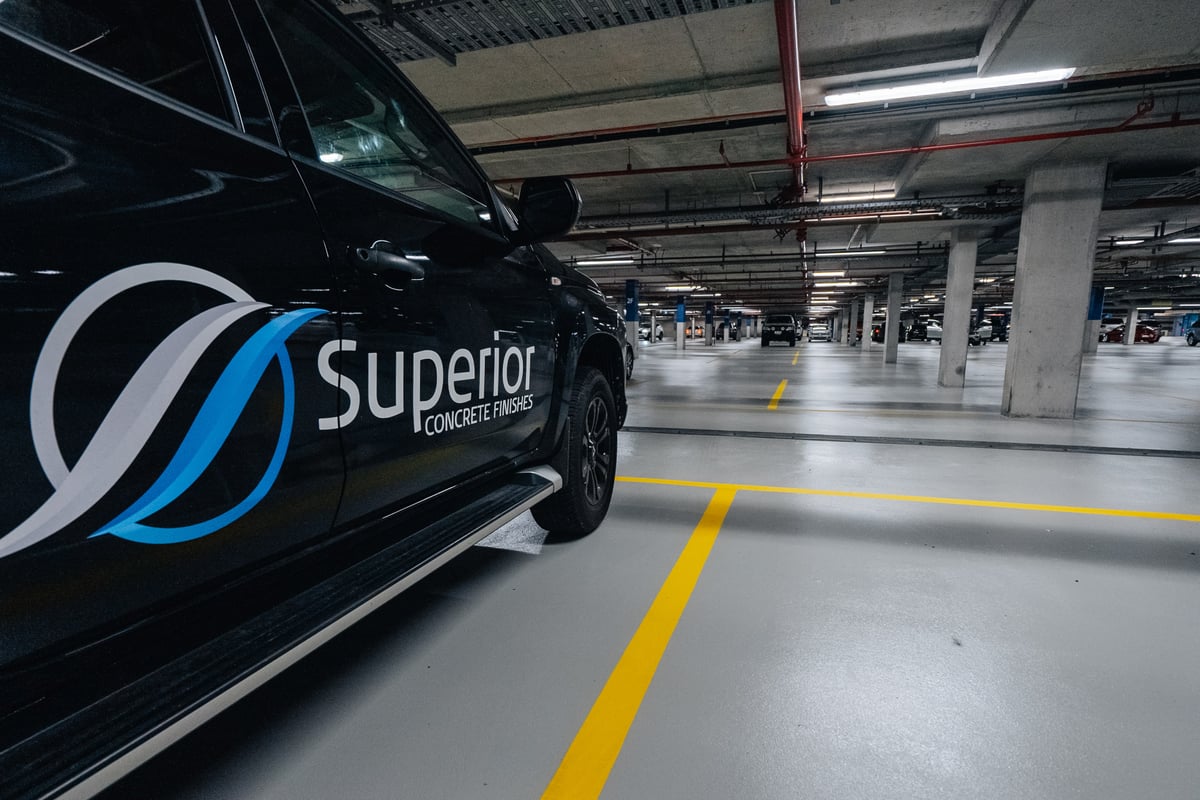
Professional epoxy services deliver durable, high-performance flooring solutions essential for demanding commercial and industrial environments throughout South East Queensland. From initial consultation through installation and ongoing maintenance support, the right contractor partnership ensures your facility benefits from decades of reliable floor performance. Superior Concrete Finishes brings extensive experience and technical expertise to commercial flooring projects, delivering quality epoxy installations backed by full QBCC licensing and comprehensive insurance coverage for warehouses, factories, commercial kitchens, and industrial facilities across the region.

Joshua Miller has over 15 years of experience in the commercial concrete flooring industry, specialising in epoxy flooring systems and polished concrete solutions for warehouses, factories, retail spaces and commercial developments. Joshua and his team work closely with builders, property owners and facility managers across South East Queensland to deliver durable, cost-effective commercial flooring systems for warehouses, industrial facilities, commercial kitchens, retail stores and large commercial developments.
Major builders and organisations Josh has led projects on include McNab, Hutchinson Builders, IKEA, Queensland Rail, University of Queensland, ADCO, Tomkins Commercial, Bunnings, OfficeWorks, Spotlight, and Anaconda.
If you're planning a project and need advice on the best commercial concrete flooring solution, contact Josh or one of the team at Superior Concrete Finishes.
-
 info@superiorconcretefinishes.com.au
-
1300 789 740
-
Connect with Josh on
LinkedIn


 Connect with Josh on