
Flake floor coating systems have become increasingly popular in commercial and industrial environments across South East Queensland. These multi-layered flooring solutions combine functionality with aesthetic appeal, offering a durable surface that withstands the demanding conditions of warehouses, factories, commercial kitchens, and retail spaces. Understanding the composition, application process, and benefits of flake floor coating can help facility managers and business owners make informed decisions about their flooring investments.
Understanding Flake Floor Coating Systems
Flake floor coating represents a specialised flooring solution that incorporates decorative vinyl chips or flakes into a resin-based system. The process involves broadcasting coloured flakes onto a wet base coat, creating a textured, multi-dimensional surface that combines visual appeal with practical benefits.
The basic system consists of several critical layers:
- Primer coat to ensure proper adhesion to the concrete substrate
- Pigmented base coat that serves as the foundation
- Decorative vinyl flakes broadcast across the wet surface
- Clear polyurethane or epoxy topcoat for protection and durability
The anatomy of a flake floor system demonstrates how each layer contributes to the overall performance and longevity of the installation. These systems differ from standard epoxy coatings through the addition of decorative flakes, which provide texture, hide imperfections, and create a slip-resistant surface.
Material Composition and Options
The flakes used in these systems come in various sizes, colours, and material compositions. Most commercial applications utilise vinyl chips ranging from small (1-2mm) to large (6-8mm) sizes. The size selection impacts both appearance and texture, with larger flakes creating more pronounced visual interest and enhanced slip resistance.
Colour combinations offer virtually unlimited design possibilities. Facility managers can select from earth tones for industrial spaces, vibrant colours for retail environments, or custom blends that match corporate branding.
Application Requirements and Surface Preparation
Proper surface preparation determines the success of any flake floor coating installation. The concrete substrate must be sound, clean, and properly profiled to ensure adequate adhesion. This preparation phase often represents the most critical aspect of the entire project.
Essential preparation steps include:
- Assessment of concrete condition and moisture levels
- Removal of existing coatings, contaminants, and laitance
- Repair of cracks, spalls, and surface defects
- Mechanical grinding or diamond abrasion to achieve proper profile
- Thorough cleaning and dust removal before coating application
Commercial flooring systems require meticulous attention to substrate conditions. Moisture testing becomes particularly important in ground-level slabs and areas with potential hydrostatic pressure. Failures often occur when installers skip or rush preparation steps, leading to delamination, bubbling, or premature wear.
Installation Process and Timing
The installation timeline for flake floor coating depends on project size, ambient conditions, and system specifications. Temperature and humidity significantly impact curing times and application windows.
Experienced applicators follow a systematic approach. After priming, the base coat is applied and allowed to reach the optimal tackiness before flake broadcasting begins. This timing window varies based on product specifications and environmental conditions, typically ranging from 30 minutes to several hours.

Broadcasting techniques affect final appearance and performance. Full broadcast systems use enough flakes to completely cover the base coat, creating maximum texture and hiding power. Partial broadcast applications allow some base colour to show through, creating different aesthetic effects while using fewer materials.
Performance Characteristics in Commercial Environments
Flake floor coating systems deliver exceptional performance across various commercial and industrial settings. The combination of resin matrix and vinyl flakes creates a surface that resists chemical spills, impact damage, and abrasion from heavy equipment and foot traffic.
| Performance Attribute | Flake Floor Coating | Standard Epoxy | Polished Concrete |
|---|---|---|---|
| Chemical Resistance | Excellent | Excellent | Good |
| Impact Resistance | Very Good | Good | Very Good |
| Slip Resistance | Excellent | Fair to Good | Fair |
| Aesthetic Options | Extensive | Moderate | Limited |
| UV Stability | Good to Excellent | Fair | Excellent |
The textured surface created by flake systems provides superior slip resistance compared to smooth epoxy coatings. This characteristic proves particularly valuable in commercial kitchens, food processing facilities, and areas prone to spills or moisture. Reviewing epoxy flake floor coating performance reveals consistent benefits across different commercial applications.
Chemical and Thermal Resistance
Commercial and industrial facilities often expose floors to aggressive chemicals, oils, and temperature variations. Flake floor coating systems demonstrate excellent resistance to most common industrial chemicals, including acids, alkalis, solvents, and petroleum products.
The chemical resistance depends primarily on the topcoat selection. Polyurethane topcoats offer superior chemical resistance and UV stability compared to epoxy topcoats, though they typically cost more. For warehouse flooring applications where forklifts and heavy equipment operate daily, chemical resistance protects the investment from hydraulic fluid, battery acid, and cleaning chemicals.
Thermal resistance varies by product formulation. Most commercial-grade systems handle temperature ranges from -40°C to 80°C without degradation. However, thermal shock resistance becomes critical in facilities with rapid temperature changes or exposure to hot liquids.
Design Flexibility and Aesthetic Considerations
The decorative aspect of flake floor coating distinguishes it from purely functional industrial coatings. This versatility makes it suitable for retail environments where appearance matters as much as durability.
Design options include:
- Single-colour flake systems for subtle texture
- Multi-colour blends creating depth and visual interest
- Custom colour matching for brand coordination
- Varying broadcast densities for different effects
- Metallic or iridescent flakes for premium appearances
Retail flooring projects often leverage the aesthetic flexibility of flake systems. The ability to hide minor concrete imperfections while creating an attractive surface makes these systems particularly valuable in customer-facing areas.
Flake size selection influences both appearance and maintenance. Smaller flakes create a more uniform, refined look suitable for showrooms and retail spaces. Larger flakes produce a bolder, more industrial aesthetic appropriate for workshops and manufacturing areas.
Maintenance Requirements and Longevity
Flake floor coating systems require minimal maintenance when properly installed and cared for. Regular cleaning with neutral pH cleaners and periodic recoating of high-traffic areas maintains appearance and performance for many years.
Recommended maintenance practices:
- Daily sweeping or dust mopping to remove abrasive particles
- Weekly damp mopping with approved cleaning solutions
- Immediate cleanup of spills to prevent staining
- Quarterly inspection for wear patterns or damage
- Annual professional deep cleaning and assessment
The longevity of flake systems in commercial environments typically ranges from 10 to 20 years, depending on traffic levels and maintenance practices. Factory flooring installations subjected to heavy forklift traffic may require topcoat renewal every 5-7 years, while lighter-duty retail applications can last considerably longer between refreshes.
Avoiding common mistakes during application ensures maximum service life. Proper substrate preparation, correct product selection, and professional installation significantly impact long-term performance.
Repair and Refurbishment Options
One advantage of flake floor coating involves the relative ease of repairs and updates. Damaged areas can be ground out and recoated to blend with surrounding surfaces. Unlike some flooring systems that require complete removal for repairs, flake systems allow for spot repairs that integrate seamlessly.
Full refurbishment involves light abrading of the existing surface, application of a fresh base coat and flakes, followed by a new topcoat. This process can restore an aged floor to like-new condition at a fraction of replacement cost.
Cost Considerations and Value Analysis
Flake floor coating systems represent a mid-range investment in commercial flooring options. Initial costs exceed basic epoxy coatings but remain significantly less than premium systems like polyurethane mortars or specialty decorative concrete.
| Cost Factor | Impact on Total Investment | Typical Range |
|---|---|---|
| Surface Preparation | High | 30-40% of total |
| Materials | Moderate | 25-35% of total |
| Labour and Application | High | 30-40% of total |
| Downtime | Variable | Project-specific |
The value proposition becomes evident when considering lifecycle costs. Superior durability, minimal maintenance requirements, and extended service life often result in lower total cost of ownership compared to alternative flooring solutions.
For commercial floor covering projects in South East Queensland, flake systems offer excellent value in environments requiring both durability and aesthetics. The ability to withstand demanding commercial conditions while maintaining appearance justifies the investment for many facility managers.
Return on Investment Factors
Calculating ROI involves considering multiple factors beyond initial installation costs. Reduced maintenance expenses, extended replacement cycles, and improved safety through enhanced slip resistance contribute to overall value.
Downtime during installation affects operational costs. Flake systems typically cure faster than some alternatives, allowing quicker return to service. Fast-cure formulations can reduce downtime to as little as 24-48 hours in optimal conditions.
System Variations and Specialised Applications

Flake floor coating technology has evolved to address specific industry requirements. Specialised formulations cater to unique environmental conditions and performance demands found across different commercial sectors.
Specialised system variations include:
- Anti-microbial formulations for healthcare and food processing
- Static-dissipative systems for electronics manufacturing
- High-build systems for severely damaged concrete
- Fast-cure options for minimal downtime applications
- Moisture-mitigating primers for problematic substrates
Commercial kitchen flooring often requires anti-microbial additives to meet health department regulations. These specialised flake systems incorporate silver ion technology or other antimicrobial agents into the coating matrix.
Industry-Specific Requirements
Different industries place unique demands on flooring systems. Understanding these requirements helps in selecting appropriate flake coating specifications.
Manufacturing facilities prioritise chemical resistance and impact durability. The selection of topcoat becomes critical in these environments. Mechanical workshop flooring applications benefit from polyurethane topcoats that resist hot tyre pickup and hydraulic fluid contamination.
Retail environments emphasise appearance and ease of cleaning. Understanding flake floor coating trends reveals growing adoption in customer-facing commercial spaces where visual appeal supports brand image.
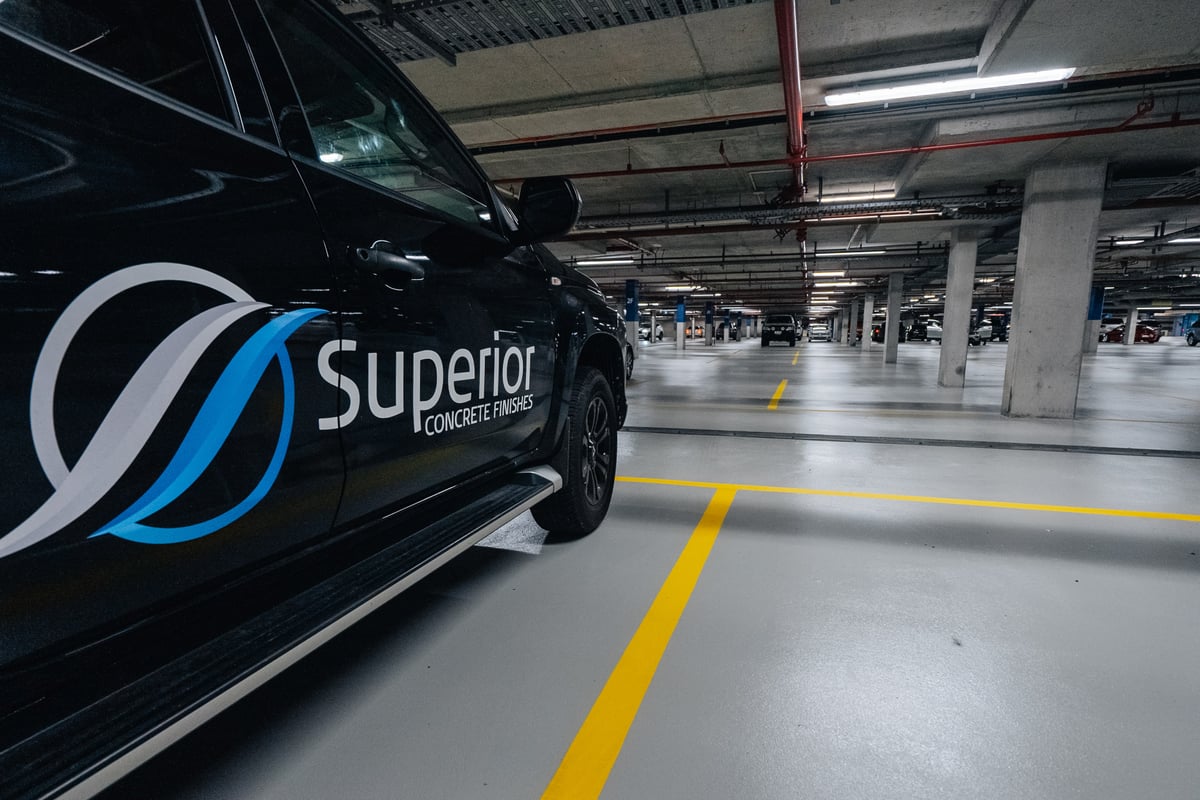
Car park applications require UV-stable formulations and excellent abrasion resistance. Car park flooring installations face constant vehicle traffic, tyre marks, and exposure to automotive fluids, making proper system selection crucial for long-term performance.
Environmental and Safety Considerations
Modern flake floor coating systems address environmental concerns through low-VOC formulations and sustainable manufacturing practices. Many products now meet or exceed strict environmental regulations while maintaining performance standards.
Safety features inherent to flake systems:
- Enhanced slip resistance reducing workplace injuries
- Seamless surfaces eliminating trip hazards
- Light-reflective properties improving visibility
- Easy-to-clean surfaces supporting hygiene protocols
- Fire-resistant formulations for sensitive environments
The slip-resistant properties of flake systems contribute significantly to workplace safety. The textured surface created by broadcast flakes provides traction even in wet conditions, reducing the risk of slips and falls that lead to workers' compensation claims and lost productivity.
VOC Compliance and Indoor Air Quality
Volatile organic compound regulations continue to tighten across commercial construction sectors. Modern flake floor coating products utilise water-based or low-VOC formulations that comply with stringent environmental standards without sacrificing performance.
Indoor air quality considerations prove particularly important in occupied facilities. Low-odour, fast-curing formulations minimise disruption during installation and allow quicker facility reoccupation. These characteristics benefit businesses requiring continuous operation or weekend-only installation windows.
For companies seeking durable, attractive commercial flooring solutions, exploring epoxy-based systems offers complementary options. While flake floor coating excels in many applications, epoxy flooring without decorative flakes remains the preferred choice for many industrial clients prioritising pure functionality over aesthetics.
Selection Criteria for Commercial Projects
Choosing appropriate flooring systems requires careful evaluation of multiple factors specific to each commercial facility. Understanding how flake floor coating compares to alternatives helps facility managers make informed decisions aligned with operational requirements and budget constraints.
Project-specific considerations include expected traffic levels, exposure to chemicals or moisture, aesthetic requirements, installation timeline constraints, and long-term maintenance capabilities. Each factor influences whether flake systems represent the optimal solution.
Traffic analysis determines system specifications. Light commercial traffic in retail spaces allows for thinner systems and decorative emphasis. Heavy industrial traffic in manufacturing facilities demands robust systems with enhanced abrasion resistance and thicker topcoats.
Comparison with Alternative Systems
Evaluating flake floor coating against other commercial flooring options provides context for decision-making. Each system offers distinct advantages depending on application requirements.
Compared to polished concrete, flake systems provide superior chemical resistance and slip resistance. However, polished concrete offers unmatched longevity and requires minimal maintenance in appropriate applications.
Standard epoxy coatings cost less initially but lack the aesthetic appeal and texture of flake systems. The decorative flakes hide minor substrate imperfections and provide visual interest that solid-colour epoxy cannot match.
Polyurethane mortar systems exceed flake coatings in chemical and thermal resistance but cost significantly more. These premium systems suit extreme environments like commercial kitchens and food processing facilities where hygiene and durability justify higher investment.
Professional Installation Versus DIY Approaches
The complexity of flake floor coating installation makes professional application essential for commercial projects. While residential DIY products exist, commercial-grade systems require specialised equipment, technical knowledge, and installation experience.
Professional installation advantages:
- Proper substrate assessment and preparation
- Correct product selection for specific conditions
- Specialised equipment for consistent application
- Experience avoiding common installation mistakes
- Warranty protection and quality assurance
Avoiding common application errors requires understanding moisture mitigation, achieving proper flake distribution, maintaining correct ambient conditions, and timing topcoat application precisely. Professional installers bring this expertise to every project.
Insurance and liability considerations make professional installation prudent for commercial facilities. Licensed contractors carry appropriate insurance coverage and comply with occupational health and safety requirements that protect building owners from potential liabilities.
Qualification and Licensing Requirements
In Queensland, commercial flooring contractors require appropriate QBCC licensing for concrete finishing and coating work. Verifying contractor credentials protects facility owners from substandard work and ensures compliance with building regulations.
Experienced commercial flooring specialists understand substrate conditions, product compatibility, and application techniques specific to different facility types. This expertise proves invaluable in achieving optimal results that meet both performance requirements and aesthetic expectations.
Flake floor coating systems deliver exceptional value for commercial and industrial facilities requiring durable, attractive, and low-maintenance flooring solutions. The combination of performance characteristics, design flexibility, and long-term cost-effectiveness makes these systems ideal for warehouses, factories, retail spaces, and other demanding environments across South East Queensland. If you're considering new flooring for your commercial facility, Superior Concrete Finishes brings decades of expertise in epoxy flooring and polished concrete installations throughout the region. Our QBCC-licensed team specialises in delivering high-performance flooring solutions tailored to the unique demands of commercial and industrial clients.

Joshua Miller has over 15 years of experience in the commercial concrete flooring industry, specialising in epoxy flooring systems and polished concrete solutions for warehouses, factories, retail spaces and commercial developments. Joshua and his team work closely with builders, property owners and facility managers across South East Queensland to deliver durable, cost-effective commercial flooring systems for warehouses, industrial facilities, commercial kitchens, retail stores and large commercial developments.
Major builders and organisations Josh has led projects on include McNab, Hutchinson Builders, IKEA, Queensland Rail, University of Queensland, ADCO, Tomkins Commercial, Bunnings, OfficeWorks, Spotlight, and Anaconda.
If you're planning a project and need advice on the best commercial concrete flooring solution, contact Josh or one of the team at Superior Concrete Finishes.
-
 info@superiorconcretefinishes.com.au
-
1300 789 740
-
Connect with Josh on
LinkedIn


 Connect with Josh on