Floor coating systems have become indispensable in commercial and industrial environments across Australia, transforming basic concrete surfaces into durable, high-performance work areas. The global floor coatings market continues to expand as businesses recognise the long-term value of protecting their concrete infrastructure. Whether you operate a warehouse, factory, retail store, or commercial kitchen, selecting the appropriate floor coating directly impacts operational efficiency, safety standards, and maintenance costs.
Understanding Floor Coating Systems
Floor coating refers to the application of protective layers over concrete surfaces to enhance durability, aesthetics, and functionality. These systems create a seamless barrier between the substrate and the daily wear and tear that commercial environments inevitably experience.
The science behind effective floor coating involves chemistry, surface preparation, and application techniques. Modern formulations have evolved significantly from simple paint-based products to sophisticated polymer systems that bond molecularly with concrete substrates.
Key Components of Floor Coating Solutions
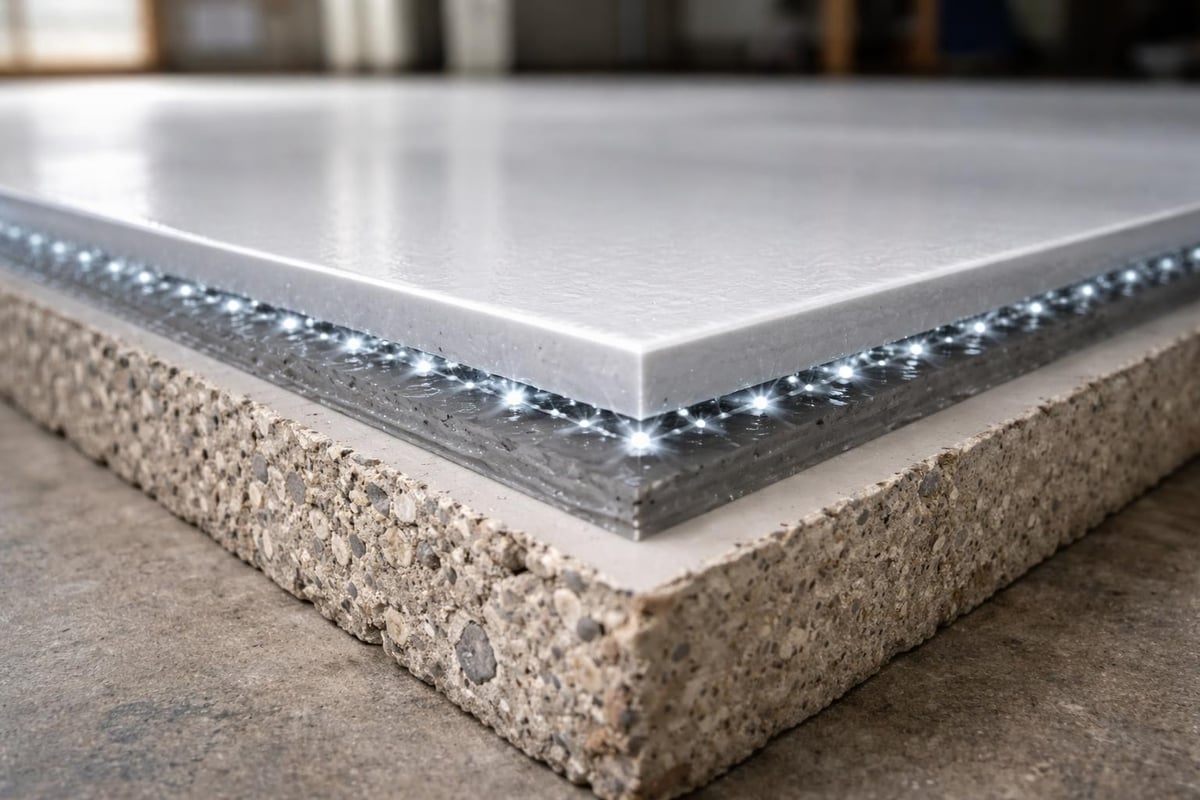
Professional floor coating systems typically comprise multiple elements working together:
- Primer layers that penetrate concrete pores and establish chemical adhesion
- Build coats that provide thickness, strength, and structural integrity
- Topcoat finishes delivering UV resistance, gloss levels, and surface characteristics
- Additives for slip resistance, chemical resistance, or aesthetic effects
The performance characteristics vary dramatically based on resin type, with epoxy, polyurethane, polyaspartic, and methyl methacrylate (MMA) each offering distinct advantages. Industrial floor coating markets in the Asia-Pacific region continue to drive innovation in sustainable formulations.
Commercial Applications and Industry Requirements
Different commercial environments demand specific floor coating characteristics. Understanding these requirements ensures the selected system meets operational demands.
Warehouse and Distribution Centres
Warehouses require floor coating systems that withstand heavy forklift traffic, pallet impacts, and constant movement of goods. The coating must resist abrasion from metal wheels whilst maintaining a smooth surface for efficient equipment operation.
Essential characteristics include:
- High compressive strength ratings exceeding 6,000 PSI
- Impact resistance to prevent chipping from dropped loads
- Fast cure times to minimise operational downtime
- Chemical resistance for cleaning agents and potential spills
Many warehouse operators now specify commercial floor coatings that incorporate line marking and safety zone demarcation directly into the coating system, eliminating the need for painted lines that deteriorate quickly.
Manufacturing and Production Facilities
Manufacturing environments present unique challenges for floor coating systems. Production areas may experience thermal cycling, chemical exposure, and mechanical stress simultaneously.
| Challenge | Floor Coating Solution | Expected Performance |
|---|---|---|
| Chemical spills | Chemically resistant epoxy | Resistance to acids, alkalis, solvents |
| Thermal shock | Flexible polyurethane topcoats | Withstands temperature fluctuations |
| Heavy machinery | High-build epoxy systems | 3-5mm thickness, superior load distribution |
| Hygiene requirements | Seamless, non-porous finishes | Prevents bacterial growth, easy sanitisation |
The industrial concrete flooring sector has witnessed substantial growth as manufacturers invest in infrastructure upgrades that extend equipment life and improve workplace safety.
Retail and Showroom Environments
Retail spaces demand floor coating solutions that balance aesthetics with functionality. These environments experience moderate foot traffic but require visually appealing surfaces that reinforce brand identity.
Floor coating in retail typically emphasises:
- High gloss finishes that enhance lighting effectiveness
- Decorative options including colour matching to corporate palettes
- Stain resistance from food, beverages, and cosmetic products
- Acoustic properties that reduce noise transmission
The transformation achievable through professional concrete surface treatments creates retail environments that compete with traditional tile or timber installations at a fraction of the lifecycle cost.
Technical Specifications and Performance Standards
Selecting appropriate floor coating requires understanding technical specifications that determine long-term performance. The floor coatings market analysis reveals increasing emphasis on measurable performance metrics.
Adhesion and Bond Strength
The foundation of any successful floor coating lies in its adhesion to the concrete substrate. Professional installations achieve bond strength exceeding 300 PSI, ensuring the coating system remains integral to the floor rather than sitting as a separate layer prone to delamination.
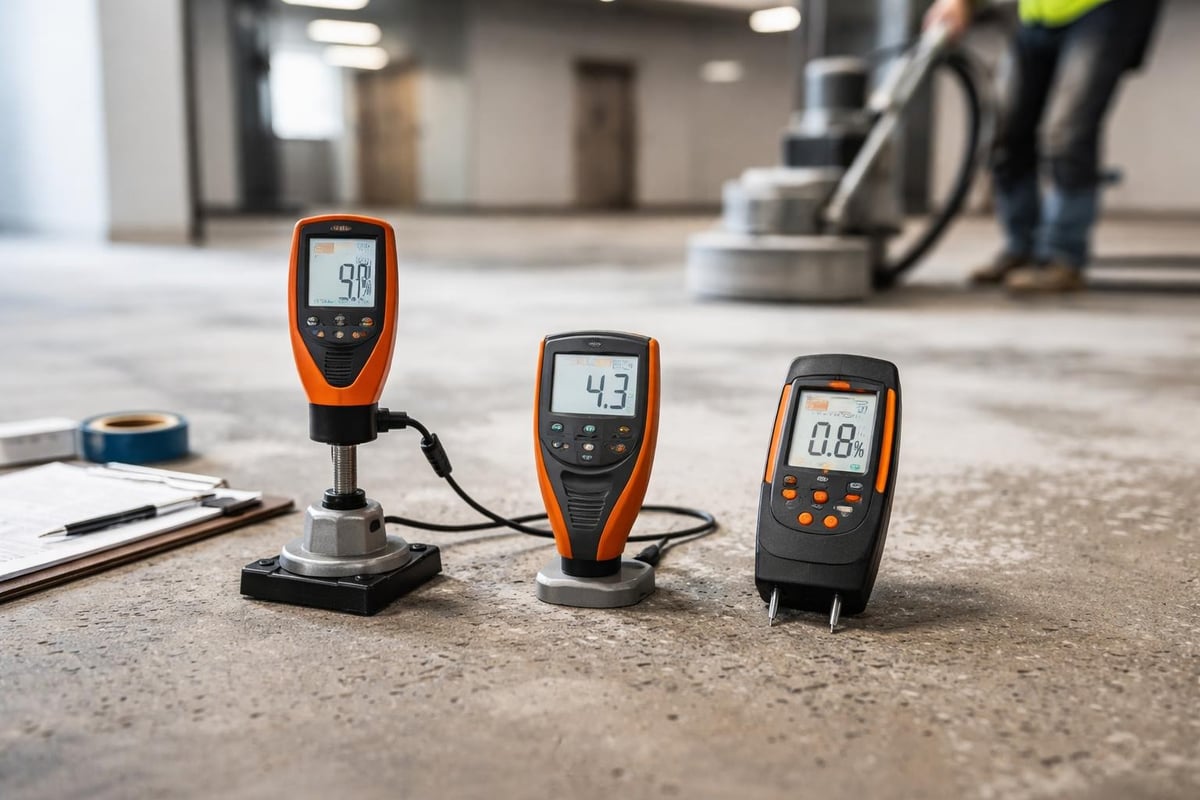
Testing methods include:
- Pull-off adhesion testing using calibrated equipment
- Visual inspection for substrate preparation quality
- Moisture vapour emission rate (MVER) testing
- Concrete surface profile (CSP) verification
Proper epoxy flooring preparation eliminates approximately 90% of potential coating failures, making surface preparation the most critical phase of any installation.
Chemical Resistance Requirements
Commercial and industrial facilities regularly encounter chemicals ranging from mild cleaning agents to aggressive industrial solvents. Floor coating systems must resist degradation when exposed to these substances.
Common chemical exposures by industry:
- Commercial kitchens: Cooking oils, cleaning chemicals, organic acids
- Automotive workshops: Hydraulic fluids, brake fluid, petroleum products
- Pharmaceutical facilities: Disinfectants, sterilising agents, process chemicals
- Food processing: Lactic acid, citric acid, sodium hydroxide solutions
The food grade flooring sector requires certifications demonstrating compliance with strict health authority standards, ensuring coatings don’t contribute contaminants to food production areas.
Installation Process and Quality Control
Professional floor coating installation follows systematic procedures that ensure consistent results and maximum system performance. The commercial epoxy flooring contractors industry has established best practices that differentiate professional installations from substandard applications.
Surface Preparation Methodology
Concrete preparation determines coating longevity more than any other factor. Professional contractors employ mechanical preparation methods including:
- Diamond grinding to achieve specified CSP profiles
- Shot blasting for aggressive surface profiling
- Scarifying to remove existing coatings or contaminated concrete
- Crack repair using epoxy or polyurethane injection systems
Each preparation method creates different surface characteristics suited to specific coating types. The concrete must be structurally sound, free from contamination, and profiled to manufacturer specifications before coating application commences.
Application Techniques and Environmental Controls
Floor coating application requires precise environmental control and methodology. Temperature, humidity, and concrete moisture levels must fall within specified parameters.
| Environmental Factor | Acceptable Range | Impact if Outside Range |
|---|---|---|
| Ambient temperature | 10°C – 30°C | Improper cure, surface defects |
| Relative humidity | Below 85% | Moisture contamination, blushing |
| Concrete moisture | Below 4% RH | Delamination, osmotic blistering |
| Dew point margin | Minimum 3°C above | Surface condensation issues |
Professional installers monitor these conditions throughout application, adjusting techniques to maintain quality standards. The investment in epoxy flooring contractors with proper equipment and training prevents costly failures that emerge months after installation.
Maintenance and Lifecycle Management
Floor coating systems require appropriate maintenance to achieve their designed service life. Understanding maintenance requirements influences total cost of ownership calculations.
Daily and Routine Maintenance
Proper maintenance preserves floor coating appearance and functionality. Commercial facilities should implement regular cleaning protocols using pH-neutral detergents that don’t degrade the coating matrix.
Recommended maintenance schedule:
- Daily dust mopping or sweeping to remove abrasive particles
- Weekly wet mopping with approved cleaning solutions
- Monthly deep cleaning using automatic scrubbing equipment
- Quarterly inspection for damage requiring repair
- Annual professional assessment and minor refurbishment
The how to maintain epoxy floors approach extends coating life significantly, with properly maintained systems exceeding 15-20 years in moderate-use environments.
Refurbishment and Repair Options
Even well-maintained floor coating eventually shows wear in high-traffic zones. Strategic refurbishment extends system life without complete removal and replacement.
Minor damage responds well to localised repairs. Professional contractors can feather-edge repair sections, matching colour and texture to blend seamlessly with existing coatings. This approach proves far more economical than wholesale replacement whilst maintaining floor functionality.

Safety Considerations and Regulatory Compliance
Floor coating systems play crucial roles in workplace safety, particularly regarding slip resistance and compliance with Australian standards. The flooring safety standards landscape continues evolving as regulators emphasise injury prevention.
Slip Resistance Testing and Standards
Workplace health and safety regulations mandate appropriate slip resistance for different environments. Floor coating specifications must address wet and dry slip resistance requirements.
Testing methodologies include:
- Pendulum testing (wet and dry conditions)
- Oil-wet ramp testing for industrial environments
- Barefoot ramp testing for wet areas like commercial kitchens
- Tribometer measurements for scientific assessment
Professional installations of anti-slip epoxy flooring incorporate aggregates or surface textures that achieve required slip resistance ratings without compromising cleanability or appearance.
Fire Resistance and Smoke Development
Commercial buildings must meet Building Code of Australia requirements for fire safety. Floor coating systems contribute to or detract from building fire performance depending on their formulation.
Key certifications include:
- Spread of flame index classifications
- Smoke development ratings during combustion
- Critical radiant flux measurements
- Toxicity of combustion products
Epoxy and polyurethane floor coating systems typically achieve acceptable fire ratings for commercial applications, though specific projects may require specialist fire-retardant formulations.
Cost Analysis and Return on Investment
Understanding the total cost of floor coating requires examining initial installation costs, maintenance expenses, and operational benefits over the system’s lifecycle. The floor coatings market forecast indicates growing recognition of lifecycle value over initial price considerations.
Initial Investment Considerations
Floor coating costs vary significantly based on system type, surface condition, and performance requirements. Budget-conscious decisions that compromise on quality often result in premature failure and higher total costs.
Price factors include:
- Concrete substrate condition and required remediation
- Floor coating system thickness and number of layers
- Decorative elements such as colour, flakes, or metallic effects
- Site access constraints requiring specialised equipment
- Timeline requirements affecting labour scheduling
Commercial facilities typically invest between $50-150 per square metre for professional floor coating systems, with specialised applications potentially exceeding this range. For businesses requiring robust protection, epoxy flooring delivers exceptional value through its combination of chemical resistance, durability, and reasonable initial cost.

Operational Cost Savings
Floor coating systems generate measurable operational savings that offset initial investment. These savings accumulate throughout the coating’s service life, improving return on investment.
| Cost Category | Annual Saving (per 1,000m²) | Mechanism |
|---|---|---|
| Cleaning labour | $3,000 – $5,000 | Reduced cleaning time, simpler protocols |
| Cleaning materials | $1,500 – $2,500 | Less chemical usage, water consumption |
| Lighting energy | $2,000 – $4,000 | Increased reflectivity reduces lighting requirements |
| Concrete replacement | $5,000 – $10,000 | Protection prevents substrate degradation |
| Downtime costs | Variable | Reduced maintenance-related closures |
The cumulative effect of these savings means quality floor coating systems typically achieve payback within 3-5 years, with subsequent years representing pure return on investment.
Emerging Technologies and Future Developments
The floor coating industry continues advancing with innovations in chemistry, application methods, and performance characteristics. Research into biobased floor coating formulations reflects growing environmental consciousness within the sector.
Sustainable and Low-VOC Formulations
Environmental regulations increasingly restrict volatile organic compound (VOC) emissions from coating products. Manufacturers have responded with water-based systems and 100% solids formulations that eliminate or minimise VOC release.
Modern sustainable floor coating options deliver:
- Zero or near-zero VOC emissions during application
- Reduced environmental impact throughout product lifecycle
- Comparable or superior performance to traditional solvent-based systems
- Faster return-to-service times with minimal odour
These developments prove particularly valuable for occupied buildings where commercial epoxy flooring installation must proceed without evacuating adjacent spaces.
Smart Coatings and Integrated Technologies
Emerging floor coating technologies incorporate functional capabilities beyond traditional protection. These smart systems integrate sensors, antimicrobial properties, or self-healing characteristics.
Innovation areas include:
- Antimicrobial additives that actively inhibit bacterial growth
- Electrostatic dissipative (ESD) coatings for electronics manufacturing
- Temperature-indicating coatings for cold storage facilities
- Self-levelling formulations requiring minimal skilled labour
The industrial floor coating market research indicates accelerating adoption of these advanced systems as costs decrease and performance validation increases.
Selecting the Right Floor Coating Partner
Choosing qualified contractors significantly influences floor coating project outcomes. The expertise, equipment, and processes employed separate professional installations from amateur applications.
Contractor Qualifications and Credentials
Legitimate commercial floor coating contractors maintain appropriate licensing, insurance, and industry certifications. In Queensland, contractors must hold valid QBCC licensing demonstrating competency in their trade category.
Essential credentials include:
- Current QBCC licence with appropriate classifications
- Comprehensive public liability insurance (minimum $20 million)
- Workers compensation insurance for all employees
- Manufacturer certifications for specified coating systems
- Documented safety management systems
The advantages of epoxy flooring only materialise when properly installed by qualified professionals using appropriate techniques and materials.
Project Planning and Execution
Professional floor coating contractors conduct thorough site assessments, developing detailed project plans addressing logistics, timeline, and risk mitigation. This planning phase identifies potential issues before they impact project delivery.
Comprehensive project documentation should specify:
- Concrete preparation methods and acceptance criteria
- Floor coating system components with technical data sheets
- Application procedures and quality control measures
- Environmental monitoring protocols
- Project timeline with critical path milestones
- Contingency plans for weather or site condition variations
Contractors experienced in commercial floor coating understand the coordination required for installations in operating facilities, minimising disruption whilst maintaining quality standards.
Selecting appropriate floor coating systems and qualified installation contractors represents a strategic investment in your commercial infrastructure. Professional floor coating transforms concrete surfaces into durable, safe, and efficient work environments that serve your business for decades. Superior Concrete Finishes brings extensive experience in commercial and industrial floor coating across South East Queensland, delivering epoxy flooring and polished concrete solutions for warehouses, factories, retail stores, and commercial facilities. Our QBCC-licensed team ensures your flooring investment performs to specification from day one. Contact Superior Concrete Finishes to discuss your commercial flooring requirements and discover how professional floor coating enhances your operational efficiency.

Joshua Miller has over 15 years of experience in the commercial concrete flooring industry, specialising in epoxy flooring systems and polished concrete solutions for warehouses, factories, retail spaces and commercial developments. Joshua and his team work closely with builders, property owners and facility managers across South East Queensland to deliver durable, cost-effective commercial flooring systems for warehouses, industrial facilities, commercial kitchens, retail stores and large commercial developments.
Major builders and organisations Josh has led projects on include McNab, Hutchinson Builders, IKEA, Queensland Rail, University of Queensland, ADCO, Tomkins Commercial, Bunnings, OfficeWorks, Spotlight, and Anaconda.
If you're planning a project and need advice on the best commercial concrete flooring solution, contact Josh or one of the team at Superior Concrete Finishes.
-
 info@superiorconcretefinishes.com.au
-
1300 789 740
-
Connect with Josh on
LinkedIn


 Connect with Josh on