
Selecting the right flooring professionals for your commercial or industrial project can make the difference between a surface that performs flawlessly for decades and one that requires premature replacement. In South East Queensland's competitive construction landscape, businesses demand more than basic installation skills. They need contractors who understand substrate science, material chemistry, workplace safety requirements, and the unique performance demands of different commercial environments. Whether you're fitting out a warehouse, retail store, or industrial workshop, understanding what separates competent contractors from truly exceptional flooring professionals helps you make informed decisions that protect your investment.
The Technical Foundation of Quality Flooring Work
Professional substrate assessment forms the cornerstone of any successful commercial flooring project. Experienced flooring professionals conduct comprehensive moisture testing, surface profile analysis, and structural evaluations before recommending solutions. This methodical approach prevents the most common installation failures that plague commercial facilities.
Surface preparation accounts for approximately 75% of a flooring system's long-term performance. Skilled contractors understand that concrete slabs must meet specific moisture vapor emission rates, typically below 3 pounds per 1,000 square feet per 24 hours for epoxy applications. They employ calcium chloride testing or relative humidity probes to gather accurate data.
Critical Pre-Installation Procedures
Flooring professionals follow systematic processes that ensure optimal bonding and durability:
- Concrete profile preparation using diamond grinding or shot blasting equipment
- pH level testing to verify alkalinity falls within acceptable ranges (typically 7-10)
- Crack repair and joint treatment using appropriate fillers and sealants
- Contamination removal including oils, curing compounds, and previous coatings
- Climate control verification to maintain temperature and humidity within specification
The National Wood Flooring Association’s installation guidelines emphasize the importance of following manufacturer specifications and industry best practices, principles that apply across all flooring categories.
Temperature and humidity control during installation cannot be overstated. Professional contractors maintain workspace conditions between 15-30°C with relative humidity between 40-80% for optimal material curing and adhesion.
Material Expertise Across Commercial Applications
Different commercial environments demand specific flooring characteristics. Expert flooring professionals match material properties to operational requirements rather than applying one-size-fits-all solutions.
| Environment Type | Primary Requirements | Recommended Systems |
|---|---|---|
| Warehouses | Impact resistance, forklift traffic, chemical tolerance | Heavy-duty epoxy, polished concrete |
| Commercial kitchens | Thermal shock resistance, hygiene, slip resistance | Antimicrobial epoxy, polyurethane |
| Retail spaces | Aesthetics, foot traffic durability, maintenance ease | Polished concrete, decorative epoxy |
| Manufacturing | Chemical resistance, static control, cleanability | Industrial epoxy, conductive systems |
Understanding the performance requirements for warehouse flooring versus retail environments separates generalists from specialists in the commercial flooring sector.

Chemical Resistance and Performance Standards
Industrial-grade knowledge of material chemistry enables flooring professionals to specify systems that withstand specific operational challenges. Epoxy resins vary significantly in their formulation, with some designed for maximum chemical resistance while others prioritize rapid return-to-service.
Professional contractors understand the distinction between:
- 100% solids epoxy systems offering zero VOC emissions and maximum thickness per coat
- Water-based epoxy providing lower odor and easier cleanup
- Solvent-based epoxy delivering superior penetration on porous substrates
- Polyurethane topcoats adding UV stability and enhanced chemical resistance
The expertise extends to knowing when to specify epoxy flooring versus alternative concrete finishing systems based on the client's operational profile and budget constraints.
Industry Compliance and Safety Standards
Licensed flooring professionals operating in Queensland maintain current QBCC (Queensland Building and Construction Commission) credentials and comprehensive insurance coverage. These aren't merely administrative requirements but indicators of professional commitment to quality and accountability.
Workplace health and safety protocols distinguish professional operators from casual contractors. Proper ventilation systems, personal protective equipment, and hazard communication procedures protect both installers and building occupants during and after installation.
Compliance with flooring safety standards encompasses:
- Slip resistance testing using pendulum or tribometer devices
- VOC emission compliance meeting Green Star or other environmental standards
- Fire rating certifications for materials used in escape routes
- Accessibility requirements ensuring compliance with AS 1428 standards
- Chemical safety documentation including SDS management and storage
According to recent industry analysis, regulatory compliance and sustainability credentials are increasingly important differentiators as the flooring industry evolves in 2026.
Project Management and Commercial Experience
Timeline reliability separates experienced flooring professionals from inexperienced operators. Commercial projects operate on strict schedules where delays cascade into costly consequences for multiple trades and business operations.
Professional contractors provide realistic timeframes accounting for:
- Substrate curing periods between preparation and coating application
- Material cure times before allowing traffic or loads
- Multi-coat system intervals and environmental conditions
- Equipment mobilization and demobilization requirements
They understand that rushing installation compromises long-term performance. A warehouse floor coating might require 5-7 days from start to full operational capacity, and attempting to compress this timeline through shortcuts invariably leads to premature failure.
Coordination with Other Trades
Experienced flooring professionals integrate seamlessly into larger construction workflows. They communicate proactively with project managers, identify potential conflicts before they occur, and adapt to site conditions without compromising quality standards.
This includes understanding when flooring installation should occur relative to:
- HVAC system commissioning to ensure climate control
- Building envelope completion to prevent moisture intrusion
- Electrical and plumbing rough-in to coordinate penetrations
- Final cleaning schedules to protect finished surfaces
The ability to work efficiently within complex commercial construction timelines demonstrates maturity that only comes from extensive portfolio experience across diverse project types.
Quality Assurance and Long-Term Performance
Professional flooring contractors stand behind their work with comprehensive warranties backed by proper installation documentation. This includes detailed records of substrate conditions, environmental readings, material batch numbers, and application rates.
Post-installation support extends beyond the initial warranty period. Reputable flooring professionals provide maintenance guidance, periodic inspection services, and refinishing options that extend flooring system lifespan.
| Quality Metric | Professional Standard | Impact on Performance |
|---|---|---|
| Film thickness | Measured with wet/dry gauges | Ensures adequate protection and durability |
| Cure verification | Hardness testing before traffic | Prevents premature wear and delamination |
| Edge detail quality | Proper termination at transitions | Eliminates trip hazards and moisture entry |
| Surface profile | Documented CSP ratings | Confirms optimal mechanical bonding |
Understanding common flooring installation failures and implementing prevention strategies demonstrates the proactive approach that characterizes true professionals.
Specialization in Commercial Concrete Systems
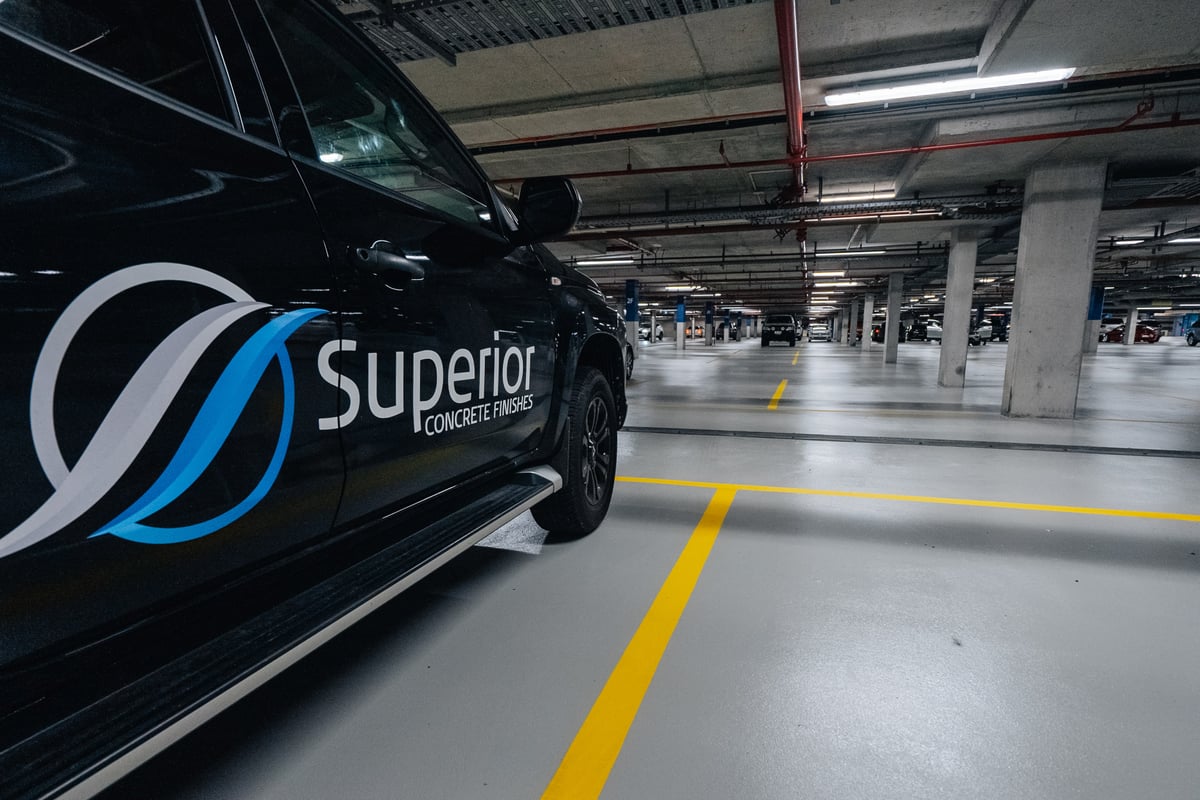
While residential flooring encompasses diverse materials from timber to tile, commercial and industrial applications increasingly rely on specialized concrete finishing systems. Flooring professionals who focus exclusively on commercial concrete develop deeper expertise in surface preparation, moisture management, and high-performance coating technologies.
Polished concrete has emerged as a preferred solution for retail environments and modern office spaces, offering aesthetic appeal combined with exceptional durability and minimal maintenance requirements. The grinding and polishing process requires specialized equipment and technical knowledge to achieve consistent results across large floor areas.
Epoxy systems dominate in warehouses, workshops, and manufacturing facilities where chemical resistance, impact tolerance, and ease of cleaning justify the investment. Professional contractors understand the nuances between different epoxy formulations and can recommend systems optimized for specific operational requirements.
The decision between these systems depends on multiple factors including substrate condition, operational requirements, aesthetic preferences, and budget constraints. Experienced flooring professionals guide clients through this selection process, ensuring the chosen solution aligns with both immediate needs and long-term objectives.
Equipment Investment and Technical Capability
Professional-grade equipment represents a significant capital investment that separates established contractors from newcomers. Diamond grinding systems, dust extraction units, mixing equipment, and application tools all require substantial financial commitment and operational expertise.
Modern flooring professionals utilize:
- Planetary grinders for concrete surface preparation and polishing
- HEPA-filtered vacuum systems for dust containment and air quality
- Precision mixing equipment ensuring proper resin-to-hardener ratios
- Specialty applicators including notched trowels, squeegees, and roller systems
- Environmental monitoring tools tracking temperature, humidity, and dew point
Equipment maintenance and calibration ensure consistent results across projects. Professional contractors follow manufacturer service schedules and replace worn components before they compromise quality.
This investment in proper tooling demonstrates commitment to quality outcomes rather than maximizing profit margins through equipment shortcuts. When evaluating flooring professionals, clients should inquire about the specific equipment and techniques that will be employed on their project.
Industry Knowledge and Continuing Education
The commercial flooring sector evolves continuously with new materials, application techniques, and performance standards. Leading flooring professionals invest in ongoing education through manufacturer training programs, industry associations, and technical seminars.
Staying Current with Industry Developments
According to 2026 flooring industry trends, the sector continues to evolve with emphasis on sustainability, rapid installation systems, and enhanced performance characteristics. Professional contractors track these developments and incorporate proven innovations into their service offerings.
Participation in industry organizations provides access to:
- Technical bulletins addressing emerging installation challenges
- Product performance data from independent testing laboratories
- Regulatory updates affecting material specifications and safety requirements
- Peer networking facilitating knowledge exchange among experienced contractors
- Certification programs validating technical competency in specialized systems
This commitment to professional development translates directly into better outcomes for commercial clients who benefit from current best practices rather than outdated techniques.
The Business Case for Professional Installation
While initial costs for professional flooring installation may exceed quotes from less experienced contractors, the total cost of ownership tells a different story. Properly installed commercial flooring systems deliver:
Extended service life through superior substrate preparation and correct material application, often doubling or tripling the performance period compared to substandard installations. A professionally installed epoxy floor in a warehouse environment can provide 15-20 years of service versus 5-7 years for poorly executed work.
Reduced maintenance requirements result from proper surface sealing, edge detailing, and material selection. Commercial facilities spend significantly less on cleaning, repairs, and interim refinishing when flooring professionals execute the initial installation correctly.
Minimized operational disruption matters enormously in commercial environments where downtime translates directly into lost revenue. Professional contractors complete projects efficiently while maintaining quality standards, getting your facility operational faster than inexperienced alternatives.
Understanding these lifecycle advantages helps facility managers and business owners make informed decisions that prioritize long-term value over short-term savings. The expertise provided by established commercial flooring specialists justifies the investment through measurable performance benefits.
Evaluating Flooring Professional Credentials
When selecting contractors for commercial flooring projects, specific criteria help identify genuine professionals versus casual operators. Beyond licensing and insurance, consider:
Project references from similar applications demonstrate relevant experience. A contractor specializing in residential tile work lacks the technical foundation for industrial epoxy installations. Request references from projects matching your facility type and operational requirements.
Detailed written proposals including substrate preparation procedures, material specifications, application methods, and timeline projections indicate professional thoroughness. Vague quotes suggesting "epoxy floor coating" without specifics signal insufficient technical knowledge.
- Technical certifications from material manufacturers
- Safety management system documentation
- Quality assurance procedures and testing protocols
- Warranty terms and post-installation support commitments
- Equipment inventory and maintenance records
Professional flooring contractors welcome detailed discussions about methodology because transparency demonstrates confidence in their approach. Those who evade technical questions or pressure for immediate decisions often lack the expertise required for successful commercial installations.
Regional Considerations in South East Queensland
Climate conditions in South East Queensland present specific challenges for flooring professionals. Humidity management during summer months, substrate moisture from tropical rainfall patterns, and temperature fluctuations all impact installation success.
Local experience matters because contractors familiar with regional conditions understand necessary precautions. This includes timing installations to avoid extreme weather periods, implementing enhanced moisture barriers where required, and selecting materials formulated for Queensland's subtropical climate.
Professional contractors maintain relationships with local suppliers, ensuring material availability and fresh stock with optimal shelf life. They understand delivery logistics across South East Queensland, from Brisbane's CBD to the Gold Coast and Sunshine Coast regions, enabling accurate project scheduling.
The eight tips for flawless flooring installation emphasize environmental considerations that experienced regional contractors address proactively rather than reactively.
Value of Specialized Focus
Flooring professionals who concentrate exclusively on commercial and industrial applications develop deeper expertise than generalists attempting to service all market segments. This specialization yields advantages including:
Materials optimization through bulk purchasing relationships and inventory management focused on high-performance commercial systems rather than diverse residential products. Specialized contractors negotiate better pricing and maintain adequate stock for rapid project deployment.
Technical refinement results from repetitive execution of similar applications. A contractor completing dozens of warehouse floors annually develops efficiency and problem-solving capabilities that occasional installers cannot match.
The decision to work exclusively with commercial and industrial clients reflects strategic positioning that benefits customers through focused expertise. When your factory flooring or retail space requires professional installation, specialists deliver superior results compared to contractors dividing attention across multiple market segments.
Choosing qualified flooring professionals for your commercial or industrial facility ensures proper substrate preparation, appropriate material selection, and installation excellence that delivers decades of reliable performance. When your South East Queensland business requires expert concrete flooring solutions, Superior Concrete Finishes brings specialized expertise in epoxy flooring and polished concrete systems for warehouses, retail stores, factories, commercial kitchens, and industrial workshops. Our licensed, insured team combines decades of commercial flooring experience with commitment to quality outcomes that protect your investment.

Joshua Miller has over 15 years of experience in the commercial concrete flooring industry, specialising in epoxy flooring systems and polished concrete solutions for warehouses, factories, retail spaces and commercial developments. Joshua and his team work closely with builders, property owners and facility managers across South East Queensland to deliver durable, cost-effective commercial flooring systems for warehouses, industrial facilities, commercial kitchens, retail stores and large commercial developments.
Major builders and organisations Josh has led projects on include McNab, Hutchinson Builders, IKEA, Queensland Rail, University of Queensland, ADCO, Tomkins Commercial, Bunnings, OfficeWorks, Spotlight, and Anaconda.
If you're planning a project and need advice on the best commercial concrete flooring solution, contact Josh or one of the team at Superior Concrete Finishes.
-
 info@superiorconcretefinishes.com.au
-
1300 789 740
-
Connect with Josh on
LinkedIn


 Connect with Josh on