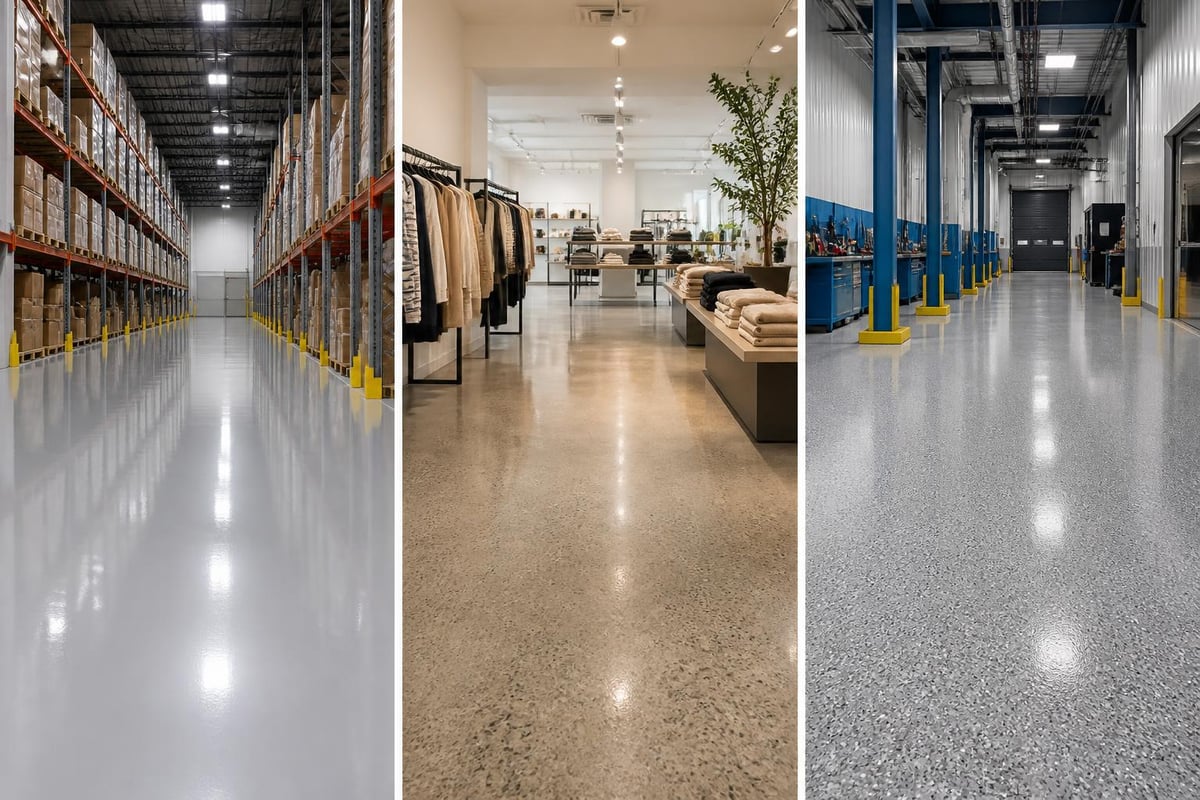
Selecting the right flooring solutions for commercial and industrial facilities requires careful consideration of performance requirements, operational demands, and long-term maintenance costs. With South East Queensland's commercial sector continuing to expand throughout 2026, facility managers and project developers face increasingly complex decisions when specifying floor finishes. The wrong choice can lead to premature failure, costly downtime, and ongoing maintenance headaches that impact operational efficiency. Understanding the fundamental characteristics of different flooring systems enables businesses to make informed investments that deliver lasting value across warehouses, factories, retail environments, and industrial workshops.
Understanding Commercial Flooring Requirements
Commercial and industrial environments demand flooring solutions that withstand significantly different stresses compared to residential applications. Heavy machinery, constant foot traffic, chemical exposure, and thermal cycling create unique performance requirements that standard flooring materials simply cannot meet.
Load-Bearing Capacity and Impact Resistance
Forklift traffic represents one of the most demanding challenges for commercial floors. Point loads from narrow wheels concentrate enormous pressure onto small surface areas, requiring exceptional compressive strength and abrasion resistance. Research from academic institutions has demonstrated that combining rigid and compliant materials can reduce impact forces during accidental drops or equipment impacts.
Industrial operations typically categorise floor loading into three classifications:
- Light duty: Pedestrian traffic, pallet jacks, light carts (up to 2,000 kg loads)
- Medium duty: Standard forklifts, moderate machinery, frequent wheeled traffic (2,000-5,000 kg loads)
- Heavy duty: Large forklifts, heavy manufacturing equipment, concentrated point loads (exceeding 5,000 kg)
Each classification demands specific material properties and installation specifications. Underspecifying a floor system inevitably leads to premature wear, cracking, and surface degradation that compromises both safety and functionality.
Chemical Resistance and Hygiene Standards
Commercial kitchens, food processing facilities, and manufacturing operations expose floors to aggressive chemicals daily. Oils, acids, alkaline cleaning agents, and organic materials can rapidly degrade unsuitable flooring materials. Epoxy flooring systems provide exceptional chemical resistance, creating impermeable barriers that prevent contamination and facilitate thorough cleaning protocols.
| Contaminant Type | Risk Level | Recommended Protection |
|---|---|---|
| Petroleum products | High | Chemical-resistant epoxy or polyurethane |
| Food acids | Medium-High | Sealed concrete or resinous systems |
| Alkaline cleaners | Medium | Properly cured epoxy with topcoats |
| Water and moisture | Medium | Moisture-vapour barriers, sealed surfaces |
Hygiene-critical environments require flooring solutions that meet stringent food safety standards and support rigorous cleaning schedules without degrading or harboring bacteria in surface imperfections.
Types of Commercial Flooring Solutions

Different flooring technologies offer distinct advantages depending on operational requirements, budget constraints, and performance expectations. Understanding these differences enables specification professionals to match solutions with specific facility needs.
Epoxy Resinous Systems
Epoxy flooring solutions dominate commercial and industrial applications due to their exceptional durability and chemical resistance. The system consists of resin and hardener components that chemically react to form a rigid, high-strength surface bonded directly to concrete substrates.
Key performance characteristics include:
- Compressive strength exceeding 10,000 psi when fully cured
- Chemical resistance to most industrial contaminants
- Seamless surface that eliminates joints and crevices
- Customizable thickness from 2mm to 10mm depending on requirements
- Service life extending 15-20 years with proper maintenance
The Flooring Contractors Association provides comprehensive installation standards that ensure proper application and long-term performance. Our team at Superior Concrete Finishes follows these industry guidelines across all warehouse and factory installations throughout South East Queensland.
Polished Concrete Solutions
Mechanical polishing transforms ordinary concrete into high-performance flooring through progressive grinding and densification. This process reveals aggregate within the concrete matrix while filling microscopic pores with chemical densifiers that increase surface hardness.
Polished concrete offers distinct advantages for specific applications:
- Retail environments benefit from reflective surfaces that enhance lighting efficiency
- Office spaces appreciate the contemporary aesthetic and LEED certification potential
- Warehouses value the dust-free surface and minimal maintenance requirements
- Showrooms leverage the premium appearance without sacrificing durability
The grinding process occurs in multiple stages, progressing from coarse diamond abrasives (30-50 grit) through increasingly fine grits (800-3000 grit) to achieve the desired gloss level. Facilities can specify matte, satin, or high-gloss finishes based on aesthetic preferences and slip-resistance requirements.
Polyurethane and Hybrid Systems
Polyurethane flooring solutions provide exceptional flexibility and impact resistance, making them ideal for environments experiencing thermal cycling or dynamic loading. These systems maintain elasticity that epoxy systems cannot match, absorbing impacts and accommodating substrate movement without cracking.
Applications particularly suited to polyurethane include:
- Freezer and cold storage facilities experiencing extreme temperature fluctuations
- Commercial kitchens requiring thermal shock resistance
- Production areas with frequent temperature changes
- Facilities requiring enhanced slip resistance even when wet
Our polyurethane flooring installations combine the chemical resistance of epoxy base coats with flexible polyurethane topcoats, delivering comprehensive protection across demanding commercial environments.
Selection Criteria for Flooring Solutions
Specifying appropriate flooring solutions requires systematic evaluation of facility requirements against material capabilities. The Consumer Reports flooring guide provides excellent foundational information, though commercial applications demand deeper technical analysis.
Environmental Conditions and Operating Parameters
Temperature extremes significantly impact flooring performance. South East Queensland facilities typically operate within moderate temperature ranges, but specific areas may experience localised conditions requiring special consideration.
Temperature considerations include:
- Ambient operating range: Standard systems perform optimally between 10°C and 40°C
- Thermal cycling: Rapid temperature changes stress rigid flooring materials
- Heat generation: Machinery and processes creating localised hot spots
- Cold storage: Sub-zero environments requiring flexible systems
Moisture conditions equally influence material selection. Ground moisture, process water, and cleaning protocols create varying exposure levels that some flooring solutions tolerate better than others. Proper moisture testing during specification prevents costly adhesion failures and premature deterioration.
Traffic Patterns and Operational Intensity
Understanding facility operations enables accurate performance specification. A retail flooring installation faces entirely different demands compared to a factory floor coating supporting heavy manufacturing equipment.
| Facility Type | Primary Traffic | Recommended System | Expected Lifespan |
|---|---|---|---|
| Warehouse | Forklifts, pallet jacks | High-build epoxy | 15-20 years |
| Retail store | Pedestrian, light carts | Polished concrete | 20+ years |
| Factory | Machinery, heavy loads | Industrial epoxy | 10-15 years |
| Commercial kitchen | Foot traffic, hot water | Polyurethane | 10-12 years |
| Workshop | Mixed traffic, oils | Epoxy with topcoat | 12-18 years |
Workshop flooring demands particular attention to oil and chemical resistance, whilst maintaining sufficient texture for safe foot traffic even when contaminated.
Maintenance Requirements and Life-Cycle Costs
Initial installation costs represent only one component of total ownership expenses. Maintenance frequency, cleaning requirements, and eventual replacement all contribute to life-cycle economics that savvy facility managers evaluate carefully.
Low-maintenance flooring solutions offer:
- Reduced cleaning time and chemical consumption
- Minimal repair and patching requirements
- Extended service life before replacement becomes necessary
- Lower total cost of ownership despite potentially higher initial investment
Warehouse flooring maintenance typically involves daily sweeping, periodic damp mopping, and occasional reapplication of protective topcoats. Well-specified systems require minimal intervention beyond routine cleaning for many years.
Installation Considerations and Best Practices

Proper installation fundamentally determines flooring performance and longevity. Even premium materials fail when applied incorrectly or over inadequately prepared substrates. The Flooring Inspectors Educational Guild emphasizes substrate preparation as the single most critical factor in successful installations.
Substrate Preparation and Moisture Testing
Concrete substrates must meet specific criteria before flooring application commences. Surface contamination, laitance, curing compounds, and existing coatings prevent proper adhesion and must be completely removed through mechanical preparation.
Essential preparation steps include:
- Mechanical grinding or shot blasting to expose aggregate and create surface profile
- Crack and joint repair using appropriate epoxy or polyurethane fillers
- Moisture testing using calcium chloride or relative humidity methods
- pH testing to ensure alkalinity levels permit coating adhesion
- Surface cleaning to remove all dust, debris, and residual contaminants
Moisture-related failures account for significant coating problems across the commercial flooring industry. Proper testing identifies potential issues before installation, allowing remediation through moisture mitigation systems or modified application schedules.
Application Environment and Curing Conditions
Ambient temperature, relative humidity, and concrete temperature all influence how flooring materials cure and bond. Manufacturers specify acceptable ranges that must be maintained throughout application and initial curing periods.
Critical environmental parameters include:
- Concrete temperature between 10°C and 30°C at application
- Ambient temperature within material-specific ranges
- Relative humidity below 85% for most resinous systems
- Dew point at least 3°C below substrate temperature
- Adequate ventilation for solvent evaporation and curing
Our commercial epoxy floor installations incorporate environmental monitoring throughout the application process, ensuring optimal curing conditions that maximize performance and durability.
Quality Assurance and Compliance
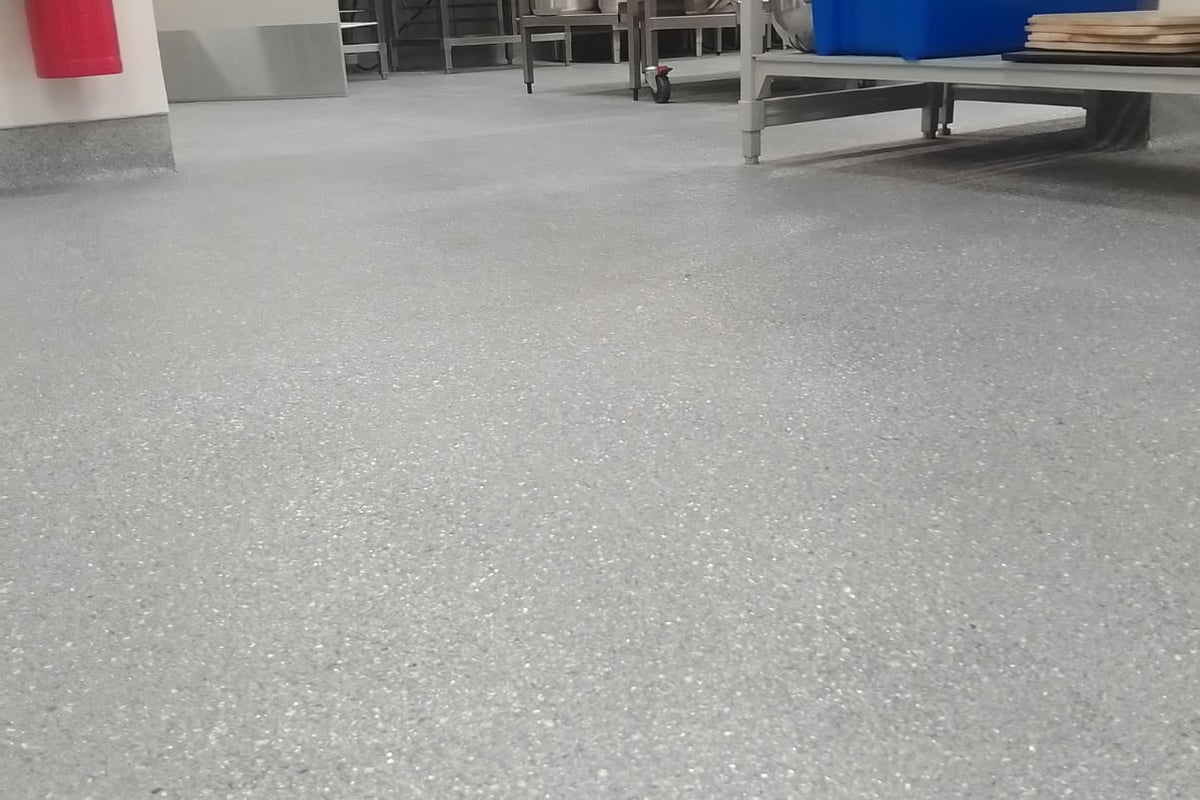
Licensed contractors holding appropriate qualifications provide essential assurance of proper installation and compliance with building codes. QBCC licensing in Queensland ensures contractors maintain insurance, demonstrate technical competence, and operate within regulatory frameworks protecting clients.
Professional installations include documented quality control procedures:
- Material batch testing and mixing verification
- Application thickness measurements
- Adhesion testing at specified intervals
- Surface finish quality assessment
- Comprehensive warranty documentation
Industry Trends and Future Developments
The commercial flooring industry continues evolving through technological advancement and changing market demands. Sustainability considerations increasingly influence material selection as businesses pursue environmental certifications and reduced operational footprints.
Sustainable Flooring Technologies
Polished concrete systems demonstrate excellent environmental credentials due to their utilization of existing concrete slabs without additional materials. This approach eliminates manufacturing impacts associated with vinyl, carpet, or tile products whilst delivering exceptional durability and performance.
The Resilient Floor Covering Institute provides resources on sustainable flooring options, though concrete-based solutions typically outperform resilient materials in commercial applications. Concrete systems avoid off-gassing concerns, require no replacement for decades, and contribute to LEED certification through various credits including materials reuse and regional materials.
Environmental advantages of concrete flooring include:
- Minimal material consumption beyond substrate treatment
- No manufacturing impacts for additional floor coverings
- Excellent thermal mass supporting passive climate control
- Elimination of periodic replacement and disposal
- Contribution to healthy indoor air quality
Smart Flooring Integration
Emerging technologies integrate sensors, heating elements, and conductive materials into flooring systems. These innovations enable real-time monitoring of floor conditions, embedded heating for comfort or de-icing, and even power transfer for automated vehicles and robotics.
Industrial facilities increasingly specify flooring with integrated features:
- Embedded sensors monitoring traffic patterns and maintenance needs
- Conductive systems providing ESD protection in electronics manufacturing
- Heated floors preventing condensation in cold storage transition zones
- Reflective coatings maximizing lighting efficiency and reducing energy consumption
The commercial flooring sector adapts these technologies as they mature and demonstrate reliable long-term performance in demanding environments.
Market Consolidation and Service Evolution
Industry consolidation continues as regional specialists merge with national providers. Recent acquisitions highlight this trend, though local expertise remains valuable for complex commercial installations requiring site-specific solutions and responsive service.
Despite market changes, successful projects still depend on experienced installers understanding substrate conditions, material properties, and application techniques. Our decades of concrete flooring expertise position us to navigate industry evolution whilst maintaining the quality standards commercial clients demand.
Specification Process and Project Planning
Effective flooring projects begin with thorough specification development incorporating all stakeholder requirements. Facility managers, operations personnel, maintenance teams, and financial decision-makers each bring perspectives that influence final material selection and installation approaches.
Collaborative Requirements Development
Stakeholder input should address:
- Operational requirements and traffic patterns
- Chemical exposure and cleaning protocols
- Aesthetic preferences and branding considerations
- Budget constraints and life-cycle cost expectations
- Timeline requirements and operational disruption tolerance
Warehouse flooring projects particularly benefit from operational input regarding forklift paths, loading zones, and areas requiring enhanced durability or specific performance characteristics.
Documentation and Performance Specifications
Performance-based specifications focus on required outcomes rather than prescribing specific products or methods. This approach allows contractors to propose optimal solutions whilst ensuring all systems meet minimum performance thresholds.
Key performance criteria include:
| Property | Measurement Standard | Typical Requirement |
|---|---|---|
| Compressive strength | AS 1012.9 | 40-80 MPa |
| Abrasion resistance | ASTM C779 | < 0.5g loss |
| Chemical resistance | ASTM D1308 | No visual change |
| Slip resistance | AS 4586 | R10-R13 rating |
| Adhesion strength | AS 1580.408.5 | > 1.5 MPa |
Detailed specifications eliminate ambiguity and ensure competitive bids compare equivalent systems and performance levels. Our flooring quote process incorporates these technical requirements, providing clients with comprehensive proposals addressing all project aspects.
Installation Scheduling and Operational Coordination
Commercial flooring installations require careful scheduling to minimize operational disruption. Phased installations allow facilities to maintain partial operations whilst work progresses through designated zones.
Scheduling considerations include:
- Curing time requirements before traffic resumption
- Ventilation needs during application and curing
- Temperature control for optimal material performance
- Equipment relocation and temporary protection
- Coordination with other trades and construction activities
Factory flooring installations often occur during planned shutdowns or follow production schedules permitting sectional closures. Proper planning ensures projects complete on schedule without compromising installation quality or operational requirements.
Selecting appropriate flooring solutions for commercial and industrial facilities demands careful evaluation of performance requirements, environmental conditions, and long-term cost implications. The right system delivers decades of reliable service whilst supporting operational efficiency and maintaining safety standards. Superior Concrete Finishes brings extensive experience specifying and installing concrete flooring solutions across South East Queensland's commercial sector, helping warehouses, factories, retail spaces, and industrial facilities achieve optimal flooring performance through expert application of epoxy and polished concrete systems.

Joshua Miller has over 15 years of experience in the commercial concrete flooring industry, specialising in epoxy flooring systems and polished concrete solutions for warehouses, factories, retail spaces and commercial developments. Joshua and his team work closely with builders, property owners and facility managers across South East Queensland to deliver durable, cost-effective commercial flooring systems for warehouses, industrial facilities, commercial kitchens, retail stores and large commercial developments.
Major builders and organisations Josh has led projects on include McNab, Hutchinson Builders, IKEA, Queensland Rail, University of Queensland, ADCO, Tomkins Commercial, Bunnings, OfficeWorks, Spotlight, and Anaconda.
If you're planning a project and need advice on the best commercial concrete flooring solution, contact Josh or one of the team at Superior Concrete Finishes.
-
 info@superiorconcretefinishes.com.au
-
1300 789 740
-
Connect with Josh on
LinkedIn


 Connect with Josh on