
Selecting the right flooring for commercial and industrial environments requires careful consideration of multiple factors that directly impact operational efficiency, safety, and long-term costs. High traffic commercial flooring must withstand constant movement of people, machinery, forklifts, and heavy equipment while maintaining its appearance and structural integrity. For facility managers and business owners across South East Queensland, understanding the performance characteristics of different flooring systems is essential to making informed decisions that protect their investment and support their operational requirements.
Understanding High Traffic Requirements
Commercial facilities experience varying levels of traffic intensity depending on their purpose and operations. Warehouses may endure constant forklift movement and heavy pallet loads, whilst retail stores face continuous foot traffic and trolley movement. Commercial flooring must be engineered to handle these specific demands without premature deterioration.
Defining Traffic Intensity Levels
Different commercial environments require different performance thresholds. Light traffic areas might include office corridors and meeting rooms, whilst moderate traffic encompasses retail showrooms and storage areas. Heavy traffic zones include distribution centres, manufacturing floors, and commercial kitchens where equipment, vehicles, and personnel create constant stress on the surface.
The classification of traffic intensity helps determine appropriate flooring specifications:
- Light traffic: Up to 500 people daily, minimal equipment use
- Moderate traffic: 500-2000 people daily, occasional equipment movement
- Heavy traffic: 2000+ people daily, continuous machinery operation
- Extreme traffic: Industrial facilities with 24/7 operations and heavy vehicle movement
Load-Bearing Considerations
High traffic commercial flooring must support not just the volume of traffic but the weight and impact of loads. Forklifts can exert point loads exceeding 5000 kilograms, whilst pallet jacks create different stress patterns. Understanding these load requirements is fundamental to selecting durable flooring systems that won't crack, chip, or delaminate under operational pressures.
| Equipment Type | Typical Load (kg) | Impact Pattern | Floor Stress Level |
|---|---|---|---|
| Pedestrian | 80-120 | Dispersed | Low |
| Pallet Jack | 1500-3000 | Linear | Moderate |
| Forklift | 3000-7000 | Point Load | High |
| Reach Truck | 5000-10000 | Concentrated | Very High |
Material Selection for Durability
Choosing appropriate materials for high traffic commercial flooring involves analysing durability characteristics, maintenance requirements, and performance expectations. Concrete-based systems offer distinct advantages for industrial and commercial applications where strength and longevity are paramount.
Epoxy systems provide exceptional resistance to chemical exposure, impact damage, and abrasion. When properly installed over prepared concrete substrates, epoxy flooring creates a seamless, non-porous surface that withstands the rigorous demands of warehouses, factories, and commercial kitchens. The chemical bonding process ensures the coating becomes an integral part of the concrete structure rather than simply sitting on top.

Polished Concrete Performance
Polished concrete represents another robust solution for high traffic environments. The mechanical grinding and polishing process densifies the concrete surface, creating a hard-wearing finish that improves with age. Retail stores and commercial offices benefit from the aesthetic appeal whilst gaining exceptional durability.
The polishing process involves multiple stages:
- Coarse grinding to remove surface imperfections
- Progressive refinement using finer grits
- Densification treatment to harden the surface
- Final polishing to achieve desired gloss level
- Optional protective sealer application
According to guidance on choosing flooring for high-traffic commercial areas, the initial surface preparation significantly impacts long-term performance. Proper substrate evaluation and preparation cannot be compromised, as any underlying issues will eventually manifest as surface failures.
Chemical and Abrasion Resistance
Commercial environments frequently involve exposure to oils, solvents, cleaning chemicals, and other substances that can degrade inferior flooring systems. High traffic commercial flooring must resist chemical attack whilst maintaining slip resistance and structural integrity. Industrial epoxy flooring excels in these challenging conditions, particularly in manufacturing facilities and commercial kitchens where chemical exposure is routine.
Abrasion resistance determines how well flooring withstands the grinding action of foot traffic, wheeled equipment, and material handling. Testing standards measure abrasion through standardised methods, with results indicating expected service life under specific conditions. Superior systems maintain their appearance and functionality even after years of constant use.
Installation Considerations for Longevity
Proper installation is absolutely critical for high traffic commercial flooring performance. Even premium materials will fail prematurely if installation procedures are inadequate or rushed. Professional installation teams must assess substrate conditions, environmental factors, and project-specific requirements before beginning work.
Substrate Preparation Standards
Concrete substrates require thorough preparation to ensure optimal adhesion and performance. Surface contaminants, laitance, and weak concrete must be removed through mechanical grinding or shot blasting. Moisture testing is essential, as excessive moisture vapour transmission will cause coating failures regardless of product quality.
The substrate must meet specific criteria:
- Surface profile: CSP 2-3 for epoxy systems
- Moisture content: Below 4% for most coatings
- Compressive strength: Minimum 25 MPa
- pH level: Between 7-10
- Temperature: Above 10°C during application
Environmental Control
Application conditions significantly influence coating performance and cure characteristics. Temperature, humidity, and ventilation must be controlled during installation to ensure proper chemical reactions and film formation. Projects in South East Queensland must account for seasonal variations and tropical conditions that can affect curing times and final properties.
Professional installers monitor conditions continuously and adjust application techniques accordingly. This attention to environmental factors prevents common issues like blushing, incomplete cure, and reduced adhesion that compromise long-term performance. Resources like maintaining floors in high-traffic areas emphasise the connection between proper installation and maintenance success.
Maintenance Strategies for Extended Lifespan
Even the most durable high traffic commercial flooring requires appropriate maintenance to achieve its expected service life. Developing and implementing comprehensive maintenance protocols protects the initial investment whilst ensuring consistent performance and appearance.
Daily and Weekly Maintenance
Routine cleaning removes abrasive particles and contaminants before they can damage the surface. Dust mopping or vacuuming should occur daily in high traffic zones, with damp mopping as needed to address spills and stains. The specific cleaning approach depends on the flooring type and environmental conditions.
Recommended cleaning schedule:
- Daily: Dust mopping, spot cleaning
- Weekly: Damp mopping with pH-neutral cleaners
- Monthly: Deep scrubbing of heavy traffic lanes
- Quarterly: Professional cleaning and inspection
- Annually: Maintenance coating or refinishing assessment
Preventative Measures
Implementing preventative strategies reduces wear and extends flooring lifespan significantly. Entrance matting systems capture dirt and moisture before they reach interior floors, whilst proper drainage prevents standing water accumulation. Equipment maintenance ensures wheels and casters remain clean and in good condition, minimising surface damage.
Traffic flow patterns create predictable wear zones that benefit from targeted protection. Installing additional protective coatings in these areas or scheduling more frequent maintenance prevents premature degradation. The insights from selecting the best commercial flooring highlight how proactive maintenance preserves both function and aesthetics.
Cost Analysis and ROI
Understanding the total cost of ownership for high traffic commercial flooring enables accurate budgeting and informed decision-making. Initial installation costs represent only one component of the financial equation, with maintenance expenses, downtime costs, and replacement cycles all contributing to long-term value.
| Flooring Type | Initial Cost | Annual Maintenance | Expected Lifespan | Total 15-Year Cost |
|---|---|---|---|---|
| Epoxy System | Medium | Low | 15-20 years | Lower |
| Polished Concrete | Medium-High | Very Low | 20+ years | Lowest |
| Vinyl Tile | Low | Medium | 10-15 years | Medium |
| Coated Concrete | Low-Medium | Medium-High | 7-10 years | Higher |
Calculating True Value
Return on investment extends beyond simple cost comparisons to include operational benefits. Polished concrete floors offer exceptional light reflectivity, potentially reducing lighting costs by 20-30% whilst creating safer working environments. Seamless surfaces eliminate grout lines and seams where bacteria and contaminants accumulate, particularly valuable in food processing and healthcare facilities.
Reduced maintenance requirements translate directly to lower labour costs and decreased operational disruption. Floors that require daily buffing or frequent recoating consume resources that could be deployed elsewhere. High-performance systems from experienced contractors minimise these ongoing expenses whilst maximising uptime.
Lifecycle Planning
Strategic planning for flooring replacement or refurbishment prevents unexpected capital expenditures and operational disruptions. Epoxy Flooring systems installed by qualified professionals can serve industrial facilities for 15-20 years when properly maintained, providing predictable performance and manageable costs throughout their service life. Establishing maintenance reserves and monitoring floor condition allows facility managers to schedule major work during planned shutdowns rather than responding to emergency failures.
Regular assessments identify developing issues before they require extensive repairs. Cracks, delamination, or excessive wear signal the need for intervention, with early action typically costing far less than waiting until complete replacement becomes necessary. Documentation of installation dates, maintenance activities, and condition assessments creates valuable data for future planning.
Safety and Regulatory Compliance
High traffic commercial flooring must meet stringent safety standards and regulatory requirements specific to each industry and application. Slip resistance, fire ratings, chemical resistance, and other performance criteria are mandated by Australian Standards and industry-specific regulations that govern workplace safety.
Slip Resistance Requirements
The slip resistance of flooring surfaces is measured using standardised testing that produces coefficients indicating traction under various conditions. Commercial kitchens, wet processing areas, and external walkways require higher slip resistance than dry storage facilities or office spaces. Achieving appropriate slip resistance without compromising cleanability or durability requires careful product selection and application techniques.
Testing methods include:
- Wet Pendulum Test (AS 4586)
- Dry Floor Friction Tester
- Oil-Wet Ramp Test for industrial environments
- Bare Foot Ramp Test for wet areas
Fire and Smoke Ratings
Building codes specify fire performance requirements for flooring materials based on building classification and occupancy type. High traffic commercial flooring in public areas may require specific fire hazard properties including flame spread index, smoke development index, and critical radiant flux ratings. Compliance documentation from manufacturers and installers provides necessary evidence for building approvals and insurance purposes.
The importance of maintaining commercial flooring extends to preserving safety characteristics throughout the floor's service life. Worn surfaces lose slip resistance, damaged coatings may release harmful compounds, and structural deterioration creates trip hazards that expose businesses to liability.
Industry-Specific Applications
Different commercial sectors impose unique demands on their flooring systems. Understanding these specific requirements ensures appropriate material selection and installation approaches that address industry challenges effectively.
Warehouse and Distribution
Warehouse facilities prioritise load-bearing capacity, impact resistance, and ease of maintenance. Constant forklift traffic creates point loads and potential impact damage, whilst high-bay lighting requires reflective surfaces for optimal illumination. Dust generation must be minimised to protect inventory and equipment, making sealed concrete systems preferable to bare slabs. Guidance from experts on high-traffic flooring confirms that warehouses benefit most from hard-wearing systems that resist abrasion and chemical exposure.
Manufacturing and Industrial
Factory floors endure extreme conditions including chemical spills, thermal stress, and heavy machinery vibration. Industrial epoxy floor coatings provide the chemical resistance and durability these environments demand, whilst allowing for customisation based on specific production processes. Colour coding and safety marking can be integrated during installation to enhance workplace organisation and safety compliance.
Retail and Commercial Spaces
Retail environments balance durability with aesthetics, requiring floors that maintain their appearance despite constant foot traffic and cleaning. Polished concrete offers contemporary styling with exceptional wear resistance, whilst decorative epoxy systems can incorporate branding elements and wayfinding features. The flooring becomes part of the customer experience whilst fulfilling functional requirements.
Environmental Considerations
Sustainable building practices increasingly influence flooring selection, with environmental impact assessed throughout the material lifecycle from manufacturing through disposal. High traffic commercial flooring decisions now incorporate considerations beyond immediate performance to include broader environmental implications.
Embodied Energy and Emissions
Concrete-based systems typically demonstrate lower embodied energy compared to manufactured flooring products requiring extensive processing and transportation. Polishing existing concrete slabs eliminates the need for additional materials whilst improving performance, representing an environmentally efficient approach. Epoxy systems, whilst requiring chemical components, offer exceptional longevity that reduces replacement frequency and associated environmental impacts.
Indoor Air Quality
VOC emissions from flooring materials and adhesives affect indoor air quality and occupant health. Low-VOC and solvent-free formulations have become standard in high-quality commercial installations, meeting stringent requirements for occupied spaces. Professional installers understand the importance of proper ventilation during application and curing to minimise exposure whilst ensuring optimal coating performance. Resources discussing flooring maintenance in high-traffic areas note that proper installation prevents ongoing emissions from trapped moisture or incomplete curing.
Waste Reduction
Durable flooring systems that provide decades of service reduce waste generation compared to products requiring frequent replacement. When eventual replacement becomes necessary, concrete-based systems can often be ground down and recoated rather than completely removed, minimising landfill waste and disruption. The circular economy principles increasingly applied to building materials favour these sustainable approaches.
Choosing Qualified Contractors
The quality of installation directly determines high traffic commercial flooring performance, making contractor selection a critical decision. Experienced professionals bring technical knowledge, appropriate equipment, and proven processes that ensure projects meet specifications and performance expectations.
Credentials and Experience
Licensed contractors hold necessary qualifications including QBCC registration in Queensland, demonstrating compliance with building industry standards and regulations. Insurance coverage protects clients from liability whilst confirming the contractor's professional status. Decades of industry experience translates to refined techniques, problem-solving capabilities, and understanding of material behaviour under various conditions.
Verification should include:
- Current QBCC licence: Confirms legal operation
- Insurance certificates: Public liability and workers compensation
- Industry memberships: Professional associations and manufacturer certifications
- Project portfolio: Completed projects in similar applications
- Reference contacts: Previous clients in comparable industries
Technical Capabilities
Modern flooring systems require specialised equipment and technical expertise that distinguish professional contractors from general trades. Concrete surface preparation demands industrial grinding equipment, whilst epoxy installation requires precision mixing and application tools. Knowledge of substrate moisture testing, environmental monitoring, and quality control procedures ensures consistent results that meet specifications. The comprehensive perspective offered by high-traffic flooring handbooks emphasises that technical proficiency directly correlates with long-term satisfaction.
Project Management
Large commercial installations require careful coordination of scheduling, material delivery, workforce deployment, and site logistics. Professional contractors manage these complexities whilst minimising disruption to ongoing operations. Clear communication, detailed documentation, and proactive problem-solving characterise successful projects that complete on time and within budget.
Future-Proofing Commercial Spaces
Strategic flooring decisions account not only for current requirements but also for anticipated changes in operations, regulations, and technology. Future-proofing high traffic commercial flooring protects investments whilst providing flexibility for evolving business needs.
Adaptability and Modification
Flooring systems that accommodate future modifications offer significant advantages. Additional coatings can refresh appearance or add functionality, whilst integrated line marking can be updated as layouts change. Modular approaches allow section replacement without complete floor renewal, reducing costs and disruption when modifications become necessary.
Technology Integration
Emerging technologies including RFID tracking, automated guided vehicles, and smart building systems may influence flooring requirements. Conductive or dissipative properties might become necessary for electronic equipment protection, whilst reflective surfaces support advanced lighting controls. Selecting systems compatible with foreseeable technological developments prevents premature obsolescence.
Performance Monitoring
Advanced facilities implement flooring performance monitoring that tracks wear patterns, maintenance costs, and condition assessments. This data informs future decisions whilst identifying opportunities for process improvements. Digital documentation of installation specifications, maintenance activities, and inspection results creates valuable assets for facility management and capital planning.
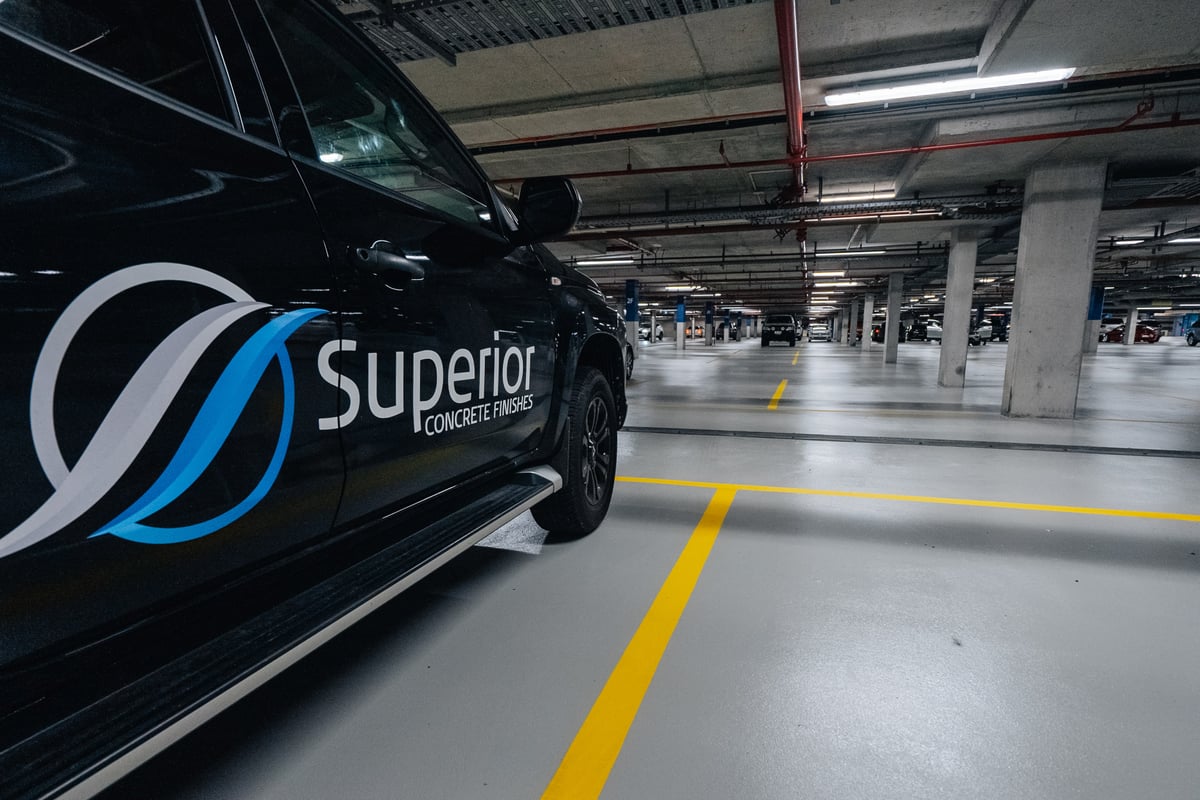
Selecting and maintaining high traffic commercial flooring requires balancing immediate needs with long-term performance, safety, and cost considerations. The right system installed by qualified professionals delivers decades of reliable service whilst supporting operational efficiency and safety compliance. Superior Concrete Finishes brings decades of specialised experience in epoxy flooring and polished concrete to commercial and industrial clients throughout South East Queensland, delivering proven solutions for warehouses, factories, retail stores, and other demanding environments.

Joshua Miller has over 15 years of experience in the commercial concrete flooring industry, specialising in epoxy flooring systems and polished concrete solutions for warehouses, factories, retail spaces and commercial developments. Joshua and his team work closely with builders, property owners and facility managers across South East Queensland to deliver durable, cost-effective commercial flooring systems for warehouses, industrial facilities, commercial kitchens, retail stores and large commercial developments.
Major builders and organisations Josh has led projects on include McNab, Hutchinson Builders, IKEA, Queensland Rail, University of Queensland, ADCO, Tomkins Commercial, Bunnings, OfficeWorks, Spotlight, and Anaconda.
If you're planning a project and need advice on the best commercial concrete flooring solution, contact Josh or one of the team at Superior Concrete Finishes.
-
 info@superiorconcretefinishes.com.au
-
1300 789 740
-
Connect with Josh on
LinkedIn


 Connect with Josh on