
Commercial and industrial facilities face relentless demands on their flooring systems. Forklifts traverse the same pathways thousands of times daily, heavy machinery creates point loads that would destroy conventional surfaces, and chemical spills threaten to compromise floor integrity. In these environments, high traffic epoxy floor coating emerges as the engineered solution that transforms vulnerable concrete into resilient infrastructure. This comprehensive guide examines the technical specifications, application methodologies, and performance characteristics that make these coatings indispensable for warehouses, factories, commercial car parks, and industrial workshops across South East Queensland and beyond.
Understanding High Traffic Epoxy Floor Coating Systems
High traffic epoxy floor coating represents a specialized category of industrial flooring designed to withstand extreme operational demands. Unlike decorative coatings for residential applications, these systems incorporate advanced resin formulations, higher solids content, and engineered additives that deliver measurable performance under stress.
Chemical Composition and Performance Standards
The foundation of any high traffic epoxy floor coating lies in its chemical structure. Professional-grade systems typically feature:
- 100% solids epoxy formulations that eliminate volatile organic compounds and maximize film thickness
- High molecular weight resins engineered for superior mechanical properties
- Specialized hardener systems that create dense cross-linked polymer networks
- Aggregate additives to enhance slip resistance and impact absorption
Understanding epoxy coating systems requires examining how resin and hardener chemistries interact at the molecular level, creating bonds that exceed the tensile strength of the concrete substrate itself.
The performance metrics for commercial-grade high traffic epoxy floor coating differ substantially from standard products:
| Performance Metric | Standard Epoxy | High Traffic Epoxy |
|---|---|---|
| Compressive Strength | 5,000-7,000 psi | 10,000-15,000 psi |
| Abrasion Resistance (Taber) | 25-35 mg loss | 8-15 mg loss |
| Film Thickness | 5-10 mils | 20-80 mils |
| Chemical Resistance | Moderate | Excellent (98% acids) |
| Traffic Load Rating | Light-Medium | Heavy-Severe |
Traffic Classification and Coating Selection
Selecting the appropriate high traffic epoxy floor coating begins with accurate traffic classification. Industrial flooring selection depends on understanding the specific loads, frequencies, and operational patterns within your facility.
Light-Heavy Traffic Zones:
Retail showrooms, offices with equipment, light manufacturing areas where pedestrian traffic dominates with occasional wheeled cart movement.
Heavy Traffic Zones:
Distribution centres, warehouse flooring applications, manufacturing facilities with constant forklift operation and pallet movement.
Severe Traffic Zones:
Automotive manufacturing, heavy machinery production, factory flooring subjected to extreme point loads and thermal cycling.
Technical Specifications for Commercial Applications

Specifying a high traffic epoxy floor coating system requires detailed analysis of environmental conditions, operational requirements, and long-term performance expectations. The specification process determines every aspect of the installation, from surface preparation depth to final topcoat selection.
Substrate Preparation Requirements
The performance of any high traffic epoxy floor coating is fundamentally limited by substrate preparation quality. Commercial installations demand:
- Mechanical profiling through diamond grinding or shot blasting to achieve CSP-3 to CSP-5 surface profile
- Moisture testing using calcium chloride or in-situ probes to verify <3 lbs/1000 sq ft/24 hours
- Contamination removal including oils, curing compounds, and laitance that prevent adhesion
- Crack repair and joint filling to create a monolithic substrate foundation
- pH testing to ensure concrete alkalinity falls within manufacturer specifications
Professional contractors understand that substrate preparation typically consumes 60-70% of project time but determines 90% of coating longevity. This investment in preparation separates successful installations from premature failures.
System Build-Up and Layer Functions
A complete high traffic epoxy floor coating system comprises multiple functional layers:
Primer Coat (2-4 mils):
Low-viscosity epoxy that penetrates concrete pores, seals the substrate, and creates mechanical adhesion through capillary action. Primers also block moisture transmission and stabilise weak concrete.
Body Coats (20-60 mils):
High-build epoxy flooring formulations that provide the bulk of impact resistance, chemical protection, and structural reinforcement. Multiple body coats may be specified for extreme environments.
Broadcast Aggregate Layer (Optional):
Angular silica or aluminium oxide aggregate broadcast into wet epoxy creates slip resistance and additional abrasion protection. Aggregate size ranges from 16-grit for maximum texture to 60-grit for moderate slip resistance.
Topcoat (3-5 mils):
Clear aliphatic urethane or epoxy topcoat that seals the system, provides UV resistance, and creates the final aesthetic appearance while protecting underlying layers from chemical attack.
Application Methodology and Quality Control
Professional installation of high traffic epoxy floor coating demands rigorous process control and environmental management. Superior Concrete Finishes maintains quality standards through systematic application protocols developed over decades of commercial flooring experience.
Environmental Parameters
Epoxy chemistry is temperature and humidity sensitive. Successful installations require:
- Ambient temperature: 15-30°C throughout application and cure cycle
- Substrate temperature: Minimum 3°C above dew point to prevent moisture condensation
- Relative humidity: Below 85% to ensure proper cure and adhesion
- Ventilation: Adequate air movement without creating surface contamination
Advanced applicators use infrared thermometers, hygrometers, and dew point calculators to verify conditions before commencing work. When environmental parameters fall outside specifications, experienced contractors delay application rather than compromise performance.
Mixing and Application Techniques
The transformation of two-component materials into high traffic epoxy floor coating requires precision:
- Material conditioning to bring resin and hardener to optimal temperature (21-27°C)
- Mechanical mixing using high-torque drills at specified RPM for recommended duration
- Pot life management to complete application before catalytic reaction advances beyond workable viscosity
- Film thickness control using notched squeegees and calibrated application rates
- Wet-edge maintenance to prevent visible lap marks and ensure uniform appearance
Professional crews working on commercial flooring projects coordinate timing and team movements to maintain wet edges across large areas, creating seamless installations that perform uniformly under traffic loads.
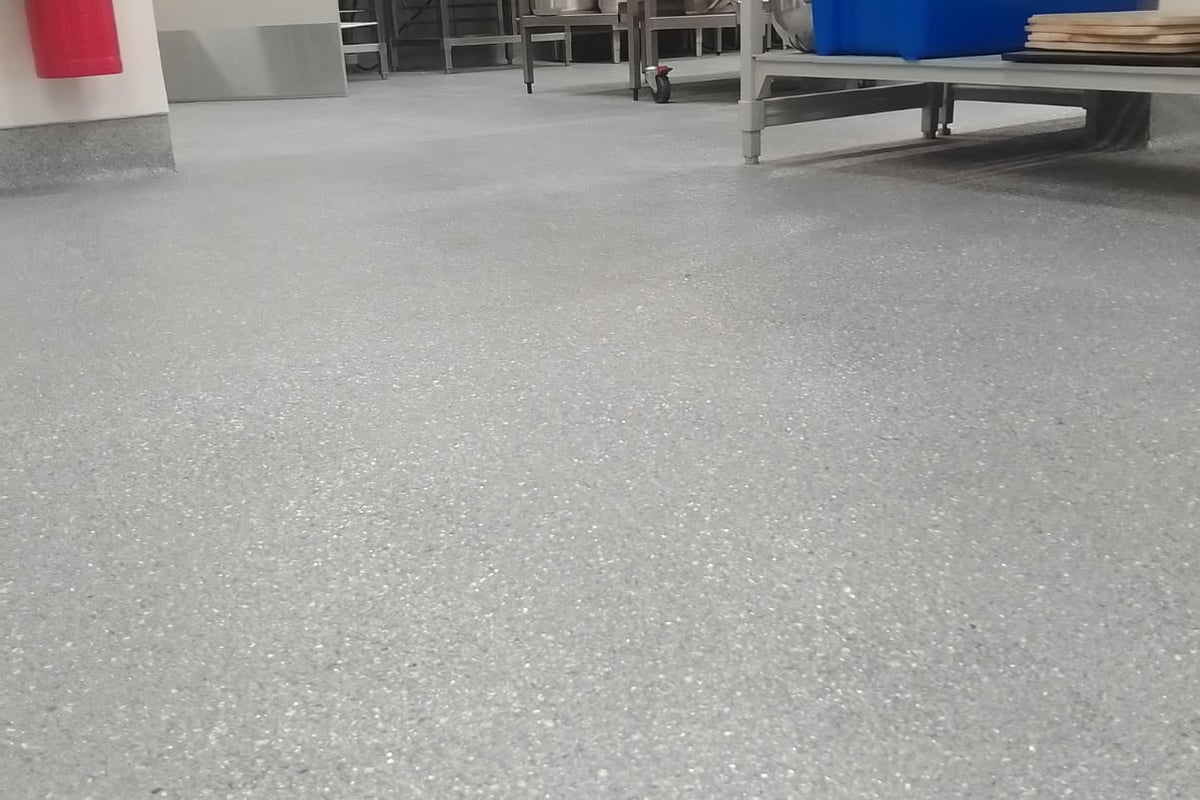
For facilities requiring specialized solutions, Epoxy Flooring systems deliver the engineered performance that warehouses, factories, and industrial workshops demand. These professionally installed systems transform concrete substrates into durable, chemical-resistant surfaces capable of withstanding decades of heavy use.
Performance Characteristics Under Real-World Conditions
The true measure of high traffic epoxy floor coating effectiveness emerges through years of operational service. Understanding long-term performance characteristics enables informed specification decisions.
Abrasion and Impact Resistance
Durable floor coatings for commercial areas must resist both gradual abrasion from continuous traffic and sudden impacts from dropped objects or equipment collisions.
Abrasion Testing:
Taber abraser testing quantifies wear resistance by measuring material loss after standardized cycles. High traffic epoxy floor coating formulations typically lose less than 15 mg per 1,000 cycles, compared to 30-50 mg for standard coatings. This translates to service life extension of 300-500% in heavy-traffic zones.
Impact Resistance:
Falling tools, dropped pallets, and equipment collisions create localized stress concentrations. Premium systems incorporate impact modifiers that absorb energy through controlled flexure rather than brittle fracture, maintaining floor integrity even after severe impacts.
Chemical Resistance and Cleanability

Commercial and industrial facilities expose flooring to diverse chemical challenges. High traffic epoxy floor coating systems provide broad-spectrum resistance:
| Chemical Category | Concentration | Resistance Rating |
|---|---|---|
| Mineral Acids | 10-30% | Excellent |
| Caustic Solutions | 25-50% | Excellent |
| Petroleum Products | 100% | Excellent |
| Solvents (MEK, Acetone) | 100% | Good-Excellent |
| Hydraulic Fluids | 100% | Excellent |
The chemical resistance of high traffic epoxy floor coating stems from the dense cross-linked polymer network that prevents chemical penetration. This same density creates a non-porous surface that resists bacterial growth and facilitates thorough cleaning, critical for food processing facilities and commercial kitchens.
Thermal Performance and UV Stability
Temperature cycling challenges floor coating integrity through differential expansion and contraction. High traffic epoxy floor coating systems withstand:
- Thermal shock from freezer doors opening into ambient areas
- Continuous elevated temperatures up to 60°C in manufacturing processes
- Thermal cycling through day-night temperature variations
- Point heating from welding operations or hot material contact
Standard epoxy formulations yellow and chalk under UV exposure, limiting their use in outdoor or naturally lit spaces. For car park flooring applications with UV exposure, aliphatic urethane topcoats provide colour stability and gloss retention over extended service periods.
Economic Analysis and Lifecycle Costing
Investment decisions for high traffic epoxy floor coating should consider total lifecycle costs rather than initial installation expense alone. This analysis reveals the economic advantage of premium systems.
Initial Installation Investment
The cost structure for high traffic epoxy floor coating installation includes:
- Material costs: AU$15-45 per square metre depending on system thickness and performance grade
- Surface preparation: AU$8-25 per square metre based on concrete condition and profile requirements
- Labour and equipment: AU$12-30 per square metre for professional installation
- Project management: AU$3-8 per square metre for coordination and quality control
Total installation costs typically range from AU$40-110 per square metre for complete high traffic epoxy floor coating systems. This compares favourably to alternative flooring solutions when lifecycle performance is considered.
Operational Cost Reduction
High traffic epoxy floor coating delivers measurable operational savings:
Maintenance Cost Reduction:
Sealed, non-porous surfaces reduce cleaning time by 40-60% compared to bare concrete. Chemical resistance eliminates staining that requires aggressive cleaning or remediation.
Safety Improvements:
Slip-resistant finishes reduce workplace incidents. Level, trip-hazard-free surfaces prevent forklift damage and product loss.
Equipment Preservation:
Smooth, dust-free floors reduce wear on material handling equipment wheels and bearings, extending equipment service life.
Energy Efficiency:
Light-reflective surfaces improve illumination efficiency, reducing lighting energy consumption by 20-30% in warehouses and industrial workshops.
Return on Investment Calculations
Conservative ROI analysis for high traffic epoxy floor coating in a 5,000 square metre warehouse:
| Cost/Benefit Category | Annual Value |
|---|---|
| Initial Investment (amortized 15 years) | -$22,000 |
| Maintenance Savings | +$8,500 |
| Safety Incident Reduction | +$4,200 |
| Equipment Life Extension | +$3,800 |
| Energy Savings | +$2,100 |
| Net Annual Benefit | -$3,400 |
| Payback Period | 4.2 years |
The industrial floor coating market analysis confirms these economic fundamentals, projecting continued growth driven by total cost of ownership advantages over alternative flooring solutions.
Specification Considerations for Different Industries
Different commercial and industrial sectors impose unique demands on high traffic epoxy floor coating systems. Tailoring specifications to industry-specific requirements optimises performance and compliance.
Manufacturing and Heavy Industrial
Manufacturing facilities subject floors to the most severe conditions. Selecting appropriate systems for high-traffic commercial environments requires understanding specific operational stresses.
Key Requirements:
- Film thickness: 40-80 mils for maximum impact and abrasion resistance
- Chemical formulation: 100% solids epoxy with urethane topcoat
- Surface profile: Broadcast aggregate for traction under oil contamination
- Special features: Conductive or static-dissipative properties for electronics manufacturing
Warehousing and Distribution
Distribution centres prioritize durability under constant forklift traffic and pallet movement. The high traffic epoxy floor coating specification emphasizes:
- High-build systems (30-50 mils) balancing performance and cost
- Rapid return-to-service formulations minimizing operational disruption
- Reflectivity optimization for improved visibility and safety
- Joint detailing to accommodate building movement without coating failure
Automotive and Transportation
Vehicle maintenance facilities require high traffic epoxy floor coating that resists petroleum products, brake fluids, and battery acids while supporting heavy equipment loads:
- Enhanced chemical resistance through specialized hardener selection
- Impact-modified formulations for tool drop resistance
- Slip-resistant finishes maintaining traction in wet conditions
- Colour-coded zones for workflow organization and safety demarcation
High-quality construction materials, including specialty aggregates and surface preparation equipment, are available through suppliers like FT Building and Construction Suppliers, supporting professional installation standards.
Commercial Car Parks
Multi-level car parks expose high traffic epoxy floor coating to unique challenges including UV exposure, de-icing salts, and constant vehicular traffic. System specifications must address:
- UV-stable topcoats preventing yellowing and degradation
- Flexible formulations accommodating structural movement
- Waterproofing properties protecting structural concrete
- Tire-mark resistance maintaining aesthetic appearance
Quality Assurance and Performance Testing
Professional installation of high traffic epoxy floor coating includes comprehensive quality assurance protocols ensuring specification compliance and long-term performance.
Field Testing Procedures
Adhesion Testing:
Pull-off adhesion testing using calibrated dollies and hydraulic pull testers verifies bond strength exceeds 350 psi, the minimum threshold for successful high traffic epoxy floor coating performance.
Thickness Verification:
Wet film thickness gauges during application and dry film thickness measurements after cure confirm specified build-up has been achieved across the entire floor area.
Surface Profile Documentation:
Replica putty or digital microscopy documents surface preparation adequacy before coating application, creating permanent records of substrate condition.
Warranty and Performance Guarantees
Reputable contractors provide comprehensive warranties covering:
- Material defects: Manufacturer warranties typically 10-15 years
- Installation workmanship: Contractor warranties 5-10 years for commercial applications
- Performance standards: Specific guarantees regarding abrasion resistance, chemical resistance, and adhesion
Understanding warranty terms and exclusions prevents disputes and ensures appropriate system selection for anticipated service conditions. The high-build epoxy coating market continues evolving with enhanced formulations offering extended warranty periods.
Maintenance Protocols for Extended Service Life
Even the most robust high traffic epoxy floor coating requires systematic maintenance to achieve maximum service life and preserve performance characteristics.
Daily and Weekly Maintenance
Routine maintenance preserves the investment in high traffic epoxy floor coating:
- Dust mopping or autoscrubbing removes abrasive particles that accelerate wear
- Spill response within 30 minutes prevents chemical penetration and staining
- Traffic pattern monitoring identifies high-wear zones requiring additional protection
- Visual inspection detects early signs of coating failure enabling proactive repair
Periodic Deep Cleaning
Quarterly or semi-annual deep cleaning removes accumulated contamination:
- Pre-sweep to remove loose debris
- Scrubbing with pH-neutral detergents and mechanical agitation
- Rinsing with clean water to remove cleaning residues
- Optional buffing to restore surface gloss and appearance
Repair and Recoating Strategies
Strategic recoating extends the service life of high traffic epoxy floor coating indefinitely:
Spot Repairs:
Localized damage receives mechanical preparation and coating replacement, feathering edges to blend with surrounding floor.
Topcoat Renewal:
After 5-8 years, topcoat renewal restores chemical resistance and appearance without complete system replacement, delivering cost-effective performance extension.
Full Recoating:
When substrate conditions permit, complete recoating over existing systems provides essentially new floor performance at 40-60% of initial installation cost.
Environmental and Sustainability Considerations
Modern high traffic epoxy floor coating systems increasingly address environmental performance alongside functional requirements, supporting corporate sustainability goals.
Low-VOC and Zero-VOC Formulations
Solvent-based epoxy systems release volatile organic compounds during application and cure. Contemporary high traffic epoxy floor coating alternatives include:
- 100% solids systems containing zero VOCs
- Water-based epoxies with VOC content below 50 g/L
- Low-odour formulations improving worker comfort and enabling occupied-space installation
These environmentally responsible products maintain the performance characteristics essential for commercial applications while reducing environmental impact.
Energy and Resource Efficiency
High traffic epoxy floor coating contributes to facility sustainability through:
Reduced Lighting Energy:
Light-reflective surfaces increase effective illumination by 20-40%, reducing electric lighting requirements and associated HVAC loads.
Extended Service Life:
Durable systems lasting 15-25 years reduce material consumption and waste generation compared to alternative flooring requiring replacement every 5-10 years.
Local Air Quality:
Dust suppression and easy cleaning reduce particulate contamination, improving indoor air quality for building occupants.
Advanced Coating Technologies and Future Developments
The high traffic epoxy floor coating industry continues evolving, with emerging technologies addressing performance gaps and expanding application possibilities.
Hybrid Coating Systems
Next-generation formulations combine multiple polymer technologies:
- Epoxy-polyurethane hybrids offering epoxy adhesion with urethane flexibility
- Epoxy-polyaspartic systems enabling rapid cure with extended working time
- Moisture-tolerant formulations allowing installation on substrates up to 90% relative humidity
These hybrid high traffic epoxy floor coating systems expand installation windows and performance envelopes, addressing previously challenging conditions.
Smart Coating Integration
Emerging applications incorporate functional capabilities beyond traditional protection:
Conductive Systems:
Carbon or metallic additives create electrically conductive high traffic epoxy floor coating preventing static accumulation in electronics manufacturing and explosive atmospheres.
Antimicrobial Coatings:
Silver ion or copper additives inhibit bacterial growth on floor surfaces, critical for food processing and healthcare-adjacent facilities.
Sensor Integration:
Embedding RFID tags or wear sensors during coating application enables predictive maintenance and asset tracking through floor infrastructure.
Selecting and installing the right high traffic epoxy floor coating system transforms commercial and industrial facilities, delivering measurable performance improvements and operational cost reductions. The technical considerations, application methodologies, and maintenance protocols outlined above provide the foundation for successful flooring projects that serve facilities for decades. At Superior Concrete Finishes, our team brings decades of specialized experience to every commercial flooring project across South East Queensland, from warehouses and factories to retail spaces and car parks. Contact Superior Concrete Finishes today to discuss how our QBCC-licensed professionals can engineer the optimal high traffic epoxy floor coating solution for your facility's unique operational demands.

Joshua Miller has over 15 years of experience in the commercial concrete flooring industry, specialising in epoxy flooring systems and polished concrete solutions for warehouses, factories, retail spaces and commercial developments. Joshua and his team work closely with builders, property owners and facility managers across South East Queensland to deliver durable, cost-effective commercial flooring systems for warehouses, industrial facilities, commercial kitchens, retail stores and large commercial developments.
Major builders and organisations Josh has led projects on include McNab, Hutchinson Builders, IKEA, Queensland Rail, University of Queensland, ADCO, Tomkins Commercial, Bunnings, OfficeWorks, Spotlight, and Anaconda.
If you're planning a project and need advice on the best commercial concrete flooring solution, contact Josh or one of the team at Superior Concrete Finishes.
-
 info@superiorconcretefinishes.com.au
-
1300 789 740
-
Connect with Josh on
LinkedIn


 Connect with Josh on