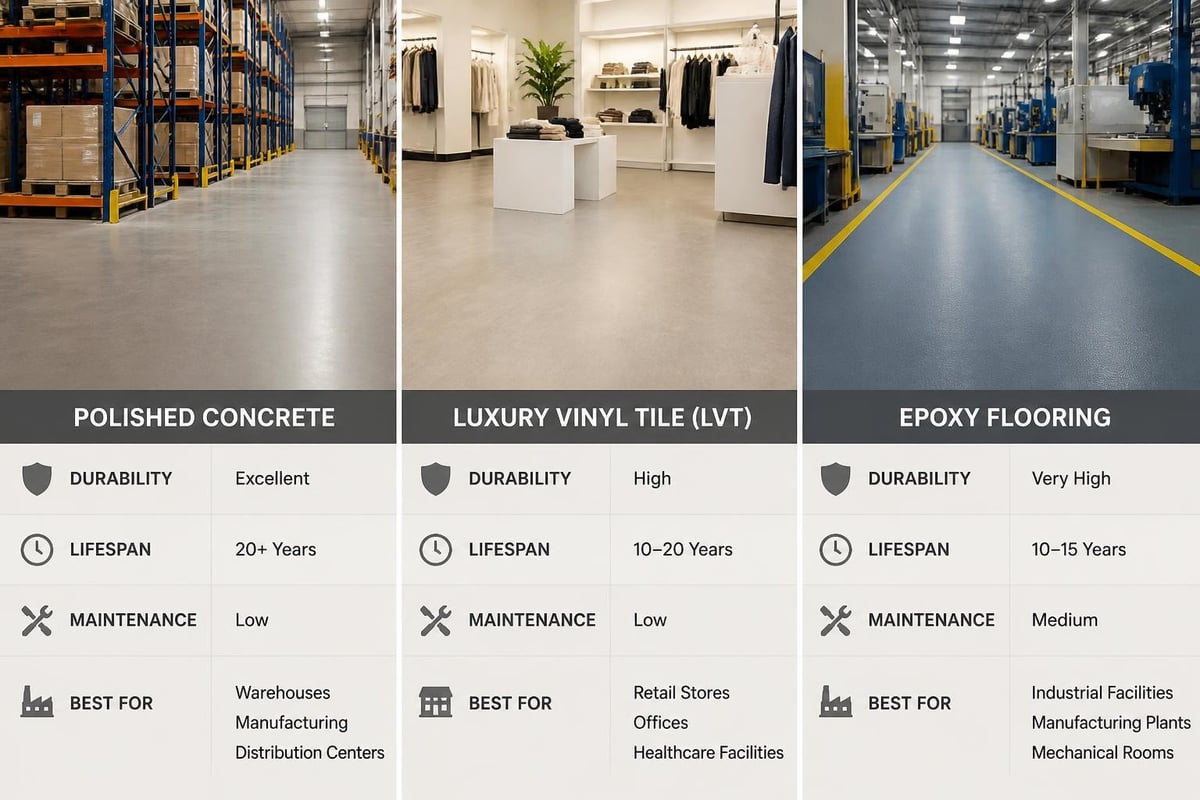
Selecting the right high traffic flooring for commercial and industrial environments requires careful consideration of multiple factors including durability, maintenance requirements, safety standards, and long-term cost effectiveness. In South East Queensland's demanding commercial environments, where warehouses, retail stores, and industrial facilities operate around the clock, the flooring choice becomes a critical investment that directly impacts operational efficiency and safety. Understanding which materials can withstand constant foot traffic, heavy equipment, and harsh conditions while maintaining their appearance and functionality is essential for business owners and facility managers.
Understanding High Traffic Flooring Requirements
High traffic flooring must meet stringent performance criteria that go far beyond aesthetic appeal. Commercial environments present unique challenges that residential flooring simply cannot handle.
The primary consideration for any high traffic flooring installation involves load-bearing capacity. Warehouses and industrial facilities regularly experience forklift traffic, pallet jacks, and heavy machinery movement. The flooring must support these loads without cracking, chipping, or deteriorating over time.
Critical Performance Factors
When evaluating flooring options for commercial spaces, several key performance indicators determine long-term success:
- Abrasion resistance: The ability to withstand constant wear from foot traffic and equipment
- Impact resistance: Capacity to absorb dropped tools, materials, or equipment without damage
- Chemical resistance: Protection against spills, cleaning agents, and industrial substances
- Moisture resistance: Prevention of water damage in areas prone to spills or cleaning
- Slip resistance: Safety compliance for both dry and wet conditions
- Maintenance efficiency: Ease of cleaning and minimal upkeep requirements
Different commercial environments place varying demands on flooring systems. A retail store in a shopping centre faces different challenges than a manufacturing facility or commercial kitchen. Choosing the right flooring for specific applications requires understanding these distinct operational requirements.
| Environment Type | Primary Challenge | Critical Requirement |
|---|---|---|
| Warehouses | Heavy equipment traffic | Impact and abrasion resistance |
| Retail Stores | Constant foot traffic | Aesthetic appeal and durability |
| Commercial Kitchens | Spills and moisture | Chemical and slip resistance |
| Industrial Workshops | Chemical exposure | Chemical resistance and easy cleaning |
Concrete-Based High Traffic Flooring Solutions
Concrete serves as the foundation for the most durable commercial flooring systems available in 2026. Unlike traditional flooring materials that sit atop the concrete substrate, modern concrete-based solutions integrate directly with the existing slab, creating a monolithic surface with superior performance characteristics.
Epoxy Flooring Systems
Epoxy flooring represents the gold standard for industrial and commercial high traffic flooring applications. This system combines resin and hardener to create an incredibly durable surface that bonds chemically with the concrete substrate.
The performance advantages of epoxy systems include exceptional resistance to chemical spills, outstanding impact resistance, and remarkable longevity under severe conditions. Warehouses and factories benefit from the seamless surface that eliminates joints and crevices where dirt and bacteria accumulate.
Installation involves multiple preparation stages including concrete grinding, crack repair, and moisture testing. The application process requires professional expertise to ensure proper adhesion and curing, particularly in South East Queensland's humid climate.

Our team at Superior Concrete Finishes specialises in commercial flooring installations that meet the demanding requirements of industrial environments. With decades of combined industry experience and full QBCC licensing, we deliver epoxy systems engineered for maximum durability and performance.

Polished Concrete Applications
Polished concrete offers an alternative approach to high traffic flooring that emphasises the natural beauty of concrete while enhancing its performance characteristics. The process involves progressive grinding and polishing stages that densify the concrete surface, creating a glass-like finish with exceptional durability.
This option proves particularly effective in retail environments where aesthetic appeal matters alongside functionality. The reflective surface enhances lighting efficiency, reducing energy costs whilst creating an upscale appearance that attracts customers.
Evaluating Alternative Flooring Materials
Whilst concrete-based systems dominate industrial applications, certain commercial environments may consider alternative materials. Understanding their limitations helps inform better decision-making.
Vinyl and Laminate Options
Vinyl flooring has evolved significantly, with luxury vinyl tile (LVT) offering improved durability compared to traditional sheet vinyl. However, these materials face limitations in true industrial settings. Consumer Reports evaluates various flooring materials and highlights the performance gaps between residential-grade and commercial-grade products.
Advantages of vinyl systems:
- Lower initial installation costs
- Comfortable underfoot
- Wide variety of aesthetic options
- Reasonable performance in light commercial use
Disadvantages for heavy commercial use:
- Limited chemical resistance
- Vulnerability to heavy equipment damage
- Shorter lifespan under severe conditions
- Potential for delamination with moisture exposure
Ceramic and Porcelain Tile
Tile systems offer excellent durability and aesthetic flexibility for certain commercial applications. Retail stores, commercial lobbies, and amenity areas often benefit from high-quality tile installations.
However, the grout lines inherent in tile systems create maintenance challenges. These joints collect dirt, can harbour bacteria in food service areas, and may crack under heavy point loads. For warehouse flooring applications, seamless systems typically prove more practical.
Maintenance Considerations for High Traffic Flooring
The long-term performance of any high traffic flooring system depends heavily on proper maintenance protocols. Even the most durable materials deteriorate prematurely without appropriate care.
Daily and Routine Maintenance
Establishing consistent cleaning schedules prevents the accumulation of debris that accelerates wear. Different flooring types require specific cleaning approaches:
- Sweep or dust mop daily to remove abrasive particles
- Clean spills immediately to prevent staining or chemical damage
- Use appropriate cleaning solutions designed for specific flooring types
- Schedule periodic deep cleaning based on traffic levels
- Inspect regularly for damage requiring repair
Concrete-based systems like epoxy and polished concrete require minimal maintenance compared to alternatives. A simple cleaning protocol using pH-neutral cleaners maintains appearance and performance for decades.
Long-Term Care Strategies
Beyond daily cleaning, strategic maintenance extends flooring lifespan significantly:
| Maintenance Task | Frequency | Purpose |
|---|---|---|
| Re-sealing (if applicable) | 2-5 years | Maintain chemical resistance |
| Surface re-polishing | 5-10 years | Restore appearance |
| Joint inspection and repair | Annually | Prevent crack propagation |
| Slip resistance testing | Annually | Ensure safety compliance |
For mechanical workshop flooring and similar environments with heavy equipment traffic, implementing floor protection mats in high-impact zones provides additional safeguarding.
Safety and Compliance Standards
High traffic flooring installations must comply with Australian safety standards and workplace health requirements. These regulations exist to protect workers and visitors in commercial environments.
Slip Resistance Requirements
The slip resistance of flooring surfaces is measured using the wet pendulum test, with results expressed as a British Pendulum Number (BPN) or Coefficient of Friction (COF). Commercial environments require minimum ratings based on expected conditions:
- Dry areas (offices, retail): Minimum P4 classification
- Wet areas (kitchens, amenity blocks): Minimum P5 classification
- External areas and ramps: Higher standards may apply
Properly specified and installed high traffic flooring systems incorporate appropriate slip resistance through surface texture, aggregate exposure, or specialised coatings. This proves particularly critical for commercial kitchen applications where moisture and food debris create hazardous conditions.
Chemical Resistance and Environmental Safety
Industrial facilities handling chemicals, oils, or hazardous materials require flooring with proven resistance to specific substances. The flooring specification should address:
- Types of chemicals potentially contacting the surface
- Concentration levels and exposure duration
- Temperature ranges during normal operations
- Cleaning agents and methods used for maintenance
Factory flooring installations often require customised formulations to address unique chemical exposure profiles.
Cost Analysis and Return on Investment
The financial considerations surrounding high traffic flooring extend well beyond initial installation costs. A comprehensive analysis includes lifespan expectations, maintenance requirements, and operational impacts.
Initial Investment Comparison
Different flooring types present varying upfront costs per square metre:
| Flooring Type | Installation Cost Range | Expected Lifespan |
|---|---|---|
| Basic epoxy | $40-$80/m² | 15-20 years |
| High-performance epoxy | $80-$150/m² | 20-30 years |
| Polished concrete | $60-$120/m² | 20-30+ years |
| Commercial vinyl | $30-$70/m² | 10-15 years |
| Ceramic tile | $50-$120/m² | 15-25 years |
Whilst concrete-based solutions may present higher initial costs, their exceptional longevity and minimal maintenance requirements typically result in lower total cost of ownership.

Operational Cost Considerations
Beyond installation and maintenance, flooring choices impact other operational expenses:
Energy efficiency: Reflective surfaces like polished concrete reduce lighting requirements, potentially lowering electricity costs by 20-30% in warehouse environments.
Downtime costs: Rapid installation systems minimise business disruption. Professional retail flooring installations can often be completed during off-hours, avoiding revenue loss.
Safety costs: Quality flooring reduces slip and fall incidents, lowering workers' compensation claims and insurance premiums.
Asset protection: Durable flooring prevents damage to inventory, equipment, and vehicles operating within the facility.
Selecting the Right High Traffic Flooring System
The selection process for commercial flooring should follow a systematic approach that considers all relevant factors. Rushing this decision or focusing solely on initial costs often leads to premature failure and costly replacements.
Assessment Framework
Begin by documenting your facility's specific requirements:
- Traffic analysis: Quantify foot traffic, equipment types, and load frequencies
- Environmental conditions: Identify temperature ranges, moisture exposure, and chemical risks
- Aesthetic requirements: Determine appearance standards and branding considerations
- Budget parameters: Establish both initial investment limits and lifecycle cost targets
- Timeline constraints: Define installation windows and operational limitations
Professional flooring contractors with commercial experience can conduct site assessments to identify substrate conditions, moisture issues, and preparation requirements that impact system selection.
Decision Matrix Application
A structured decision matrix helps objectively compare options:
- Rate each flooring type against your priority criteria
- Weight factors based on importance to your operation
- Calculate weighted scores to identify optimal solutions
- Verify top options meet mandatory requirements
For car park flooring applications, durability and weather resistance typically outweigh aesthetic considerations. Conversely, retail environments often prioritise appearance alongside performance.
Installation Best Practices
Successful high traffic flooring installations depend on proper execution of every phase. Shortcuts during preparation or application compromise performance regardless of material quality.
Substrate Preparation Requirements
The concrete substrate must meet specific criteria before any flooring system application:
- Moisture content: Below manufacturer specifications (typically <4% for epoxy)
- Surface profile: Adequate roughness for mechanical bonding
- Structural integrity: Free from delamination, significant cracking, or movement
- Cleanliness: Completely free from contaminants, oils, and previous coatings
- Levelness: Within tolerance for the chosen system
Professional concrete grinding equipment removes surface laitance and creates the ideal surface profile. This preparation phase often represents 60-70% of total installation time but determines long-term bond strength.
Application Timing and Environmental Control
South East Queensland's climate presents specific challenges for flooring installations. Temperature and humidity directly affect curing and bonding:
Optimal installation conditions:
- Ambient temperature: 15-30°C
- Relative humidity: Below 80%
- Substrate temperature: At least 3°C above dew point
- Stable conditions maintained throughout curing period
Professional installers monitor environmental conditions continuously and may employ dehumidification equipment to maintain ideal parameters. Durable epoxy floors require this level of environmental control to achieve specified performance.
Industry-Specific Applications
Different commercial sectors present unique flooring requirements based on their operational characteristics and regulatory frameworks.
Warehouse and Distribution Facilities
Modern warehouses demand flooring that withstands intensive forklift traffic whilst providing a dust-free environment for inventory protection. High-performance epoxy systems excel in these applications, offering:
- Seamless surfaces that facilitate efficient cleaning
- High-gloss finishes that enhance lighting efficiency
- Chemical resistance for accidental spills
- Easy marking for traffic lanes and storage zones
Warehouses operating with automated guided vehicles (AGVs) require exceptionally flat surfaces with minimal joints. Polished concrete systems can achieve the tight flatness tolerances these systems demand.
Retail and Commercial Spaces
Retail environments balance durability requirements with aesthetic considerations. The flooring contributes significantly to the shopping experience whilst enduring continuous foot traffic.
Polished concrete has gained popularity in retail settings, offering:
- Contemporary aesthetic appeal
- Low maintenance requirements
- Excellent durability
- Customisation through aggregate exposure and staining
For specialised retail environments like automotive showrooms, enhanced slip resistance and oil resistance become additional considerations.
Industrial Manufacturing Facilities
Manufacturing plants face the most demanding flooring requirements, combining heavy equipment traffic with potential chemical exposure. System selection depends on specific processes and materials handled within the facility. Understanding boot room flooring requirements provides insights into durability and moisture resistance applicable to industrial entry areas.
Choosing the right high traffic flooring system for your commercial or industrial facility involves balancing durability, cost, aesthetics, and operational requirements. Whether you operate a warehouse, retail store, factory, or commercial kitchen in South East Queensland, investing in a properly specified and professionally installed flooring system delivers decades of reliable performance. Superior Concrete Finishes brings decades of industry expertise to every commercial concrete flooring project, delivering epoxy and polished concrete solutions engineered for your specific operational demands. Contact our fully licensed and insured team to discuss how we can transform your commercial space with flooring built to last.

Joshua Miller has over 15 years of experience in the commercial concrete flooring industry, specialising in epoxy flooring systems and polished concrete solutions for warehouses, factories, retail spaces and commercial developments. Joshua and his team work closely with builders, property owners and facility managers across South East Queensland to deliver durable, cost-effective commercial flooring systems for warehouses, industrial facilities, commercial kitchens, retail stores and large commercial developments.
Major builders and organisations Josh has led projects on include McNab, Hutchinson Builders, IKEA, Queensland Rail, University of Queensland, ADCO, Tomkins Commercial, Bunnings, OfficeWorks, Spotlight, and Anaconda.
If you're planning a project and need advice on the best commercial concrete flooring solution, contact Josh or one of the team at Superior Concrete Finishes.
-
 info@superiorconcretefinishes.com.au
-
1300 789 740
-
Connect with Josh on
LinkedIn


 Connect with Josh on