
Industrial concrete flooring remains the foundation of Australia's commercial and manufacturing sectors, delivering unmatched durability and performance across diverse applications. From warehouses handling constant forklift traffic to food processing facilities requiring stringent hygiene standards, selecting the right concrete flooring system directly impacts operational efficiency, safety compliance, and long-term maintenance costs. Understanding the various treatment options, installation requirements, and maintenance protocols ensures your facility operates at peak performance whilst minimising downtime and replacement expenses.
Understanding Industrial Concrete Flooring Systems
Industrial concrete flooring encompasses multiple treatment methodologies designed to enhance the performance characteristics of standard concrete substrates. The selection process requires careful evaluation of operational demands, environmental conditions, and budgetary constraints.
Core System Categories
The primary industrial concrete flooring systems available in 2026 include polished concrete, resinous coatings, and hybrid solutions. Each system delivers distinct advantages depending on application requirements.
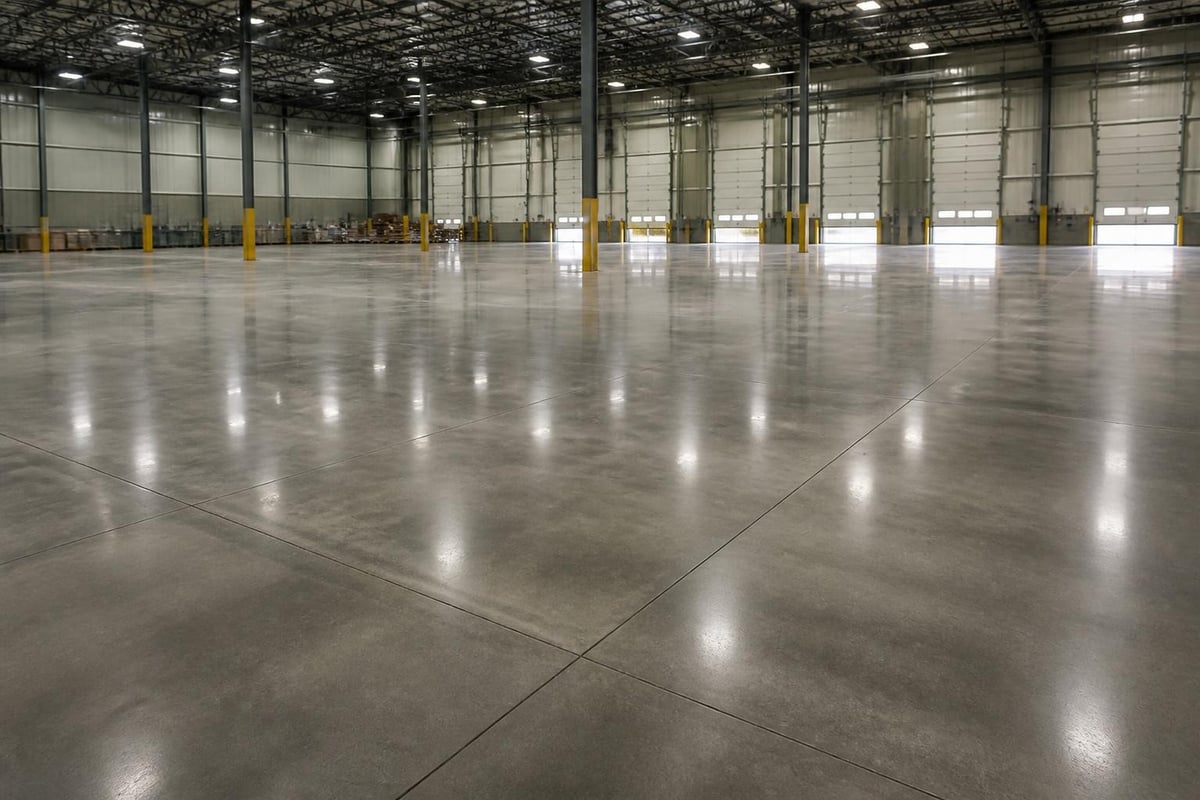
Polished concrete transforms standard slabs through mechanical grinding and densification processes, creating highly reflective surfaces with exceptional abrasion resistance. This polished concrete approach suits retail environments and showrooms where aesthetics complement functionality.
Resinous systems involve applying epoxy, polyurethane, or hybrid coatings to prepared concrete substrates. These systems excel in environments requiring chemical resistance, thermal shock protection, or enhanced slip resistance.
Sealed concrete finishes utilise penetrating sealers and topical treatments to protect substrates whilst maintaining a more natural appearance. These economical solutions work well in moderate-use applications.
| System Type | Primary Benefits | Ideal Applications | Expected Lifespan |
|---|---|---|---|
| Polished Concrete | Low maintenance, high reflectivity, dust reduction | Retail, showrooms, offices | 15-20 years |
| Epoxy Coatings | Chemical resistance, seamless surface, customisable | Warehouses, workshops, kitchens | 10-15 years |
| Polyurethane Systems | Thermal shock resistance, flexibility, hygiene | Food processing, freezers | 8-12 years |
| Sealed Concrete | Cost-effective, breathable, natural appearance | Light industrial, storage | 5-8 years |
The decision between these systems depends on operational intensity, environmental exposures, and performance expectations across your facility's lifecycle.
Critical Selection Factors for Industrial Applications
Choosing appropriate industrial concrete flooring requires systematic evaluation of multiple operational parameters. Surface performance directly correlates with proper system selection matched to actual usage conditions.
Load-Bearing Requirements
Industrial facilities must accommodate diverse load profiles from static storage to dynamic traffic patterns. Forklift operations generate point loads exceeding 5,000 kilograms, whilst pallet racking systems create sustained compression forces across concentrated areas.
Various industrial concrete flooring solutions address these challenges through substrate preparation, coating thickness, and reinforcement strategies. Heavy-duty applications typically require concrete substrates with compressive strengths exceeding 25 megapascals before coating application.
Impact resistance becomes critical in manufacturing environments where dropped tools or materials regularly contact floor surfaces. Polyurethane systems demonstrate superior impact absorption compared to rigid epoxy formulations.
Chemical Exposure and Environmental Conditions
Manufacturing processes often involve aggressive chemicals, oils, solvents, and cleaning agents that rapidly degrade inadequate flooring systems. Understanding exposure profiles ensures proper system specification.
- Acidic environments require specialised resin formulations with enhanced chemical crosslinking
- Alkaline exposures demand systems resistant to caustic deterioration
- Petroleum products necessitate solvent-resistant coatings preventing swelling and delamination
- Thermal cycling between freezer zones and ambient areas requires flexible systems accommodating expansion and contraction
Food processing facilities face unique challenges combining chemical exposures with thermal shock and rigorous cleaning protocols. Our team has observed polyurethane floor coatings consistently outperform standard epoxy in these demanding applications.

Installation Considerations and Substrate Preparation
Successful industrial concrete flooring installation begins with meticulous substrate evaluation and preparation. Surface defects invisible during initial assessment become magnified failure points under operational loads.
Substrate Assessment Protocol
Professional contractors evaluate multiple substrate characteristics before system selection. Moisture vapour transmission rates exceeding 3 pounds per 1,000 square feet per 24 hours typically preclude moisture-sensitive systems without remediation.
Concrete surface profile requirements vary by coating type. Mechanical preparation through diamond grinding, shot blasting, or scarification creates appropriate anchor profiles ranging from CSP-2 for thin coatings to CSP-5 for thick-build systems.
Existing concrete condition significantly impacts installation success:
- Surface contamination removal eliminates oils, curing compounds, and laitance preventing proper adhesion
- Crack repair and joint stabilisation prevents reflective cracking through new coating systems
- Substrate moisture testing using calcium chloride or relative humidity methods confirms readiness
- Surface hardness verification ensures adequate compressive strength for specified systems
- Flatness assessment identifies areas requiring levelling before coating application
Factory flooring projects in South East Queensland often require extensive substrate repairs addressing decades of deferred maintenance before new system installation.
Environmental Controls During Installation
Industrial concrete flooring systems cure through chemical reactions sensitive to temperature and humidity variations. Optimal installation occurs between 15°C and 30°C with relative humidity below 80 percent.
Temperature extremes compromise coating performance. Applications below manufacturer-specified minimums result in incomplete curing, reduced adhesion, and premature failure. Excessive heat accelerates curing rates, reducing application windows and potentially causing surface defects.
Maintenance Strategies for Long-Term Performance
Proper maintenance protocols extend industrial concrete flooring lifespan whilst preserving performance characteristics. Maintaining industrial floors requires systematic approaches balancing daily operations with preventative care.
Daily and Weekly Maintenance Protocols
Routine cleaning removes abrasive contaminants preventing premature wear. Dust and debris act as grinding compounds under traffic loads, accelerating surface degradation.
Recommended daily procedures include:
- Dust mopping or sweeping high-traffic zones removing loose particles
- Spot cleaning spills immediately preventing chemical etching or staining
- Damp mopping with pH-neutral cleaners maintaining surface integrity
- Inspecting high-wear areas identifying emerging damage requiring repair
Weekly maintenance tasks address accumulated contamination beyond daily protocols. Auto-scrubber equipment with soft brushes and appropriate cleaning solutions efficiently maintains large industrial areas without damaging floor surfaces.
Pressure washing suits some industrial environments but requires careful pressure regulation. Excessive water pressure damages coating systems whilst inadequate pressure fails to remove stubborn contaminants. Proper cleaning methods for industrial concrete floors balance effectiveness with surface protection.
Periodic Restoration and Resealing
Industrial concrete flooring requires periodic restoration maintaining optimal performance. Traffic patterns create wear zones requiring targeted maintenance beyond routine cleaning.
| Maintenance Task | Frequency | Expected Outcomes | Typical Cost Impact |
|---|---|---|---|
| Deep cleaning | Quarterly | Removes embedded contamination | Low |
| Sealer reapplication | Annually | Restores chemical resistance | Medium |
| Topcoat refresh | 3-5 years | Renews appearance and protection | Medium-High |
| Full system replacement | 10-20 years | Complete restoration | High |
Sealing industrial concrete floors protects against moisture intrusion, chemical attack, and surface degradation. Penetrating sealers require reapplication every 12 to 24 months depending on traffic intensity, whilst topical sealers may need more frequent attention.
Understanding when restoration becomes more economical than ongoing repairs prevents excessive maintenance expenditure. Surface damage exceeding 30 percent of total area typically justifies complete system replacement rather than continued patching.
Performance Optimisation in Specialised Environments
Different industrial applications present unique performance requirements demanding tailored flooring solutions. Generic approaches rarely deliver optimal results across diverse operational contexts.
Warehouse and Distribution Facilities
Warehouse flooring faces intense forklift traffic, pallet impacts, and seasonal temperature variations. High early-strength concrete substrates supporting rapid installation timelines minimise operational disruptions.
Forklift operations generate significant lateral forces during turning manoeuvres. Selecting appropriate industrial concrete flooring solutions for forklift traffic requires understanding turning radii, wheel loads, and traffic patterns specific to your equipment fleet.
Joint placement significantly impacts warehouse floor performance. Minimising joints reduces maintenance requirements and eliminates potential trip hazards, but requires careful concrete placement planning and appropriate reinforcement strategies.
Food Processing and Commercial Kitchen Applications
Hygiene requirements in food-related facilities demand seamless, easily sanitised surfaces resistant to bacterial harbourage. Epoxy and polyurethane systems create monolithic surfaces eliminating grout lines and joints where contamination accumulates.
Thermal shock resistance becomes critical where production areas transition between ambient and refrigerated zones. Standard epoxy systems crack under repeated thermal cycling, whilst flexible polyurethane formulations accommodate temperature differentials exceeding 60°C.
Compliance considerations include:
- Slip resistance maintaining safe working conditions when wet
- Chemical resistance withstanding aggressive cleaning agents and food acids
- Rapid drainage preventing standing water accumulation
- Light reflectance enhancing visibility for quality control inspections
Our experience installing commercial epoxy floors across South East Queensland demonstrates these facilities benefit from integrated cove base systems eliminating wall-floor junctions where bacteria colonise.
Manufacturing and Workshop Environments
Workshop floor coatings withstand metal shavings, welding sparks, hydraulic fluids, and impact from dropped components. Abrasion resistance ranks among the highest priorities in these applications.
Static dissipative systems prevent electrostatic discharge damaging sensitive electronics in assembly operations. These specialised coatings incorporate conductive elements creating controlled electrical pathways protecting products and personnel.
Automotive workshops generate unique challenges combining petroleum products, battery acids, brake fluids, and continuous traffic. Multi-layer coating systems provide redundant protection ensuring long-term performance despite aggressive exposures.
Cost Considerations and Return on Investment
Industrial concrete flooring represents significant capital investment requiring thorough financial analysis. Understanding lifecycle costs rather than initial installation expenses reveals true value propositions.
Initial Installation Investment
System costs vary substantially based on substrate condition, coating type, and performance requirements. Basic sealed concrete finishes begin around $25 per square metre, whilst high-performance polyurethane systems exceed $150 per square metre for complex installations.
Primary cost drivers include:
- Substrate preparation intensity addressing existing damage and contamination
- Coating system complexity involving primers, base coats, and topcoats
- Performance specifications requiring specialised materials or installation techniques
- Project logistics including access restrictions and operational constraints
- Quality assurance protocols ensuring compliance with performance standards
Deferred maintenance significantly increases restoration costs. Addressing minor damage promptly prevents substrate deterioration requiring extensive repairs before new coating installation.
Lifecycle Cost Analysis
Total cost of ownership encompasses installation, maintenance, downtime, and eventual replacement expenses. Industrial flooring maintenance programmes significantly influence long-term costs.
Industrial concrete flooring systems delivering lower maintenance requirements often justify higher initial investments through reduced lifecycle costs. Polished concrete eliminates coating replacement expenses whilst providing 20-year service lives under appropriate conditions.
Operational disruptions during installation and maintenance create hidden costs through lost production. Fast-cure systems enabling rapid return to service minimise revenue impacts despite premium material costs.
Energy efficiency represents an emerging cost consideration. High-reflectance flooring systems reduce artificial lighting requirements, generating measurable utility savings across large facilities whilst improving workplace visibility and safety.
Compliance and Safety Standards
Industrial concrete flooring must satisfy regulatory requirements addressing workplace safety and environmental protection. Understanding applicable standards ensures compliant installations avoiding costly retrofits or penalties.
Slip Resistance Requirements
Workplace health and safety regulations mandate adequate slip resistance preventing employee injuries. Australian Standard AS 4586 classifies slip resistance through pendulum testing, with most industrial applications requiring minimum P4 ratings for wet-area service.
Achieving appropriate slip resistance without compromising cleanability challenges many industrial environments. Mechanical texturing, aggregate broadcasting, or specialised topcoats create surface profiles balancing safety with hygiene requirements.
Flooring safety standards evolve continuously, requiring regular assessment ensuring ongoing compliance. Legacy floors often require upgrading matching contemporary safety expectations.
Environmental and Sustainability Considerations
Low-VOC coating formulations reduce environmental impact whilst improving indoor air quality during and after installation. Water-based systems eliminate solvent emissions entirely, though often sacrifice performance characteristics compared to solvent-based alternatives.
Sustainable flooring approaches emphasise existing substrate preservation through polishing or restoration rather than removal and replacement. These strategies reduce landfill waste whilst minimising embodied carbon in new materials.
Quality Assurance and Contractor Selection
Professional installation separates successful industrial concrete flooring projects from premature failures. Contractor expertise directly impacts system performance and longevity.
Qualification Verification
Engaging qualified contractors ensures proper system selection, preparation, and installation. QBCC licensing requirements in Queensland establish minimum competency standards, whilst industry certifications demonstrate advanced capabilities.
Experience with similar applications provides invaluable insight addressing project-specific challenges. Our portfolio showcases diverse industrial projects across South East Queensland, demonstrating comprehensive capabilities spanning multiple flooring systems and applications.
Essential contractor qualifications include:
- Current QBCC licensing authorising commercial flooring installations
- Comprehensive liability insurance protecting clients from installation defects
- Manufacturer certifications for specified coating systems
- Documented quality assurance procedures ensuring consistent results
- Established safety management systems protecting workers and facility operations
Reference verification reveals contractor reliability, communication practices, and problem-solving capabilities critical for successful project delivery.
Installation Warranties and Performance Guarantees
Warranty provisions protect investments against premature failure whilst establishing performance expectations. Standard warranties cover material defects and application errors, typically ranging from two to ten years depending on system type and application conditions.
Understanding warranty limitations prevents disputes. Most warranties exclude damage from improper maintenance, chemical exposures beyond system specifications, or substrate failures independent of coating performance.
Performance guarantees establish objective success criteria including adhesion strength, chemical resistance, and abrasion resistance thresholds. Third-party testing validates compliance, providing documentation supporting warranty claims if systems underperform.
Industrial concrete flooring selection and maintenance directly impact operational efficiency, safety compliance, and long-term facility costs. The right system, properly installed and maintained, delivers decades of reliable service whilst minimising disruptions and replacement expenses. Superior Concrete Finishes brings decades of expertise to commercial and industrial flooring projects across South East Queensland, delivering epoxy flooring and polished concrete solutions tailored to your facility's specific requirements. Contact our team today to discuss how we can enhance your industrial flooring performance.

Joshua Miller has over 15 years of experience in the commercial concrete flooring industry, specialising in epoxy flooring systems and polished concrete solutions for warehouses, factories, retail spaces and commercial developments. Joshua and his team work closely with builders, property owners and facility managers across South East Queensland to deliver durable, cost-effective commercial flooring systems for warehouses, industrial facilities, commercial kitchens, retail stores and large commercial developments.
Major builders and organisations Josh has led projects on include McNab, Hutchinson Builders, IKEA, Queensland Rail, University of Queensland, ADCO, Tomkins Commercial, Bunnings, OfficeWorks, Spotlight, and Anaconda.
If you're planning a project and need advice on the best commercial concrete flooring solution, contact Josh or one of the team at Superior Concrete Finishes.
-
 info@superiorconcretefinishes.com.au
-
1300 789 740
-
Connect with Josh on
LinkedIn


 Connect with Josh on