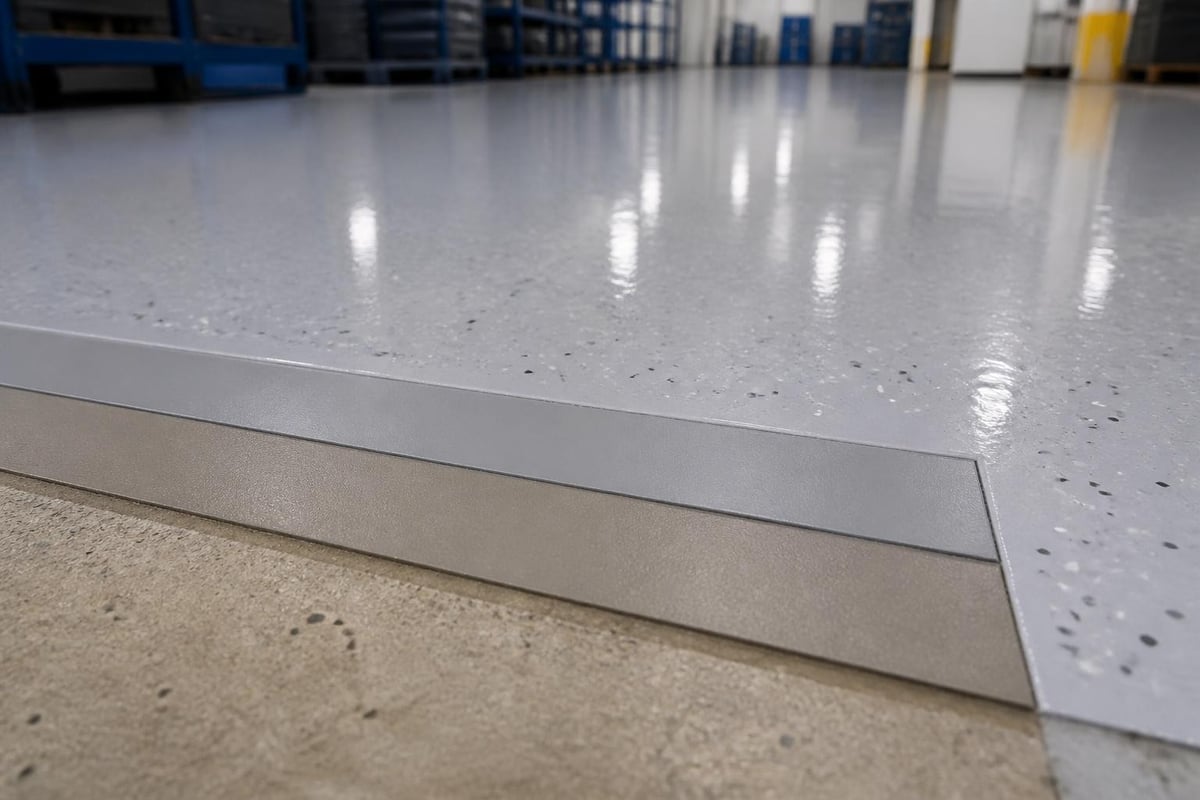
Industrial facilities across South East Queensland demand flooring solutions that withstand relentless traffic, chemical exposure, and mechanical stress. When concrete floors in warehouses, factories, and commercial kitchens require protection and performance, industrial epoxy floor coating emerges as the proven solution. This comprehensive resin-based system transforms ordinary concrete into a resilient, chemical-resistant surface capable of handling the toughest operational demands while maintaining a professional appearance for decades.
Understanding Industrial Epoxy Floor Coating Systems
Industrial epoxy floor coating represents a sophisticated chemical bonding process that fundamentally alters the concrete substrate it protects. The system combines two primary components: an epoxy resin and a polyamine hardener. When mixed in precise ratios, these components undergo an exothermic chemical reaction that creates a thermoset polymer. This polymer penetrates the concrete substrate and forms a mechanical bond that creates a unified, monolithic surface.
The chemistry behind these coatings determines their exceptional performance characteristics. Epoxy flooring formulations vary significantly based on application requirements, with different resin types offering distinct advantages for specific industrial environments.
Chemical Composition and Performance Attributes
The molecular structure of epoxy coatings provides inherent advantages that traditional concrete sealers cannot match. The cross-linked polymer network creates exceptional adhesion strength, typically exceeding the tensile strength of the concrete itself. This means properly applied industrial epoxy floor coating fails at the concrete level rather than at the bond interface.
Key performance characteristics include:
- Chemical resistance: Protection against acids, alkalis, solvents, and petroleum products
- Abrasion resistance: Superior wear properties under heavy equipment and constant traffic
- Impact resistance: Ability to withstand dropped tools, pallets, and equipment without chipping
- Moisture vapor barrier: Prevention of water intrusion from below-slab moisture
- Thermal stability: Performance maintenance across temperature variations typical in Australian industrial facilities
The National Concrete Coating Authority provides detailed insights into epoxy floor coating chemistry and how different formulations address specific industrial challenges.
System Types and Specifications
Industrial epoxy floor coating systems range from thin mil coatings to heavy-duty broadcast systems, each engineered for distinct operational requirements. Understanding these system classifications helps facility managers select appropriate solutions for their specific applications.
| System Type | Dry Film Thickness | Typical Applications | Service Life Expectation |
|---|---|---|---|
| Thin Mil Coating | 100-300 microns | Light industrial, storage areas | 5-7 years |
| Self-Leveling System | 2-4 mm | Commercial kitchens, clean rooms | 10-15 years |
| Mortar System | 6-12 mm | Heavy manufacturing, chemical processing | 15-20 years |
| Heavy Broadcast | 3-6 mm | Warehouses, automotive facilities | 12-18 years |

Selecting the Right System Configuration
The specification process for industrial epoxy floor coating demands careful analysis of operational parameters. Traffic patterns, chemical exposure profiles, thermal cycling, and hygroscopic conditions all influence system selection. A warehouse handling dry goods requires fundamentally different protection than a commercial kitchen with constant moisture and cleaning chemical exposure.
For warehouse flooring applications across South East Queensland, broadcast epoxy systems typically deliver optimal performance. These systems incorporate aggregates broadcast into the wet epoxy, creating enhanced slip resistance and impact protection.
Critical selection factors include:
- Load bearing requirements: Static and dynamic loads from forklifts, pallet jacks, and material handling equipment
- Chemical exposure profile: Specific chemicals, concentrations, and contact duration
- Thermal parameters: Temperature ranges, thermal shock potential, and expansion requirements
- Moisture conditions: Relative humidity, below-slab vapor pressure, and cleaning protocols
- Installation timeline: Operational downtime windows and curing requirements
Surface Preparation Requirements
The foundation of any successful industrial epoxy floor coating installation lies in meticulous surface preparation. This critical phase determines bond strength, system longevity, and ultimate performance. Concrete surfaces must achieve specific profile standards before coating application can commence.
Professional surface preparation follows documented protocols that remove contaminants, open the concrete pore structure, and create the mechanical profile necessary for coating adhesion. The International Concrete Repair Institute (ICRI) defines concrete surface profile (CSP) standards that guide preparation methods.
Preparation Methods and Profile Achievement
Diamond grinding, shot blasting, and scarification represent the primary mechanical preparation methods for industrial concrete floors. Each technique achieves different surface profiles and serves distinct purposes in the preparation sequence.
Diamond grinding creates a smooth, uniform profile ideal for self-leveling epoxy systems. This method removes existing coatings, laitance, and surface irregularities while maintaining floor flatness tolerances critical in warehouse environments.
Shot blasting produces a more aggressive profile suitable for broadcast and mortar systems. The process propels steel shot at high velocity against the concrete surface, fracturing the weak surface layer and exposing sound substrate.
Scarification addresses severely damaged concrete or thick coating removal. Rotating drums with carbide cutters mill away surface material to specified depths, creating the aggressive profile necessary for heavy-duty industrial epoxy floor coating applications.
For factory flooring projects, proper surface preparation typically accounts for 30-40% of total project cost but represents the most critical investment in system longevity.
Application Process and Best Practices
Professional installation of industrial epoxy floor coating follows strict protocols that ensure optimal system performance. Environmental conditions during application significantly impact curing chemistry and final coating properties. Temperature and humidity parameters must fall within manufacturer specifications throughout the installation and curing phases.
The application sequence for a typical broadcast epoxy system proceeds through distinct stages:
- Prime coat application to seal the substrate and enhance bond strength
- Base coat application at specified thickness with controlled mil build
- Aggregate broadcast into wet base coat for texture and reinforcement
- Scraping and vacuum removal of excess aggregate after initial cure
- Seal coat application to encapsulate aggregate and provide final surface
- Optional topcoat for enhanced chemical or UV resistance
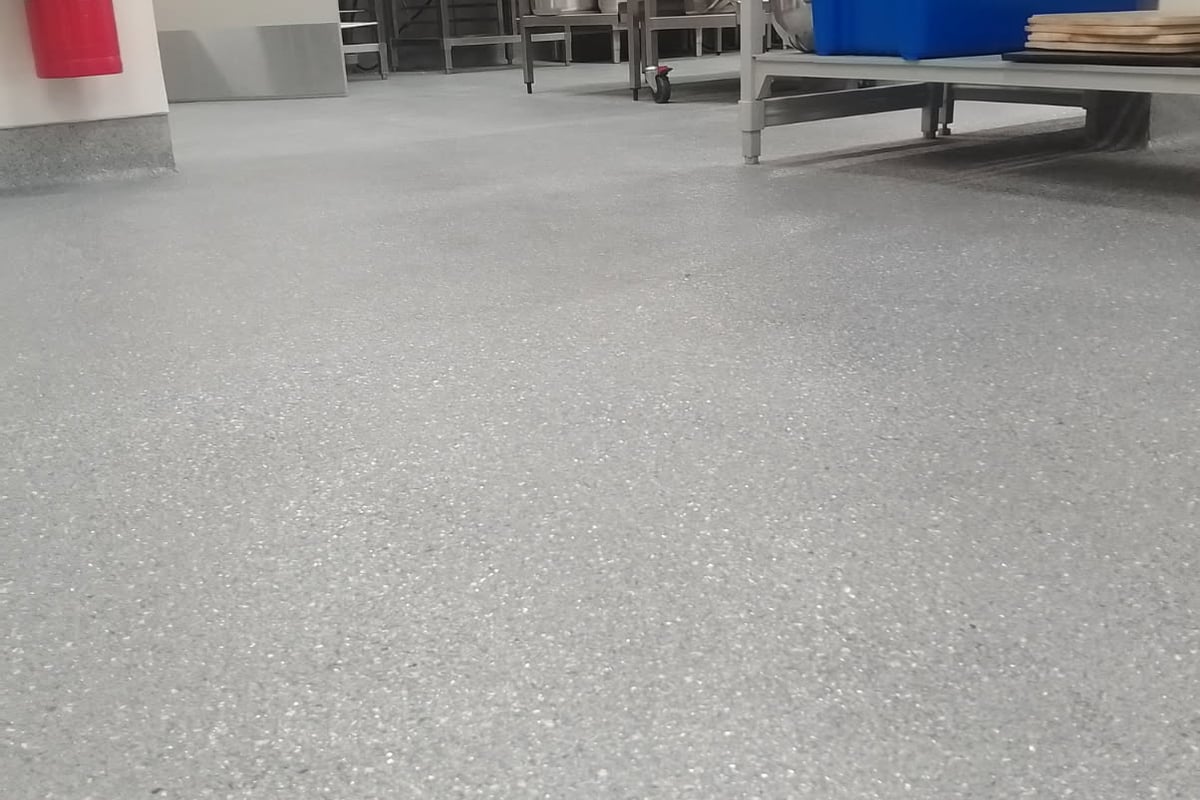
Superior Concrete Finishes employs this systematic approach for epoxy flooring installations throughout commercial and industrial facilities across Brisbane and the surrounding regions. Our QBCC licensed team ensures every installation meets manufacturer specifications and performance expectations.
Environmental Control and Cure Management
Ambient temperature and relative humidity directly influence epoxy cure profiles and final coating properties. Most industrial epoxy systems specify application windows between 10°C and 35°C with relative humidity below 85%. Temperature affects viscosity, pot life, and cure rate, while humidity impacts surface preparation and can cause coating defects.
Concrete substrate temperature requires particular attention. The substrate must remain at least 3°C above dew point throughout application and initial cure to prevent moisture condensation that compromises adhesion. Surface moisture testing using calcium chloride tests or relative humidity probes confirms substrate readiness.
Performance Optimization and Service Life
Industrial epoxy floor coating performance extends far beyond initial installation when facilities implement proper maintenance protocols and operational practices. Understanding system limitations and environmental impacts enables facility managers to maximize return on flooring investment.
The thickness of epoxy floor coatings directly correlates with service life expectations under specified use conditions. Thicker systems absorb more impact energy, resist wear for longer periods, and tolerate more aggressive maintenance procedures.
Operational Factors Affecting Longevity
Daily operations significantly impact industrial epoxy floor coating durability. Forklift traffic patterns, pallet drop zones, and chemical spill areas experience accelerated wear. Strategic system design addresses these high-stress zones through increased coating thickness or enhanced aggregate loading.
Traffic management preserves coating integrity. Polyurethane wheels on material handling equipment reduce point loading compared to metal wheels. Establishing designated traffic lanes distributes wear across larger surface areas.
Chemical exposure management prevents premature coating degradation. Immediate cleanup of spills, particularly acids and strong alkalis, prevents chemical attack of the epoxy matrix. Understanding chemical resistance profiles for specific coating formulations allows informed operational decisions.
Mechanical impact protection reduces coating failure from dropped objects and equipment strikes. High-aggregate loading in critical zones and strategic placement of protective barriers minimize localized damage.
Industry-Specific Applications
Different industrial sectors impose unique requirements on floor coating systems. Understanding these sector-specific demands ensures appropriate system selection and installation practices.
Warehouse and Distribution Facilities
Warehouse operations demand industrial epoxy floor coating systems that withstand constant forklift traffic, pallet movement, and occasional impact from dropped merchandise. Commercial warehouse flooring installations prioritize abrasion resistance and rapid installation to minimize operational disruption.
Zone-based coating strategies optimize performance and budget allocation:
- High traffic aisles: Heavy broadcast systems with enhanced aggregate loading
- Racking areas: Standard broadcast or self-leveling systems with adequate thickness
- Loading docks: Chemical-resistant formulations protecting against vehicle emissions and moisture
- Storage zones: Thin mil coatings providing dust control and cleanability
Manufacturing and Processing Facilities
Manufacturing environments expose floors to chemical spills, thermal cycling, and heavy machinery vibrations. Factory epoxy flooring must accommodate these demanding conditions while maintaining safe working surfaces.
Production floor requirements vary by manufacturing type. Metal fabrication facilities need impact resistance and weldable surfaces, while food processing operations require seamless, easily sanitized floors with antimicrobial properties. Chemical manufacturing demands exceptional chemical resistance across broad pH ranges.
Commercial Kitchen Environments
Commercial kitchens present particularly challenging conditions for industrial epoxy floor coating systems. Constant moisture exposure, thermal shock from cooking equipment, grease accumulation, and aggressive cleaning chemicals require specialized coating formulations.
High-performance epoxy systems for commercial kitchens incorporate antimicrobial additives, enhanced slip resistance, and superior thermal shock resistance. These systems maintain food safety standards while providing the durability necessary in demanding culinary environments.
Cost Analysis and Return on Investment
Investment in industrial epoxy floor coating requires comprehensive cost analysis that extends beyond initial installation expenses. Total cost of ownership calculations incorporate installation costs, maintenance requirements, service life expectations, and operational impacts.
| Cost Component | Percentage of Total | Duration Impact |
|---|---|---|
| Surface Preparation | 30-40% | Initial |
| Materials | 25-35% | Initial |
| Labour | 25-35% | Initial |
| Maintenance | 5-10% annually | Ongoing |
| Downtime Costs | Variable | Initial + Repairs |
Professional installation by experienced contractors minimizes total cost of ownership through proper surface preparation, appropriate system selection, and quality application practices. The investment in epoxy floor coatings for industrial applications delivers measurable returns through reduced maintenance costs, extended service life, and enhanced operational efficiency.
Calculating True ROI
Return on investment calculations for industrial epoxy floor coating must account for multiple value streams. Direct financial returns include reduced cleaning costs, eliminated dust control expenses, and decreased floor repair frequency. Indirect benefits encompass improved workplace safety, enhanced facility aesthetics, and operational continuity.
Service life comparisons demonstrate value proposition:
- Uncoated concrete: Annual maintenance, constant dusting, 3-5 year replacement cycle
- Basic sealers: 2-3 year reapplication, limited protection, ongoing maintenance
- Industrial epoxy coating: 10-20 year service life, minimal maintenance, superior protection
Quality Control and Installation Standards
Professional installation of industrial epoxy floor coating adheres to established industry standards and manufacturer specifications. Quality control protocols verify surface preparation adequacy, environmental compliance, proper mixing procedures, and appropriate application techniques.
Certified installers demonstrate competency through training programs and field experience. The QBCC licensing system in Queensland ensures contractors meet minimum competency standards and maintain appropriate insurance coverage. Working with licensed professionals protects facility owners from installation failures and associated costs.
Testing and Verification Procedures
Pre-installation testing confirms substrate readiness and environmental compliance. Moisture testing using relative humidity probes or calcium chloride tests quantifies vapor emission rates. Pull-off adhesion testing on test patches verifies surface preparation adequacy and coating compatibility.
During installation, quality control measures include:
- Regular mil thickness measurements ensuring specified coating build
- Environmental monitoring confirming temperature and humidity compliance
- Batch documentation tracking material lot numbers and mix ratios
- Visual inspection identifying application defects requiring correction
- Post-installation adhesion testing verifying system performance
Maintenance Protocols for Extended Service Life
Implementing structured maintenance programs significantly extends industrial epoxy floor coating service life while maintaining optimal appearance and performance. Regular maintenance prevents minor issues from developing into costly repairs requiring epoxy floor repair interventions.
Daily maintenance involves dry dust mopping or auto-scrubbing to remove abrasive particles that accelerate wear. Weekly maintenance includes damp mopping with pH-neutral cleaners that maintain coating integrity. Monthly deep cleaning with auto-scrubbers equipped with appropriate pad types removes accumulated soils without damaging the coating surface.
Preventive measures preserve coating condition:
- Placement of entrance matting systems capturing tracked-in debris
- Implementation of spill response protocols minimizing chemical exposure duration
- Regular inspection identifying early damage requiring prompt repair
- Scheduled recoating of high-wear zones before complete coating failure
For facilities requiring specialized cleaning protocols, such as workshop flooring installations, maintenance programs adapt to specific operational demands and contamination profiles.
Emerging Technologies and Future Developments
Industrial epoxy floor coating technology continues advancing through improved resin chemistry, enhanced application methods, and innovative performance additives. Recent developments focus on rapid-cure formulations reducing downtime, bio-based resins improving sustainability profiles, and smart coatings incorporating performance monitoring capabilities.
Rapid-cure epoxy systems now achieve full cure within 4-8 hours, enabling overnight installations with next-day return to service. These systems particularly benefit facilities unable to accommodate extended shutdown periods. The accelerated cure chemistry maintains performance properties while dramatically reducing operational disruption.
Low-VOC and solvent-free formulations address environmental concerns and workplace safety requirements. Modern industrial epoxy floor coating systems emit minimal odors during application and curing, allowing installation in occupied facilities with appropriate ventilation. These environmentally responsible formulations maintain the performance characteristics of traditional systems while improving installer and occupant safety.
Industrial epoxy floor coating delivers unmatched durability, chemical resistance, and long-term value for commercial and industrial facilities throughout South East Queensland. Selecting appropriate system types, ensuring professional installation, and implementing proper maintenance protocols maximizes flooring investment returns. Superior Concrete Finishes brings decades of expertise to every commercial flooring project, from warehouses and factories to commercial kitchens and car parks, delivering QBCC licensed installations backed by comprehensive insurance and proven performance.

Joshua Miller has over 15 years of experience in the commercial concrete flooring industry, specialising in epoxy flooring systems and polished concrete solutions for warehouses, factories, retail spaces and commercial developments. Joshua and his team work closely with builders, property owners and facility managers across South East Queensland to deliver durable, cost-effective commercial flooring systems for warehouses, industrial facilities, commercial kitchens, retail stores and large commercial developments.
Major builders and organisations Josh has led projects on include McNab, Hutchinson Builders, IKEA, Queensland Rail, University of Queensland, ADCO, Tomkins Commercial, Bunnings, OfficeWorks, Spotlight, and Anaconda.
If you're planning a project and need advice on the best commercial concrete flooring solution, contact Josh or one of the team at Superior Concrete Finishes.
-
 info@superiorconcretefinishes.com.au
-
1300 789 740
-
Connect with Josh on
LinkedIn


 Connect with Josh on