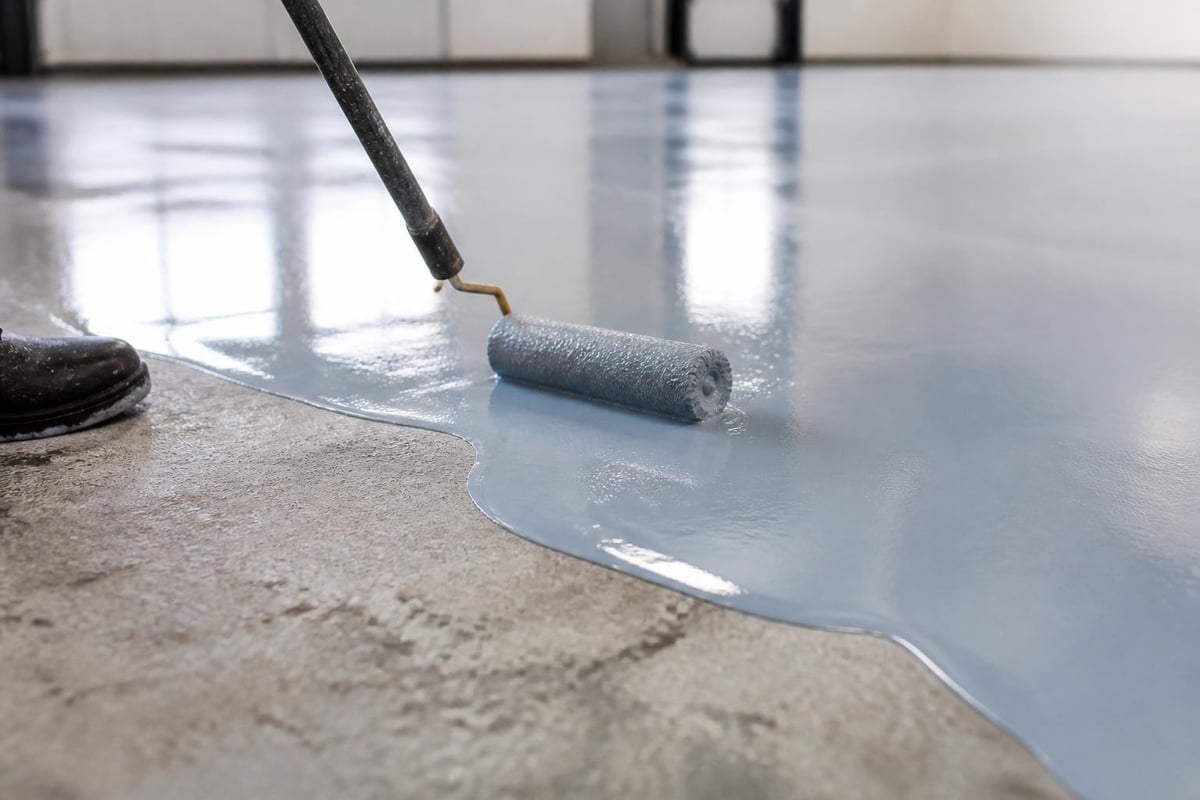
Industrial facilities across South East Queensland face unique flooring challenges that demand solutions combining exceptional durability, chemical resistance, and long-term performance. When forklift traffic, heavy machinery, chemical spills, and intensive daily operations define your workspace, choosing the right flooring system becomes a critical business decision. Industrial epoxy flooring has emerged as the gold standard for warehouses, factories, workshops, and commercial kitchens precisely because it addresses these demanding requirements with proven reliability. This comprehensive guide examines the properties, applications, installation considerations, and performance characteristics that make epoxy flooring the preferred choice for commercial and industrial environments in 2026.
Understanding Industrial Epoxy Flooring Systems
Industrial epoxy flooring consists of a two-component system created by mixing epoxy resin with a chemical hardener. This chemical reaction, known as curing, transforms the liquid components into a rigid, high-performance surface that bonds directly to prepared concrete substrates. The resulting floor coating delivers mechanical strength and chemical resistance superior to many alternative flooring solutions.
The basic chemistry behind epoxy systems determines their exceptional performance characteristics. Research into epoxy resin flooring properties demonstrates that properly formulated industrial-grade epoxy delivers compressive strength exceeding 10,000 psi and tensile strength surpassing 7,000 psi. These mechanical properties translate directly into floors that withstand the punishment of daily industrial operations without premature failure.
Key Components of Industrial Epoxy Systems
Understanding what comprises a professional industrial epoxy installation helps facility managers make informed decisions:
- Primer coat: Penetrates the concrete substrate and ensures optimal adhesion for subsequent layers
- Base coat: Provides the bulk of the system thickness and mechanical strength
- Intermediate coat: Adds additional thickness and creates a smooth surface for the final layer
- Topcoat: Delivers the final protective layer with enhanced chemical and abrasion resistance
Performance Characteristics for Industrial Environments
Industrial epoxy flooring excels in commercial and industrial applications due to specific performance attributes that address real-world operational challenges. These characteristics separate professional-grade systems from consumer products and alternative flooring options.
Chemical Resistance: Industrial facilities regularly encounter aggressive chemicals, petroleum products, acids, and alkalis. Epoxy flooring creates an impermeable barrier that prevents these substances from penetrating to the concrete substrate. Comparative analysis of epoxy and polyurethane floor coatings confirms that epoxy systems demonstrate superior resistance to a broad spectrum of industrial chemicals.
Abrasion Resistance: Forklift traffic, pallet jacks, and heavy foot traffic gradually wear down inferior flooring surfaces. Industrial epoxy formulations incorporate high-performance resins that maintain their integrity despite continuous abrasive forces.
Impact Resistance: Dropped tools, falling materials, and equipment strikes test any industrial floor. Quality epoxy systems absorb and distribute impact forces without cracking, chipping, or delaminating from the concrete base.
Durability Metrics That Matter
| Performance Factor | Industrial Epoxy | Standard Concrete | Painted Concrete |
|---|---|---|---|
| Expected Lifespan | 15-20+ years | 5-10 years | 1-3 years |
| Chemical Resistance | Excellent | Poor | Very Poor |
| Abrasion Resistance | Superior | Moderate | Poor |
| Maintenance Requirements | Minimal | Moderate | High |

Application Environments for Industrial Epoxy
Different commercial and industrial settings benefit from industrial epoxy flooring, though specific formulations and application methods vary based on operational requirements. Understanding these application contexts helps identify the optimal epoxy system for each environment.
Manufacturing and Production Facilities
Factory flooring demands surfaces that accommodate heavy machinery, chemical exposure, and intensive cleaning protocols. Industrial epoxy floors in manufacturing environments typically incorporate enhanced chemical resistance and higher build thickness to withstand production-related stresses. The seamless nature of epoxy eliminates joints where contaminants accumulate, supporting hygiene and cleanliness standards.
Warehouse and Distribution Centers
Warehouses present unique challenges including constant forklift traffic, point-loading from racked storage systems, and extensive square meterage requiring efficient installation. Warehouse flooring specifications for epoxy systems emphasize abrasion resistance and rapid cure times that minimize operational downtime during installation.
Commercial Kitchens and Food Processing
Food safety regulations mandate flooring that resists bacterial growth, withstands thermal shock, and tolerates aggressive cleaning chemicals and sanitisers. Industrial epoxy formulations for these environments often incorporate antimicrobial additives and enhanced heat resistance. The impervious surface prevents moisture penetration that could harbour bacteria or compromise structural integrity.
Mechanical Workshops and Service Facilities
Workshop flooring endures petroleum products, hydraulic fluids, solvents, and impact from dropped tools and equipment. Industrial epoxy systems for workshops require exceptional chemical resistance to automotive fluids and enhanced impact resistance to withstand the rigours of mechanical repair operations.
Installation Considerations and Surface Preparation
Professional installation distinguishes successful long-term performance from premature failure. The installation process for industrial epoxy flooring comprises several critical stages, each contributing to the final system's integrity and longevity.
Surface preparation represents the most crucial phase of any epoxy installation. The concrete substrate must be clean, dry, and mechanically sound before epoxy application commences. Professional contractors employ diamond grinding equipment to open the concrete's pores and create the profile necessary for optimal adhesion.
Critical Preparation Steps
- Concrete evaluation: Assess substrate moisture content, structural integrity, and existing contaminants
- Mechanical preparation: Grind or shot-blast the surface to remove laitance and create proper profile
- Crack and joint repair: Address existing damage using appropriate repair mortars and joint fillers
- Moisture testing: Verify the concrete substrate meets moisture specifications for epoxy application
- Final cleaning: Remove all dust, debris, and contaminants immediately before epoxy installation
Environmental Conditions During Installation
Temperature and humidity significantly influence epoxy curing and final performance. Industrial epoxy systems require specific environmental parameters during application and cure:
| Environmental Factor | Optimal Range | Impact of Deviation |
|---|---|---|
| Air Temperature | 15-30°C | Slow cure (cold) or rapid cure (hot) |
| Substrate Temperature | 3°C above dew point | Moisture contamination risk |
| Relative Humidity | Below 85% | Affects film formation and adhesion |
| Ventilation | Adequate air movement | Influences cure time and off-gassing |
For projects requiring expert application and proper surface preparation, partnering with experienced professionals ensures optimal results. Epoxy flooring specialists understand the technical requirements and have the equipment necessary for commercial-grade installations.

System Selection and Specification Development
Selecting the appropriate industrial epoxy flooring system requires evaluating operational requirements, environmental conditions, aesthetic preferences, and budget constraints. Not all epoxy formulations deliver identical performance, and matching system characteristics to application demands prevents costly errors.
Epoxy System Types
Solvent-Based Epoxy: Traditional formulations offering deep penetration and excellent adhesion, though increasingly restricted by environmental regulations and workplace safety standards.
Water-Based Epoxy: Lower VOC emissions and improved safety during application, suitable for enclosed spaces with limited ventilation, though generally providing less chemical resistance than solvent-based alternatives.
100% Solids Epoxy: Contains no solvents or water, delivering maximum film thickness per coat and zero VOC emissions. This represents the preferred choice for most industrial applications due to superior performance and environmental compliance.
Novolac Epoxy: Advanced formulation providing exceptional chemical resistance for environments with aggressive acids, solvents, or extreme chemical exposure.
Thickness Considerations
Industrial epoxy flooring systems range from thin-film coatings (200-500 microns) to self-leveling mortars (3-6mm) depending on performance requirements:
- Thin-film systems: Light industrial applications, minimal wear, primarily aesthetic enhancement
- Medium-build coatings: Standard industrial environments, moderate chemical exposure, regular traffic
- High-build systems: Heavy industrial use, severe chemical exposure, intensive traffic patterns
- Mortar systems: Extreme conditions, structural repair, sloped floors requiring drainage
Maintenance and Lifecycle Performance
One significant advantage of industrial epoxy flooring involves its minimal maintenance requirements compared to alternative surfaces. However, appropriate cleaning and maintenance protocols extend system lifespan and preserve aesthetic appearance.
Routine Cleaning Protocols
Daily or weekly cleaning maintains appearance and prevents contaminant accumulation:
- Sweep or dust-mop to remove loose dirt and debris
- Damp-mop using pH-neutral cleaning solutions
- Address spills immediately to prevent staining
- Use soft-bristle brushes for stubborn soiling, avoiding abrasive pads that damage the surface
Periodic Maintenance
Industrial epoxy floors benefit from periodic deep cleaning and protective measures:
- Machine scrubbing with appropriate cleaning solutions removes embedded dirt
- High-pressure washing (when properly executed) restores appearance in high-traffic zones
- Periodic recoating of high-wear areas extends overall system life
- Addressing minor damage promptly prevents propagation
Research on the physical and mechanical properties of flooring epoxy indicates that properly maintained systems retain their structural integrity and appearance for decades, providing excellent return on investment compared to replacement costs.
Cost Analysis and Return on Investment
Evaluating industrial epoxy flooring requires examining both initial installation costs and long-term ownership expenses. While epoxy systems typically command higher upfront investment than basic concrete sealing or painting, the total cost of ownership over the floor's lifespan demonstrates superior value.
Initial Investment Factors
Several variables influence the installed cost of industrial epoxy flooring:
- Substrate condition: Damaged concrete requiring extensive repair increases preparation costs
- System type and thickness: High-performance formulations and thicker applications cost more per square metre
- Project size: Larger installations benefit from economies of scale
- Site access and logistics: Complex sites with limited access or strict operational constraints increase labour costs
- Finish requirements: Decorative elements, custom colours, or special textures add cost
Lifecycle Cost Comparison
| Cost Factor | Industrial Epoxy | Polished Concrete | Painted Concrete |
|---|---|---|---|
| Initial Cost per m² | $$$ | $$ | $ |
| Expected Lifespan | 15-20 years | 15-25 years | 2-4 years |
| Annual Maintenance | Low | Low | High |
| Replacement Frequency | Once per 15-20 years | Once per 20+ years | Every 2-4 years |
| Chemical Resistance | Excellent | Good | Poor |
When calculating true cost, the lifespan of epoxy flooring demonstrates that higher initial investment delivers lower annualised costs than cheaper alternatives requiring frequent replacement.
Safety and Compliance Considerations
Industrial epoxy flooring contributes to workplace safety through several mechanisms, though proper specification ensures compliance with relevant Australian standards and workplace health and safety requirements.
Slip Resistance
Wet areas and facilities with liquid exposure require appropriate slip resistance ratings. Industrial epoxy systems can incorporate various slip-resistant additives:
- Broadcast aggregates: Silica sand or aluminium oxide crystals embedded in the topcoat
- Textured finishes: Orange peel or non-skid patterns created during application
- Anti-slip additives: Fine particles mixed into the epoxy before application
Testing to AS 4586 and AS 4663 ensures slip resistance meets workplace safety requirements for specific environments.
Chemical Compatibility
Facilities handling hazardous materials must verify that their flooring system resists degradation from stored or processed chemicals. Studies examining epoxy and polyurethane modified cementitious systems provide data on chemical resistance that informs specification decisions for chemically aggressive environments.
Environmental Sustainability
Modern industrial epoxy formulations address environmental concerns through:
- Zero or low VOC emissions during application and cure
- Long service life reducing replacement frequency and associated waste
- Contribution to improved lighting efficiency through reflective surfaces
- Compatibility with existing concrete, eliminating demolition waste
Emerging Trends and Innovations
The industrial epoxy flooring sector continues evolving with technological advances addressing performance, sustainability, and application efficiency. Understanding these developments helps facility managers future-proof their flooring investments.
Advanced Formulation Technologies
Recent developments in epoxy chemistry deliver enhanced performance characteristics. Research into recycled glass particles in epoxy binders demonstrates how sustainable materials can maintain or improve system performance while reducing environmental impact.
Rapid-Cure Systems
Fast-track epoxy formulations achieve full cure within hours rather than days, minimising operational disruption during installation. These systems prove particularly valuable for commercial facilities requiring minimal downtime.
Smart Floor Technologies
Integration of sensors and monitoring systems into industrial epoxy floors enables real-time tracking of temperature, moisture, and structural performance. These innovations support predictive maintenance and optimise facility operations.
Hybrid Systems
Combining epoxy with other technologies creates flooring solutions optimised for specific challenges. Polyurethane topcoats over epoxy base layers, for instance, deliver enhanced UV stability and thermal shock resistance beyond what either material achieves independently.
Colour and Aesthetic Options
While performance remains paramount in industrial settings, aesthetic considerations influence purchasing decisions and contribute to workplace environment quality. Industrial epoxy flooring offers extensive colour and finish options accommodating functional and aesthetic requirements.
Standard Colour Ranges
Industrial epoxy systems are available in virtually unlimited colours, though practical considerations often guide selection:
- Light colours: Enhance visibility and lighting efficiency, show dirt less prominently, create spacious feel
- Mid-tone greys: Hide minor soiling between cleaning cycles, traditional industrial aesthetic
- Safety colours: Yellow, red, or other high-visibility colours for traffic lanes, hazard zones, or wayfinding
Functional Marking and Demarcation
Industrial epoxy installations often incorporate coloured zones, traffic lanes, and safety markings directly into the floor system. This integrated approach provides permanent demarcation that won't wear away like painted lines, supporting lean manufacturing principles and workplace organisation systems.
Industrial epoxy flooring delivers the performance, durability, and long-term value that commercial and industrial facilities in South East Queensland demand. When your warehouse, factory, commercial kitchen, or workshop requires flooring that withstands daily punishment while maintaining its integrity for decades, choosing the right system and experienced installation partner determines success. Superior Concrete Finishes brings decades of expertise in commercial concrete flooring to every project, backed by full insurance and QBCC licensing. Contact our team today to discuss how industrial epoxy flooring can transform your facility's performance and appearance.

Joshua Miller has over 15 years of experience in the commercial concrete flooring industry, specialising in epoxy flooring systems and polished concrete solutions for warehouses, factories, retail spaces and commercial developments. Joshua and his team work closely with builders, property owners and facility managers across South East Queensland to deliver durable, cost-effective commercial flooring systems for warehouses, industrial facilities, commercial kitchens, retail stores and large commercial developments.
Major builders and organisations Josh has led projects on include McNab, Hutchinson Builders, IKEA, Queensland Rail, University of Queensland, ADCO, Tomkins Commercial, Bunnings, OfficeWorks, Spotlight, and Anaconda.
If you're planning a project and need advice on the best commercial concrete flooring solution, contact Josh or one of the team at Superior Concrete Finishes.
-
 info@superiorconcretefinishes.com.au
-
1300 789 740
-
Connect with Josh on
LinkedIn


 Connect with Josh on