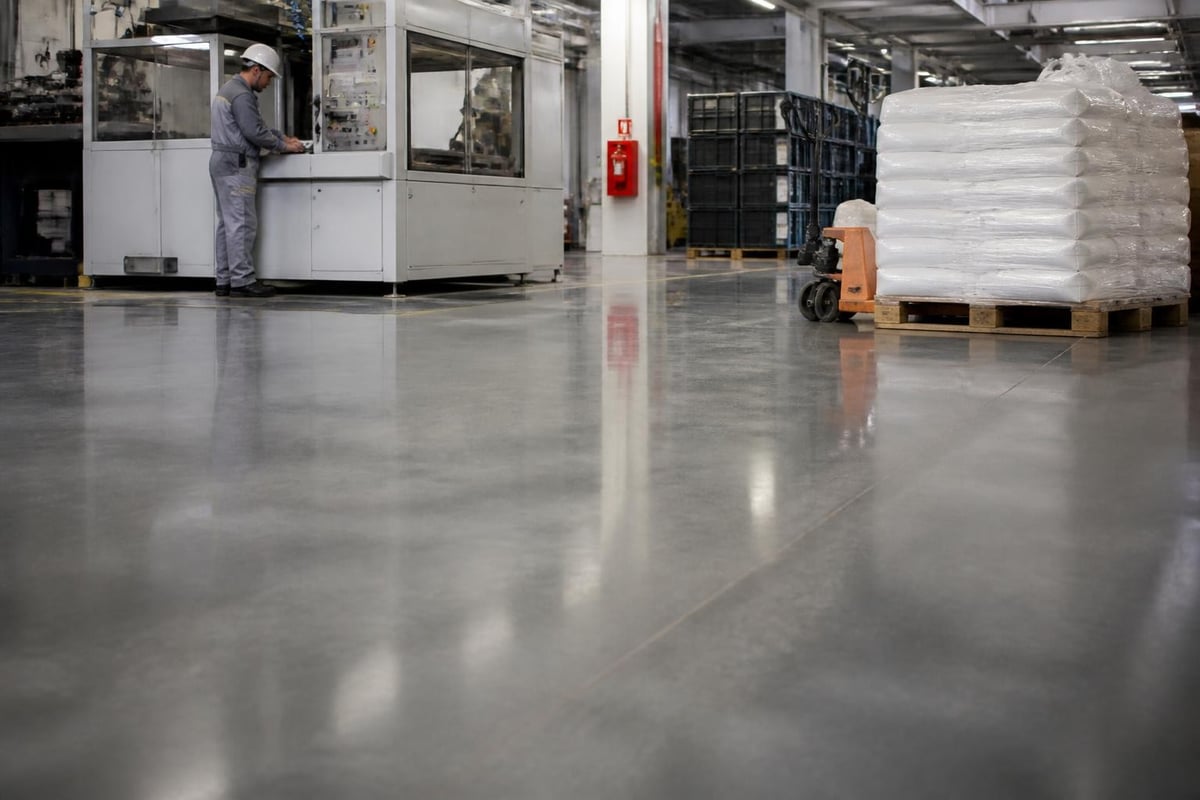
Selecting the right flooring for industrial environments requires careful consideration of multiple factors, from load-bearing requirements to chemical resistance and safety standards. Industrial flooring must withstand heavy machinery, constant foot traffic, chemical spills, and temperature fluctuations whilst maintaining a safe working environment. Whether you're managing a warehouse in Brisbane, operating a factory in the Gold Coast region, or overseeing a commercial kitchen, understanding the performance characteristics of different flooring systems is essential for making informed decisions that protect your investment and ensure operational efficiency for years to come.
Understanding Industrial Flooring Requirements
Industrial facilities face unique challenges that residential or light commercial spaces never encounter. The flooring in these environments must handle forklift traffic, pallet drops, chemical exposure, and thermal shock on a daily basis.
Load-Bearing Capacity and Impact Resistance
The ability to withstand heavy loads is paramount in industrial settings. Manufacturing facilities, distribution centres, and warehouses regularly subject floors to point loads exceeding 10,000 kilograms from racking systems and mobile equipment.
Critical load considerations include:
- Static loads from storage racking and machinery
- Dynamic loads from forklifts and heavy vehicles
- Impact resistance from dropped materials and tools
- Point load capacity for concentrated weight distribution
Modern industrial flooring specifications must account for these demands through proper concrete substrate preparation and appropriate finish selection. The National Institute of Standards and Technology provides comprehensive specifications for resinous flooring systems that outline performance requirements for industrial applications.
Chemical Resistance and Environmental Factors
Different industries expose floors to varying chemical hazards. Food processing facilities deal with organic acids and sanitising agents, whilst automotive workshops face petroleum products and solvents. Understanding your specific chemical exposure profile is crucial for selecting appropriate flooring materials.
| Industry Type | Common Chemical Exposures | Recommended Resistance Level |
|---|---|---|
| Food Processing | Organic acids, caustics, hot water | High acid and thermal resistance |
| Automotive | Petroleum, brake fluid, solvents | Hydrocarbon resistance |
| Pharmaceutical | Disinfectants, alcohols, oxidisers | Chemical-grade resistance |
| Manufacturing | Coolants, oils, cleaning agents | General chemical resistance |
Temperature variations also play a significant role. Commercial kitchens experience thermal shock from hot water washdowns, whilst cold storage facilities require flooring that performs in sub-zero conditions without cracking.
Types of Industrial Flooring Systems
Choosing between flooring systems depends on your operational requirements, budget constraints, and long-term maintenance considerations. Each system offers distinct advantages for specific industrial applications.
Epoxy Flooring Solutions
Epoxy systems dominate the industrial flooring market due to their exceptional durability and versatility. Epoxy flooring creates a seamless, non-porous surface that resists chemical penetration and withstands the rigours of industrial operations. These systems bond directly to prepared concrete substrates, forming a protective layer that can last decades with proper maintenance.
The application process involves mixing resin and hardener components, creating a chemical reaction that produces a hard, resilient surface. This chemistry provides several performance benefits:
- Superior adhesion to concrete substrates
- Excellent chemical resistance across a broad pH range
- High compressive strength for heavy traffic areas
- Seamless finish that prevents moisture intrusion
For facilities requiring enhanced safety features, anti-slip additives can be incorporated into epoxy systems without compromising chemical resistance or durability. Understanding the advantages of epoxy flooring helps facility managers make informed decisions about long-term performance.
Polished Concrete Applications
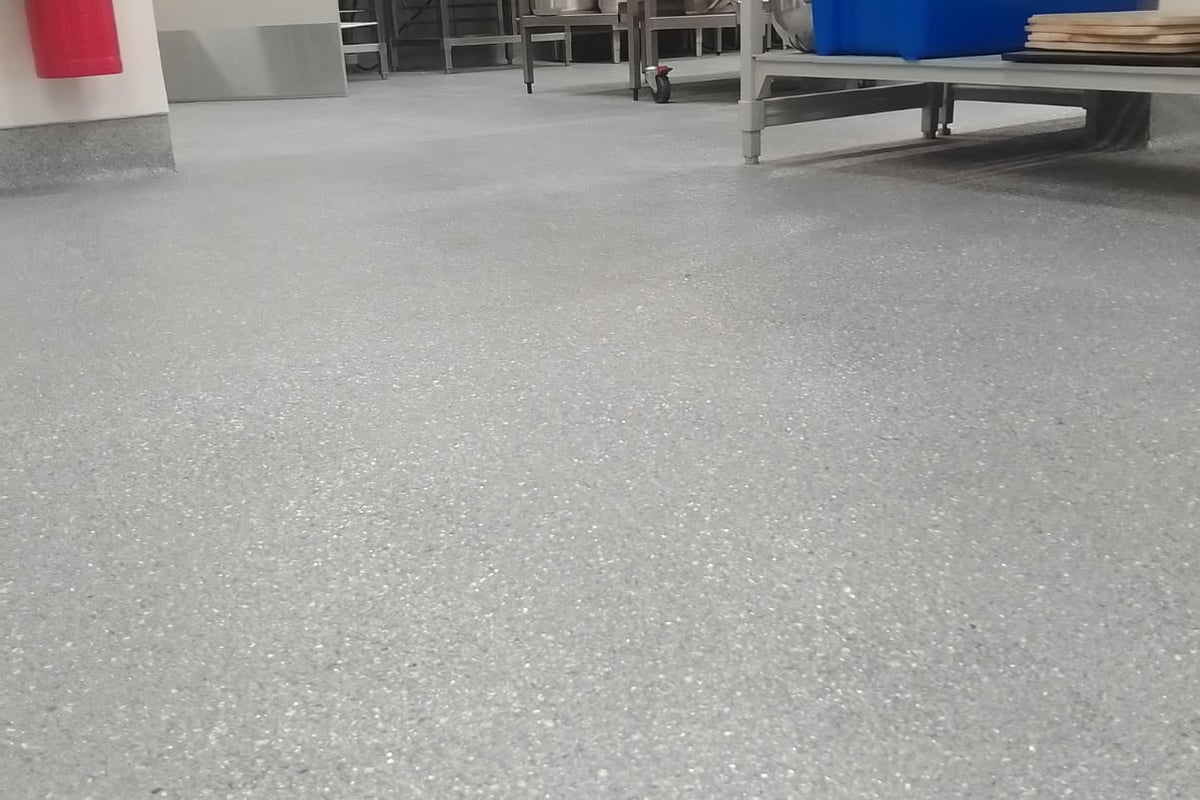
Polished concrete offers a cost-effective solution for industrial environments where chemical exposure is minimal but durability remains essential. The grinding and polishing process densifies the concrete surface, creating a hardened finish that resists wear from traffic and light impacts.
This system works particularly well in:
- Warehouse distribution areas
- Manufacturing facilities with dry processes
- Automotive showrooms and service centres
- Commercial retail spaces requiring an industrial aesthetic
The reflective surface created through polishing improves lighting efficiency, potentially reducing energy costs in large facilities. However, polished concrete provides less chemical resistance than resinous systems, making it less suitable for environments with significant spill risks.
Polyurethane and Specialty Coatings
Polyurethane flooring systems offer superior flexibility compared to epoxy, making them ideal for areas experiencing thermal movement or vibration. These systems excel in cold storage facilities and food processing areas where thermal cycling is constant.

The installation process for polyurethane systems requires precise environmental control, as humidity and temperature significantly impact curing. Professional industrial concrete flooring contractors understand these nuances and can ensure proper application despite challenging conditions.
Safety Standards and Compliance
Workplace safety regulations mandate specific flooring performance characteristics to protect employees and visitors. Slip resistance ranks among the most critical safety considerations for industrial flooring.
Slip Resistance Requirements
The coefficient of friction (COF) standards define minimum slip resistance values for different environments. Industrial facilities typically require a dynamic coefficient of friction (DCOF) of at least 0.42 for pedestrian areas, with higher values needed in wet or contaminated zones.
Factors affecting slip resistance include:
- Surface texture and profile depth
- Contamination from oils, water, or process materials
- Wear patterns from traffic and cleaning
- Temperature and humidity conditions
Flooring safety standards in Australia require compliance with AS/NZS standards for slip resistance, particularly in food processing and public access areas. Regular testing ensures flooring maintains required performance levels throughout its service life.
Regulatory Compliance Considerations
Industrial facilities must navigate multiple regulatory frameworks depending on their industry sector. Food processing facilities face stringent hygiene requirements from Food Standards Australia New Zealand, whilst chemical manufacturers must comply with environmental protection regulations.
| Compliance Area | Relevant Standards | Key Requirements |
|---|---|---|
| Slip Resistance | AS/NZS 4586 | DCOF values, testing frequency |
| Food Safety | AS 4674 | Seamless, cleanable, impermeable |
| Chemical Storage | AS 1940 | Chemical resistance, containment |
| Fire Safety | BCA Requirements | Flame spread ratings, smoke development |
The National Flooring Authority provides comprehensive guidance on construction requirements and professional credentials for industrial flooring installations.
Installation and Surface Preparation
Successful industrial flooring installation depends primarily on thorough surface preparation. Even the highest-quality flooring materials will fail if applied to improperly prepared substrates.
Concrete Substrate Assessment
Before any coating or finish application, the concrete substrate requires comprehensive evaluation. Moisture content, surface profile, and structural integrity all influence long-term performance.
Professional contractors perform several critical tests:
- Moisture vapour emission testing to identify potential delamination risks
- Pull-off adhesion testing to verify surface soundness
- pH testing to ensure proper alkalinity levels
- Surface profile measurement to confirm adequate texture for bonding
Substrate issues that go unaddressed during installation inevitably lead to premature failure. Proper epoxy flooring preparation involves mechanical grinding or shot blasting to create the optimal surface profile for maximum adhesion.
Application Process and Curing
The application timeline for industrial flooring varies based on system selection and environmental conditions. Epoxy systems typically require 24 to 48 hours for initial cure, with full chemical resistance developing over seven days.
Temperature and humidity control during application and curing is essential. Most resinous systems specify application temperatures between 10°C and 30°C, with relative humidity below 85 percent. Deviations from these parameters can result in surface defects, poor adhesion, or incomplete curing.
Installation phase requirements:
- Complete facility access for surface preparation equipment
- Climate control to maintain optimal application conditions
- Adequate ventilation for solvent-based systems
- Proper surface protection during cure periods
- Sequential application of primer, body coat, and seal coat layers
Working with experienced epoxy flooring contractors ensures these critical parameters are met, protecting your investment and minimising downtime.
Maintenance and Lifecycle Management
Industrial flooring represents a significant capital investment, and proper maintenance extends service life whilst preserving performance characteristics. Developing a comprehensive maintenance programme immediately after installation protects this investment.
Daily and Routine Maintenance
Regular cleaning removes contaminants before they can damage the flooring surface or create safety hazards. Industrial environments generate various contaminants, from process materials to tracked-in debris from external areas.
Effective maintenance programmes include:
- Daily sweeping or dust mopping to remove abrasive particles
- Scheduled wet cleaning with appropriate pH-neutral cleaners
- Immediate spill cleanup to prevent chemical etching
- Regular inspection for surface damage or wear patterns
The specific maintenance requirements vary by flooring system. Understanding how to maintain epoxy floors properly prevents common maintenance mistakes that accelerate wear. Avoid using acidic cleaners on cementitious systems or abrasive pads that scratch protective coatings.

Long-Term Performance Optimisation
Even with excellent maintenance, industrial flooring eventually requires refurbishment or recoating. Planning these interventions strategically minimises operational disruption whilst extending overall system life.
| Maintenance Activity | Frequency | Purpose |
|---|---|---|
| Visual inspection | Weekly | Identify damage early |
| Deep cleaning | Monthly | Remove embedded contaminants |
| Slip testing | Quarterly | Verify safety compliance |
| Wear assessment | Annually | Plan refurbishment timing |
| Recoating | 5-7 years | Restore surface protection |
The lifespan of epoxy flooring in industrial applications typically ranges from 10 to 20 years, depending on traffic intensity and chemical exposure. Polished concrete can last even longer with proper densification and periodic repolishing.
Facility managers should maintain detailed maintenance records documenting cleaning activities, repairs, and performance testing. These records inform future capital planning and help identify areas requiring additional protection or modified operational procedures.
Cost Considerations and Return on Investment
Industrial flooring decisions involve balancing initial installation costs against long-term performance and maintenance expenses. The lowest upfront cost rarely delivers the best value over the flooring lifecycle.
Initial Investment Factors
Material costs represent only one component of total installation expense. Surface preparation, application labour, facility downtime, and curing time all contribute to project costs.
Primary cost drivers include:
- Existing floor condition and required remediation
- System thickness and number of coats
- Surface area and project complexity
- Access requirements and site logistics
- Cure time and operational downtime
Complex facilities with multiple zones may benefit from different flooring systems in different areas, optimising performance and cost. Choosing commercial flooring strategically based on specific area requirements delivers better value than applying a single system throughout.
Lifecycle Cost Analysis
Evaluating flooring options requires analysing total cost of ownership over the expected service life. A more expensive system with lower maintenance requirements and longer lifespan often proves more economical than cheaper alternatives requiring frequent repairs or replacement.
Consider these lifecycle cost components:
- Initial installation investment
- Annual maintenance and cleaning expenses
- Periodic recoating or refurbishment costs
- Expected service life before replacement
- Operational downtime for maintenance activities
The historical development of industrial floor specifications and standards has improved lifecycle predictability, allowing more accurate cost modelling. Modern flooring systems deliver measurable returns through reduced maintenance labour, improved safety outcomes, and enhanced operational efficiency.
Selecting the Right Industrial Flooring Solution
Matching flooring characteristics to operational requirements ensures optimal performance and value. This selection process requires analysing multiple factors specific to your facility and operations.
Application-Specific Requirements
Different industrial environments demand unique flooring characteristics. A warehouse floor prioritises durability and load capacity, whilst a commercial kitchen requires seamless surfaces that withstand thermal shock and frequent cleaning.
For warehouse applications, consider traffic patterns, racking loads, and typical impacts. Distribution centres with high forklift traffic benefit from systems offering superior abrasion resistance and impact tolerance. Commercial grade floor epoxy systems are specifically formulated for these demanding conditions.
Manufacturing facilities must account for process-specific hazards. Automotive workshops require resistance to petroleum products, whilst food processing areas need surfaces that comply with hygiene standards and resist organic acids. Food-grade flooring systems incorporate antimicrobial properties and seamless construction to prevent bacterial growth.
Facility Downtime Planning
Installation timing significantly impacts project feasibility and cost. Most industrial flooring installations require complete area evacuation during surface preparation and application, with additional time needed for curing before resuming operations.
Minimising operational disruption requires:
- Phased installation schedules that maintain partial facility access
- Weekend or shutdown period scheduling for critical areas
- Fast-cure system selection where downtime is limited
- Temporary flooring protection in adjacent operational areas
Professional contractors experienced in commercial floor coatings can develop installation schedules that balance quality outcomes with operational requirements. Some systems offer rapid cure formulations that reduce downtime, though these typically command premium pricing.
Investing in appropriate industrial flooring protects your facility infrastructure, enhances workplace safety, and supports operational efficiency for decades. The right flooring system delivers measurable returns through reduced maintenance costs, improved safety outcomes, and extended service life. Superior Concrete Finishes specialises in epoxy and polished concrete solutions for commercial and industrial facilities throughout South East Queensland, bringing decades of expertise to warehouses, factories, commercial kitchens, and retail spaces. Our fully insured team holds current QBCC licensing and delivers professional installations that meet the demanding requirements of industrial environments.

Joshua Miller has over 15 years of experience in the commercial concrete flooring industry, specialising in epoxy flooring systems and polished concrete solutions for warehouses, factories, retail spaces and commercial developments. Joshua and his team work closely with builders, property owners and facility managers across South East Queensland to deliver durable, cost-effective commercial flooring systems for warehouses, industrial facilities, commercial kitchens, retail stores and large commercial developments.
Major builders and organisations Josh has led projects on include McNab, Hutchinson Builders, IKEA, Queensland Rail, University of Queensland, ADCO, Tomkins Commercial, Bunnings, OfficeWorks, Spotlight, and Anaconda.
If you're planning a project and need advice on the best commercial concrete flooring solution, contact Josh or one of the team at Superior Concrete Finishes.
-
 info@superiorconcretefinishes.com.au
-
1300 789 740
-
Connect with Josh on
LinkedIn


 Connect with Josh on