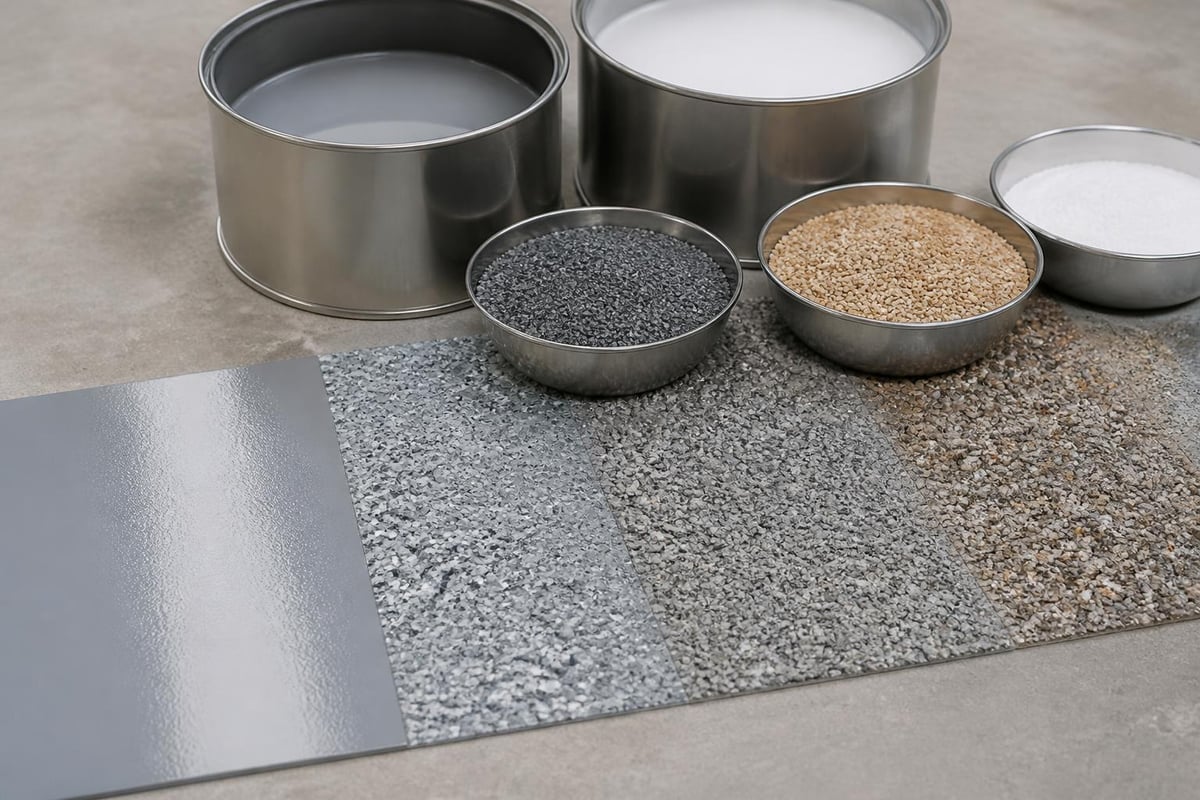
Safety in commercial and industrial facilities depends heavily on choosing appropriate flooring systems that can withstand heavy traffic whilst providing reliable traction. A non slip epoxy floor offers business owners and facility managers a practical solution that addresses both functionality and compliance requirements. These specialised coating systems incorporate texture-enhancing elements that maintain grip in challenging conditions where standard smooth epoxy might present hazards. Understanding the technical aspects, application methods, and performance characteristics of these systems enables informed decision-making for projects ranging from warehouses to commercial kitchens.
Understanding Non Slip Epoxy Floor Systems
Non slip epoxy floor coatings differ fundamentally from standard epoxy systems through the integration of texture-creating components. These specialised formulations combine traditional epoxy resins with aggregates, additives, or modified application techniques that generate surface roughness without compromising the inherent benefits of epoxy.
The chemistry behind these systems involves careful balancing. Standard epoxy creates a smooth, glass-like finish that can become dangerously slippery when wet or contaminated with oils and chemicals. By introducing controlled texture, manufacturers have developed products that maintain excellent chemical resistance and durability whilst significantly improving traction.
Types of Non Slip Additives
Several approaches exist for creating slip resistance in epoxy flooring systems:
- Broadcast aggregates: Silica sand, aluminium oxide, or polymer grit scattered onto wet epoxy
- Pre-mixed formulations: Epoxy with integrated texture particles throughout the coating
- Rubber-infused systems: Epoxy modified with rubber particles for enhanced cushioning and grip
- Chemical texturing: Specialised application techniques creating inherent surface roughness
Each method produces distinct performance characteristics suited to different environments and traffic patterns.
Applications Requiring Non Slip Properties
The demand for non slip epoxy floor systems spans numerous commercial and industrial settings where safety cannot be compromised. Factory flooring applications frequently require enhanced traction due to the presence of machinery, equipment traffic, and potential fluid spills.
Commercial kitchens represent one of the most demanding environments for slip resistance. Constant exposure to water, grease, food particles, and cleaning chemicals creates persistently hazardous conditions. High-performance systems like Resin Grip™ have been specifically engineered for these challenging food processing and preparation areas where hygiene and safety intersect.
Manufacturing facilities processing liquids or operating in wet conditions benefit significantly from textured epoxy systems. Processing plants, breweries, beverage production facilities, and chemical manufacturing operations all share common requirements for floors that maintain traction despite constant moisture exposure.
Warehouse and Distribution Environments
Warehouse flooring demands particularly robust solutions given the combination of heavy forklift traffic, pedestrian movement, and potential spill scenarios. A non slip epoxy floor in these settings must balance adequate texture with the smoothness required for efficient material handling equipment operation.
Loading dock areas present specific challenges where interior and exterior conditions meet. Temperature fluctuations, moisture ingress, and frequent transitions between wet and dry states require coating systems with consistent slip resistance across varying conditions.
Performance Standards and Testing
Quantifying slip resistance involves standardised testing methodologies that assign numerical values to surface friction. The primary measurement systems used in Australia include:
| Test Method | Measurement | Application |
|---|---|---|
| Pendulum Test (AS 4586) | P-rating (P1-P5) | Wet barefoot areas |
| Wet Pendulum (AS 4663) | BPN value | General walkways |
| Oil-Wet Ramp Test | R-rating (R9-R13) | Industrial areas |
| Coefficient of Friction | Static/Dynamic COF | Multi-purpose assessment |
P-ratings indicate performance in wet barefoot conditions, with P5 representing the highest slip resistance. Industrial environments typically require minimum P4 or P5 ratings depending on anticipated conditions and regulatory requirements.
R-ratings measure performance on oil-contaminated surfaces using an inclined ramp test. Workshop flooring in mechanical and automotive facilities often specifies minimum R11 or R12 ratings to address oil and lubricant exposure.

Installation Considerations for Textured Epoxy
Proper installation of a non slip epoxy floor requires technical expertise beyond standard epoxy application. The substrate preparation phase remains critical, as texture cannot compensate for poor adhesion or substrate defects. Concrete surfaces must achieve appropriate profile depths through diamond grinding, shot blasting, or acid etching depending on the specific system requirements.
Moisture testing assumes heightened importance with textured systems. Calcium chloride testing or relative humidity probe measurements verify that substrate moisture levels fall within acceptable parameters. Excess moisture can compromise both adhesion and the curing process, leading to premature failure.
Application Techniques
Different non slip systems require distinct application approaches:
- Broadcast method: Apply base coat epoxy at specified thickness, broadcast aggregate to refusal, allow cure, remove loose particles, seal with topcoat
- Pre-mixed systems: Combine texture additives with epoxy immediately before application, apply using roller or squeegee, backroll to even distribution
- Multi-layer build: Apply primer coat, intermediate texture coat with aggregate, final sealer coat for durability
Temperature and humidity during application significantly affect curing and performance. Most systems specify application temperatures between 10°C and 30°C with relative humidity below 85% for optimal results.
The choice between systems depends on required slip resistance levels, expected traffic patterns, chemical exposure, and maintenance considerations. Products like STOP-SLIP™ HD offer 98% solids formulations engineered specifically for heavy-duty applications where maximum durability and traction are paramount.
Chemical Resistance and Durability
A primary advantage of epoxy-based non slip systems lies in their exceptional chemical resistance. The epoxy matrix provides protection against acids, alkalis, solvents, and petroleum products whilst the texture component maintains traction. This dual functionality proves essential in industrial settings where chemical spills coincide with slip hazards.
Epoxy Flooring systems offer proven resistance to a broad spectrum of chemicals commonly encountered in commercial and industrial operations. When combined with appropriate aggregate materials, this chemical resistance extends throughout the entire floor system rather than existing only at the surface.

Aggregate Selection Impact
The type of aggregate incorporated affects both performance and longevity:
- Silica sand: Economical, moderate durability, suitable for light to medium traffic
- Aluminium oxide: Exceptional hardness, superior wear resistance, ideal for heavy traffic
- Polymer grit: Reduced substrate abrasion, barefoot-friendly, appropriate for food processing
- Rubber particles: Impact absorption, enhanced comfort, moderate durability
Aluminium oxide aggregates, whilst more expensive initially, often deliver superior lifecycle value in high-traffic environments due to their extreme hardness and wear resistance. Products incorporating Kevlar-modified resins, such as IDEAL Super Duty Non-Slip Epoxy, further enhance toughness and chemical resistance for the most demanding industrial applications.
Maintenance Requirements and Lifecycle Costs
Textured surfaces inherently require different maintenance approaches compared to smooth epoxy. The surface roughness that provides traction also creates additional surface area where contaminants can accumulate. Regular cleaning protocols must account for this increased complexity whilst preserving the texture that delivers slip resistance.
Recommended maintenance practices include:
- Daily cleaning: Remove debris and contaminants using appropriate cleaning solutions and equipment
- Weekly deep cleaning: Utilise mechanical scrubbing equipment to address embedded soiling
- Periodic inspections: Assess texture retention, identify wear patterns, schedule remedial work
- Annual testing: Verify slip resistance values meet original specifications and regulatory requirements
Automatic scrubbing machines with appropriate brush types prove most effective for routine maintenance. Avoid high-pressure washing that might erode aggregate materials or damage the epoxy matrix. Understanding maintaining warehouse floors principles helps establish effective protocols.
Texture Degradation and Restoration
Over time, even the most durable non slip epoxy floor systems experience wear in high-traffic pathways. The texture components gradually wear down, reducing slip resistance values. Strategic planning for periodic restoration extends system lifecycle and maintains safety compliance.
Restoration options include:
- Topcoat reapplication: Add new textured topcoat layer over existing system
- Aggregate rebroadcast: Apply thin epoxy layer, broadcast fresh aggregate, seal
- Localized repairs: Address high-wear zones without complete floor replacement
- Complete resurfacing: Remove existing system, apply new non slip epoxy floor
Lifecycle cost analysis should factor in these maintenance and restoration requirements when comparing initial installation costs across different flooring options.
Design Flexibility and Aesthetic Considerations
Modern non slip epoxy floor systems offer surprising design flexibility despite their functional focus. Colour options, aggregate types, and finish techniques allow customisation that aligns with branding requirements or facility wayfinding strategies. Understanding epoxy flooring colours options helps facilities create both safe and visually appealing environments.
Colour-coded zones can designate different functional areas, traffic pathways, or hazard zones whilst maintaining consistent slip resistance throughout. This proves particularly valuable in manufacturing facilities, warehouses, and multi-use commercial spaces where visual organisation enhances operational efficiency.
Balancing Aesthetics and Function
The relationship between texture density and visual appearance requires careful consideration. Higher texture levels providing superior slip resistance create more pronounced surface roughness that affects light reflection and perceived colour. Facility managers must balance aesthetic preferences with safety requirements and regulatory compliance.
Certain applications prioritise function over aesthetics. Commercial kitchens and food processing facilities typically emphasise maximum slip resistance and hygiene over appearance, accepting more aggressive textures and lighter colours that facilitate contamination detection.
Regulatory Compliance and Documentation
Australian standards and workplace health and safety regulations establish minimum performance requirements for flooring in various commercial and industrial applications. Compliance documentation proves essential for demonstrating due diligence and managing liability exposure.
Key regulatory considerations include:
- Work Health and Safety Act 2011: Establishes employer obligations for safe workplace conditions
- AS 4586: Specifies slip resistance testing methods and classification
- AS 4663: Provides guidelines for slip resistance measurement
- Building Code of Australia: Sets performance requirements for commercial building flooring
- Food safety standards: Additional requirements for food preparation and processing areas
Engaging experienced contractors familiar with flooring safety standards ensures projects meet all applicable regulations from design through installation.
Testing and Certification Requirements
Many facilities require independent testing and certification of slip resistance values before accepting completed flooring installations. This testing typically occurs after final curing but before facility handover. Documentation should include:
- Test method used (Pendulum, Oil-Wet Ramp, COF)
- Multiple test locations throughout the floor area
- Environmental conditions during testing
- Compliance certificates from accredited testing organisations
- Installation quality assurance documentation
Retaining these records provides baseline values for future comparison during periodic reassessment and maintenance planning.
Comparing Non Slip Epoxy to Alternative Systems
Understanding how non slip epoxy floor systems compare to alternatives helps facilities select optimal solutions for specific applications. Each flooring type presents distinct advantages and limitations depending on operational requirements.
| Flooring Type | Slip Resistance | Chemical Resistance | Durability | Maintenance | Cost |
|---|---|---|---|---|---|
| Non Slip Epoxy | Excellent | Excellent | Very Good | Moderate | Medium |
| Polyurethane | Excellent | Good | Excellent | Moderate | Medium-High |
| Textured Concrete | Good | Poor | Moderate | High | Low |
| Safety Grating | Excellent | Good | Good | Low | High |
| Rubber Flooring | Excellent | Fair | Good | Moderate | Medium |
Polyurethane systems offer advantages in environments with extreme temperature cycling or thermal shock. Polyurethane flooring installations demonstrate superior flexibility and thermal stability whilst maintaining excellent slip resistance through similar texturing approaches.
Products like STOP-SLIP™ LTB provide medium-duty solutions suitable for pedestrian and light rolling equipment traffic, offering cost-effective alternatives where maximum heavy-duty performance isn't required.
Substrate Conditions and Compatibility
The underlying concrete substrate profoundly influences non slip epoxy floor performance and longevity. Comprehensive substrate assessment identifies potential issues before installation, preventing costly failures.
Critical substrate factors include:
- Compressive strength: Minimum 25 MPa required for most epoxy systems
- Tensile strength: Must exceed adhesive strength of epoxy coating
- Moisture vapour transmission: Should not exceed system-specific limits
- Surface contamination: Oils, curing compounds, sealers must be completely removed
- Structural soundness: Cracks, spalling, delamination require repair before coating
New concrete requires adequate curing time before coating application. Most manufacturers specify minimum 28-day cure periods, though some rapid-cure formulations accommodate shorter timelines. Moisture testing remains mandatory regardless of concrete age.
Remediation of Problematic Substrates
Existing concrete often presents challenges requiring remediation before successful non slip epoxy floor installation. Common issues and solutions include:
- Oil contamination: Solvent cleaning, alkaline degreasing, mechanical grinding
- Previous coatings: Complete removal through scarifying, shot blasting, or diamond grinding
- Weak surface laitance: Mechanical preparation to expose sound substrate
- Active moisture transmission: Moisture barrier primers, vapour-blocking systems
- Structural defects: Concrete repair mortars, crack injection, joint treatments
Investment in proper substrate preparation typically exceeds coating material costs but proves essential for achieving specified performance and longevity. Products like Chemsol 2500 demonstrate excellent performance when applied to properly prepared substrates but cannot compensate for inadequate preparation.
Environmental Conditions and Performance
Temperature, humidity, and chemical exposure patterns significantly affect both application success and long-term performance of non slip epoxy floor systems. Understanding these environmental factors enables appropriate system selection and installation planning.
Extreme temperature environments require specially formulated epoxy systems. Cold storage facilities operating at sub-zero temperatures demand flexible formulations that resist thermal shock cracking. Conversely, facilities experiencing elevated temperatures from process equipment or thermal cycling need heat-resistant epoxy variants that maintain properties above standard operating ranges.
Chemical exposure assessment identifies specific contaminants that floors will encounter. Generic chemical resistance ratings provide limited value compared to testing against actual chemicals at anticipated concentrations and contact durations. Manufacturers provide detailed chemical resistance charts, but real-world exposure conditions may warrant specific performance testing.
UV Stability Considerations
Standard epoxy systems experience colour shift and chalking when exposed to ultraviolet radiation. Whilst this cosmetic degradation doesn't typically compromise structural integrity or slip resistance, aesthetic considerations may drive selection of UV-stable formulations in areas with significant natural light exposure.
Polyaspartic topcoats provide excellent UV stability whilst maintaining the chemical resistance and durability of underlying epoxy systems. This hybrid approach optimises performance characteristics for challenging multi-exposure environments. Some manufacturers offer UV-resistant formulations such as Dura Grip High-Performance Non-Slip Epoxy Paint specifically engineered to address colour stability requirements.
Industry-Specific Applications
Different industries present unique combinations of slip hazard factors, chemical exposures, and operational requirements that influence optimal non slip epoxy floor system selection.
Food and Beverage Processing
Food safety regulations mandate stringent hygiene standards alongside slip resistance requirements. Non slip epoxy floor systems in these environments must withstand aggressive cleaning protocols using hot water, steam, acids, alkalis, and sanitising chemicals whilst preventing bacterial harbourage.
Seamless installations eliminating joints and crevices facilitate thorough cleaning and prevent contamination accumulation. Light colours enable visual contamination detection during cleaning verification. Maximum texture levels appropriate for the specific area usage provide essential traction in perpetually wet conditions.
Automotive and Mechanical Workshops
Oil and lubricant exposure defines slip hazard profiles in automotive service facilities. R-rating specifications typically require R11 or R12 performance to address oil-wet conditions. The non slip epoxy floor must also resist petroleum product degradation, hydraulic fluids, brake fluids, and aggressive solvents commonly encountered in these environments.
Heavy point loads from vehicle lifts and equipment demand high-compressive-strength epoxy formulations. Impact resistance proves essential where dropped tools and components create mechanical stress. Dark colours often suit these applications, masking staining from inevitable spills and contamination.
Pharmaceutical and Healthcare
Pharmaceutical manufacturing and healthcare facilities require floors meeting exacting standards for chemical resistance, cleanability, and slip resistance whilst accommodating stringent contamination control protocols. Static dissipative or conductive properties may be specified where electrostatic discharge presents risks to sensitive equipment or processes.
Anti-microbial additives integrated into epoxy systems provide additional protection against bacterial growth, complementing standard cleaning protocols. Seamless installations extending up wall bases create coved transitions eliminating corners that trap contaminants and compromise hygiene.
Selecting and installing the right non slip epoxy floor system requires balancing multiple performance factors including slip resistance ratings, chemical exposure resistance, durability requirements, and maintenance capabilities whilst ensuring regulatory compliance. Success depends on comprehensive assessment of operational conditions, proper substrate preparation, and expert installation. For commercial and industrial facilities throughout South East Queensland requiring proven non slip flooring solutions, Superior Concrete Finishes brings decades of specialised experience in epoxy and polished concrete systems for warehouses, factories, commercial kitchens, and industrial workshops. Our fully insured, QBCC-licensed team delivers durable flooring solutions engineered for your specific operational requirements.

Joshua Miller has over 15 years of experience in the commercial concrete flooring industry, specialising in epoxy flooring systems and polished concrete solutions for warehouses, factories, retail spaces and commercial developments. Joshua and his team work closely with builders, property owners and facility managers across South East Queensland to deliver durable, cost-effective commercial flooring systems for warehouses, industrial facilities, commercial kitchens, retail stores and large commercial developments.
Major builders and organisations Josh has led projects on include McNab, Hutchinson Builders, IKEA, Queensland Rail, University of Queensland, ADCO, Tomkins Commercial, Bunnings, OfficeWorks, Spotlight, and Anaconda.
If you're planning a project and need advice on the best commercial concrete flooring solution, contact Josh or one of the team at Superior Concrete Finishes.
-
 info@superiorconcretefinishes.com.au
-
1300 789 740
-
Connect with Josh on
LinkedIn


 Connect with Josh on