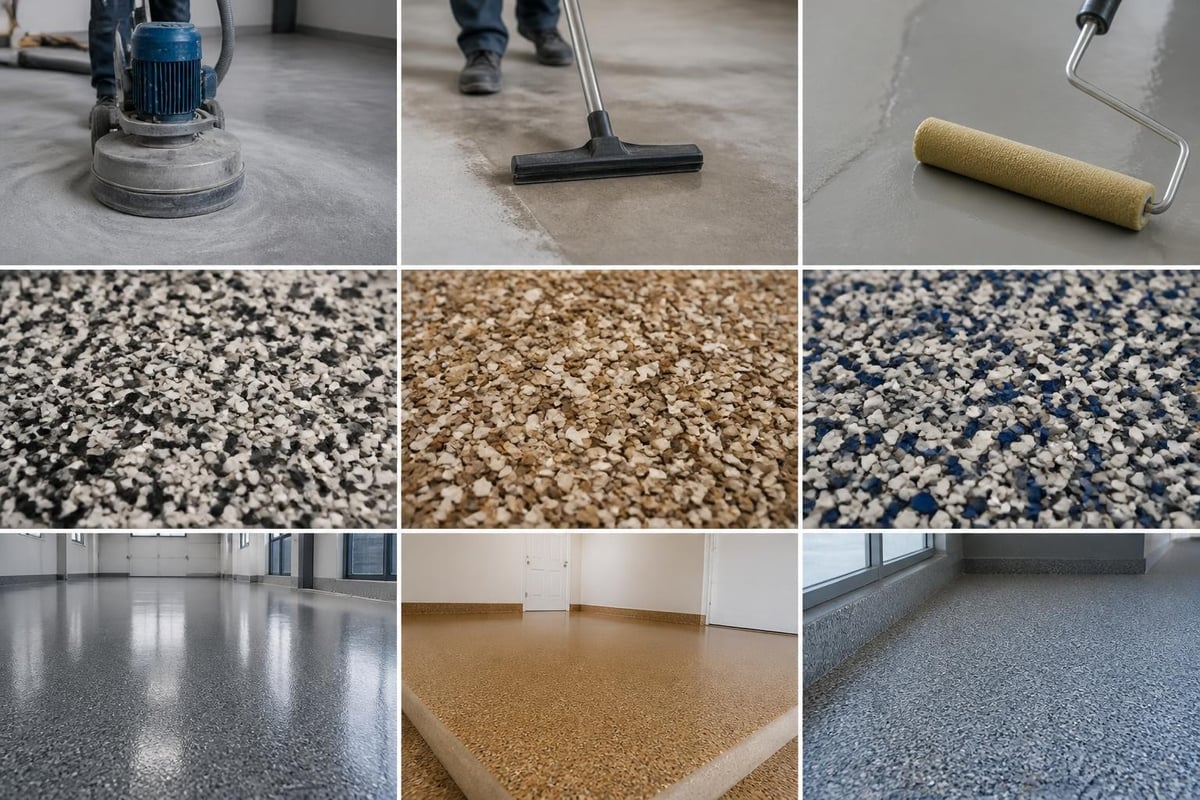
Workplace safety stands as a non-negotiable priority across commercial and industrial facilities throughout Australia. Slip and fall incidents represent one of the most common workplace hazards, leading to serious injuries, lost productivity, and significant financial liabilities. Non slip floor coating systems provide a proven solution that transforms potentially hazardous surfaces into safe, high-traction environments. These specialized coatings combine advanced chemistry with practical application techniques to deliver surfaces that maintain grip even under challenging conditions, making them essential for warehouses, commercial kitchens, factories, and retail spaces where foot traffic and operational demands create constant safety concerns.
Understanding Non Slip Floor Coating Technology
Non slip floor coating refers to specialized surface treatments applied to concrete floors to increase friction and reduce the risk of slips and falls. These coatings work by creating texture and grip through various mechanisms, including embedded aggregates, chemical texturing, or raised surface profiles.
The science behind these coatings centres on coefficient of friction (COF), a measurement that determines how much traction a surface provides. Australian Standards recommend minimum COF values for different applications, with higher numbers indicating better slip resistance. Commercial facilities typically require COF values between 0.6 and 0.8 for dry conditions and 0.5 or higher for wet conditions.
Key Components of Effective Systems
Modern non slip floor coating systems incorporate several essential elements:
- Base resin – typically epoxy, polyurethane, or hybrid formulations that bond to concrete
- Aggregate materials – aluminium oxide, silicon carbide, or polymer beads that create texture
- Chemical additives – compounds that enhance durability, UV resistance, and chemical tolerance
- Surface profile – the depth and pattern of texture that generates friction
Different aggregate sizes and distribution patterns create varying levels of slip resistance. Finer aggregates suit light-duty applications like retail spaces, whilst coarser materials work better in industrial settings where heavy machinery and wet conditions prevail.
Recent research on hydrophobic floor coatings demonstrates how advanced formulations can repel water whilst maintaining superior mechanical properties. This dual functionality proves particularly valuable in facilities where moisture control challenges safety.
Commercial Applications and Industry Requirements
Manufacturing facilities, food processing plants, and mechanical workshops demand robust non slip floor coating solutions that withstand constant abuse whilst maintaining safety standards. These environments present unique challenges including chemical exposure, thermal cycling, impact from dropped materials, and regular cleaning protocols.
In commercial kitchens, grease and water create exceptionally hazardous conditions. Non slip coatings designed for food service environments must meet stringent health regulations whilst providing reliable traction. The coating system needs to resist degradation from cleaning chemicals, hot water, and organic acids whilst maintaining a seamless, hygienic surface that prevents bacterial growth.
| Facility Type | Primary Hazards | Recommended COF | Typical Coating System |
|---|---|---|---|
| Commercial Kitchen | Grease, water, oils | 0.60+ wet | Heavy-duty epoxy with coarse aggregate |
| Warehouse | Water, oils, dust | 0.50+ wet | Medium aggregate epoxy or polyurethane |
| Retail Store | Water, cleaning products | 0.50+ wet | Fine aggregate with aesthetic finish |
| Factory Floor | Chemicals, oils, impact | 0.55+ wet | Chemical-resistant epoxy with medium aggregate |
Epoxy flooring systems form the foundation for many non slip applications because they create durable, chemical-resistant surfaces that bond exceptionally well to concrete substrates.


Types of Non Slip Floor Coating Systems
Broadcast Aggregate Systems
This method involves applying a base coat of epoxy or polyurethane, then broadcasting aggregate materials across the wet surface. Excess aggregate is removed after curing, leaving a textured surface with excellent slip resistance.
The broadcast technique offers several advantages:
- Customisable texture levels by adjusting aggregate size and coverage
- Excellent durability as aggregates become mechanically locked into the coating
- Cost-effective for large surface areas
- Suitable for high-traffic industrial environments
Trowel-Applied Textured Coatings
Specialised mortars and trowelable compounds create raised surface patterns that channel liquids away whilst providing grip. These systems work particularly well on slopes, ramps, and areas where drainage is critical.
Application thickness ranges from 3mm to 10mm depending on required texture depth. The heavier build provides additional benefits including crack bridging, impact resistance, and the ability to level uneven substrates.
Roller-Applied Texture Coatings
For lighter-duty applications, roller-applied systems incorporate fine aggregates or texturing agents directly into the coating formulation. Installers apply these products with standard roller equipment, making them faster and less labour-intensive than broadcast methods.
These systems suit retail environments, office spaces, and amenity areas where moderate slip resistance suffices and aesthetics matter. The finish appears more uniform and less industrial compared to heavy broadcast applications.
Anti-Skid Deck Coatings
Originally developed for maritime applications, advanced anti-skid deck coatings now see widespread use in commercial settings. These formulations combine superior wear resistance with consistent friction properties across temperature ranges and exposure conditions.
Surface Preparation and Application Process
Proper surface preparation determines the long-term performance of any non slip floor coating. Concrete substrates must be clean, dry, and structurally sound before coating application. This preparation process typically involves several critical steps.
- Assessment and testing – evaluate concrete strength, moisture levels, and existing contamination
- Cleaning and degreasing – remove oils, grease, dirt, and previous coatings
- Mechanical preparation – grind, shot-blast, or scarify to create surface profile
- Repair work – fill cracks, level depressions, and address structural issues
- Moisture testing – verify concrete moisture content falls within acceptable limits
- Priming – apply appropriate primer to enhance adhesion and penetration
The grinding or shot-blasting phase creates a concrete surface profile (CSP) that allows mechanical bonding. Different coating systems require specific CSP levels, typically ranging from CSP-2 to CSP-4 for standard applications.
Application Methodology
Professional installers follow precise protocols to ensure uniform coverage and texture distribution:
- Mix coating components according to manufacturer specifications and ambient conditions
- Apply base coat at recommended thickness using squeegee, roller, or spray equipment
- Broadcast aggregate at specified coverage rates whilst coating remains wet
- Allow sufficient cure time before removing loose aggregate
- Apply topcoat or sealer if specified in the system design
Temperature and humidity during application significantly impact curing characteristics. Most systems require ambient temperatures between 10°C and 30°C with relative humidity below 80% for optimal results.

Performance Characteristics and Testing Standards
Objective measurement of slip resistance ensures non slip floor coating systems deliver promised safety benefits. Australian Standards AS 4586 and AS 4663 establish testing protocols and classification systems for slip resistance.
Testing Methods
Several standardised tests evaluate slip resistance under controlled conditions:
- Pendulum Test – measures dynamic coefficient of friction using a swinging pendulum with rubber slider
- Wet Barefoot Ramp Test – determines safe angle of incline for wet barefoot traffic
- Dry Floor Friction Test – assesses traction under dry conditions using various methods
- Oil-Wet Ramp Test – evaluates performance in industrial environments with oil contamination
Research examining slip resistance across multiple floor surfaces under wet and dry conditions provides valuable data for specifying appropriate systems. This testing demonstrates how different coating types and textures perform under real-world conditions.
| Test Method | Application | Classification Range | Ideal Range for Commercial |
|---|---|---|---|
| Pendulum (Wet) | General areas | 0-54+ | 36-54+ |
| Barefoot Ramp | Wet areas, pools | A, B, C | B or C |
| Oil-Wet Ramp | Industrial | R9-R13 | R11-R13 |
| Dry Slip Test | Retail, office | P0-P5 | P4-P5 |
Durability and Longevity Factors
The service life of non slip floor coating depends on multiple variables including traffic volume, maintenance practices, chemical exposure, and initial installation quality. Well-installed systems in properly maintained facilities typically perform for 5-15 years before requiring renewal.
Factors that accelerate wear include:
- Constant abrasion from heavy machinery or loaded pallet jacks
- Aggressive chemical cleaning or exposure to process chemicals
- Thermal stress from temperature fluctuations or thermal shock
- UV exposure in outdoor or sunlit areas
- Impact damage from dropped tools, materials, or equipment
Industry-Specific Considerations for South East Queensland
Queensland's subtropical climate presents unique challenges for non slip floor coating applications. High humidity, intense UV exposure, and temperature variations demand coating systems specifically formulated for these conditions.
Warehouse flooring in South East Queensland requires particular attention to moisture vapour transmission, as concrete slabs can absorb significant moisture during wet seasons. This moisture can compromise coating adhesion if not properly addressed through vapour barriers or moisture-tolerant primer systems.
Compliance and Certification Requirements
Commercial and industrial facilities must comply with Work Health and Safety regulations that mandate safe working surfaces. The QBCC licensing framework ensures contractors possess the necessary skills and insurance to deliver compliant installations.
Key regulatory considerations include:
- AS 3958 standards for workplace safety surfaces
- Building Code of Australia slip resistance requirements
- Industry-specific regulations for food processing, chemical handling, and manufacturing
- Local council requirements for commercial fit-outs and refurbishments
- Insurance and liability requirements for contractor selection
Maintenance and Long-Term Performance
Regular maintenance preserves the slip-resistant properties and extends the service life of coated floors. Commercial facilities should implement structured maintenance programmes that address daily cleaning, periodic deep cleaning, and systematic inspections.
Daily Maintenance Protocols
Simple daily practices prevent degradation and maintain traction:
- Sweep or vacuum to remove loose debris and abrasive particles
- Spot-clean spills immediately to prevent contamination buildup
- Use pH-neutral cleaning solutions appropriate for the coating type
- Avoid harsh chemicals or abrasive cleaning tools that damage texture
- Ensure adequate drying time before reopening areas to traffic
Periodic Maintenance Requirements
Scheduled deep cleaning and inspection cycles identify wear patterns and potential issues before they compromise safety. Factory flooring systems particularly benefit from quarterly or semi-annual professional cleaning that removes embedded contaminants.
Maintenance schedules should include:
- Monthly visual inspections for wear, delamination, or damage
- Quarterly slip resistance testing in high-risk areas
- Semi-annual deep cleaning with appropriate equipment
- Annual professional assessment of overall coating condition
- Five-year recoating or renovation planning based on wear rates
Repairs and Restoration
Even well-maintained non slip floor coating systems eventually require repairs. Small damaged areas can often be patch-repaired without full floor replacement, though achieving seamless texture matching requires skill and experience.
Major renovation typically involves removing existing coating, re-preparing the substrate, and installing a complete new system. This approach proves more cost-effective than ongoing patch repairs once wear becomes widespread.
Cost Considerations and Return on Investment
Investment in quality non slip floor coating delivers measurable returns through reduced workplace injuries, lower insurance premiums, and extended floor life. Initial costs vary based on system type, surface condition, project size, and performance requirements.
| System Type | Typical Cost Range (per m²) | Expected Service Life | Best Applications |
|---|---|---|---|
| Roller Texture | $45-$75 | 5-7 years | Light commercial, retail |
| Broadcast Aggregate (Fine) | $75-$110 | 7-10 years | Medium traffic, food service |
| Broadcast Aggregate (Coarse) | $90-$140 | 10-15 years | Heavy industrial, warehouses |
| Trowel-Applied Mortar | $120-$180 | 12-20 years | Extreme conditions, chemical exposure |
These figures represent 2026 market rates for professional installation in South East Queensland, including surface preparation, materials, and labour. Actual costs depend on site-specific factors such as access constraints, substrate condition, and project timing.
Calculating Safety ROI
The financial impact of slip and fall incidents extends beyond immediate medical costs. WorkCover claims, productivity losses, potential litigation, and reputational damage create substantial hidden costs that quality flooring prevents.
Australian workplace injury statistics indicate slip and fall incidents cost businesses an average of $150,000 when considering all direct and indirect expenses. For facilities with 50+ employees, investing in proper non slip floor coating typically pays for itself within 2-3 years through incident prevention alone.
Selecting the Right Coating System
Choosing an appropriate non slip floor coating requires careful analysis of operational requirements, environmental conditions, and budget constraints. Cookie-cutter solutions rarely deliver optimal results in commercial and industrial applications.
Professional assessment should examine:
- Traffic patterns and volume – pedestrian versus vehicular, frequency and load weights
- Contamination types – water, oils, chemicals, organic materials, or combinations
- Cleaning requirements – frequency, methods, and chemical products used
- Aesthetic considerations – colour preferences, finish appearance, corporate branding
- Budget parameters – initial investment versus lifecycle costs
- Downtime constraints – available installation windows and cure time requirements
Commercial car park flooring demonstrates how different environments within the same facility may require varied approaches. Exposed parking decks need UV-stable systems with drainage capabilities, whilst enclosed areas focus on oil resistance and easy cleaning.
Working with Experienced Contractors
The quality of installation determines long-term performance as much as the coating products themselves. Experienced contractors bring critical knowledge about substrate preparation, environmental conditions, and application techniques that distinguish successful projects from problematic ones.
When evaluating contractors, verify:
- Current QBCC licensing and appropriate trade classifications
- Comprehensive insurance coverage including public liability and workers compensation
- Demonstrated experience with similar facility types and coating systems
- References from comparable commercial or industrial projects
- Manufacturer certifications for specified product systems
- Understanding of relevant Australian Standards and compliance requirements
Environmental and Sustainability Factors
Modern non slip floor coating systems increasingly incorporate environmental considerations without compromising performance. Low-VOC formulations, sustainable aggregate sources, and reduced waste generation align with corporate sustainability goals whilst meeting green building certification requirements.
Water-based coating systems have advanced significantly in recent years, now offering durability comparable to traditional solvent-based products. These formulations reduce atmospheric emissions during application and improve indoor air quality during and after installation.
Sustainability considerations extend beyond product chemistry to include:
- Long service life reducing replacement frequency and material consumption
- Seamless surfaces that reduce cleaning water and chemical requirements
- Light-reflective finishes that reduce artificial lighting energy consumption
- Locally manufactured products reducing transportation environmental impact
- Recyclable packaging and minimal jobsite waste generation
Green Star and other building certification programmes recognise properly specified flooring systems as contributing to overall environmental performance. Documentation of low-emission products, local sourcing, and durability projections supports certification applications.
Implementing proper non slip floor coating transforms commercial and industrial facilities into safer, more productive environments whilst delivering measurable financial returns through injury prevention and extended floor life. Whether you operate warehouses, retail spaces, factories, or commercial kitchens across South East Queensland, professional flooring solutions designed specifically for your operational demands ensure compliance, safety, and performance. Superior Concrete Finishes brings decades of expertise in commercial concrete flooring, helping businesses throughout the region select and install the right systems backed by full licensing and insurance.

Joshua Miller has over 15 years of experience in the commercial concrete flooring industry, specialising in epoxy flooring systems and polished concrete solutions for warehouses, factories, retail spaces and commercial developments. Joshua and his team work closely with builders, property owners and facility managers across South East Queensland to deliver durable, cost-effective commercial flooring systems for warehouses, industrial facilities, commercial kitchens, retail stores and large commercial developments.
Major builders and organisations Josh has led projects on include McNab, Hutchinson Builders, IKEA, Queensland Rail, University of Queensland, ADCO, Tomkins Commercial, Bunnings, OfficeWorks, Spotlight, and Anaconda.
If you're planning a project and need advice on the best commercial concrete flooring solution, contact Josh or one of the team at Superior Concrete Finishes.
-
 info@superiorconcretefinishes.com.au
-
1300 789 740
-
Connect with Josh on
LinkedIn


 Connect with Josh on