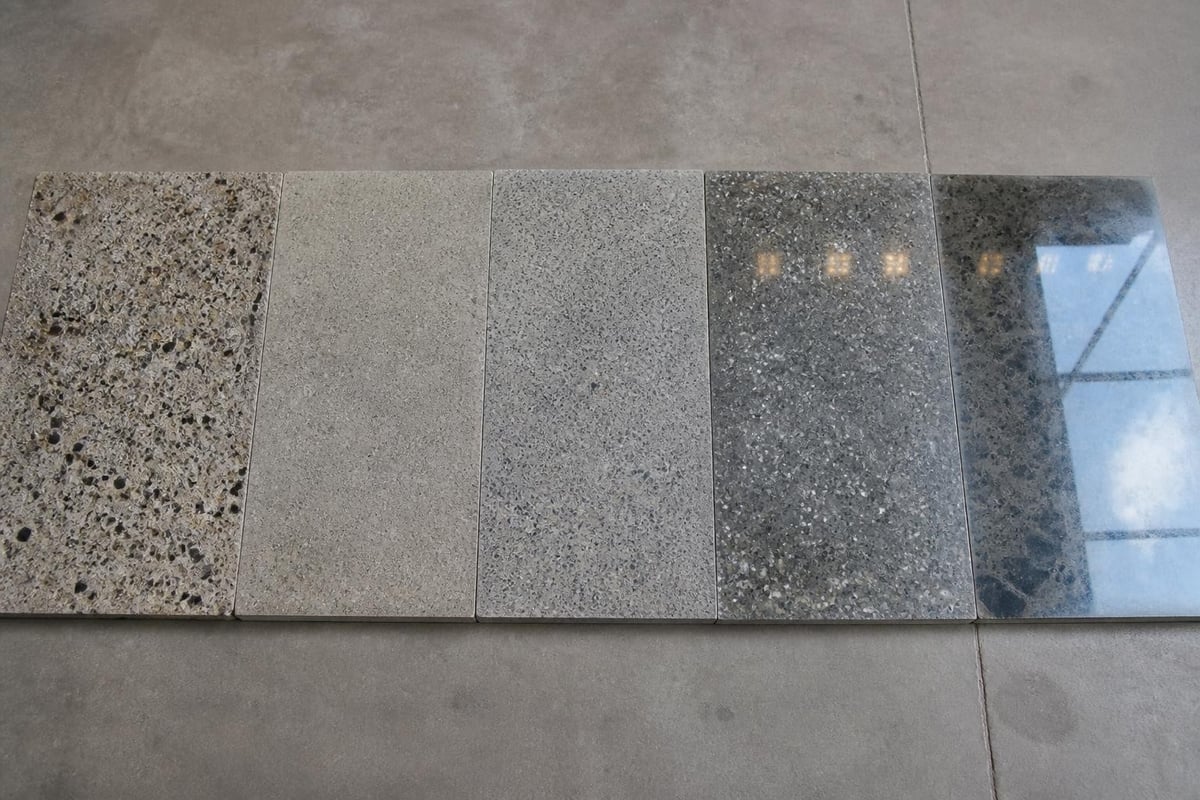
Polished concrete finishes have become a dominant choice for commercial and industrial facilities across South East Queensland, offering a combination of durability, aesthetics, and long-term cost efficiency. Unlike traditional coatings or overlays, these finishes are created by mechanically grinding and polishing the existing concrete surface to reveal its inherent characteristics. The process transforms ordinary concrete into a sophisticated flooring solution suitable for warehouses, retail stores, factories, and commercial kitchens. Understanding the technical aspects, finish levels, and practical applications of polished concrete helps facility managers and business owners make informed decisions about their flooring investments.
Understanding the Polishing Process
The creation of polished concrete finishes involves a multi-stage mechanical process that progressively refines the concrete surface. This method uses diamond-embedded abrasives of increasingly finer grits to grind down the concrete, removing imperfections and exposing specific aggregate levels. The process begins with rough grinding using metal-bonded diamond tooling, which removes surface contaminants, minor irregularities, and prepares the slab for densification.
Chemical densifiers play a crucial role in strengthening the concrete during polishing. These lithium or sodium silicate-based compounds penetrate the concrete pores, reacting with calcium hydroxide to form calcium silicate hydrate crystals. This chemical reaction increases surface hardness, reduces porosity, and creates a foundation for achieving high-gloss finishes.
Grinding Stages and Grit Progression
The grinding sequence typically progresses through six to eight stages, each using progressively finer diamond grits:
- Coarse grinding (30-80 grit): Removes surface irregularities and opens concrete pores
- Medium grinding (100-200 grit): Refines surface texture and begins exposing aggregate
- Fine grinding (400-800 grit): Creates a smooth surface foundation
- Polishing (1500-3000+ grit): Develops the desired sheen and reflectivity
Each stage requires complete coverage and careful inspection before progressing to the next grit level. Skipping stages or rushing through grit progressions results in inconsistent finishes, visible scratch patterns, and reduced overall quality. The concrete must be completely dry between densifier application and subsequent polishing stages to achieve optimal results.
Levels of Aggregate Exposure
One of the defining characteristics of polished concrete finishes is the degree of aggregate exposure, which dramatically affects the final aesthetic. The Concrete Polishing Association defines exposure levels that guide specification and expectation setting for commercial projects.
Exposure Classification System
| Exposure Level | Description | Aggregate Visibility | Typical Applications |
|---|---|---|---|
| Level 1 (Cream) | No aggregate exposed | None visible | Light commercial retail |
| Level 2 (Salt & Pepper) | Fine aggregate visible | Small aggregate exposed | Office spaces, showrooms |
| Level 3 (Partial Aggregate) | Medium aggregate visible | 30-50% exposure | Warehouses, factories |
| Level 4 (Full Aggregate) | Large aggregate fully visible | 70-100% exposure | Industrial facilities, workshops |
The exposure level is determined by how much concrete paste is removed during the initial grinding stages. Deeper grinding reveals larger decorative aggregates, creating more visual interest and texture. For commercial kitchens and food processing facilities, Level 1 or Level 2 finishes are often preferred due to their smoother surface characteristics and easier cleaning protocols.

Gloss Levels and Sheen Options
The reflectivity of polished concrete finishes is measured using a gloss meter and categorized into distinct sheen levels. These classifications align with the ACI 310.1-20 specification for polished concrete, which provides standardized guidelines for the industry.
Flat finish (gloss reading below 30) produces minimal light reflection and maintains a natural, matte appearance. This sheen level is achieved by stopping the grinding process at 200-400 grit, creating a surface suitable for industrial workshops where high reflectivity might interfere with operations or safety considerations.
Satin finish (gloss reading 30-60) offers moderate reflection while maintaining a practical, low-glare surface. This mid-range sheen is popular in retail stores and commercial offices, providing aesthetic appeal without excessive mirror-like properties. The grinding process concludes at approximately 800-1500 grit for satin finishes.
High-gloss finish (gloss reading above 60) creates a mirror-like surface with significant light reflection. Achieving this level requires grinding through 3000 grit or higher, coupled with proper densification and burnishing techniques. High-gloss finishes are frequently specified for upscale retail environments, corporate lobbies, and showrooms where visual impact is paramount.
Maintaining Gloss Levels Over Time
Gloss retention depends heavily on traffic patterns, maintenance protocols, and the quality of the initial polishing work. High-traffic commercial areas typically experience gradual gloss reduction in pathways, though proper maintenance of polished concrete can preserve the finish for many years.
- Regular dust mopping removes abrasive particles that cause micro-scratching
- Periodic cleaning with pH-neutral cleaners maintains surface integrity
- Scheduled burnishing with fine-grit pads restores sheen in high-traffic zones
- Annual re-densification protects against wear in industrial settings
Commercial Applications and Performance Characteristics
Polished concrete finishes excel in commercial and industrial environments due to their exceptional durability and low lifecycle costs. The inherent benefits of polished concrete make it particularly suitable for facilities requiring long-lasting, high-performance flooring solutions.
Warehouse and Distribution Centers
Large-scale warehouse operations benefit from polished concrete's resistance to forklift traffic, impact damage, and chemical exposure. The hard, dense surface withstands the constant movement of heavy machinery and pallet loads without deteriorating. Unlike coated systems that may delaminate under point loads, properly polished concrete integrates with the substrate, eliminating separation concerns.
Light reflectivity in warehouse settings can reduce lighting requirements by up to 30%, creating significant energy savings over the facility's operational lifespan. The reflective surface amplifies both natural and artificial light, improving visibility and safety throughout the space.
Retail Store Environments
Commercial office flooring and retail spaces increasingly specify polished concrete finishes for their contemporary aesthetic and practical advantages. The smooth, seamless surface creates a modern canvas for merchandise displays and brand environments. Unlike tile or vinyl flooring, polished concrete eliminates grout lines and seams that collect dirt and require intensive cleaning.
For businesses seeking a professional, low-maintenance solution, polished concrete provides an ideal balance of durability and visual appeal. The process can reveal unique aggregate patterns and colors within the concrete, creating custom aesthetics without additional materials or overlays.

Factory and Manufacturing Facilities
Industrial environments demand flooring that withstands chemical spills, thermal cycling, and continuous equipment operation. Polished concrete finishes resist most industrial chemicals, oils, and cleaning agents better than many alternative systems. The densified surface prevents liquid penetration, simplifying cleanup and maintaining hygiene standards.
Temperature fluctuations in manufacturing facilities can cause problems for adhesive-based flooring systems, but polished concrete remains stable across varying conditions. The thermal mass of concrete also helps regulate facility temperatures, contributing to energy efficiency in climate-controlled production areas.
Design Customization and Aesthetic Options
While polished concrete finishes are often associated with a neutral, grey appearance, numerous customization options exist for commercial projects. Understanding these possibilities helps designers and facility planners achieve specific aesthetic objectives while maintaining the performance characteristics of polished concrete.
Dye and Stain Integration
Acid stains and dyes can be applied before the final polishing stages to introduce color into polished concrete finishes. These products penetrate the concrete surface, creating permanent color that won't wear away with traffic. Color options range from earth tones to bold contemporary hues, allowing alignment with corporate branding or design themes.
- Acid stains: React chemically with concrete to create variegated, translucent color
- Water-based stains: Offer more predictable, uniform color application
- Acetone dyes: Provide vibrant, saturated colors for creative designs
- Integral color: Added during concrete placement for consistent color throughout
Decorative Saw Cuts and Patterns
Precision saw cutting before polishing creates custom patterns, borders, and design elements within the floor. These cuts can incorporate company logos, wayfinding patterns, or geometric designs that become permanent features of the polished surface. The cuts are filled with contrasting materials or left as reveal lines, adding visual interest to large commercial spaces.
Technical Specifications and Quality Standards
Professional specification of polished concrete finishes requires understanding industry standards and performance criteria. The ACI 310.1M-20 specification provides comprehensive guidelines for polished concrete slab finishes, establishing clear expectations for contractors and building owners.
Substrate Requirements and Preparation
Existing concrete slabs must meet specific criteria before polishing can proceed:
- Minimum compressive strength: 25 MPa (3000 psi) or higher
- Surface flatness: FF25 or better for optimal results
- Moisture content: Below 4% relative humidity at slab depth
- Crack repair: All structural cracks properly repaired and stabilized
- Contamination removal: Oil, grease, coatings, and adhesives completely eliminated
Inadequate preparation compromises the final finish quality and longevity. Professional contractors perform thorough substrate assessment before commencing grinding operations, identifying potential issues that require remediation.
Quality Control Measures
Implementing quality control throughout the polishing process ensures consistent results across large commercial installations. Gloss meter readings should be documented at multiple locations and stages, creating a record of progression toward specification requirements. Diamond tooling must be inspected regularly and replaced when performance degrades, preventing uneven grinding patterns.
For projects involving multiple pours or different concrete ages, test areas should be polished to verify consistency before proceeding with the full installation. Variations in concrete hardness, aggregate type, or mix design can produce different polishing responses, requiring technique adjustments to maintain uniformity.
Maintenance Requirements and Long-Term Performance
One of the most compelling advantages of polished concrete finishes is their minimal maintenance requirements compared to alternative commercial flooring systems. Proper maintenance protocols preserve the investment and extend service life beyond two decades in many commercial applications.
Daily and Weekly Maintenance Protocols
Dust mopping or sweeping should occur daily in commercial environments to remove abrasive particles that gradually dull the surface. Microfiber mops are preferable to cotton mops, as they capture fine dust more effectively without scratching the polished surface. High-traffic entrance areas may require multiple dust mopping sessions throughout the day.
Damp mopping with pH-neutral cleaners addresses surface soiling and maintains hygiene standards. Alkaline or acidic cleaners should be avoided, as they can degrade the densifier and reduce surface hardness over time. Automatic scrubbers equipped with soft pads efficiently clean large commercial spaces while preserving the polished finish.
Periodic Restoration and Re-polishing
Even with proper maintenance, high-traffic areas eventually show wear patterns and reduced gloss. Unlike coated floors that require complete removal and reapplication, polished concrete finishes can be restored through burnishing or re-polishing selected areas. This targeted approach minimizes disruption and expense while maintaining consistent appearance throughout the facility.
The frequency of restoration depends on traffic intensity, maintenance quality, and initial finish specifications:
- Low-traffic retail: 5-7 years between re-polishing
- Moderate-traffic commercial: 3-5 years between restoration
- High-traffic industrial: Annual burnishing with re-polishing every 2-3 years
- Extreme-traffic warehouses: Bi-annual maintenance polishing
Cost Considerations and Return on Investment
Initial installation costs for polished concrete finishes typically range from AUD $50 to $150 per square metre, depending on exposure level, sheen specification, and existing slab conditions. While this investment may exceed some alternative flooring options, the lifecycle cost analysis consistently favors polished concrete for commercial applications.
Lifecycle Cost Comparison
Traditional flooring systems require periodic replacement, generating recurring capital expenses and operational disruptions. Polished concrete finishes, when properly installed and maintained, can last 20-30 years without replacement. This longevity creates substantial cost savings over the facility's operational lifespan.
| Flooring Type | Initial Cost ($/m²) | Expected Lifespan | Replacement Cycles (30 years) | Total Lifecycle Cost |
|---|---|---|---|---|
| Polished Concrete | $50-$150 | 25-30+ years | 0-1 | $50-$300 |
| Epoxy Coating | $40-$80 | 5-10 years | 3-6 | $160-$560 |
| VCT Tile | $35-$65 | 10-15 years | 2-3 | $105-$260 |
| Ceramic Tile | $80-$200 | 15-20 years | 1-2 | $160-$600 |
Additional savings emerge from reduced maintenance labor, eliminated waxing and stripping procedures, and decreased material consumption. Many commercial facilities report 60-70% reductions in floor maintenance costs after transitioning to polished concrete finishes.
Energy Efficiency Benefits
The light reflectivity of polished concrete finishes reduces artificial lighting requirements in commercial spaces, generating ongoing energy cost reductions. Studies indicate lighting energy savings between 15-30% in facilities with high-gloss polished concrete compared to darker flooring alternatives. These savings compound over decades of operation, contributing to improved sustainability metrics and operational efficiency.
The thermal mass properties of concrete also moderate temperature fluctuations, reducing HVAC demand in climate-controlled facilities. This passive temperature regulation becomes particularly valuable in large industrial buildings and warehouses where heating and cooling represent significant operational expenses.
Environmental and Sustainability Advantages
Polished concrete’s environmental profile makes it attractive for commercial projects pursuing green building certifications or sustainability objectives. The process utilizes existing concrete slabs rather than applying additional materials, minimizing embodied energy and waste generation.
LEED and Green Star Contributions
Polished concrete finishes can contribute to multiple credits within green building rating systems:
- Materials and Resources: Utilizes existing materials without additional overlays
- Indoor Environmental Quality: Zero VOC emissions after installation completion
- Energy and Atmosphere: Enhanced light reflectivity reduces lighting energy consumption
- Innovation: Demonstrates sustainable material practices and lifecycle thinking
The elimination of waxes, sealers, and chemical strippers from ongoing maintenance further reduces environmental impact throughout the building's operational phase. This aligns with corporate sustainability commitments and regulatory requirements for environmentally responsible facility management.
Waste Reduction and Recycling
Unlike flooring systems that generate substantial waste during replacement cycles, polished concrete finishes produce minimal waste beyond the concrete fines created during grinding. These fines can often be captured through dust extraction systems and disposed of responsibly or recycled in some concrete applications. The absence of adhesives, backing materials, and packaging waste distinguishes polished concrete from alternative commercial flooring options.
Installation Timeline and Facility Disruption
Commercial facility managers must consider installation duration and operational impact when planning flooring projects. Polished concrete finishes typically require 3-7 days for completion, depending on area size, existing slab conditions, and specified finish levels. This timeline includes surface preparation, grinding stages, densification, and final polishing.
Minimizing Operational Disruption
Professional contractors develop phased installation schedules that maintain partial facility operation during flooring work. Warehouses can often continue operations in unaffected areas while sections are progressively polished. Retail stores may schedule installation during off-hours or temporary closures to minimize customer impact.
The grinding and polishing process generates noise and requires temporary access restrictions to work areas. Modern dust extraction equipment captures 99% of airborne particles, preventing contamination of adjacent spaces and maintaining air quality. This controlled approach allows installation in occupied buildings with appropriate coordination and planning.
Polished concrete finishes represent a strategic investment for commercial and industrial facilities throughout South East Queensland, combining exceptional durability with aesthetic versatility and low lifecycle costs. The technical sophistication of modern polishing techniques delivers consistent, high-quality results across diverse applications from warehouses to retail environments. For businesses seeking professional installation with proven expertise, Superior Concrete Finishes brings decades of commercial flooring experience to projects across the region, ensuring your facility receives the performance and appearance your operations demand.

Joshua Miller has over 15 years of experience in the commercial concrete flooring industry, specialising in epoxy flooring systems and polished concrete solutions for warehouses, factories, retail spaces and commercial developments. Joshua and his team work closely with builders, property owners and facility managers across South East Queensland to deliver durable, cost-effective commercial flooring systems for warehouses, industrial facilities, commercial kitchens, retail stores and large commercial developments.
Major builders and organisations Josh has led projects on include McNab, Hutchinson Builders, IKEA, Queensland Rail, University of Queensland, ADCO, Tomkins Commercial, Bunnings, OfficeWorks, Spotlight, and Anaconda.
If you're planning a project and need advice on the best commercial concrete flooring solution, contact Josh or one of the team at Superior Concrete Finishes.
-
 info@superiorconcretefinishes.com.au
-
1300 789 740
-
Connect with Josh on
LinkedIn


 Connect with Josh on