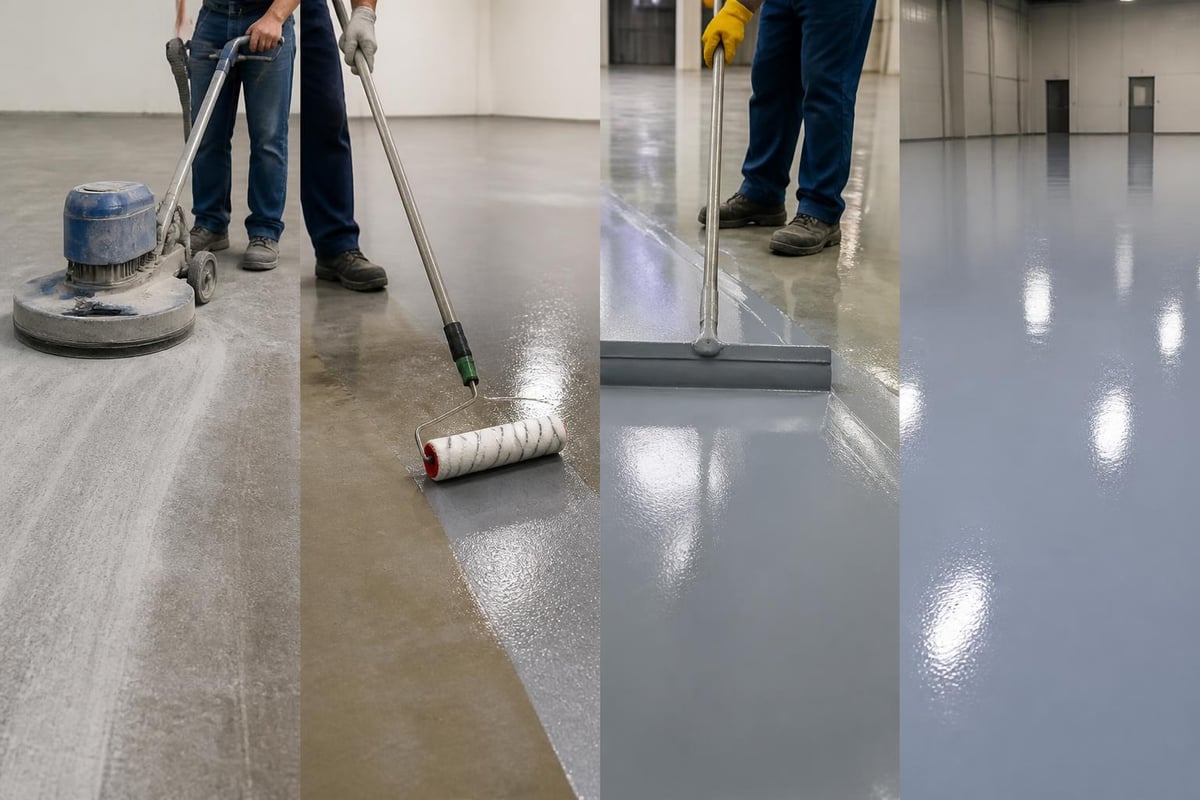
Polyurethane floor coating concrete represents one of the most advanced protective systems available for commercial and industrial facilities across South East Queensland. This coating technology delivers exceptional durability, chemical resistance, and aesthetic versatility that surpasses many traditional flooring solutions. As businesses increasingly demand longer-lasting, lower-maintenance flooring systems, understanding the properties and applications of polyurethane coatings becomes essential for facility managers, property developers, and business owners making informed decisions about their concrete floor investments.
Understanding Polyurethane Floor Coating Technology
Polyurethane floor coatings are advanced polymer systems that bond chemically with prepared concrete surfaces to create a protective, wear-resistant layer. These coatings typically consist of two components-a resin and a hardener-that react when mixed to form a durable, flexible film over the concrete substrate.
The chemistry behind polyurethane sets it apart from other concrete coating options. When properly formulated, these systems offer remarkable elasticity, allowing them to accommodate the natural expansion and contraction of concrete slabs without cracking or delaminating. This flexibility proves particularly valuable in environments experiencing temperature fluctuations or structural movement.
Chemical Composition and Performance Characteristics
Modern polyurethane floor coating concrete systems are available in several formulations:
- Aliphatic polyurethanes: Premium-grade coatings with superior UV resistance and colour retention
- Aromatic polyurethanes: Cost-effective options suitable for interior applications without direct sunlight exposure
- Water-based polyurethanes: Low-VOC alternatives that meet strict environmental regulations
- Solvent-based polyurethanes: High-performance systems delivering maximum chemical and abrasion resistance
The choice between these formulations depends on specific project requirements, environmental conditions, and regulatory compliance needs. Water-based polyurethane concrete sealers have gained significant traction in commercial applications due to their reduced environmental impact while maintaining excellent protective properties.
Key Advantages for Commercial and Industrial Applications
Polyurethane floor coating concrete delivers multiple performance benefits that address the demanding requirements of commercial and industrial environments. These advantages translate directly into operational efficiency and cost savings over the coating's service life.
Superior Chemical Resistance: Manufacturing facilities, commercial kitchens, and industrial workshops expose floors to aggressive chemicals daily. Polyurethane coatings resist acids, alkalis, solvents, and petroleum products far better than conventional sealers. This protection prevents concrete degradation and extends floor lifespan significantly.
UV Stability and Colour Retention: Unlike some coating alternatives that yellow or fade under UV exposure, aliphatic polyurethane systems maintain their appearance indefinitely. This characteristic makes them ideal for facilities with skylights or large window areas where natural light penetrates the space.
Impact and Abrasion Resistance: The flexible yet tough nature of polyurethane allows these coatings to withstand heavy forklift traffic, dropped tools, and constant foot traffic without showing premature wear patterns. Commercial carparks and warehouse facilities particularly benefit from this durability.
Performance Comparison Table
| Property | Polyurethane Coating | Epoxy Coating | Acrylic Sealer |
|---|---|---|---|
| UV Resistance | Excellent | Poor to Fair | Good |
| Flexibility | High | Low to Medium | Medium |
| Chemical Resistance | Excellent | Excellent | Fair to Good |
| Abrasion Resistance | Excellent | Excellent | Fair |
| Temperature Tolerance | -40°C to 120°C | -20°C to 70°C | -10°C to 50°C |
| Service Life | 15-20 years | 10-15 years | 3-5 years |
Application Methods and Surface Preparation Requirements
Successful polyurethane floor coating concrete application demands meticulous surface preparation and systematic application techniques. The longevity and performance of any coating system depends more on proper preparation than any other single factor.
Critical Preparation Steps
Surface preparation for polyurethane coatings follows strict protocols:
- Concrete cleaning and decontamination: Remove all oils, greases, curing compounds, and previous coatings
- Profile development: Achieve appropriate surface texture through mechanical grinding or abrasive blasting
- Moisture testing: Verify concrete moisture levels fall within acceptable ranges (typically below 4% RH)
- Crack and joint repair: Address all structural defects before coating application
- pH testing: Ensure substrate pH levels support proper coating adhesion

The concrete surface must achieve a CSP (Concrete Surface Profile) rating between 1 and 3 for optimal polyurethane adhesion. Too smooth, and the coating won't bond adequately. Too rough, and excessive material consumption increases project costs unnecessarily.
Application Techniques and Best Practices
Professional application of polyurethane floor coating concrete requires specific equipment and environmental controls. Roller application remains the most common method for large commercial areas, though spray application may be appropriate for certain project specifications.
Environmental conditions during application critically impact coating performance:
- Ambient temperature: 15°C to 30°C ideal range
- Relative humidity: Below 85% to prevent moisture contamination
- Substrate temperature: Minimum 3°C above dew point to avoid condensation
Solvent-based polyurethane concrete floor coatings offer faster curing times in cooler conditions, making them suitable for projects with tight deadlines or temperature-sensitive environments.
Industry-Specific Applications and Use Cases
Different commercial and industrial sectors leverage polyurethane floor coating concrete to address unique operational challenges. Understanding these applications helps facility managers select appropriate coating specifications.
Manufacturing and Industrial Facilities
Factories and production facilities benefit enormously from polyurethane coatings due to their chemical resistance and durability. Assembly lines, quality control areas, and packaging zones all require flooring that withstands chemical spills, heavy equipment traffic, and frequent cleaning protocols. The seamless nature of properly applied polyurethane systems eliminates harbourage points for contaminants, supporting stringent cleanliness requirements.
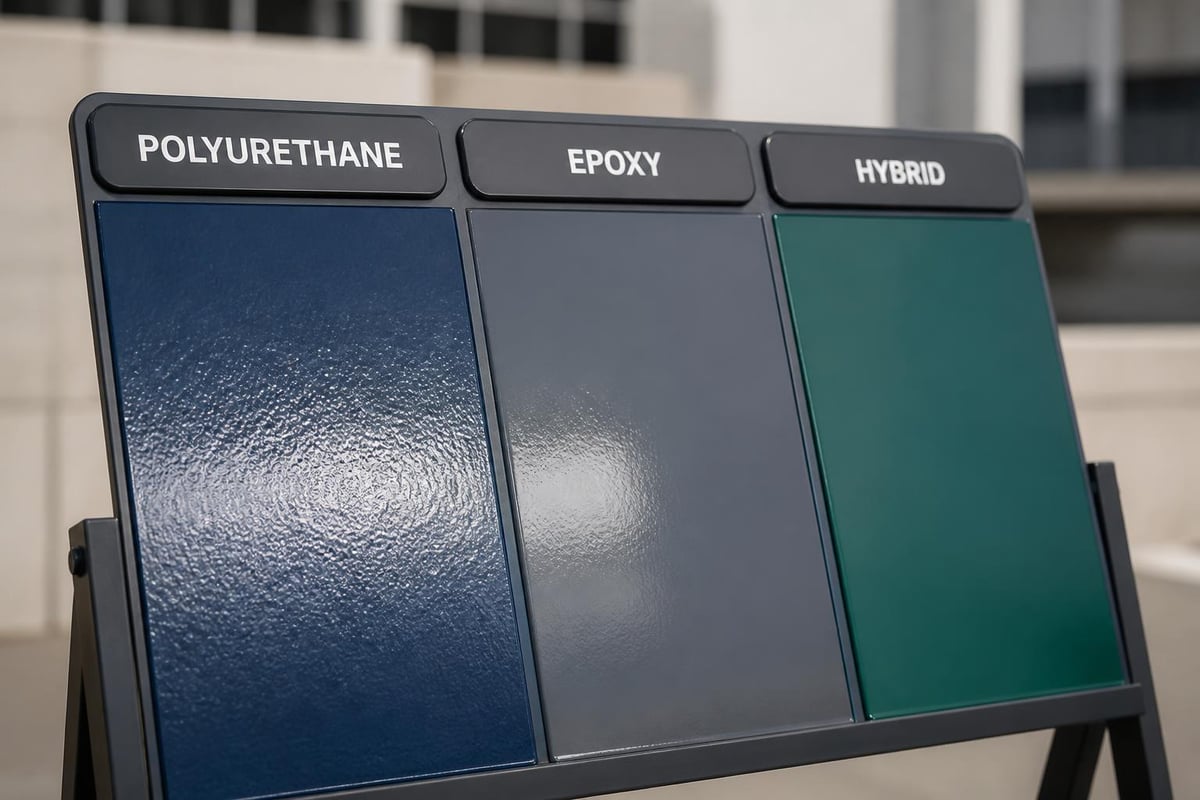
Factory flooring specifications often call for polyurethane topcoats over epoxy base layers, creating hybrid systems that maximise both chemical resistance and UV stability.
Commercial Kitchen and Food Processing Environments
Food production and preparation facilities face particularly demanding flooring requirements. Beyond chemical resistance, these environments require coatings that withstand thermal shock from hot water washdowns, resist bacterial growth, and maintain slip resistance when wet.
Polyurethane floor coating concrete excels in these applications because formulations can incorporate antimicrobial additives and textured finishes. The coating's flexibility prevents cracking under thermal cycling, while its seamless application eliminates grout lines where bacteria typically accumulate.
Retail and Showroom Spaces
Commercial retail environments demand flooring that performs well while maintaining aesthetic appeal. Polyurethane coatings deliver both requirements through customisable finishes ranging from high-gloss to matte, with unlimited colour options. The UV resistance of aliphatic polyurethane ensures that floor colours remain vibrant even in stores with extensive natural lighting.
Retail flooring projects increasingly specify polyurethane systems for their ability to create sophisticated, professional appearances whilst withstanding constant foot traffic and cleaning regimens.
Maintenance Requirements and Lifecycle Management
Polyurethane floor coating concrete systems require minimal maintenance compared to alternative flooring options, yet following proper care protocols significantly extends service life and preserves appearance.
Routine Maintenance Protocols
Daily maintenance involves simple procedures:
- Dust mopping or vacuuming to remove abrasive particles
- Damp mopping with pH-neutral cleaning solutions
- Immediate cleanup of spills to prevent staining
- Regular inspection for damage or wear patterns
Monthly deep cleaning should include:
- Thorough washing with appropriate cleaning chemicals
- Inspection of high-traffic areas for wear
- Reapplication of slip-resistant treatments if specified
- Documentation of floor condition for lifecycle tracking
Long-Term Performance and Refinishing
Well-maintained polyurethane floor coating concrete typically delivers 15-20 years of service life in commercial applications. As the coating approaches the end of its service life, facility managers face decisions about maintenance, refinishing, or complete replacement.
Performance indicators signalling potential refinishing needs include:
| Indicator | Severity | Recommended Action |
|---|---|---|
| Surface dulling | Low | Deep cleaning and buffing |
| Minor scratches | Low to Medium | Topcoat reapplication |
| Worn traffic lanes | Medium | Partial system renewal |
| Delamination | High | Complete removal and reapplication |
| Chemical staining | Variable | Assessment and targeted repair |
The 2K polyurethane topcoat systems provide excellent options for refreshing aged floors without complete system removal, extending the overall lifecycle cost-effectively.
Polyurethane Versus Alternative Coating Systems
Selecting the optimal concrete coating system requires understanding how polyurethane compares to alternative technologies. Each coating type offers distinct advantages for specific applications, and informed decision-making considers all relevant factors.
Polyurethane Compared to Epoxy Systems
Epoxy flooring remains the most popular concrete coating across industrial applications, and for good reason. Epoxy systems deliver exceptional chemical resistance, strong adhesion, and cost-effective performance. However, polyurethane floor coating concrete surpasses epoxy in several critical areas.
When comparing these systems for commercial applications, several distinctions emerge:
UV Resistance: Epoxy coatings yellow and chalk when exposed to sunlight, limiting their suitability for spaces with natural light. Polyurethane maintains colour stability indefinitely under UV exposure.
Flexibility: Polyurethane's elastic properties accommodate substrate movement and thermal expansion better than rigid epoxy systems. This characteristic reduces cracking risk in facilities experiencing temperature variations.
Aesthetic Options: While epoxy offers excellent customisation, polyurethane provides superior gloss retention and finish quality over time. High-traffic retail environments particularly benefit from polyurethane's sustained appearance.
Many commercial projects now specify hybrid systems combining epoxy's chemical resistance with polyurethane's UV stability and flexibility. These layered approaches optimise performance characteristics whilst managing project budgets effectively.
Specialised Polyurethane Formulations
Beyond standard polyurethane floor coating concrete systems, specialised formulations address specific operational requirements. Self-leveling polyurethane coatings create perfectly flat surfaces ideal for pharmaceutical manufacturing, electronics assembly, and other precision environments where floor flatness affects operations.
Textured polyurethane systems incorporate slip-resistant aggregates for wet environments, commercial kitchens, and areas where worker safety demands enhanced traction. These formulations maintain their non-slip properties throughout their service life without requiring additional treatments.
Bio-based polyurethane options have emerged for organisations prioritising environmental sustainability. Non-toxic polyurethane floor coatings derived from renewable resources deliver comparable performance to petroleum-based systems whilst reducing environmental impact and supporting green building certifications.
Cost Considerations and Return on Investment
Understanding the complete financial picture of polyurethane floor coating concrete helps decision-makers evaluate its value proposition against alternative flooring solutions. Initial installation costs represent only one component of total lifecycle economics.
Installation Cost Factors
Several variables influence polyurethane coating installation expenses:
- Substrate condition: Heavily damaged concrete requiring extensive repair increases preparation costs
- System thickness: Thicker applications provide enhanced durability but consume more material
- Formulation selection: Premium aliphatic systems cost more than aromatic alternatives
- Project size: Larger projects achieve economies of scale, reducing per-square-metre costs
- Environmental controls: Temperature and humidity management may require temporary climate control
Typical commercial polyurethane floor coating concrete installations range from $80-$150 per square metre depending on these variables. While this exceeds basic sealer costs, the extended service life and reduced maintenance requirements deliver superior long-term value.
Lifecycle Cost Analysis
Evaluating flooring systems through lifecycle costing reveals polyurethane's economic advantages:
| Cost Category | Year 1 | Years 2-10 | Years 11-20 | Total 20-Year Cost |
|---|---|---|---|---|
| Installation | $120/m² | $0 | $0 | $120/m² |
| Maintenance | $2/m² | $18/m² | $18/m² | $38/m² |
| Refinishing | $0 | $0 | $25/m² | $25/m² |
| Total | $122/m² | $18/m² | $43/m² | $183/m² |
This compares favourably against alternative systems requiring more frequent refinishing or replacement. The reduced downtime for maintenance also delivers operational benefits that financial models should incorporate.
Installation Challenges and Solutions
Professional installation of polyurethane floor coating concrete demands expertise in managing common challenges that arise during application. Understanding these potential issues enables better project planning and risk mitigation.
Moisture-Related Issues
Concrete moisture presents the most frequent challenge in coating applications. Excessive moisture vapour transmission prevents proper coating adhesion and can cause catastrophic failure through delamination or blistering.
Moisture management strategies include:
- Conducting comprehensive moisture testing before material ordering
- Implementing moisture mitigation systems when readings exceed acceptable thresholds
- Selecting moisture-tolerant primer systems for marginal conditions
- Scheduling applications during low-humidity seasons when possible
Projects involving warehouse flooring installations must account for concrete slabs-on-grade where ground moisture may influence coating performance.
Temperature and Cure Time Management
Polyurethane coating curing rates vary significantly with temperature. Cold conditions slow curing, potentially extending project timelines and delaying facility reopening. Conversely, excessive heat accelerates curing, reducing working time and potentially compromising application quality.
Professional contractors employ several techniques to manage temperature challenges:
- Substrate preheating: Warming cold concrete before application
- Climate control: Temporary heating or cooling systems
- Product selection: Choosing formulations optimised for prevailing conditions
- Application timing: Scheduling work during optimal temperature windows
Polyurethane floor coating specialists develop contingency plans addressing weather-related delays and temperature management requirements before project commencement.
Regulatory Compliance and Safety Considerations
Commercial and industrial polyurethane floor coating concrete applications must satisfy numerous regulatory requirements governing workplace safety, environmental protection, and building standards.
Volatile Organic Compound Regulations
VOC regulations increasingly restrict solvent-based coating formulations across Australia. Water-based and low-VOC polyurethane systems enable compliance whilst maintaining performance standards. UV-resistant water-based polyurethane formulations now deliver performance rivalling traditional solvent-based products.
Facility managers must verify that specified coating systems comply with relevant environmental regulations whilst meeting operational requirements. Documentation of VOC compliance supports green building certifications and demonstrates environmental stewardship.
Workplace Health and Safety Requirements
Application of polyurethane floor coating concrete involves materials requiring proper handling and safety protocols. Professional contractors maintain strict safety standards including:
- Personal protective equipment for all personnel
- Adequate ventilation during application and curing
- Proper material storage and handling procedures
- Emergency response planning for spills or exposures
Projects in occupied facilities demand additional precautions protecting building occupants from exposure to coating materials during installation. Coordination with facility management ensures minimal operational disruption whilst maintaining safety standards.
Future Trends in Polyurethane Coating Technology
The polyurethane floor coating concrete industry continues evolving through material science advances, sustainability initiatives, and performance enhancements responding to emerging commercial requirements.
Sustainable and Bio-Based Formulations
Environmental concerns drive development of polyurethane systems incorporating renewable raw materials. Bio-based polyurethanes derived from plant oils and other sustainable sources now deliver performance comparable to petroleum-based alternatives whilst significantly reducing carbon footprints.
These formulations support organisations pursuing environmental certifications such as Green Star ratings. As sustainability becomes increasingly central to corporate values, demand for eco-friendly polyurethane options will expand across commercial applications.
Enhanced Performance Characteristics
Material scientists continuously improve polyurethane floor coating concrete formulations through:
- Faster curing systems: Reducing downtime and accelerating facility return-to-service
- Improved chemical resistance: Expanding suitability for aggressive chemical environments
- Self-healing technologies: Incorporating materials that repair minor damage automatically
- Antimicrobial properties: Integrating permanent biocidal protection for healthcare and food processing
These advances position polyurethane coatings to address increasingly demanding commercial and industrial requirements whilst maintaining cost-effectiveness and ease of application.
Smart Coating Integration
Emerging technologies explore integrating sensors and monitoring capabilities directly into floor coating systems. These "smart coatings" could track wear patterns, detect chemical spills, or monitor substrate conditions, providing facility managers with real-time data supporting proactive maintenance strategies.
While still developmental, such innovations suggest polyurethane floor coating concrete systems will deliver expanding functionality beyond traditional protective and aesthetic roles.
Polyurethane floor coating concrete delivers unmatched performance for demanding commercial and industrial applications through superior UV resistance, chemical protection, and long-term durability. When properly specified and professionally installed, these systems provide decades of reliable service whilst maintaining aesthetic appeal and supporting operational efficiency. Superior Concrete Finishes brings extensive expertise in commercial concrete coating systems across South East Queensland, helping warehouses, factories, retail spaces, and industrial facilities achieve optimal flooring solutions. Contact Superior Concrete Finishes to discuss how our team can deliver durable, professional flooring systems tailored to your specific operational requirements.

Joshua Miller has over 15 years of experience in the commercial concrete flooring industry, specialising in epoxy flooring systems and polished concrete solutions for warehouses, factories, retail spaces and commercial developments. Joshua and his team work closely with builders, property owners and facility managers across South East Queensland to deliver durable, cost-effective commercial flooring systems for warehouses, industrial facilities, commercial kitchens, retail stores and large commercial developments.
Major builders and organisations Josh has led projects on include McNab, Hutchinson Builders, IKEA, Queensland Rail, University of Queensland, ADCO, Tomkins Commercial, Bunnings, OfficeWorks, Spotlight, and Anaconda.
If you're planning a project and need advice on the best commercial concrete flooring solution, contact Josh or one of the team at Superior Concrete Finishes.
-
 info@superiorconcretefinishes.com.au
-
1300 789 740
-
Connect with Josh on
LinkedIn


 Connect with Josh on