
Choosing the right protective coating for commercial concrete floors requires understanding the unique properties and performance characteristics of available systems. Polyurethane floor finish has emerged as a specialized solution for facilities demanding exceptional chemical resistance, UV stability, and specific performance attributes that differ from traditional epoxy systems. Commercial and industrial property managers increasingly evaluate polyurethane options for environments where traditional coatings face limitations, particularly in spaces exposed to harsh chemicals, extreme temperatures, or outdoor conditions requiring long-term colour stability.
Understanding Polyurethane Floor Finish Chemistry
Polyurethane floor finish systems utilize a chemical reaction between polyol resins and isocyanate hardeners to create a robust protective layer. This fundamental chemistry differs significantly from epoxy formulations, resulting in distinct performance characteristics.
The curing mechanism creates unique properties:
- Enhanced flexibility that accommodates substrate movement
- Superior abrasion resistance for high-traffic industrial environments
- Excellent chemical resistance across a broader range of substances
- UV stability that prevents yellowing and degradation
The molecular structure of cured polyurethane provides exceptional tensile strength whilst maintaining flexibility. This combination proves particularly valuable in commercial facilities where structural movement, thermal cycling, or impact loads could compromise more rigid coating systems. Research published by the National Institute of Standards and Technology demonstrates the superior performance characteristics of polyurethane seamless flooring systems under demanding conditions.
Aliphatic vs Aromatic Polyurethane Systems
Commercial applications typically employ either aliphatic or aromatic polyurethane formulations, each offering distinct advantages.
| Property | Aliphatic Polyurethane | Aromatic Polyurethane |
|---|---|---|
| UV Resistance | Excellent | Poor |
| Colour Stability | Superior | Yellows over time |
| Chemical Resistance | Very Good | Excellent |
| Cost | Higher | Lower |
| Typical Applications | Outdoor areas, car parks | Indoor industrial spaces |
Aliphatic polyurethane floor finish maintains colour stability under UV exposure, making it the preferred choice for commercial car park applications. Aromatic formulations deliver outstanding chemical resistance at a lower cost but experience yellowing when exposed to sunlight, limiting their use to indoor facilities.
Performance Advantages in Commercial Environments
The distinctive properties of polyurethane floor finish translate into specific performance advantages for commercial and industrial applications. Understanding these benefits helps facility managers make informed decisions about protective coating systems.
Polyurethane coatings demonstrate superior resistance to abrasion compared to many alternative systems. In warehouse environments where forklift traffic, pallet jacks, and constant foot traffic create wear patterns, this durability extends service life significantly.
Chemical resistance profiles include:
- Acids and alkalis across a wide pH range
- Solvents and petroleum products
- De-icing salts and chlorides
- Food processing chemicals and sanitizers

The flexibility inherent in polyurethane systems accommodates thermal expansion and contraction without cracking or delaminating. This characteristic proves essential in facilities experiencing temperature fluctuations or in outdoor applications where seasonal variations create stress on rigid coating systems.
Temperature Performance and Thermal Cycling
Commercial facilities often experience significant temperature variations that challenge protective floor coatings. Polyurethane floor finish systems maintain integrity across broader temperature ranges than many alternatives.
Manufacturing facilities, cold storage warehouses, and commercial kitchens present thermal challenges. The elastic properties of polyurethane allow the coating to flex with the substrate as temperatures change, preventing the stress fractures that compromise rigid systems. A comprehensive evaluation of floor coating performance highlights these mechanical performance advantages in industrial applications.
Application Considerations for Commercial Projects
Successful polyurethane floor finish installation requires attention to environmental conditions, surface preparation, and application techniques specific to these systems. Commercial contractors must understand these requirements to deliver optimal results.
Environmental requirements during application:
- Substrate temperature between 10°C and 30°C
- Relative humidity below 85%
- Adequate ventilation for solvent-based systems
- No precipitation for outdoor applications
Surface preparation proves critical for polyurethane adhesion. Concrete substrates require proper profiling to achieve mechanical bonding, typically through diamond grinding or shot blasting. Moisture testing must confirm the slab does not exceed manufacturer specifications, as excess moisture compromises the chemical bond between polyurethane and concrete.
The pot life of mixed polyurethane systems varies by formulation but typically ranges from 20 to 45 minutes. This shorter working time compared to some epoxy systems demands efficient application techniques and adequate crew sizing for larger commercial projects.
Multi-Coat Systems and Build Thickness
Professional installations typically employ multi-coat polyurethane systems to achieve specified performance levels. Unlike single-coat applications, these systems build thickness gradually whilst ensuring proper inter-coat adhesion.
A standard commercial system includes:
- Primer coat for substrate penetration and adhesion
- One or two body coats for chemical resistance and durability
- Optional topcoat for enhanced UV protection or specific finish requirements
Total system thickness typically ranges from 300 to 600 microns for standard commercial applications. Facilities requiring enhanced chemical resistance or heavy traffic loads may specify thicker systems approaching 1000 microns. Each coat requires proper cure time before subsequent applications, extending project timelines compared to faster-curing alternatives.
Maintenance and Long-Term Performance
Polyurethane floor finish systems deliver extended service life when properly maintained. Understanding appropriate cleaning protocols and periodic maintenance requirements maximizes the return on investment for commercial facilities.
Regular cleaning maintains both appearance and performance. Unlike some protective coatings that deteriorate with aggressive cleaning chemicals, polyurethane systems tolerate a broad range of cleaning agents. Professional cleaning services can safely use commercial-grade cleaners without compromising the coating integrity.
Recommended maintenance protocols:
- Daily dust mopping or sweeping to remove abrasive particles
- Weekly damp mopping with neutral pH cleaners
- Monthly deep cleaning with approved commercial cleaners
- Annual inspection for wear patterns or damage
The wear resistance of polyurethane floor finish means properly installed systems often provide 10 to 15 years of service in demanding commercial environments. Studies examining wear performance under simulated conditions demonstrate the superior longevity of polyurethane compared to alternative finishes.
Repair and Restoration Options
Eventually, even durable polyurethane systems require attention to maintain optimal performance. Unlike rigid coatings that often demand complete removal and replacement, polyurethane's characteristics sometimes allow for repair and restoration.
Minor damage from impacts, chemical spills, or localized wear can often be addressed through spot repairs. The coating's flexibility and chemical composition enable new polyurethane to bond with existing material when proper surface preparation occurs. This characteristic reduces lifecycle costs compared to systems requiring complete replacement when damage occurs. Professional restoration services understand the importance of maintaining protective coatings in commercial facilities to prevent more extensive damage.

Environmental Considerations and VOC Compliance
Modern polyurethane floor finish formulations increasingly address environmental regulations and indoor air quality concerns. Commercial facilities must balance performance requirements with environmental responsibility and occupant health.
Traditional solvent-based polyurethane systems emit volatile organic compounds during application and curing. These emissions present challenges for occupied facilities and may conflict with environmental regulations in some jurisdictions. Water-based formulations have emerged as alternatives, though they sometimes sacrifice performance characteristics.
Research into VOC-compliant polyurethane floor coatings demonstrates advances in developing environmentally friendly systems that maintain performance standards. These formulations prove particularly valuable for retail environments where minimizing disruption during installation is essential.
Low-Odour and Rapid-Cure Options
Commercial facilities requiring minimal downtime benefit from polyurethane systems designed for rapid return to service. Fast-cure formulations reduce the time between application and facility operation, though they demand more precise application timing and techniques.
Low-odour polyurethane systems address concerns about disrupting adjacent operations during installation. Manufacturing facilities, food processing plants, and occupied commercial buildings particularly value these formulations, which allow work to proceed without extensive facility closures or relocations.
Comparing Polyurethane with Alternative Concrete Protection Systems
While polyurethane floor finish offers distinct advantages, commercial decision-makers benefit from understanding how it compares to alternative concrete protection systems. Each coating type delivers specific performance characteristics suited to particular applications.
Epoxy flooring systems dominate many commercial and industrial applications due to their excellent adhesion, chemical resistance, and cost-effectiveness. Epoxy provides superior hardness and impact resistance, making it ideal for warehouse applications with heavy equipment traffic.
Key performance differences:
| Performance Factor | Polyurethane | Epoxy |
|---|---|---|
| Flexibility | Excellent | Limited |
| UV Stability | Superior (aliphatic) | Poor |
| Hardness | Good | Excellent |
| Abrasion Resistance | Excellent | Very Good |
| Chemical Resistance | Excellent | Excellent |
| Cost | Higher | Lower |
Many commercial installations employ hybrid systems combining epoxy base coats with polyurethane topcoats. This approach leverages epoxy's hardness and adhesion whilst providing polyurethane's UV stability and chemical resistance as the wearing surface.
Research examining the degradation and stabilization of polyurethane provides insights into long-term performance and maintenance strategies that extend coating service life. Understanding these characteristics helps facility managers plan appropriate maintenance schedules and budget for eventual replacement.
Specialized Applications in Commercial Facilities
Certain commercial and industrial environments particularly benefit from polyurethane floor finish characteristics. Identifying these applications helps facility managers specify appropriate protective systems.
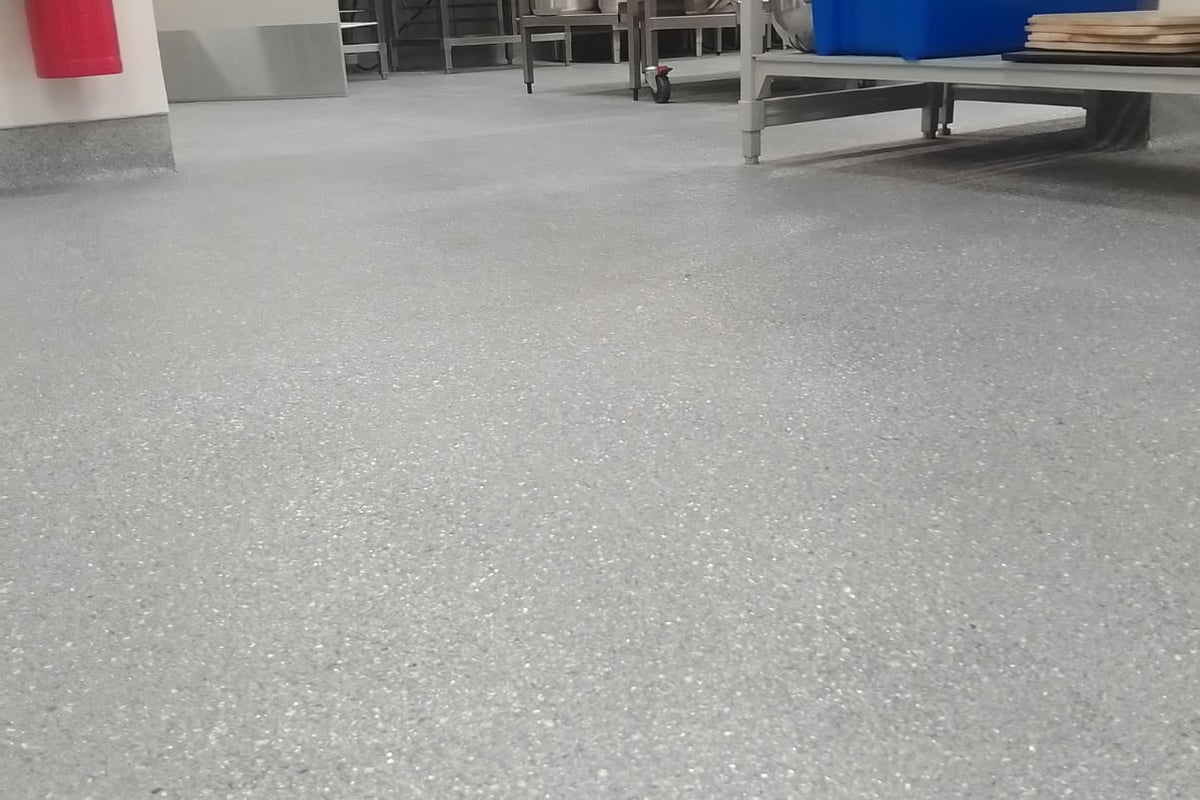
Food processing and commercial kitchen environments demand coatings that withstand aggressive cleaning chemicals, thermal shock from hot water washdowns, and bacterial growth prevention. Polyurethane systems meet these requirements whilst providing seamless surfaces that support strict hygiene standards. The coating's resistance to organic acids, alkaline cleaners, and sanitizing agents makes it suitable for food processing facilities requiring HACCP compliance.
Outdoor car parks and exposed concrete benefit from aliphatic polyurethane's UV stability. Unlike epoxy systems that yellow and chalk under sunlight, polyurethane maintains appearance and performance in exterior applications. The flexibility accommodates thermal cycling and substrate movement common in outdoor structures.
Chemical storage and processing areas leverage polyurethane's broad chemical resistance profile. Facilities handling aggressive solvents, acids, or petroleum products find polyurethane provides superior protection compared to alternative systems that degrade under chemical exposure.
Mechanical Workshops and Manufacturing
Mechanical workshop environments present unique challenges including oil and grease contamination, impact from dropped tools, and abrasion from equipment movement. Polyurethane floor finish systems address these demands through their combination of flexibility, chemical resistance, and durability.
The coating's resistance to petroleum products prevents the degradation and delamination that compromise floors in automotive service facilities. Unlike rigid systems that crack under impact, polyurethane's elastic properties absorb shock whilst maintaining surface integrity. This performance extends service life in demanding industrial environments where floor replacement involves significant operational disruption.
When Superior Concrete Finishes works on factory flooring projects, we evaluate whether polyurethane's specific performance characteristics align with the facility's operational demands and exposure conditions.
Installation Timeline and Project Planning
Commercial facility managers must understand the installation timeline for polyurethane floor finish systems when planning projects. Unlike some rapid-cure alternatives, polyurethane applications require specific environmental conditions and cure times.
A typical commercial installation proceeds through distinct phases:
- Surface preparation (1-2 days): Concrete grinding, crack repair, moisture testing
- Primer application (1 day): Initial coat with 24-hour cure time
- Body coat application (2-3 days): Multiple coats with inter-coat cure periods
- Topcoat application (1 day): Final protective layer
- Final cure (3-7 days): Time before full chemical resistance and heavy traffic
Total project duration typically ranges from 7 to 14 days depending on system thickness, facility size, and environmental conditions. This extended timeline compared to some alternatives reflects the cure requirements for achieving optimal performance.
Factors affecting project duration:
- Ambient temperature and humidity levels
- Substrate moisture content and preparation requirements
- System thickness and number of coats
- Facility access and operational constraints
- Curing time between coats
Planning polyurethane installations requires coordinating with facility operations to minimize disruption. Many commercial projects occur during scheduled shutdowns, weekends, or phased implementations that maintain partial facility access throughout installation.
Cost Considerations and Lifecycle Value
The initial cost of polyurethane floor finish systems typically exceeds alternatives like basic epoxy coatings or densifiers. However, lifecycle cost analysis often reveals favorable economics when accounting for durability, maintenance requirements, and service life.
Material costs for polyurethane systems range higher than epoxy formulations due to the specialized chemistry and performance characteristics. Labour costs remain similar between systems, though polyurethane's shorter pot life may require larger crews for extensive commercial projects.
Lifecycle cost factors:
- Extended service life reducing replacement frequency
- Lower maintenance costs due to superior durability
- Reduced downtime from repairs or premature failures
- Enhanced chemical resistance preventing substrate damage
- UV stability eliminating appearance degradation
Commercial facilities should evaluate total cost of ownership rather than initial installation cost alone. A polyurethane system delivering 15 years of service at moderate maintenance costs often proves more economical than a less expensive alternative requiring replacement after 7 years.
The decision between polyurethane and alternatives depends on specific facility requirements, exposure conditions, and operational priorities. Facilities prioritizing UV stability, chemical resistance, or flexibility benefit from polyurethane's performance characteristics despite higher initial costs. Operations where hardness, rapid installation, or lower initial cost take precedence may find alternatives more appropriate.
Selecting the appropriate protective coating system for commercial concrete floors requires evaluating performance requirements, environmental conditions, and lifecycle economics. Polyurethane floor finish delivers exceptional chemical resistance, UV stability, and flexibility for demanding applications, though specific project requirements may favor alternative systems. At Superior Concrete Finishes, we leverage decades of commercial flooring experience across South East Queensland to recommend and install the optimal concrete protection system for warehouses, factories, retail stores, and industrial facilities. Contact our team to discuss your specific flooring requirements and receive expert guidance on the most appropriate solution for your commercial property.

Joshua Miller has over 15 years of experience in the commercial concrete flooring industry, specialising in epoxy flooring systems and polished concrete solutions for warehouses, factories, retail spaces and commercial developments. Joshua and his team work closely with builders, property owners and facility managers across South East Queensland to deliver durable, cost-effective commercial flooring systems for warehouses, industrial facilities, commercial kitchens, retail stores and large commercial developments.
Major builders and organisations Josh has led projects on include McNab, Hutchinson Builders, IKEA, Queensland Rail, University of Queensland, ADCO, Tomkins Commercial, Bunnings, OfficeWorks, Spotlight, and Anaconda.
If you're planning a project and need advice on the best commercial concrete flooring solution, contact Josh or one of the team at Superior Concrete Finishes.
-
 info@superiorconcretefinishes.com.au
-
1300 789 740
-
Connect with Josh on
LinkedIn


 Connect with Josh on