Commercial flooring systems continue to evolve, and pu concrete flooring has emerged as a specialist solution for environments that demand exceptional performance under extreme conditions. This hybrid flooring system combines polyurethane resin with specially graded aggregates to create a seamless surface that withstands thermal shock, aggressive chemicals, and heavy mechanical loads. Unlike traditional epoxy or polished concrete systems, pu concrete flooring delivers unique properties that make it indispensable in specific industrial applications, particularly within food processing, pharmaceutical manufacturing, and commercial kitchens where hygiene and durability are non-negotiable.
1. Understanding PU Concrete Flooring Technology
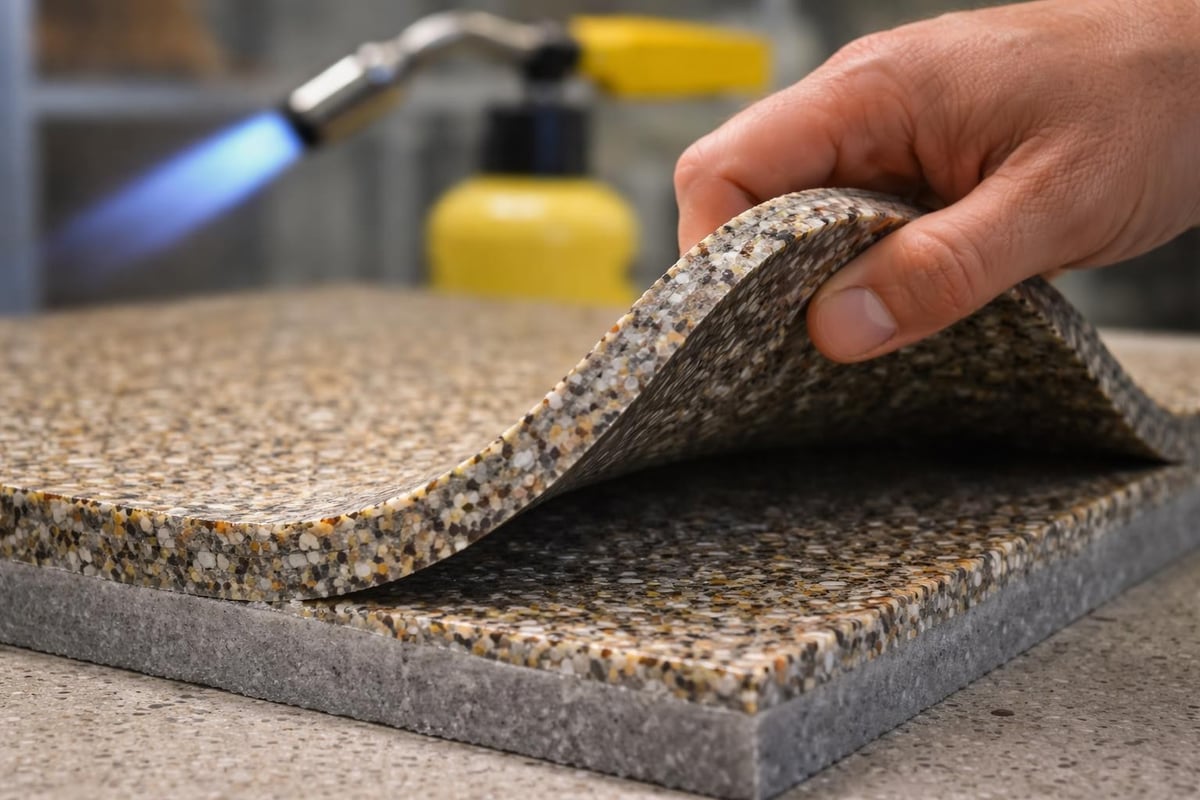
Polyurethane concrete, often abbreviated as PU concrete, represents a sophisticated flooring technology that combines the flexibility of polyurethane with the structural strength of cementitious aggregates. The system typically consists of a polyurethane resin binder mixed with carefully selected aggregates, creating a monolithic flooring surface with remarkable performance characteristics.
The chemistry behind pu concrete flooring differs fundamentally from standard resin flooring systems. Rather than relying solely on synthetic resins, these systems incorporate mineral aggregates that contribute to thermal conductivity and mechanical strength. This composition allows the flooring to expand and contract without cracking when exposed to rapid temperature fluctuations.
a. Key Components and Composition
The primary components of a pu concrete flooring system include:
- Polyurethane resin binder: Provides flexibility, chemical resistance, and adhesion
- Graded aggregates: Delivers compressive strength and thermal conductivity
- Hardening agents: Initiates the curing process and develops mechanical properties
- Additives: Enhances specific performance characteristics such as antimicrobial properties
Modern formulations have evolved to include water-based polyurethane systems, which reduce volatile organic compound emissions during installation. Technical specifications for water-based systems indicate compressive strengths exceeding 30 MPa, making these systems suitable for heavy industrial applications.
2. Performance Advantages in Commercial Environments
The distinctive performance profile of pu concrete flooring makes it particularly valuable in demanding commercial and industrial settings. While epoxy and polished concrete serve many applications effectively, certain environments require the specific properties that only polyurethane concrete can deliver.
a. Thermal Shock Resistance stands as the most significant differentiator. Standard epoxy systems typically fail when exposed to rapid temperature changes exceeding 40°C, whereas pu concrete flooring routinely withstands thermal shock ranging from -40°C to +120°C. This capability proves essential in commercial kitchens where hot water washdowns follow cold storage operations.
b. Chemical Resistance Properties
Industries handling aggressive chemicals benefit from the exceptional chemical resistance inherent in polyurethane concrete systems. The seamless nature of pu concrete flooring prevents chemical penetration at joints, whilst the polyurethane matrix resists degradation from:
- Organic acids (lactic, acetic, citric)
- Inorganic acids (phosphoric, nitric)
- Alkalis and caustic solutions
- Oils and fats
- Cleaning chemicals and disinfectants
Testing protocols demonstrate that properly installed pu concrete flooring maintains structural integrity even after prolonged exposure to concentrated cleaning agents. Information on antimicrobial properties highlights how certain formulations incorporate biocidal additives that prevent bacterial growth on the surface.
| Property | PU Concrete | Standard Epoxy | Polished Concrete |
|---|---|---|---|
| Thermal Shock Resistance | -40°C to +120°C | -10°C to +40°C | Limited |
| Chemical Resistance | Excellent | Good | Poor to Fair |
| Compressive Strength | 30-50 MPa | 60-80 MPa | 40-60 MPa |
| Flexibility | High | Low | None |
| Installation Thickness | 6-12mm | 2-5mm | N/A (grinding) |
The flexibility of pu concrete flooring also contributes to its longevity in dynamic environments. Unlike rigid epoxy systems that may crack under substrate movement, polyurethane concrete accommodates minor deflections without compromising the surface integrity.
3. Primary Applications and Industry Sectors
The unique properties of pu concrete flooring align perfectly with specific industry requirements, making it the preferred choice in sectors where conventional flooring systems fall short. Understanding these applications helps facility managers make informed decisions about flooring specifications.
a. Food and Beverage Processing
Food production facilities face stringent hygiene regulations whilst operating under extreme conditions. Pu concrete flooring addresses these challenges through seamless construction and antimicrobial properties that prevent bacterial harbourage. The thermal shock resistance proves invaluable during routine cleaning protocols involving hot water and steam.
HACCP Compliance represents a critical consideration in food processing environments. The seamless nature and easy-to-clean surface of pu concrete flooring supports compliance with Hazard Analysis and Critical Control Points principles. For facilities requiring food-grade flooring solutions, food process flooring specifications must address both safety and operational requirements.

b. Commercial Kitchen Operations
Commercial kitchens in hotels, hospitals, and large-scale catering facilities generate intense thermal cycling and chemical exposure. The flooring must withstand boiling water, cooking oils, acidic food products, and aggressive cleaning chemicals whilst maintaining slip resistance.
Modern pu concrete flooring systems designed for commercial kitchen environments incorporate textured finishes that provide slip resistance even when wet. The installation typically includes integral coving at wall junctions to eliminate dirt traps and facilitate thorough cleaning.
c. Pharmaceutical Manufacturing
Pharmaceutical production demands stringent contamination control and chemical resistance. Clean room classifications require flooring that generates minimal particulates whilst resisting pharmaceutical-grade solvents and cleaning agents. The seamless nature of pu concrete flooring eliminates joints where contaminants might accumulate.
Beyond food and pharmaceutical sectors, pu concrete flooring finds application in:
- Brewery and winery production floors
- Chemical processing plants
- Cold storage facilities
- Industrial laundries
- Laboratory environments
4. Installation Methods and System Build-Up
Proper installation of pu concrete flooring requires specialist knowledge and equipment. The process differs significantly from standard epoxy flooring installation, demanding careful attention to substrate preparation, mixing protocols, and application techniques.
a. Substrate Preparation Requirements
The concrete substrate must achieve specific standards before PU concrete flooring installation commences:
- Surface Strength: Minimum 25 MPa compressive strength
- Moisture Content: Below 4% relative humidity
- Surface Profile: CSP 3-5 according to ICRI standards
- Cleanliness: Free from oils, curing compounds, and contaminants
Mechanical preparation through diamond grinding or shot blasting creates the necessary surface profile. This step proves critical, as the bond between the polyurethane concrete and substrate directly influences long-term performance. Unlike polished concrete systems that work with the existing surface, pu concrete flooring requires aggressive surface preparation.
b. Application Process
The installation sequence for pu concrete flooring typically follows these stages:
- Primer Application: A moisture-tolerant epoxy or polyurethane primer seals the substrate and enhances adhesion. This layer penetrates the concrete pores and provides a chemical key for subsequent layers.
- Body Coat Installation: The main polyurethane concrete layer, mixed on-site using specialist equipment, gets trowelled or pumped to the specified thickness. Heavy-duty formulations typically require 9-12mm thickness for optimal performance under heavy traffic.
For facilities requiring specific performance characteristics, consulting with experienced contractors who understand the nuances of pu concrete flooring installation proves essential. For commercial applications across South East Queensland, warehouse flooring specialists can assess whether polyurethane concrete suits your specific requirements.
- Seal Coat Application: A clear polyurethane seal coat protects the surface and facilitates cleaning. Some specifications include additional antimicrobial additives in this layer for enhanced hygiene performance.
| Installation Phase | Duration | Temperature Requirements | Equipment Needed |
|---|---|---|---|
| Substrate Prep | 1-2 days | 10-30°C | Grinders, shot blasters |
| Primer Application | 4-8 hours | 15-25°C | Roller, brush |
| Body Coat | 1-2 days | 15-30°C | Forced action mixer, trowels |
| Seal Coat | 4-8 hours | 15-25°C | Roller, spray equipment |
| Cure Time | 3-7 days | 15-25°C | Temperature monitoring |
Environmental conditions during installation significantly impact the final performance. Temperature and humidity must remain within manufacturer specifications throughout the curing period. Most pu concrete flooring systems require minimum temperatures of 15°C during application and curing.
5. Maintenance and Lifecycle Considerations
While pu concrete flooring delivers exceptional durability, proper maintenance protocols extend service life and preserve performance characteristics. The maintenance approach differs from both epoxy and polished concrete systems, requiring specific procedures and cleaning products.
a. Daily and Routine Cleaning
The seamless surface of pu concrete flooring simplifies routine maintenance. Daily cleaning typically involves:
- Sweeping or dust mopping to remove loose debris
- Wet mopping with neutral pH cleaners
- Spot cleaning of spills using appropriate chemicals
- Inspection for damage or wear patterns
Harsh alkaline cleaners should be avoided, as prolonged exposure can degrade the polyurethane matrix. Thin-layer systems particularly benefit from gentle cleaning methods to preserve the seal coat integrity.
b. Deep Cleaning Protocols
Food processing facilities and commercial kitchens often require intensive cleaning involving hot water and steam. Pu concrete flooring withstands these procedures when properly installed, but certain precautions optimise longevity:
- Temperature Management: While polyurethane concrete resists thermal shock, gradual temperature changes prove less stressful than sudden extremes. Allowing floors to warm slightly before hot washdowns extends service life.
- Chemical Selection: Cleaning chemicals should be compatible with polyurethane chemistry. Manufacturer-approved products maintain surface properties without causing chemical degradation.
- Mechanical Cleaning: Automatic scrubbers with soft to medium brushes effectively clean pu concrete flooring without causing surface damage. Aggressive abrasive pads should be avoided on thin-layer systems.

6. Cost Analysis and Investment Considerations
Financial planning for pu concrete flooring requires understanding both initial installation costs and lifecycle value. While the upfront investment exceeds standard epoxy systems, the total cost of ownership often proves favourable in demanding applications.
a. Initial Installation Costs
Pu concrete flooring installation costs typically range from $180 to $350 per square metre for commercial applications in South East Queensland, depending on several factors:
- System thickness: 6mm vs 12mm applications
- Site accessibility: Easy access vs restricted working conditions
- Surface preparation requirements: New concrete vs remediation work
- Project size: Economies of scale for larger installations
- Performance specifications: Standard vs enhanced chemical resistance
These costs include substrate preparation, materials, labour, and project management. Additional expenses may arise from floor profiling, moisture mitigation, or expedited curing requirements.
b. Lifecycle Cost Comparison
The true value of pu concrete flooring emerges over the service life. A comprehensive analysis considers:
| Cost Factor | PU Concrete | Standard Epoxy | Polished Concrete |
|---|---|---|---|
| Initial Installation | $180-350/m² | $80-150/m² | $60-120/m² |
| Expected Lifespan | 15-25 years | 10-15 years | 20-30 years |
| Annual Maintenance | Low | Medium | Very Low |
| Replacement Frequency | Once per 20 years | Twice per 20 years | Once per 25 years |
| Downtime Costs | Minimal | Moderate | Minimal |
Industries with stringent hygiene requirements often find pu concrete flooring delivers superior lifecycle value despite higher initial costs. The reduced downtime for repairs and maintenance contributes significantly to total savings.
7. Comparing PU Concrete to Alternative Systems
Understanding how pu concrete flooring compares to other commercial flooring options helps facility managers select the optimal system for their specific requirements. Each flooring type delivers distinct advantages suited to different operational environments.
a. PU Concrete vs Epoxy Flooring
Both systems offer chemical resistance and durability, yet fundamental differences influence their appropriate applications. Standard epoxy systems excel in ambient temperature warehouses and workshops where thermal shock isn’t a concern. The rigidity of epoxy provides excellent compressive strength for heavy equipment, making epoxy flooring systems ideal for many industrial applications.
However, epoxy lacks the flexibility and thermal shock resistance of pu concrete flooring. In environments with temperature extremes or heavy washdown requirements, polyurethane concrete proves superior. The higher cost of pu concrete flooring becomes justified when operational conditions exceed epoxy’s capabilities.
b. PU Concrete vs Polished Concrete
Polished concrete delivers outstanding durability and minimal maintenance in dry environments, particularly retail and office applications. The reflective finish and unlimited colour options through integral colouring make polished concrete aesthetically versatile.
Yet polished concrete cannot match the chemical resistance or hygiene performance of pu concrete flooring. The porous nature of concrete, even when densified and polished, allows liquid penetration that compromises hygiene in food processing environments. Commercial surface polishing suits many applications, but food-grade facilities require the seamless, impervious surface that only resin-based systems provide.
Hybrid Considerations: Some facilities employ multiple flooring types within a single building. Advantages of polyurethane resin flooring in production zones complement polished concrete in office areas or epoxy in warehouses, optimising performance and budget across different functional spaces.
8. Addressing Common Challenges and Solutions
Despite its robust performance characteristics, pu concrete flooring installation and maintenance present certain challenges that require professional expertise to overcome. Understanding these potential issues helps facility managers set realistic expectations and plan accordingly.
a. Installation Challenges
- Moisture Management: Substrate moisture remains the primary cause of installation failure across all resin flooring systems. Pu concrete flooring requires moisture levels below 4% RH to achieve proper adhesion. Moisture testing protocols using calcium chloride or relative humidity probes identify problematic slabs before installation begins. Solutions include moisture mitigation primers, extended drying periods, or mechanical dehumidification. Rushing installation on damp substrates invariably leads to delamination and premature failure.
- Temperature Control: Polyurethane chemistry depends on specific temperature ranges for proper curing. Cold weather installations may require supplemental heating, whilst hot conditions demand cooling measures or adjusted work schedules. Vebrocrete PU concrete flooring systems specify optimal application temperatures between 15-30°C.
b. Performance Issues
- Surface Wear: High-traffic zones may show wear patterns over time, particularly in thin-layer applications. Regular inspection identifies wear before substrate exposure occurs. Localised repairs or resealing extends service life without complete replacement.
- Chemical Staining: While pu concrete flooring resists chemical attack, certain substances may cause cosmetic staining. Turmeric, beet juice, and some metal compounds penetrate the surface if not cleaned promptly. Proper housekeeping protocols prevent permanent discolouration.
Successful PU concrete flooring installations require experienced contractors who understand these challenges and implement proven solutions. For commercial and industrial flooring projects across South East Queensland, working with specialists who hold proper licensing and insurance protections ensures quality outcomes.
9. Sustainability and Environmental Performance
Modern construction increasingly prioritises environmental responsibility, and pu concrete flooring systems continue evolving to meet sustainability objectives. Multiple factors contribute to the environmental profile of these flooring systems.
a. Material Composition and VOC Emissions
Traditional polyurethane systems relied heavily on solvent-based chemistry with significant volatile organic compound emissions. Contemporary formulations increasingly utilise water-based polyurethane technology that dramatically reduces VOC content. These low-emission systems support indoor air quality objectives whilst maintaining performance characteristics.
The aggregate content in pu concrete flooring also contributes to sustainability. Some manufacturers incorporate recycled materials or locally sourced aggregates, reducing embodied carbon through decreased transportation distances.
b. Lifecycle Environmental Impact
The extended service life of pu concrete flooring reduces material consumption over time. A system lasting 20 years eliminates multiple replacement cycles required by lesser flooring options. This longevity translates to:
- Reduced raw material extraction
- Decreased manufacturing energy consumption
- Lower transportation emissions
- Minimised construction waste
Energy efficiency represents another environmental consideration. The thermal mass of pu concrete flooring helps moderate temperature fluctuations in climate-controlled facilities, potentially reducing HVAC energy consumption compared to insulating floor coverings.
10. Specification Development for Commercial Projects
Developing comprehensive specifications for pu concrete flooring ensures contractors understand project requirements and deliver systems that meet operational needs. Thorough specifications prevent disputes and establish clear performance expectations.
a. Performance Criteria
Technical specifications should address:
- Compressive strength requirements: Minimum 30 MPa for standard applications
- Chemical resistance standards: Specific chemicals and exposure durations
- Thermal shock resistance: Temperature range specifications
- Slip resistance values: R10-R12 ratings depending on wet/dry conditions
- Thickness requirements: 6mm, 9mm, or 12mm based on loading conditions
- Aesthetic Specifications include colour selection, texture requirements, and finish appearance. Unlike epoxy with extensive colour options, pu concrete flooring typically offers limited colour ranges focused on neutral tones suitable for industrial environments.
b. Installation Standards
Specifications must outline:
- Substrate preparation methods and standards
- Moisture testing protocols and acceptance criteria
- Environmental conditions during installation
- Curing periods before traffic or loading
- Quality control testing requirements
For factory flooring applications or other industrial environments, working with contractors who understand these specifications ensures successful project outcomes.
The specialised performance characteristics of pu concrete flooring make it indispensable in commercial environments where thermal shock resistance, chemical exposure, and hygiene requirements exceed the capabilities of standard flooring systems. While initial costs surpass conventional options, the exceptional durability and reduced maintenance requirements deliver compelling lifecycle value for food processing, pharmaceutical manufacturing, and commercial kitchen applications. For commercial and industrial flooring projects across South East Queensland, Superior Concrete Finishes brings decades of expertise in specifying and installing high-performance concrete flooring systems tailored to your operational requirements.

Joshua Miller has over 15 years of experience in the commercial concrete flooring industry, specialising in epoxy flooring systems and polished concrete solutions for warehouses, factories, retail spaces and commercial developments. Joshua and his team work closely with builders, property owners and facility managers across South East Queensland to deliver durable, cost-effective commercial flooring systems for warehouses, industrial facilities, commercial kitchens, retail stores and large commercial developments.
Major builders and organisations Josh has led projects on include McNab, Hutchinson Builders, IKEA, Queensland Rail, University of Queensland, ADCO, Tomkins Commercial, Bunnings, OfficeWorks, Spotlight, and Anaconda.
If you're planning a project and need advice on the best commercial concrete flooring solution, contact Josh or one of the team at Superior Concrete Finishes.
-
 info@superiorconcretefinishes.com.au
-
1300 789 740
-
Connect with Josh on
LinkedIn


 Connect with Josh on