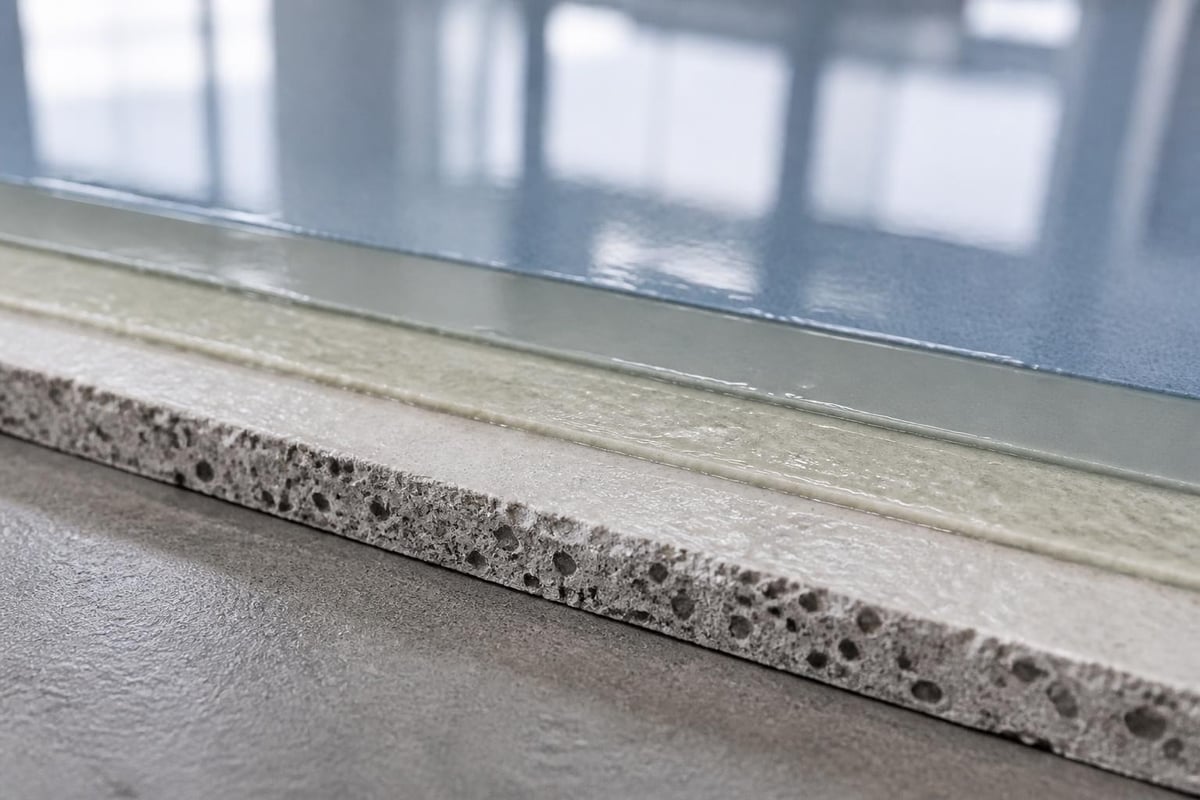
Polyurethane floor coating has emerged as a premium flooring solution for commercial and industrial facilities across South East Queensland and beyond. While many business owners are familiar with traditional flooring options, pu floor coating offers distinct advantages that make it particularly suitable for high-traffic environments where durability, flexibility, and chemical resistance are paramount. Understanding the unique properties and applications of this advanced flooring system helps facility managers and business owners make informed decisions about their flooring investments.
Understanding PU Floor Coating Chemistry and Composition
Polyurethane floor coatings represent a sophisticated chemical formulation that differs significantly from other flooring systems. The chemistry behind pu floor coating involves the reaction between polyols and isocyanates, creating a polymer network with exceptional physical properties.
The Two-Component System
PU floor coating systems typically consist of two distinct components that must be mixed before application:
- Component A: Contains polyols, pigments, and additives that determine colour and performance characteristics
- Component B: Features isocyanates that act as the hardening agent
- Chemical reaction: Creates urethane linkages that form a highly durable polymer network
- Curing process: Develops over several days, reaching full strength after approximately seven days
The ratio of these components and the quality of mixing directly impact the final performance characteristics of the coating. Professional application ensures proper proportioning and thorough mixing for optimal results.
| Property | PU Floor Coating | Epoxy Coating | Acrylic Coating |
|---|---|---|---|
| Flexibility | Excellent | Limited | Moderate |
| UV Resistance | Superior | Poor | Good |
| Chemical Resistance | Excellent | Excellent | Moderate |
| Abrasion Resistance | Superior | Very Good | Fair |
| Temperature Range | -40°C to 120°C | -10°C to 60°C | 0°C to 50°C |
Key Performance Characteristics of PU Floor Coating
The molecular structure of pu floor coating delivers performance benefits that address common challenges in commercial and industrial environments. These characteristics make polyurethane particularly valuable in facilities where traditional coatings may fail prematurely.
Exceptional Flexibility and Elongation
Unlike rigid coating systems, polyurethane maintains flexibility throughout its service life. This property proves critical in environments subject to temperature fluctuations or substrate movement.
Thermal expansion tolerance: Concrete substrates expand and contract with temperature changes. PU floor coating accommodates this movement without cracking or delaminating, maintaining structural integrity where rigid systems would fail.
Impact resistance: The flexible nature of polyurethane allows it to absorb impact energy rather than fracturing. Dropped tools, equipment, or materials cause less damage compared to brittle coating systems.
Polyurethane floor coatings demonstrate exceptional resistance to various environmental stressors, making them ideal for demanding applications.
Superior Chemical Resistance Properties
Commercial kitchens, food processing facilities, and chemical storage areas demand flooring that withstands aggressive chemical exposure.
- Acids and alkalis: PU floor coating resists degradation from common industrial chemicals
- Oils and solvents: Petroleum-based products don't penetrate or soften the coating
- Cleaning agents: Harsh sanitizers and disinfectants maintain effectiveness without damaging the floor
- Food products: Organic acids from food processing operations cause minimal impact
The dense molecular structure prevents chemical penetration, protecting both the coating and the underlying concrete substrate.

Application Environments for PU Floor Coating
Different commercial and industrial facilities benefit from the unique properties of pu floor coating. Understanding which environments gain maximum advantage helps optimize flooring specification decisions.
High-Traffic Commercial Spaces
Retail environments experience constant foot traffic, trolley movement, and periodic heavy deliveries. Benefits of polyurethane floor coatings in commercial spaces include exceptional wear resistance that maintains appearance despite intensive use.
Shopping centres and retail stores: The UV stability of polyurethane prevents colour fading near windows and skylights, maintaining aesthetic appeal throughout the facility. The coating's abrasion resistance withstands shopping trolleys, pallet jacks, and thousands of daily footsteps.
Commercial kitchens: Temperature fluctuations from cooking equipment combined with chemical exposure from cleaning products create challenging conditions. PU floor coating handles thermal shock while resisting degradation from sanitizers and food acids.
Industrial Manufacturing Facilities
Factories and production facilities require flooring that tolerates heavy machinery, chemical processes, and demanding operational conditions.
- Substrate preparation: Concrete grinding and profiling ensure proper adhesion
- Moisture testing: Relative humidity assessment prevents future delamination
- Primer application: Enhances bond strength to concrete substrate
- Base coat installation: Builds thickness and provides initial protection
- Topcoat application: Delivers final wear surface and aesthetic finish
The epoxy flooring industry has long served industrial clients, but pu floor coating offers enhanced performance in specific applications where flexibility and UV resistance prove critical.
Temperature-Sensitive Environments
Cold storage facilities, cool rooms, and areas with significant temperature variation benefit from polyurethane's thermal properties.
Cold room flooring: PU floor coating maintains flexibility even at sub-zero temperatures, preventing the cracking and brittleness that affects other coating systems. The coating withstands thermal shock when moving products between different temperature zones.
Outdoor and semi-enclosed spaces: Covered loading docks, carports, and partially exposed areas experience UV exposure, temperature swings, and weather conditions. PU floor coatings in high-traffic areas deliver enhanced durability under these challenging conditions.
Installation Process and Surface Preparation
Successful pu floor coating installation depends heavily on proper surface preparation and application technique. Professional installation ensures long-term performance and maximizes return on investment.
Critical Surface Preparation Steps
The concrete substrate must meet specific criteria before coating application commences:
- Surface profile: Grinding creates mechanical anchor points for coating adhesion
- Moisture content: Relative humidity below 75% prevents future delamination issues
- Contamination removal: Oils, greases, and existing coatings require complete elimination
- Crack repair: Structural repairs address underlying concrete defects
- Joint treatment: Expansion joints need proper detailing to accommodate movement
Our team at Superior Concrete Finishes brings decades of experience to substrate preparation, ensuring optimal conditions for coating application.
Application Methodology
Professional applicators follow strict protocols to achieve uniform coverage and consistent film thickness.
| Application Stage | Film Thickness | Curing Time | Purpose |
|---|---|---|---|
| Primer | 100-150 microns | 6-12 hours | Substrate bonding |
| Base Coat | 200-400 microns | 12-24 hours | Build thickness |
| Intermediate Coat | 200-300 microns | 12-24 hours | Additional protection |
| Topcoat | 100-200 microns | 24-48 hours | Wear surface |
Environmental conditions: Temperature and humidity during application significantly impact curing and final properties. Ideal conditions range between 15°C and 25°C with relative humidity below 80%.
Maintenance Requirements and Lifecycle Management
While pu floor coating offers exceptional durability, proper maintenance extends service life and maintains appearance. Understanding maintenance requirements helps facility managers develop effective care programs.
Daily and Weekly Maintenance Protocols
Regular cleaning prevents dirt accumulation and maintains the coating's aesthetic appeal:
- Sweep or vacuum daily to remove abrasive particles
- Damp mop with neutral pH cleaners weekly
- Address spills immediately to prevent staining
- Inspect high-traffic areas for early wear indicators
- Document maintenance activities for warranty compliance
The concrete floor maintenance practices that work for polished concrete also apply to polyurethane systems, with minor modifications for chemical compatibility.
Long-Term Care Strategies
Periodic deep cleaning: Quarterly or semi-annual deep cleaning removes accumulated soil and restores surface appearance. Use polyurethane-compatible cleaning products to avoid chemical damage.
Wear pattern monitoring: High-traffic pathways and work zones may show wear before other areas. Identifying these patterns early allows targeted maintenance or protective measures.
Topcoat renewal: When surface wear becomes evident, applying a fresh topcoat restores protection without complete system removal. This cost-effective approach extends the floor's service life significantly.
Comparing PU Floor Coating to Alternative Systems
Facility managers often evaluate multiple flooring options before making specification decisions. Understanding how pu floor coating compares to alternatives helps identify the optimal solution.
PU Versus Epoxy Flooring
Both polyurethane and epoxy coatings serve commercial and industrial facilities, but each excels in different applications. When comparing polyurethane flooring to other options, several distinctions emerge.
Flexibility differences: Epoxy creates a rigid, hard surface ideal for heavy loads and forklift traffic. PU floor coating provides flexibility that better accommodates thermal movement and impact.
UV resistance: Epoxy yellows and chalks under UV exposure, making it unsuitable for areas with natural light. Polyurethane maintains colour stability even with direct sunlight exposure.
Application considerations: Epoxy typically offers easier application and faster curing in standard conditions. Polyurethane requires more careful moisture control and environmental management during installation.
Cost-Benefit Analysis
Initial investment represents only one factor in flooring decisions. Total cost of ownership includes installation, maintenance, and lifecycle considerations.
- Material costs: PU floor coating typically costs 20-40% more than epoxy systems
- Application labour: Polyurethane installation requires slightly more time and expertise
- Maintenance expenses: Lower maintenance requirements offset higher initial costs
- Replacement timeline: Extended service life reduces lifecycle costs
- Downtime considerations: Faster return to service minimizes business interruption
For facilities requiring UV stability, flexibility, or enhanced chemical resistance, the additional investment in pu floor coating delivers superior long-term value.

Specialized Applications and Custom Formulations
Advanced polyurethane systems address specific performance requirements through custom formulations. Understanding available options helps specify the ideal coating for particular applications.
Anti-Slip and Safety Coatings
Aggregate broadcast systems: Incorporating aluminum oxide or other aggregates into pu floor coating creates slip-resistant surfaces for wet areas, ramps, and pedestrian zones. The abrasion resistance of polyurethane prevents premature aggregate loss.
Textured finishes: Some formulations incorporate texturing agents that create surface roughness without broadcast aggregates. These systems maintain easier cleaning while providing adequate slip resistance.
Similar to epoxy non-slip flooring solutions, polyurethane systems can be customized for enhanced safety without compromising other performance characteristics.
Decorative and Aesthetic Options
Colour customization: PU floor coating accommodates virtually any colour specification through custom tinting. This flexibility supports branding requirements and wayfinding strategies in commercial facilities.
Gloss level control: Finish options range from high-gloss to matte, allowing aesthetic coordination with overall facility design. Gloss levels also impact cleaning ease and maintenance requirements.
Antimicrobial and Hygienic Formulations
Pharmaceutical manufacturing, food processing, and healthcare facilities require flooring that supports stringent hygiene protocols.
- Antimicrobial additives inhibit bacterial growth on the floor surface
- Seamless installation eliminates crevices where contaminants accumulate
- Chemical resistance allows aggressive sanitization without coating damage
- Smooth surface finish facilitates thorough cleaning and inspection
These specialized formulations ensure pu floor coating meets regulatory requirements in controlled environments.
Technical Specifications and Performance Standards
Professional specification requires understanding technical parameters and industry standards. These metrics ensure coating systems meet project requirements and performance expectations.
Physical Property Requirements
| Property | Test Method | Typical Value | Minimum Specification |
|---|---|---|---|
| Hardness | Shore D | 70-80 | 65 |
| Tensile Strength | AS 1145.1 | 25-35 MPa | 20 MPa |
| Elongation at Break | AS 1145.1 | 80-150% | 50% |
| Abrasion Resistance | Taber Abraser | 35-50 mg loss | 70 mg loss |
| Bond Strength | AS 1580.408.5 | >2.5 MPa | 1.5 MPa |
Adhesion testing: Pull-off tests verify that pu floor coating achieves adequate bond strength to the concrete substrate. Testing should occur after full cure, typically seven to fourteen days post-application.
Chemical Resistance Testing
Standardized immersion testing determines resistance to specific chemicals relevant to the application environment. Testing protocols involve:
- Sample preparation with specified coating thickness
- Chemical immersion for defined periods (typically 30 days)
- Visual assessment for discolouration, softening, or degradation
- Property testing to measure changes in hardness or adhesion
Results inform specification decisions for facilities with known chemical exposure risks.
Environmental Considerations and Sustainability
Modern commercial facilities increasingly prioritize environmental performance alongside functional requirements. PU floor coating offers several sustainability advantages worth considering.
VOC Emissions and Indoor Air Quality
Low-VOC formulations: Many polyurethane systems now feature reduced volatile organic compound emissions, supporting healthy indoor environments and regulatory compliance.
Odor management: While application generates some odor, modern pu floor coating formulations minimize smell and off-gassing compared to older technologies. Proper ventilation during installation further reduces occupant impact.
Lifecycle Environmental Impact
Durability reduces replacement: The extended service life of polyurethane coatings means fewer replacement cycles, reducing material consumption and waste generation over building lifecycles.
Energy efficiency: Reflective finishes in light colours can improve lighting efficiency in warehouses and industrial facilities, reducing energy consumption for artificial lighting.
End-of-life considerations: While polyurethane removal requires mechanical methods, the material itself poses minimal environmental hazards during disposal when handled according to regulations.
Quality Assurance and Installation Standards
Achieving specified performance requires rigorous quality control throughout the installation process. Professional applicators implement comprehensive quality assurance protocols.
Pre-Installation Documentation
Substrate testing reports: Moisture testing, concrete strength assessment, and contamination checks create baseline documentation. These records prove valuable for warranty claims and future maintenance planning.
Material certification: Manufacturers provide technical data sheets, safety data sheets, and batch-specific quality certificates. Verifying material compliance before application prevents costly failures.
Installation Quality Control
- Film thickness measurement: Regular checks with wet film thickness gauges ensure proper coverage
- Mixing verification: Documenting mix ratios and pot life management maintains quality standards
- Environmental monitoring: Recording temperature and humidity during application supports troubleshooting if issues arise
- Photographic documentation: Progress photos create records of substrate condition and application quality
Working with experienced commercial flooring contractors ensures these quality measures receive proper attention throughout project execution.
Common Issues and Troubleshooting Strategies
Even with proper installation, pu floor coating systems occasionally experience issues requiring diagnosis and remediation. Understanding common problems helps facility managers respond effectively.
Delamination and Adhesion Failures
Root causes: Moisture vapor transmission from the substrate, surface contamination, or inadequate surface preparation typically cause adhesion failures. Less commonly, incorrect mixing ratios or application over incompatible primers contribute to delamination.
Prevention strategies: Comprehensive substrate testing before installation identifies moisture issues. Surface preparation to manufacturer specifications ensures adequate mechanical bonding. Using appropriate primers matched to substrate conditions enhances adhesion.
Surface Defects and Appearance Issues
Bubbling and cratering: Entrapped air or rapid solvent release during curing creates surface bubbles. Proper roller technique and appropriate environmental conditions during application prevent these defects.
Color inconsistency: Variations in mixing, application technique, or substrate absorption can cause color variation. Maintaining consistent application methods and using properly tinted material ensures uniform appearance.
Orange peel texture: Incorrect material viscosity or application technique creates textured surfaces resembling orange peel. Adjusting material temperature and application methods resolves this issue.
Warranty Considerations and Performance Guarantees
Understanding warranty terms helps set realistic expectations and protects investment in pu floor coating systems.
Manufacturer Material Warranties
Polyurethane manufacturers typically warrant products against material defects for specified periods, often ranging from two to five years. These warranties cover:
- Manufacturing defects in the coating material itself
- Proper performance when installed according to specifications
- Chemical composition meeting published technical data
Warranty exclusions: Manufacturer warranties generally exclude installation defects, improper substrate preparation, or use outside recommended parameters.
Installation Performance Guarantees
Professional applicators often provide workmanship warranties separate from material warranties. These guarantees cover:
- Proper surface preparation and substrate assessment
- Correct mixing and application of coating materials
- Adherence to manufacturer installation specifications
- Achievement of specified film thickness and coverage
- Proper curing conditions and timeframes
Combined material and installation warranties provide comprehensive protection for flooring investments.
PU floor coating delivers exceptional performance in commercial and industrial environments where flexibility, chemical resistance, and UV stability prove essential. The unique properties of polyurethane systems address challenges that compromise alternative flooring options, making them particularly valuable in demanding applications. For South East Queensland businesses seeking durable, high-performance flooring solutions for warehouses, factories, commercial kitchens, or retail facilities, Superior Concrete Finishes brings decades of concrete flooring expertise to every project. Our fully licensed and insured team specializes in commercial and industrial applications, ensuring your facility receives professional installation backed by comprehensive industry knowledge.

Joshua Miller has over 15 years of experience in the commercial concrete flooring industry, specialising in epoxy flooring systems and polished concrete solutions for warehouses, factories, retail spaces and commercial developments. Joshua and his team work closely with builders, property owners and facility managers across South East Queensland to deliver durable, cost-effective commercial flooring systems for warehouses, industrial facilities, commercial kitchens, retail stores and large commercial developments.
Major builders and organisations Josh has led projects on include McNab, Hutchinson Builders, IKEA, Queensland Rail, University of Queensland, ADCO, Tomkins Commercial, Bunnings, OfficeWorks, Spotlight, and Anaconda.
If you're planning a project and need advice on the best commercial concrete flooring solution, contact Josh or one of the team at Superior Concrete Finishes.
-
 info@superiorconcretefinishes.com.au
-
1300 789 740
-
Connect with Josh on
LinkedIn


 Connect with Josh on