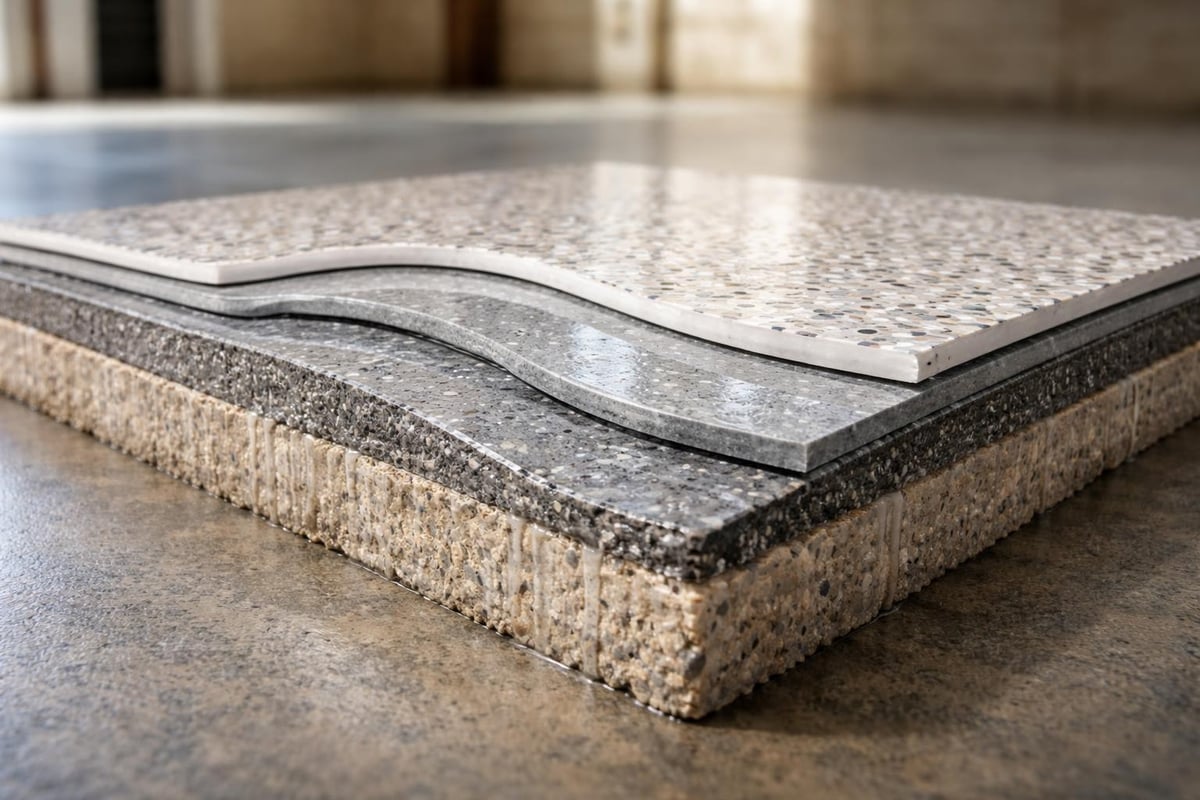
Commercial and industrial facilities across South East Queensland demand flooring solutions that withstand heavy traffic, chemical exposure, and rigorous operational demands. Resinous floor coatings have emerged as the premier choice for warehouses, factories, commercial kitchens, and industrial workshops, offering unmatched durability and performance. These advanced coating systems combine polymeric resins with hardening agents to create seamless, protective surfaces that transform standard concrete floors into resilient workspaces capable of handling extreme conditions while maintaining aesthetic appeal.
Understanding Resinous Floor Coating Chemistry
The term "resinous floor coatings" encompasses a family of polymer-based systems that bond chemically to concrete substrates. These coatings derive their name from the resin component, which serves as the foundation for the protective layer.
Primary Resin Types
Different resin chemistries offer distinct performance characteristics suited to specific applications. Epoxy resins dominate the commercial market due to their exceptional adhesion, chemical resistance, and durability. Polyurethane systems provide superior UV stability and flexibility. Methyl methacrylate (MMA) resins cure rapidly, making them ideal for time-sensitive projects.
The market for resinous flooring solutions continues expanding, with industry projections showing substantial growth through 2032, driven by increased demand in commercial and industrial sectors.
| Resin Type | Cure Time | Chemical Resistance | Impact Resistance | Best Applications |
|---|---|---|---|---|
| Epoxy | 24-72 hours | Excellent | Very Good | Warehouses, factories |
| Polyurethane | 12-24 hours | Good | Excellent | Car parks, freeze rooms |
| MMA | 1-2 hours | Very Good | Good | Fast-track projects |
| Polyaspartic | 2-4 hours | Very Good | Excellent | Food processing areas |
Chemical Bonding Mechanisms
Resinous floor coatings achieve their remarkable durability through molecular bonding with the concrete substrate. Unlike paint or sealers that sit atop the surface, these coatings penetrate the concrete pores and create interlocking chemical bonds. This adhesion prevents delamination and ensures long-term performance even under demanding conditions.
Application Methods for Commercial Projects
Professional installation of resinous floor coatings requires meticulous surface preparation and precise application techniques. The process typically spans several days, depending on the chosen system and project scope.
Surface Preparation Requirements
Concrete preparation determines coating success more than any other factor. The substrate must be structurally sound, properly cured, and free from contaminants. Diamond grinding or shot blasting creates the optimal surface profile for mechanical bonding.
Key preparation steps include:
- Moisture testing to ensure concrete dryness below 4% relative humidity
- Repairing cracks, spalls, and structural defects
- Removing existing coatings, oils, and surface laitance
- Creating appropriate surface profile (CSP 2-3 for most epoxy systems)
- Cleaning thoroughly to eliminate dust and debris
Proper epoxy flooring preparation establishes the foundation for a coating system that performs reliably for decades.
Installation Procedures
Application begins with primer coat selection based on substrate porosity and contamination history. The primer seals the concrete and enhances adhesion for subsequent layers. Build coats follow, with thickness determined by performance requirements and budget considerations.

Professional installers employ specialized equipment including notched squeegees, spike rollers, and power mixers to ensure uniform coverage and proper degassing. Temperature and humidity control during application prevents defects and ensures optimal curing.
Performance Characteristics in Industrial Environments
The demanding nature of commercial and industrial operations requires flooring that performs consistently across multiple metrics. Resinous floor coatings excel in these challenging environments through their engineered properties.
Chemical and Impact Resistance
Manufacturing facilities, commercial kitchens, and warehouses expose floors to acids, alkalis, solvents, and petroleum products daily. Epoxy-based resinous coatings resist degradation from these substances, maintaining integrity where other flooring materials fail. High-performance concrete coatings deliver the durability and safety features essential for regulatory compliance and operational efficiency.
Impact resistance proves equally critical in facilities handling heavy equipment and dropped loads. Properly formulated resinous systems absorb and distribute impact forces, preventing concrete damage and extending floor life.
Hygiene and Cleanability
Food-grade flooring applications demand seamless surfaces that prevent bacterial growth and facilitate thorough cleaning. Resinous coatings create non-porous barriers that resist moisture penetration and microbial colonization. Their seamless nature eliminates grout lines and joints where contaminants accumulate.
Commercial kitchens benefit from specific formulations incorporating antimicrobial additives and thermal shock resistance to handle temperature fluctuations from cleaning processes and equipment operations.
System Specifications for Different Applications
Selecting appropriate resinous floor coatings requires matching system specifications to operational demands. Different facilities present unique challenges requiring tailored solutions.
Warehouse and Logistics Facilities
High-traffic warehouses experience constant forklift traffic, pallet movement, and point loading. These facilities require resinous systems with:
- Minimum thickness of 2-3mm for adequate impact resistance
- High compressive strength (>6,000 PSI)
- Abrasion resistance meeting ASTM D4060 standards
- Non-slip additives for safety compliance
The seamless nature of commercial floor coatings prevents dust generation from concrete degradation, maintaining cleaner warehouse environments and protecting stored goods.
Manufacturing and Processing Plants
Factory floors endure chemical spills, thermal cycling, and heavy machinery loads. Resinous coating selection depends on specific exposures encountered in each zone. Chemical resistance charts guide specification, matching coating chemistry to anticipated contaminants.
Industrial concrete flooring contractors assess operational requirements and recommend systems engineered for specific manufacturing processes, whether metalworking, plastics processing, or assembly operations.
Commercial Car Parks
Undercover car parks present unique challenges including vehicle fluids, UV exposure at entry points, and expansion joint movement. Flexible polyurethane or polyaspartic resinous systems accommodate substrate movement while resisting petroleum product staining.
| Facility Type | Recommended Thickness | Primary Resin | Key Features |
|---|---|---|---|
| Warehouse | 2-3mm | Epoxy | Impact resistance, dust-proof |
| Factory | 3-6mm | Epoxy/Polyurethane | Chemical resistance, thermal stability |
| Commercial Kitchen | 6-9mm | Epoxy/Polyurethane | Thermal shock resistance, antimicrobial |
| Car Park | 1-2mm | Polyurethane/Polyaspartic | Flexibility, stain resistance |
Maintenance and Lifecycle Management
Long-term performance of resinous floor coatings depends on appropriate maintenance protocols and periodic assessment. While these systems require minimal upkeep compared to alternatives, proper care maximizes service life and return on investment.
Daily and Periodic Cleaning
Routine maintenance involves sweeping or dust mopping to remove abrasive particles that gradually wear surface gloss. Wet mopping with pH-neutral cleaners removes spills and soiling without degrading the coating. Avoid harsh chemicals unless specifically recommended for the installed system.
Heavy soiling may require automated scrubbing equipment with soft bristle brushes. The smooth, non-porous surface of commercial epoxy flooring facilitates efficient cleaning, reducing labour costs and downtime.
Inspection and Repair Protocols
Regular inspections identify minor damage before it propagates into larger problems. Professionals examine coating integrity, checking for:
- Surface wear patterns indicating excessive abrasion
- Chemical staining requiring topcoat renewal
- Delamination at edges or penetrations
- Crack development in substrate telegraphing through coating
Minor repairs involve grinding damaged areas and applying patch material matched to the existing system. Larger damaged sections may require complete coating removal and reapplication.
Superior Concrete Finishes provides epoxy flooring solutions engineered for demanding commercial and industrial environments throughout South East Queensland. Our experienced team assesses your specific operational requirements and recommends resinous coating systems that deliver optimal performance and value.

Environmental Considerations and Sustainability
Modern resinous floor coatings increasingly incorporate environmental responsibility into their formulation and application. Commercial facility managers prioritize sustainable building materials that contribute to green building certifications while maintaining performance standards.
Environmental Product Declarations
The flooring industry has embraced transparency through Environmental Product Declarations (EPDs), which quantify environmental impacts across product lifecycles. Sika’s resinous flooring EPDs provide comprehensive data on carbon footprint, resource consumption, and end-of-life considerations, enabling informed decision-making for environmentally conscious projects.

Volatile Organic Compound Reduction
Traditional solvent-based coatings released significant volatile organic compounds (VOCs) during application and curing. Modern formulations utilize water-based or 100% solids technologies that dramatically reduce VOC emissions, improving indoor air quality and worker safety during installation.
Low-VOC resinous systems meet stringent environmental regulations while delivering equivalent or superior performance compared to legacy products. This advancement particularly benefits occupied facilities requiring minimal disruption during floor installation.
Innovation and Future Developments
The resinous flooring industry continues evolving through technological advancement and material science innovation. Recent developments extend coating capabilities and address emerging market demands.
Nanotechnology Integration
New technology extends resinous flooring lifespan through nanoparticle reinforcement and self-healing polymer networks. These innovations create coatings that repair minor damage autonomously, dramatically extending service intervals between major refurbishment.
Nanosilica particles enhance scratch resistance and surface hardness without increasing coating thickness or weight. This technology proves particularly valuable in high-traffic retail environments where appearance retention directly impacts customer perception.
Smart Coating Systems
Emerging resinous formulations incorporate functional additives that provide capabilities beyond traditional protective functions. Electrically conductive coatings dissipate static charges in electronics manufacturing facilities. Photoluminescent aggregates create emergency egress pathways without electrical power. Antimicrobial additives actively inhibit bacterial growth on floor surfaces.
These specialty systems address specific operational requirements in healthcare facilities, clean rooms, and other controlled environments where standard resinous coatings provide insufficient functionality.
Installation Timeline and Project Planning
Commercial projects demand coordination between flooring contractors and facility operations to minimize business disruption. Understanding resinous coating installation timelines enables effective project scheduling and resource allocation.
Typical Project Phases
- Site assessment and specification development (1-3 days)
- Surface preparation and concrete repairs (2-5 days)
- Primer application and curing (1-2 days)
- Base coat installation (1-2 days)
- Topcoat application (1 day)
- Curing and facility handover (1-3 days)
Total project duration varies from one week for straightforward installations to several weeks for complex multi-area facilities requiring staged implementation. Epoxy flooring contractors develop detailed schedules accounting for curing times, operational constraints, and seasonal weather conditions.
Temperature and Humidity Considerations
Successful resinous coating installation requires controlled environmental conditions. Most systems specify temperature ranges between 10°C and 30°C with relative humidity below 85%. South East Queensland's subtropical climate occasionally challenges these parameters, requiring dehumidification equipment or installation timing adjustments.
Cold concrete substrates may require heating to reach minimum application temperatures, while excessive heat accelerates curing, potentially reducing working time and creating application difficulties. Professional installers monitor conditions continuously and adjust procedures accordingly.
Cost Analysis and Return on Investment
Financial considerations significantly influence flooring decisions for commercial and industrial facilities. Resinous floor coatings present higher initial investment compared to some alternatives but deliver superior lifecycle value through extended service life and reduced maintenance requirements.
Initial Investment Components
Project costs encompass several elements beyond material expenses:
- Surface preparation and concrete repairs
- Coating materials and application labour
- Downtime costs during installation
- Equipment rental and site logistics
- Quality assurance testing and certification
Comprehensive pricing varies substantially based on system thickness, performance requirements, and site conditions. Basic epoxy systems start at competitive rates per square metre, while specialized high-build or chemical-resistant formulations command premium pricing justified by enhanced performance.
Lifecycle Cost Comparison
Resinous coatings typically outlast alternative flooring solutions by factors of two to three, with properly maintained systems serving 15-20 years or longer. This longevity reduces replacement frequency and associated business disruption. How long epoxy floors last depends on traffic intensity, chemical exposure, and maintenance quality, but commercial installations routinely exceed a decade of service.
Reduced maintenance labour and material costs further enhance return on investment. The seamless, non-porous nature of resinous systems simplifies cleaning and eliminates substrate degradation that generates dust and requires repeated intervention.
Safety and Regulatory Compliance
Commercial and industrial facilities operate under strict safety regulations governing workplace conditions. Resinous floor coatings contribute to compliance through slip resistance, chemical containment, and durability characteristics that maintain safety features throughout their service life.
Slip Resistance Standards
Flooring safety standards establish minimum friction coefficients for different applications. Wet areas, ramps, and high-traffic zones require enhanced slip resistance achieved through broadcast aggregates, textured topcoats, or specialized additives incorporated during application.
Testing protocols measure slip resistance using pendulum testers or tribometers, generating quantifiable data demonstrating compliance with Australian Standards. Facility managers should specify appropriate slip resistance ratings based on operational conditions and risk assessments.
Chemical Containment and Spill Control
Manufacturing facilities handling hazardous materials implement secondary containment systems preventing environmental contamination. Resinous floor coatings form impermeable barriers that contain spills and facilitate rapid cleanup. Cove base installations extend coating coverage up walls, creating seamless transitions that eliminate leak paths.
Chemical resistance testing validates coating suitability for specific exposure scenarios, ensuring long-term containment integrity even under aggressive chemical attack.
Selecting Qualified Installation Contractors
The quality of resinous floor coating installation determines system performance more than any other factor. Engaging experienced, qualified contractors ensures proper specification, surface preparation, and application techniques that maximize coating longevity and return on investment.
Contractor Qualifications and Credentials
Professional flooring contractors demonstrate competency through:
- QBCC licensing verifying regulatory compliance and industry standards knowledge
- Comprehensive insurance coverage protecting clients from installation defects and accidents
- Manufacturer certifications indicating training on specific coating systems
- Project portfolios showcasing relevant commercial and industrial experience
- References from similar facilities validating performance and professionalism
Quality Assurance Processes
Reputable contractors implement systematic quality control throughout projects. This includes concrete moisture testing, surface profile verification, coating thickness measurement, and adhesion testing. Documentation provides evidence of specification compliance and supports warranty claims if defects emerge.
Choosing commercial flooring contractors requires due diligence beyond price comparison, as installation quality directly impacts long-term performance and total ownership costs.
Resinous floor coatings deliver unmatched durability, chemical resistance, and low maintenance for commercial and industrial facilities throughout South East Queensland. These advanced systems protect your concrete investment while supporting operational efficiency and safety compliance. Whether you operate a warehouse, factory, commercial kitchen, or car park, Superior Concrete Finishes provides expert specification, professional installation, and ongoing support to ensure your flooring performs reliably for decades. Contact our experienced team today to discuss your specific requirements and discover how our epoxy and polished concrete solutions can transform your facility's floors.

Joshua Miller has over 15 years of experience in the commercial concrete flooring industry, specialising in epoxy flooring systems and polished concrete solutions for warehouses, factories, retail spaces and commercial developments. Joshua and his team work closely with builders, property owners and facility managers across South East Queensland to deliver durable, cost-effective commercial flooring systems for warehouses, industrial facilities, commercial kitchens, retail stores and large commercial developments.
Major builders and organisations Josh has led projects on include McNab, Hutchinson Builders, IKEA, Queensland Rail, University of Queensland, ADCO, Tomkins Commercial, Bunnings, OfficeWorks, Spotlight, and Anaconda.
If you're planning a project and need advice on the best commercial concrete flooring solution, contact Josh or one of the team at Superior Concrete Finishes.
-
 info@superiorconcretefinishes.com.au
-
1300 789 740
-
Connect with Josh on
LinkedIn


 Connect with Josh on