Resinous floors have become a cornerstone of modern commercial and industrial facility design across South East Queensland. These high-performance flooring systems offer exceptional durability, chemical resistance, and aesthetic versatility that traditional flooring options simply cannot match. From warehouses and factories to commercial kitchens and retail spaces, resinous floors provide a seamless, long-lasting solution that meets the demanding requirements of today’s business environments. Understanding the characteristics, benefits, and applications of these advanced flooring systems helps facility managers and business owners make informed decisions about their flooring investments.
Understanding Resinous Flooring Systems
Resinous floors are created by combining synthetic resin materials with hardening agents to form a durable, protective surface over concrete substrates. The term “resinous” encompasses several different flooring types, each formulated to address specific performance requirements and environmental conditions.
The primary categories include epoxy, polyurethane, methyl methacrylate (MMA), and polyaspartic systems. Each type offers distinct advantages depending on the application. Epoxy systems provide excellent chemical resistance and bond strength, making them ideal for facilities exposed to aggressive substances. Polyurethane systems offer superior flexibility and abrasion resistance, particularly beneficial in high-traffic areas. MMA systems cure rapidly, allowing for quick installation in time-sensitive projects. Polyaspartic coatings combine fast cure times with excellent UV stability.
Chemical Composition and Performance
The chemical structure of resinous floors directly influences their performance characteristics. When resin and hardener components mix, they undergo a chemical reaction called polymerization, creating a cross-linked molecular structure that forms a rigid, durable surface.
This molecular bonding creates several key benefits:
- Exceptional bond strength to concrete substrates
- Superior chemical resistance against oils, solvents, and acids
- High compressive strength to withstand heavy equipment loads
- Seamless surface that eliminates grout lines and joints
- Customizable properties through formulation adjustments
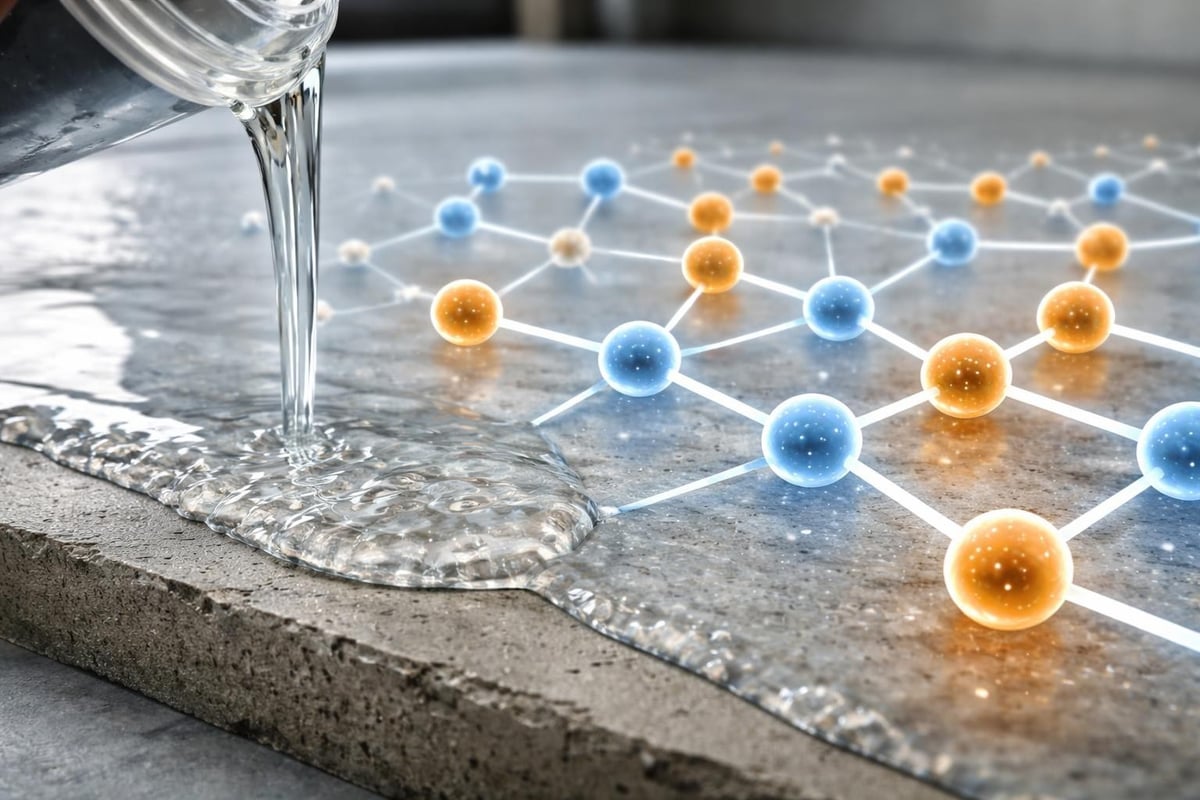
The thickness of resinous floors varies based on intended use, ranging from thin coatings of 0.5mm to heavy-duty systems exceeding 6mm. Thicker systems incorporate additional layers and aggregate fillers to enhance impact resistance and structural strength. According to industry experts, the versatility of resinous flooring makes it suitable for virtually any commercial or industrial application.
Key Benefits for Commercial Applications
Resinous floors deliver measurable advantages that directly impact operational efficiency and total cost of ownership. These benefits extend beyond simple surface protection to influence workplace safety, maintenance costs, and facility aesthetics.
Durability and Longevity
Commercial facilities demand flooring that withstands constant use without deteriorating. Resinous floors excel in this regard, often lasting 15 to 20 years or more with proper maintenance. The seamless nature of these systems eliminates weak points where damage typically begins in traditional flooring.
Unlike tiled surfaces or painted concrete, resinous floors resist cracking, chipping, and delamination under normal operating conditions. This durability translates to reduced downtime for repairs and lower long-term replacement costs. Facilities can maintain continuous operations without disruptive floor maintenance schedules.
Chemical and Stain Resistance
Industrial and commercial environments frequently expose floors to challenging substances. Resinous flooring systems provide essential protection against chemical damage that would quickly destroy unprotected concrete or other flooring types.
| Chemical Type | Resistance Level | Typical Applications |
|---|---|---|
| Acids | Excellent | Manufacturing, laboratories |
| Alkalis | Excellent | Food processing, cleaning facilities |
| Solvents | Very Good | Automotive workshops, factories |
| Oils/Greases | Excellent | Mechanical workshops, warehouses |
| Water | Excellent | All commercial applications |
This chemical resistance extends to common substances encountered daily, including cleaning agents, beverages, food products, and automotive fluids. Spills that would permanently stain other flooring materials wipe clean from properly installed resinous floors without leaving marks or causing damage.
Safety Enhancement
Workplace safety remains paramount in commercial and industrial settings. Resinous floors contribute to safer environments through multiple mechanisms. Anti-slip additives can be incorporated into the system, creating textured surfaces that maintain traction even when wet. This feature proves critical in commercial kitchens, loading docks, and areas exposed to liquids.
The seamless surface eliminates trip hazards associated with uneven tiles or damaged concrete. Reflective properties improve lighting efficiency, enhancing visibility and reducing accident risks in warehouses and manufacturing facilities. Certain formulations also offer static-dissipative properties for electronics manufacturing or explosive environments.
Industry-Specific Applications
Different commercial sectors have unique flooring requirements that resinous floors address through customized system specifications. Understanding these applications helps facility managers select appropriate solutions for their specific needs.
Warehouse and Distribution Centres
Modern warehouse flooring must accommodate heavy forklift traffic, racking systems, and constant material movement. Resinous floors provide the impact resistance and load-bearing capacity these facilities demand.
Heavy-duty epoxy and polyurethane systems handle the concentrated loads from pallet jacks and reach trucks without surface damage. The smooth, level finish facilitates efficient material handling and reduces equipment wear. Dust-free surfaces improve air quality and protect stored goods from contamination.
Food Processing and Commercial Kitchens
Food industry facilities require flooring that meets strict hygiene standards while withstanding thermal shock, moisture, and aggressive cleaning protocols. Food processing applications benefit from resinous floors that resist bacterial growth and facilitate thorough sanitization.
The seamless nature prevents bacterial harbourage in joints and crevices common with tiled floors. Chemical resistance withstands repeated exposure to cleaning chemicals and food acids. Thermal shock resistance allows hot water washdowns without surface damage. Many systems meet Australian food safety standards and regulatory requirements.

Retail and Showroom Spaces
Retail environments demand attractive flooring that withstands high foot traffic while enhancing the customer experience. Resinous floors offer aesthetic flexibility through various colours, patterns, and finishes that align with branding requirements.
Polished concrete with resinous sealers creates sophisticated retail spaces that combine durability with visual appeal. The reflective surface amplifies lighting, creating brighter, more inviting environments. Low maintenance requirements keep floors looking pristine with minimal effort, maintaining professional appearances that influence customer perceptions.
Manufacturing and Industrial Workshops
Manufacturing facilities expose floors to aggressive chemicals, heavy machinery, and demanding production processes. Industrial flooring solutions must deliver extreme durability and specific performance characteristics based on manufacturing processes.
Mechanical workshops benefit from oil-resistant formulations that prevent staining and maintain safe working conditions. Electronics manufacturing requires static-dissipative systems that protect sensitive components. Chemical processing plants need formulations resistant to specific substances used in production. The customizable nature of resinous floors allows specification of systems matching exact operational requirements.
Commercial Car Parks
Undercover car parks present unique challenges including vehicle traffic, oil exposure, and weather protection. Resinous floors designed for car park applications resist tyre marks, oil stains, and de-icing salts while providing slip resistance for pedestrian safety.
The waterproof nature protects underlying concrete from moisture penetration and corrosion damage. Line marking can be integrated directly into the system, creating durable traffic patterns that don’t fade or wear like painted lines. Proper drainage integration prevents water pooling and ice formation in colder months.
Installation Process and Considerations
Successful resinous floor installation requires careful planning, proper surface preparation, and skilled application techniques. Understanding the installation process helps facility managers coordinate projects effectively and set realistic expectations.
Surface Preparation Requirements
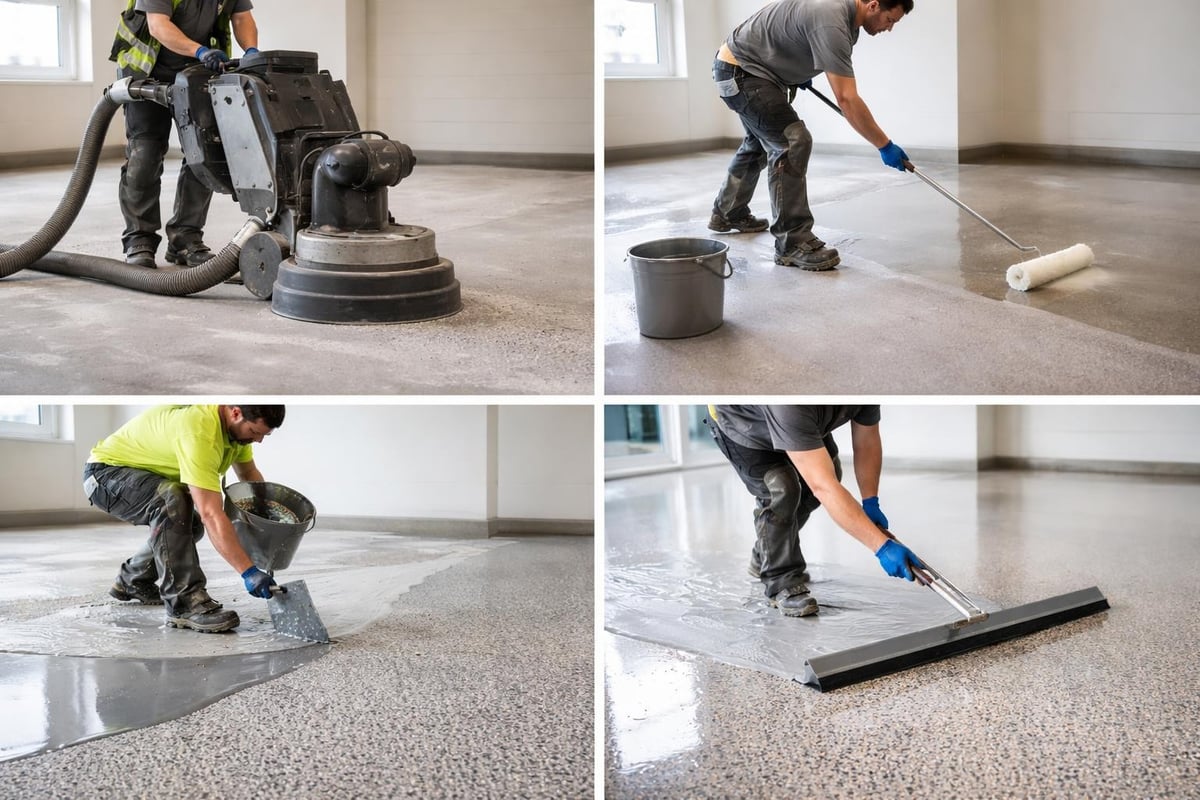
The foundation of any successful resinous floor system begins with thorough concrete preparation. The substrate must be structurally sound, properly cured, and free from contaminants that could compromise bonding.
Preparation steps typically include:
- Concrete assessment evaluating moisture content, strength, and condition
- Surface profiling through grinding, shot blasting, or acid etching
- Crack repair filling and sealing structural defects
- Cleaning removing all dust, oil, and debris
- Moisture testing ensuring acceptable vapour transmission levels
Inadequate preparation represents the primary cause of resinous floor failures. Professional installers invest significant time ensuring substrates meet system requirements before application begins. Moisture issues particularly concern resinous floors, as excessive vapour transmission can cause blistering, delamination, and premature failure.
Application Methods
Different resinous systems require specific application techniques to achieve optimal results. Epoxy systems typically involve multiple coats applied with rollers, squeegees, or spray equipment depending on system specifications.
Application sequence generally follows this pattern:
- Primer coat to enhance bonding and seal the substrate
- Base coat providing primary thickness and strength
- Intermediate coats building system thickness for heavy-duty applications
- Top coat delivering surface properties, aesthetics, and protection
Environmental conditions during application significantly impact curing and final performance. Temperature and humidity must remain within specified ranges throughout installation and curing periods. Most systems require controlled conditions between 10°C and 30°C with relative humidity below 85%.
Curing and Downtime
Curing times vary considerably among resinous floor systems, directly affecting facility downtime during installation. Standard epoxy systems typically require 24 to 48 hours before light foot traffic and 5 to 7 days before full operational loads. Fast-cure systems can reduce these timeframes significantly, allowing return to service within hours.
Project scheduling must account for curing requirements, particularly in facilities operating continuously. Phased installation approaches allow sections to cure while other areas remain operational, minimizing business disruption. Proper ventilation during curing prevents solvent accumulation and accelerates the process.
Maintenance and Long-Term Performance
While resinous floors require less maintenance than many alternatives, establishing proper care protocols maximizes service life and preserves appearance. Understanding maintenance requirements helps facility managers budget appropriately and maintain optimal floor performance.
Regular Cleaning Protocols
Daily maintenance typically involves sweeping or dust mopping to remove abrasive particles that could scratch the surface. Regular wet mopping with pH-neutral cleaners maintains appearance without degrading the resinous material. Avoid harsh chemicals not specifically approved for the installed system, as some substances can dull or damage certain formulations.
For facilities with heavy soiling, automatic scrubbers provide efficient cleaning while protecting the floor surface. Periodic deep cleaning removes accumulated grime that regular maintenance misses. Commercial flooring specialists can recommend specific cleaning products compatible with installed systems.
Periodic Maintenance and Recoating
Even durable resinous floors eventually show wear in high-traffic areas. Fortunately, these systems can be recoated without complete removal, extending service life economically. Surface preparation for recoating involves cleaning, light abrasion to promote bonding, and application of fresh top coats.
Recoating intervals depend on traffic levels and use conditions, typically ranging from 3 to 10 years. Proactive recoating before significant wear occurs maintains appearance and prevents damage to underlying layers. This preventive approach costs far less than complete system replacement.
Performance Monitoring
Regular inspections identify developing issues before they compromise floor integrity. Look for signs including surface dulling, coating delamination, crack development, or chemical damage. Addressing problems promptly prevents minor issues from escalating into major failures requiring extensive repairs.
Environmental and Sustainability Considerations
Modern resinous floors increasingly incorporate sustainable practices and environmentally responsible formulations. These considerations matter to businesses pursuing green building certifications and reduced environmental impact.
Low VOC Formulations
Volatile organic compounds (VOCs) released during installation and curing pose health and environmental concerns. Contemporary resinous floor systems increasingly feature low-VOC or zero-VOC formulations that minimize emissions without compromising performance.
These environmentally friendly systems reduce indoor air quality impacts during installation and contribute to healthier workplace environments. Many formulations now meet stringent environmental standards required for green building certifications including Green Star and NABERS ratings.
Energy Efficiency Benefits
The reflective properties of resinous floors contribute to facility energy efficiency. Light-coloured systems with glossy finishes reflect artificial lighting, reducing illumination requirements by up to 30%. This reflection factor becomes particularly valuable in large warehouses and manufacturing facilities with substantial lighting costs.
Sustainable building design increasingly incorporates resinous floors as components of energy-efficient facilities. The thermal properties also influence heating and cooling efficiency, with proper systems reducing energy consumption throughout the building lifecycle.
Longevity and Waste Reduction
Durability directly contributes to sustainability by extending replacement cycles and reducing waste generation. A resinous floor lasting 20 years eliminates multiple replacement cycles required for shorter-lived alternatives, significantly reducing material consumption and disposal requirements.
When eventual replacement becomes necessary, some resinous materials can be ground and recycled into aggregate for new concrete or removed through mechanical means that allow material recovery. This end-of-life consideration increasingly influences system selection for environmentally conscious organizations.
Cost Considerations and Value Analysis
Understanding the total cost of ownership helps facility managers make informed flooring decisions. While initial installation costs for resinous floors may exceed some alternatives, long-term value often proves superior when considering the complete lifecycle.
Initial Investment Factors
Several variables influence resinous floor installation costs, including system type, thickness, surface preparation requirements, and project complexity. Basic thin-film epoxy coatings start at lower price points, while heavy-duty systems with enhanced properties command premium pricing.
Surface condition significantly impacts total costs. Damaged or contaminated concrete requiring extensive preparation increases project expenses. New construction installations typically cost less than renovation projects due to simplified preparation requirements.
| System Type | Typical Thickness | Relative Cost | Best Applications |
|---|---|---|---|
| Thin-film epoxy | 0.3-0.5mm | Low | Light commercial, office |
| Standard epoxy | 2-3mm | Medium | General warehouses, workshops |
| Heavy-duty epoxy | 4-6mm | Medium-High | Manufacturing, heavy industry |
| Polyurethane | 2-4mm | Medium-High | Food processing, thermal shock areas |
| MMA systems | 3-6mm | High | Fast-track projects, cold storage |
Long-Term Value Proposition
The true value of resinous floors emerges through extended service life and reduced maintenance costs. When comparing lifecycle costs against alternatives like polished concrete with sealers, tiles, or painted surfaces, resinous floors frequently deliver superior return on investment.
Reduced maintenance labour and materials lower ongoing operational costs. Minimized downtime for repairs and replacements prevents lost productivity that impacts bottom-line profitability. The durability and performance of epoxy flooring systems make them particularly cost-effective for demanding commercial and industrial applications. Energy savings from improved lighting efficiency provide additional value that compounds over decades of service.

Return on Investment Factors
Calculating ROI for resinous floors should account for both direct and indirect benefits. Direct savings include reduced maintenance costs, extended replacement intervals, and energy efficiency gains. Indirect benefits encompass improved safety reducing workers’ compensation claims, enhanced productivity from better working environments, and positive brand perception in customer-facing spaces.
For many facilities, the investment payback period ranges from 3 to 7 years depending on operating conditions and system specifications. Beyond payback, floors continue delivering value throughout their remaining service life, often 10 to 15 additional years.
Selecting the Right System for Your Facility
Choosing appropriate resinous floors requires careful consideration of operational requirements, environmental conditions, and performance expectations. A systematic evaluation process ensures selection of systems optimized for specific applications.
Needs Assessment
Begin by thoroughly analyzing current and future floor performance requirements. Consider factors including:
- Traffic levels including vehicle types, weights, and frequency
- Chemical exposure identifying specific substances and concentrations
- Thermal conditions including temperature ranges and thermal shock potential
- Moisture exposure from cleaning, processing, or environmental sources
- Aesthetic requirements for customer-facing or corporate spaces
- Safety needs including slip resistance and static control
Detailed needs assessment prevents under-specification that leads to premature failure or over-specification that wastes budget on unnecessary performance characteristics.
Working with Professional Installers
The quality of installation directly determines resinous floor performance and longevity. Partnering with experienced commercial flooring contractors ensures proper system selection, preparation, and application. Look for installers with demonstrated expertise in commercial and industrial projects, relevant qualifications, and comprehensive insurance coverage.
Professional contractors provide valuable guidance on system selection, addressing specific facility challenges based on extensive project experience. They understand local conditions, regulatory requirements, and best practices specific to South East Queensland’s commercial and industrial sectors. Proper installation by qualified professionals represents an investment that pays dividends through superior floor performance and extended service life.
Testing and Evaluation
For critical applications or large projects, conducting test patches before full installation provides valuable information. Test areas allow evaluation of appearance, slip resistance, and compatibility with existing substrates. They also demonstrate contractor workmanship and help identify potential issues before committing to complete installation.
Some facilities benefit from consulting with flooring specialists who can perform detailed substrate analysis, recommend optimal systems, and develop specifications matching exact requirements. This consultation investment often saves significant costs by preventing inappropriate system selection or installation failures.
Resinous floors represent a proven, high-performance solution for commercial and industrial facilities demanding durability, chemical resistance, and long-term value. Whether your South East Queensland facility requires flooring for warehouses, factories, retail spaces, or commercial kitchens, resinous systems deliver the performance characteristics modern businesses demand. Superior Concrete Finishes brings decades of industry experience and expertise to every commercial flooring project, ensuring your facility receives properly specified and professionally installed resinous floors that perform reliably for years to come.

Joshua Miller has over 15 years of experience in the commercial concrete flooring industry, specialising in epoxy flooring systems and polished concrete solutions for warehouses, factories, retail spaces and commercial developments. Joshua and his team work closely with builders, property owners and facility managers across South East Queensland to deliver durable, cost-effective commercial flooring systems for warehouses, industrial facilities, commercial kitchens, retail stores and large commercial developments.
Major builders and organisations Josh has led projects on include McNab, Hutchinson Builders, IKEA, Queensland Rail, University of Queensland, ADCO, Tomkins Commercial, Bunnings, OfficeWorks, Spotlight, and Anaconda.
If you're planning a project and need advice on the best commercial concrete flooring solution, contact Josh or one of the team at Superior Concrete Finishes.
-
 info@superiorconcretefinishes.com.au
-
1300 789 740
-
Connect with Josh on
LinkedIn


 Connect with Josh on