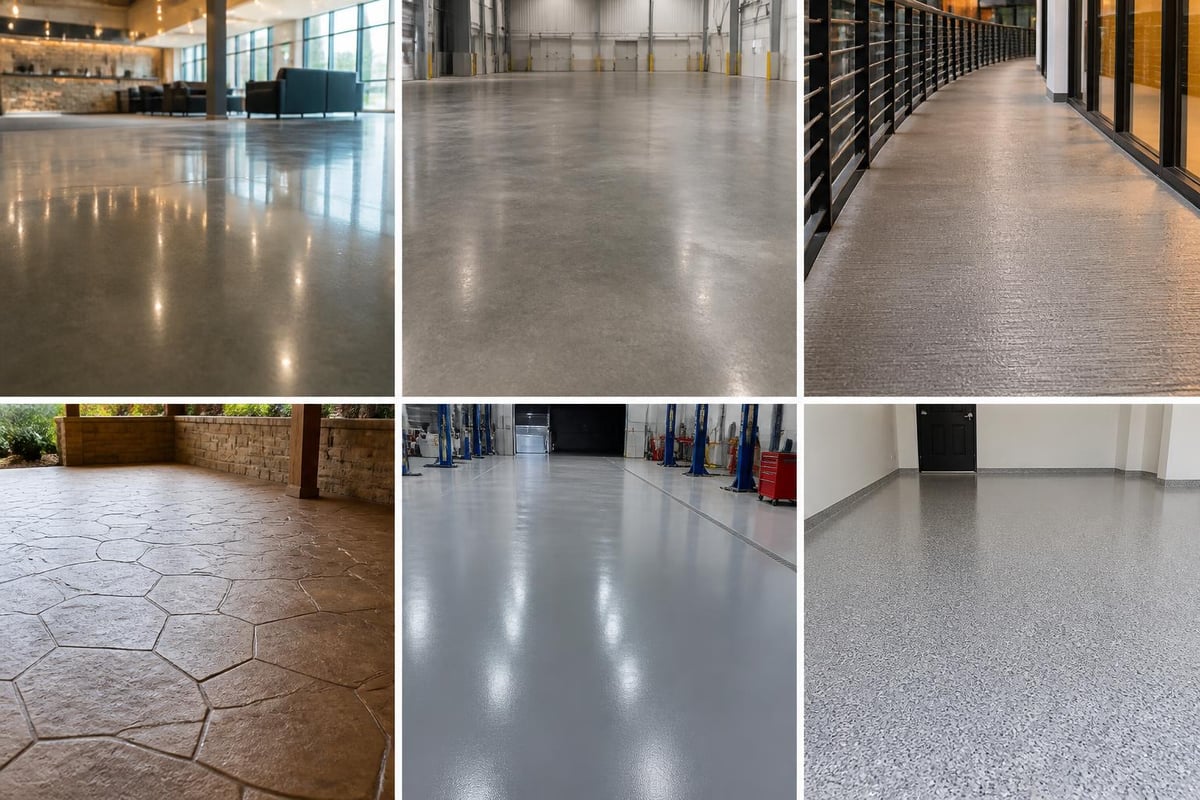
Selecting the right concrete finish for your commercial or industrial facility requires understanding the diverse range of options available and how each aligns with your operational demands. The types of concrete finishes available in 2026 offer solutions for everything from high-traffic warehouses to pristine retail environments, each delivering distinct performance characteristics, aesthetic qualities, and maintenance requirements. Whether you're planning a new build, renovating an existing space, or upgrading worn flooring in South East Queensland, knowing which finish best suits your application ensures longevity, safety, and cost-effectiveness for your investment.
Understanding Concrete Finishing Fundamentals
Concrete finishing transforms raw concrete slabs into functional, durable surfaces suited to specific commercial applications. The finishing process begins whilst the concrete is still workable and continues through various mechanical or chemical treatments after curing.
Different types of concrete finishes serve distinct purposes across commercial and industrial settings. Some finishes focus on creating slip-resistant surfaces for safety-critical areas, whilst others prioritise aesthetic appeal for customer-facing spaces or chemical resistance for manufacturing environments.
The Role of Timing in Concrete Finishing
The concrete finishing timeline directly impacts the final result. Initial finishing occurs during the plastic stage, when concrete remains workable. This includes screeding, floating, and trowelling operations that level and smooth the surface.
Secondary finishing happens after the concrete has cured sufficiently to support mechanical processes. Grinding, polishing, and coating applications fall into this category, allowing for more aggressive surface preparation and treatment.
Key timing considerations include:
- Ambient temperature and humidity affecting cure rates
- Concrete mix design influencing workability windows
- Project scheduling requirements for facility access
- Coordination with other trades on commercial sites
Mechanical Surface Finishes
Mechanical finishing techniques physically alter the concrete surface through grinding, polishing, or abrading. These methods create durable surfaces by exposing or refining the concrete substrate itself rather than applying coatings.
Polished Concrete Systems
Polished concrete represents one of the most popular types of concrete finishes for commercial retail and office environments. The polishing process involves progressively finer grinding steps using diamond-impregnated discs to achieve the desired gloss level.
This finish type offers exceptional durability and requires minimal ongoing maintenance compared to coated alternatives. The reflective surface enhances ambient lighting, reducing energy costs in large facilities.
| Gloss Level | Grit Sequence | Typical Applications |
|---|---|---|
| Satin (Low) | Up to 400 grit | Warehouses, factories |
| Semi-polished (Medium) | Up to 800 grit | Retail back-of-house |
| High-gloss (Mirror) | 1500+ grit | Showrooms, retail floors |
For commercial spaces where aesthetics meet functionality, polished concrete flooring delivers long-lasting performance with minimal environmental impact. This finish requires no additional coatings or sealers in many applications, making it an economical choice for large-format retail and office installations.

Ground and Exposed Aggregate Finishes
Grinding concrete to expose aggregate creates highly slip-resistant surfaces ideal for outdoor areas, carparks, and loading docks. The process removes the surface cement paste layer, revealing the stone aggregate beneath.
Exposed aggregate finishes provide natural texture and visual interest whilst delivering superior traction in wet conditions. This makes them particularly suitable for commercial carparks and external pedestrian areas where safety is paramount.
The depth of exposure determines both aesthetic appearance and slip resistance characteristics. Shallow exposure maintains a relatively smooth surface, whilst deeper grinding creates more pronounced texture and drainage channels.
Textured and Patterned Finishes

Textured finishes create surface patterns during the plastic stage of concrete placement. These types of concrete finishes enhance traction, add visual interest, or mimic other materials like stone or tile.
Broom Finish Applications
Broom finishing remains the most economical textured option for commercial applications. This technique involves dragging a broom across semi-hardened concrete to create parallel grooves that enhance slip resistance.
Broom finish advantages include:
- Cost-effective application requiring minimal specialised equipment
- Reliable slip resistance in wet conditions
- Quick installation suitable for large areas
- Ideal for external loading bays and service areas
The coarseness of texture adjusts based on broom bristle stiffness and timing of application. Stiffer bristles and earlier application create more pronounced grooves for maximum traction.
Stamped and Decorative Patterns
Stamped concrete uses moulds pressed into fresh concrete to create patterns resembling pavers, stone, or custom designs. Whilst less common in industrial settings, this finish suits commercial retail entries, outdoor dining areas, and hospitality venues.
Colour hardeners and release agents applied during stamping create realistic stone or brick appearances at a fraction of the cost of genuine materials. However, stamped finishes require regular sealing to maintain appearance and durability.
Protective Coating Systems
Coating systems protect concrete whilst adding specific performance characteristics like chemical resistance, hygiene compliance, or enhanced durability. These types of concrete finishes involve applying resinous materials over prepared concrete substrates.
Epoxy Flooring Solutions
Epoxy systems dominate commercial and industrial applications where chemical resistance, hygiene, or durability are critical. The epoxy flooring installation process involves mixing resin and hardener components that cure to form a seamless, impervious surface.
Modern epoxy formulations deliver exceptional performance across diverse environments:
- Warehouses and distribution centres benefit from impact resistance and forklift traffic durability
- Commercial kitchens require seamless surfaces meeting food safety standards
- Manufacturing facilities demand chemical resistance against acids, solvents, and oils
- Workshops need easy-clean surfaces resistant to automotive fluids and mechanical wear
Epoxy thickness varies from thin seal coats (0.3-0.5mm) to heavy-duty systems (3-6mm) depending on performance requirements. Our warehouse flooring projects typically specify medium-build systems (1-3mm) balancing cost and durability.
Polyurethane and Specialised Coatings
Polyurethane coatings offer superior UV stability and flexibility compared to epoxy, making them ideal for areas with thermal cycling or external exposure. These finishes resist yellowing and maintain colour integrity under natural light.
Polyurethane flooring systems suit temperature-controlled environments, cold storage facilities, and areas requiring regular steam cleaning. The coating's flexibility accommodates concrete movement without cracking or delaminating.
| Coating Type | Chemical Resistance | UV Stability | Flexibility | Best Applications |
|---|---|---|---|---|
| Epoxy | Excellent | Moderate | Low | Warehouses, kitchens, factories |
| Polyurethane | Good | Excellent | High | Cold storage, external areas |
| MMA | Very Good | Good | Moderate | Fast-track projects |
Smooth Trowelled Finishes
Trowelled finishes create smooth, dense surfaces through repeated passes with steel or magnesium trowels. These types of concrete finishes suit applications requiring flat, even surfaces without additional coatings.
Power Trowelling for Industrial Slabs
Power trowelling produces the flatest, smoothest uncoated finish achievable. Rotating blades compact and smooth concrete to create dense surfaces suitable for high-traffic industrial environments.
Power trowelled floors deliver:
- Increased surface density resisting wear and dusting
- Improved flatness for materials handling equipment
- Reduced maintenance compared to untreated concrete
- Base preparation for coating systems requiring smooth substrates
The number of trowel passes and blade type (float pans versus finish blades) determines the final surface characteristics. Factory flooring applications typically require 4-6 passes achieving high-quality finishes suitable for forklift operation.
Float Finishes for Utility Areas
Float finishing uses hand or power floats to create moderately smooth surfaces. This technique produces flatter surfaces than screeding alone whilst maintaining slight texture for slip resistance.
Float finishes work well for utility areas, plant rooms, and back-of-house spaces where appearance is secondary to functionality. The process costs less than power trowelling whilst delivering adequate performance for low-traffic applications.
Salt and Chemical Finishes

Specialty chemical and material treatments create unique surface characteristics. These types of concrete finishes offer solutions for specific performance or aesthetic requirements beyond standard mechanical or coating options.
Salt Finish for Slip Resistance
Salt finishing involves broadcasting rock salt crystals onto fresh concrete, then washing them away after curing. This creates a pitted, highly textured surface providing excellent slip resistance.
The salt finish technique suits pool surrounds, wet process areas, and external walkways where maximum traction is essential. Crater depth adjusts based on salt crystal size and embedment pressure.
Whilst effective for traction, salt finishes collect debris and require more intensive cleaning than smoother alternatives. This limits their suitability for hygiene-critical commercial kitchens or food processing facilities.
Acid Etching and Staining
Acid etching removes surface laitance and opens concrete pores, improving coating adhesion or creating decorative effects. Chemical stains react with concrete minerals to produce permanent colour variations.
These treatments suit renovation projects where existing concrete requires preparation for coating systems. Acid etching also creates lightly textured surfaces suitable for moderate-traffic pedestrian areas.
Chemical treatment considerations include:
- Surface preparation requirements before application
- Ventilation needs for acid fume management
- Neutralisation and disposal compliance
- Variability in colour outcomes on stained finishes
Selecting the Right Finish for Your Application
Choosing appropriate concrete finishes requires analysing operational demands, traffic patterns, maintenance capabilities, and budget constraints. No single finish suits all commercial applications, making proper specification critical for long-term performance.
Performance Criteria Assessment
Begin by documenting your facility's specific requirements. Heavy forklift traffic demands different surface characteristics than retail foot traffic. Choosing commercial flooring that aligns with operational demands prevents premature failures and costly remediation.
Critical assessment factors:
- Traffic type and volume: Wheeled equipment, foot traffic, or static loads
- Chemical exposure: Acids, alkalis, solvents, or organic materials
- Hygiene requirements: Food safety compliance, cleanability, seamlessness
- Aesthetic expectations: Customer-facing versus operational areas
- Maintenance resources: Available labour, equipment, and cleaning protocols
Cost and Lifespan Analysis
Initial installation costs represent only one component of total ownership expenses. Low-cost finishes often require frequent maintenance or premature replacement, ultimately costing more than durable alternatives.
Compare options using lifecycle cost analysis spanning 10-20 years. Factor in cleaning costs, repair frequency, downtime for maintenance, and expected replacement timing. Epoxy flooring lifespan often exceeds 15 years in properly maintained commercial installations, whilst basic trowelled finishes may require coating within 5 years.
| Finish Type | Initial Cost ($/m²) | Expected Lifespan | Maintenance Level |
|---|---|---|---|
| Trowelled | $5-15 | 5-10 years | High |
| Polished | $45-95 | 15-20+ years | Low |
| Epoxy (Medium) | $65-120 | 10-15 years | Low-Moderate |
| Polyurethane | $80-140 | 12-18 years | Moderate |
Installation and Preparation Requirements
Proper surface preparation determines finish performance regardless of system type. The types of concrete finishes applied to poorly prepared substrates will fail prematurely, wasting investment and causing operational disruption.
Substrate Preparation Standards
All coating systems require clean, sound, properly profiled concrete. This involves removing contamination, repairing defects, and creating appropriate surface texture for mechanical bonding.
Preparation methods vary based on finish type. Polished concrete requires relatively flat slabs with minimal defects, whilst epoxy coatings tolerate minor imperfections if properly filled and levelled.
Standard preparation steps include:
- Shot blasting or grinding to remove laitance and contamination
- Crack repair using flexible or rigid fillers based on movement expectations
- Joint treatment with flexible sealants or fill systems
- Moisture testing confirming suitability for coating application
- Profile verification meeting manufacturer specifications
Environmental and Curing Conditions
Concrete finishing success depends heavily on environmental conditions during application and curing. Temperature, humidity, and substrate moisture all impact finish quality and long-term performance.
Most coating systems specify temperature ranges between 10-30°C for application. Outside these parameters, cure rates become unreliable, potentially causing coating failures. Our portfolio demonstrates successful installations across South East Queensland's varied climate conditions through proper environmental control.
Moisture testing proves particularly critical for coating systems. Excessive substrate moisture causes blistering, delamination, and premature coating failure. Australian Standard requirements typically specify maximum 75% relative humidity or 5.5pH for epoxy installations.
Compliance and Safety Considerations
Commercial flooring installations must satisfy Australian building codes, workplace safety requirements, and industry-specific regulations. Understanding these obligations ensures compliant installations protecting occupants and business operators.
Slip Resistance Standards
Slip resistance remains a primary safety concern across commercial environments. Australian Standard AS 4586 classifies slip resistance using Wet Pendulum Test values and Ramp Test categories.
Different facilities require specific slip resistance ratings:
- Retail areas: P4 minimum (wet pendulum value 35+)
- Commercial kitchens: P5 preferred (wet pendulum value 45+)
- External areas: R10-R11 depending on gradient and exposure
- Wet process areas: P5/R12 for maximum safety
Achieving required slip resistance may involve texture incorporation, aggregate exposure, or specific coating formulations. Flooring safety standards compliance protects businesses from liability whilst ensuring occupant wellbeing.
Chemical and Fire Resistance
Facilities handling hazardous materials require finishes resistant to specific chemicals. Material Safety Data Sheets (MSDS) identify exposure risks, guiding finish selection for chemical resistance.
Fire resistance matters in escape routes and fire-rated compartments. Some coating systems maintain integrity during fire exposure, whilst others may contribute to fire load. Building Code of Australia requirements dictate acceptable materials based on building classification and use.
Industry-specific requirements include:
- Food processing facilities needing HACCP-compliant seamless finishes
- Pharmaceutical manufacturing requiring GMP-compliant surfaces
- Chemical storage areas specifying bunding and chemical-resistant coatings
- Automotive workshops managing petroleum product resistance
Maintenance and Long-Term Care
Even the most durable types of concrete finishes require appropriate maintenance preserving performance and appearance. Developing comprehensive maintenance protocols extends flooring lifespan whilst protecting your investment.
Routine Cleaning Protocols
Daily and periodic cleaning removes contaminants before they damage surfaces. Appropriate cleaning methods vary based on finish type and facility use.
Polished concrete tolerates damp mopping with neutral pH cleaners, avoiding acidic or harsh alkaline products that etch surfaces. Coated floors withstand more aggressive cleaning but still benefit from gentle, regular maintenance over intensive periodic deep cleaning.
Effective maintenance programs include:
- Daily dust mopping or sweeping removing abrasive particles
- Weekly damp mopping with approved cleaning solutions
- Monthly inspection for damage requiring repair
- Annual deep cleaning and coating renewal where applicable
Maintaining warehouse floors involves coordinating cleaning schedules around operational demands, ensuring safety without disrupting productivity.
Repair and Restoration Options
All flooring systems eventually require repair or restoration. Understanding available options helps plan maintenance budgets and minimise operational disruption.
Minor coating damage often allows spot repairs matching existing finishes. Extensive wear may require complete recoating, though proper surface preparation becomes critical for adhesion to aged coatings.
Polished concrete offers unique advantages for restoration. Refinishing involves repeating the grinding and polishing process, essentially creating a new surface without removing existing material. This proves more economical than coating replacement in many applications.
Future Trends in Commercial Concrete Finishing
The concrete finishing industry continues evolving, introducing new materials, application methods, and performance standards. Staying informed about emerging trends helps specify future-ready flooring solutions.
Sustainable and Low-VOC Systems
Environmental consciousness drives development of sustainable finishing options. Low-VOC (Volatile Organic Compound) coatings reduce air quality impacts during and after installation, supporting green building standards compliance.
Water-based epoxy and polyurethane systems offer reduced odour and faster return to service whilst maintaining performance characteristics. These formulations suit occupied facilities requiring minimal disruption during installation.
Advanced Application Technologies
Robotic application systems improve coating consistency whilst reducing labour costs. These technologies particularly benefit large-format facilities like distribution centres where manual application proves time-consuming.
Self-levelling compounds continue advancing, delivering flatter surfaces with reduced labour input. Combined with rapid-cure chemistries, these products enable fast-track project completion meeting aggressive construction schedules.
Understanding the various types of concrete finishes available empowers facility managers, project managers, and business owners to make informed flooring decisions that balance performance, aesthetics, and budget. Whether your South East Queensland commercial or industrial facility requires durable warehouse flooring, hygienic kitchen surfaces, or impressive retail environments, selecting the appropriate finish ensures long-term success. Superior Concrete Finishes brings decades of expertise in epoxy flooring and polished concrete installations across warehouses, retail stores, factories, commercial kitchens, carparks, and industrial workshops, delivering QBCC-licensed, fully insured services that meet the demanding requirements of commercial and industrial clients.

Joshua Miller has over 15 years of experience in the commercial concrete flooring industry, specialising in epoxy flooring systems and polished concrete solutions for warehouses, factories, retail spaces and commercial developments. Joshua and his team work closely with builders, property owners and facility managers across South East Queensland to deliver durable, cost-effective commercial flooring systems for warehouses, industrial facilities, commercial kitchens, retail stores and large commercial developments.
Major builders and organisations Josh has led projects on include McNab, Hutchinson Builders, IKEA, Queensland Rail, University of Queensland, ADCO, Tomkins Commercial, Bunnings, OfficeWorks, Spotlight, and Anaconda.
If you're planning a project and need advice on the best commercial concrete flooring solution, contact Josh or one of the team at Superior Concrete Finishes.
-
 info@superiorconcretefinishes.com.au
-
1300 789 740
-
Connect with Josh on
LinkedIn


 Connect with Josh on